

 App Store

COIN VALUE GUIDES
Pennies Worth Money: Valuable Dates, Mint Marks and Pictures
Find pennies worth checking by date, mint mark, condition and variety. Compare ordinary wheat cents, key dates, modern varieties and genuine errors with focused guides.
 HeriBase TeamPublished
In this article
Which pennies are worth money?
Pennies worth more than face value include scarce date-and-mint combinations, well-preserved collector coins and authenticated varieties or production errors. Start with 1909-S VDB, 1914-D and 1931-S wheat cents, then check specific modern varieties. Most ordinary worn modern cents are still one-cent coins; age, color or a missing mint mark alone does not establish rarity.
Evidence reviewed November 13, 2026. All quoted prices retain their stated dates and conditions.
Which real coin details should I compare?
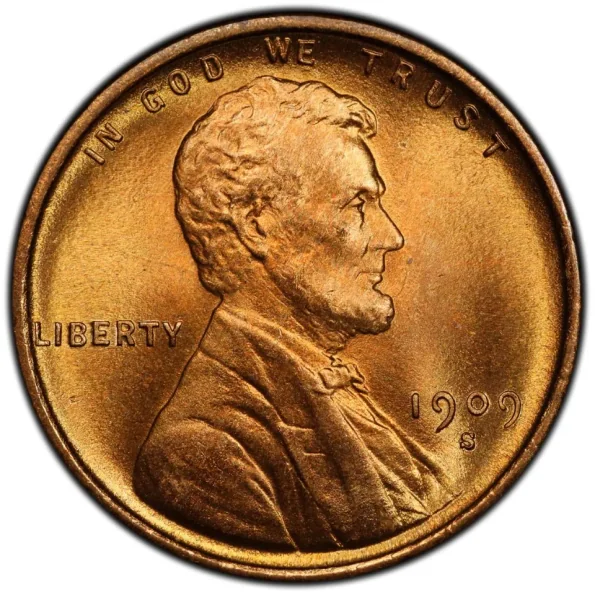
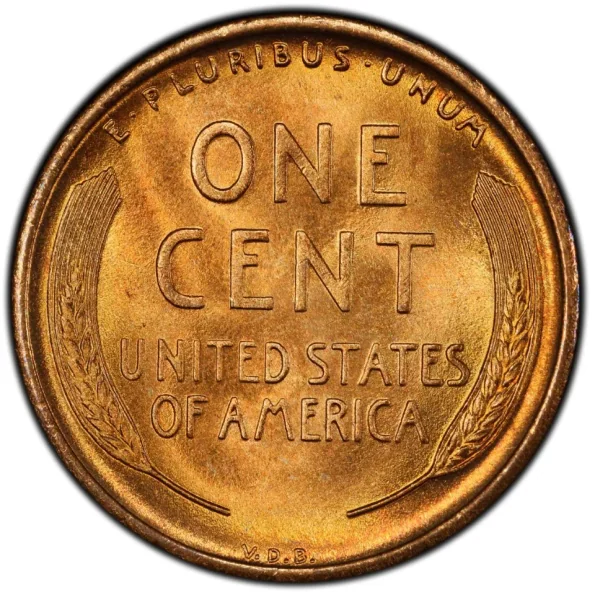
How do the issues and values compare?
What kind of valuable penny am I looking for?
Separate four reasons for a premium: scarcity of a regular issue, exceptional condition, a repeatable die variety, or an accidental production error. Those categories answer different searches. A normal 1931-S can be desirable without being an error; a common date may be difficult in superb original Red condition; a major doubled die needs its own diagnostics.
Lincoln’s portrait began in 1909 for the centennial of his birth, replacing the Indian Head cent. Victor David Brenner’s wheat reverse ran through 1958; the Memorial followed in 1959, four commemorative reverses appeared in 2009, and the shield began in 2010. Check Indian Head penny identification if the portrait is not Lincoln. Different design eras should not share one undifferentiated price chart.
| Coin / group | Why check it | Required identification | Condition limit | Detailed guide |
|---|---|---|---|---|
| 1909-S VDB | Key regular issue | S plus reverse VDB initials | Altered mint marks need authentication | 1909 VDB and S comparisons |
| 1914-D / 1931-S | Scarce date-and-mint combinations | Complete date and correct letter | Wear, corrosion and cleaning change value | Wheat key dates |
| 1943 bronze claim | Wrong-metal candidate | Year, metal tests and authentication | Normal steel is a different issue | 1943 bronze checks |
| 1955 / 1969-S / 1972 doubled dies | Specific die varieties | Matching doubled design diagnostics | Machine doubling is not equivalent | Pictured varieties and errors |
| 1982 cents | Metal and date-size sorting | Mint, weight and date variety | Not every 1982 cent is scarce | 1982 comparison guide |
| Ordinary high-grade cents | Condition rarity | Unworn original surfaces and certified grade | A cleaned bright coin is not original Red | Grade and preservation |
| Unusual rims or displaced strikes | Possible production fault | Whole coin, edge and physical evidence | Damage can imitate errors | Rim error and damage pictures |
What do ordinary and key-date wheat pennies sell for?
The selected CoinStudy reference figures below were captured from its November 9, 2026 guide. They are published estimates for circulated grades, not current offers or realized sales. G means Good, F Fine and XF Extremely Fine. These examples show the scale difference between common wheat cents and identified key dates; a price for one mint cannot be transferred to another.
| Issue | Good | Fine | Extremely Fine | Comparison limit |
|---|---|---|---|---|
| 1909-S VDB | $563 | $692 | $977 | Requires S and reverse VDB |
| 1914-D | $69 | $189 | $631 | Genuine D and unaltered date |
| 1931-S | $27 | $53 | $72 | Do not substitute 1931 Philadelphia |
| 1944 Philadelphia | $0.02 | $0.02 | $0.03 | Normal copper-alloy coin, not steel error |
| 1958 Philadelphia | $0.02 | $0.02 | $0.03 | Final wheat year alone is not rarity |
For a wider selected chart and all fifty years of mint navigation, use the wheat penny value chart by year and mint. Bulk lots, individual retail sales and certified coins have different transaction costs. A two-cent reference for a common worn cent is not a promise that a dealer will buy a single coin for that amount.
Which modern pennies should I check first?
Start with a clear date and mint. The major 1955 Philadelphia doubled die, 1969-S doubled die and 1972 doubled die are specific varieties, not any coin with a doubled-looking numeral. Compare 1955 ordinary and doubled-die checks, 1969-S diagnostics and 1972 doubled-die comparison. For another date-size comparison, 1970-S Small Date and Large Date separates date variety from doubled-die attribution.
For 1982, different alloys and date sizes make sorting useful, but ordinary combinations remain common. A magnet cannot distinguish two nonmagnetic copper-based compositions; weight is a screening tool, not a final certification. Later doubled dies and reverse-design varieties also require the exact diagnostics. The pictured error list is a better starting point than searching for any random extra line.
Are all copper-colored or no-mint-mark pennies valuable?
No. Many Philadelphia cents normally have no letter. Most older copper-alloy cents and later copper-plated zinc cents also look copper-colored. Original Brown, Red-Brown and Red designations describe preservation and color, not a simple guarantee of alloy or value. Plating, environmental changes and cleaning can mislead both identification and price comparisons.
How should I use a most valuable pennies list?
Treat a list as an identification route, not a valuation certificate. The Top 20 penny errors and varieties is specifically about unusual production and die features. This page also includes normal key dates and condition premiums, so the two lists serve different searches. Keep an extraordinary auction result attached to its grade, color, certification and sale date.
A circulated 1909 Philadelphia VDB does not inherit the price of a 1909-S VDB, and an ordinary 1943 steel cent does not inherit a bronze-error record. Check the normal 1943 steel cent guide before setting aside every magnetic penny. Likewise, a modern cent with a rolled edge belongs in the damage comparison until an actual mint fault is supported.
When is professional examination useful?
A plausible key date, wrong-metal coin or major variety can justify specialist review. Photograph both faces, the edge and the exact diagnostic area before paying for services. Keep the original surfaces intact. For common coins, likely value may be below grading and selling costs; compare recent matching transactions first. The penny value checking guide explains a practical first pass without promising a certified grade from one photograph.
How can I check my coin in three steps?
- 01Sort by design era, complete date and mint. Separate likely key dates from common duplicates and keep 1943 normal steel coins apart from bronze claims.
- 02Determine whether the proposed premium is issue scarcity, condition, a die variety or a production error. Match the exact diagnostics and record surface problems.
- 03Use dated same-issue grade comparisons, then seek specialist review for credible important candidates. Do not clean a coin to improve its color.
What should I remember?
The useful question is why a particular penny deserves a premium. Confirm the date and mint, then distinguish normal key dates, exceptional preservation, varieties and errors.
Use the chart for scale and the linked specialist pages for identification. An ordinary worn coin should never inherit a record price merely because it shares the year or design.
What else do collectors ask?
What pennies should I check first?
Start with clearly identified 1909-S VDB, 1914-D and 1931-S wheat cents, then specific major varieties and genuine error candidates. Verify every required feature.
Are all wheat pennies valuable?
No. Many common circulated dates carry only modest premiums. The wheat design and age alone do not establish a major rarity.
Is every 1943 penny rare?
No. Zinc-coated steel is the normal 1943 issue. A bronze claim is a separate wrong-metal authentication question.
Does no mint mark mean a penny is an error?
Usually not. Philadelphia commonly issued cents without a mint letter. Apply the rule for the particular year rather than assuming a missing mark.
Are the figures in the chart completed sale prices?
No. They are selected CoinStudy guide estimates dated November 9, 2026, with circulated grades shown. Actual sales may differ.
Why is a bright Red penny not automatically valuable?
Color alone does not establish original surfaces, grade or rarity. Polishing can create brightness while reducing collector value.
Is this the same as the Top 20 error list?
No. This hub includes normal scarce dates and condition premiums as well as varieties and errors. The Top 20 page focuses on errors and die varieties.
Which references support this guide?
References and further readingExpand
- CoinStudy: wheat penny price chartSelected circulated reference figures, November 9, 2026; not completed sales.
- PCGS: wheat centsSeries scope, issues and identification.
- U.S. Mint: pennyLincoln cent history and reverse-design changes.
- PCGS: Lincoln cent collectingKey dates and collecting distinctions.