

 App Store

COIN VALUE GUIDES · NICKELS
1964 Nickel Value:No Mint Mark, D, Full Steps and SMS
Find the value of a 1964 Jefferson nickel by mint and grade, locate the reverse mint mark, and distinguish ordinary coins from Proofs and rare special strikes.
 HeriBase TeamPublished
In this article
Quick answer
A normal circulated 1964 nickel is a common copper-nickel five-cent coin, not a silver coin or a rare missing-mint-mark error. Most worn examples have little individual resale premium. NGC’s published ordinary-strike guide lists 10–15 cents across circulated grades, but its quoted rows were last updated October 24, 2022; treat them as reference levels rather than a current cash offer.
For certified uncirculated coins without a Full Steps designation, the PCGS table accessed November 13, 2026 lists Philadelphia MS65 at $15 and MS66 at $65; Denver MS65 at $16 and MS66 at $26. Mint State (MS) means no circulation wear. Proofs, Full Steps coins and the rare 1964 Special Mint Set (SMS) attribution belong to separate comparisons.
Coin photos
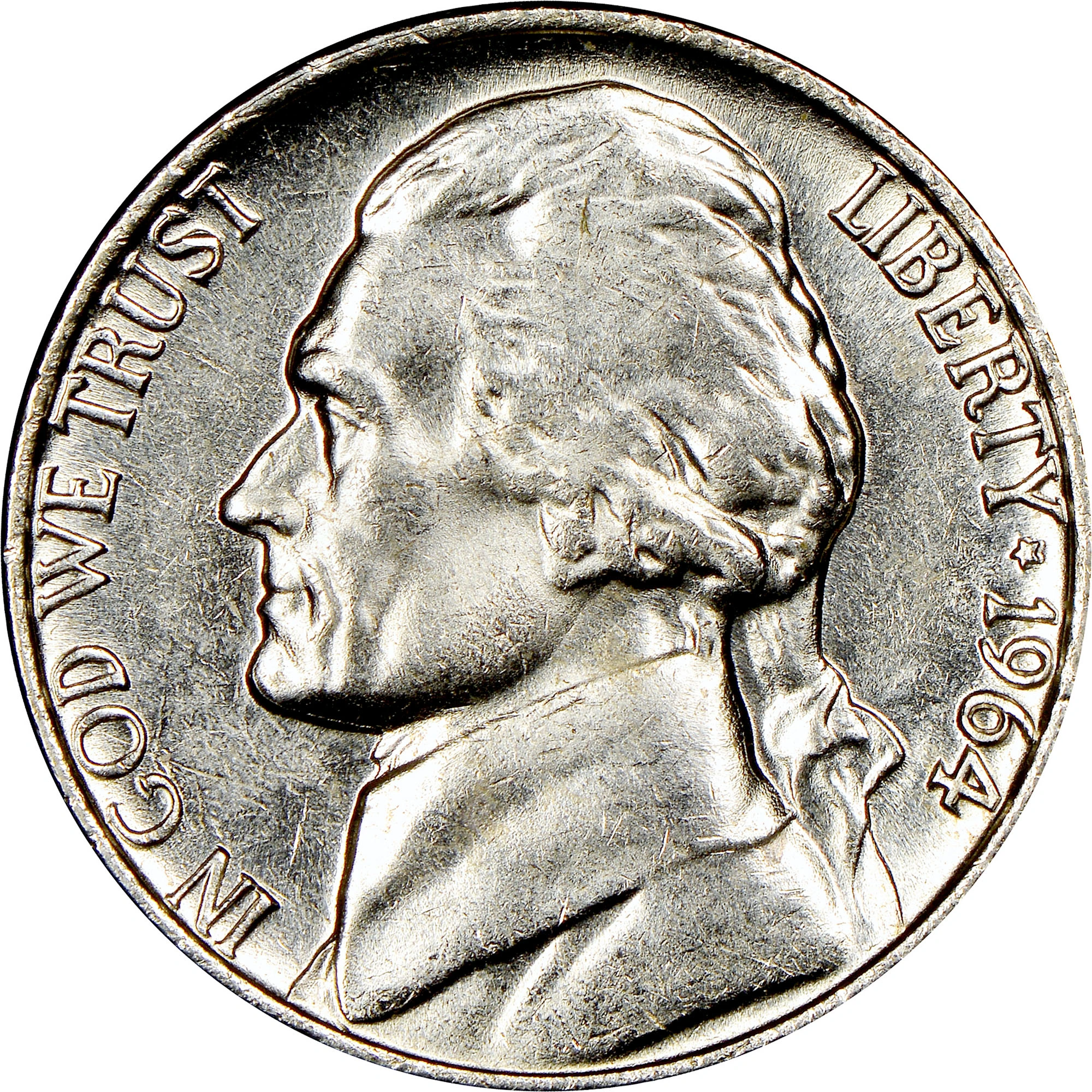
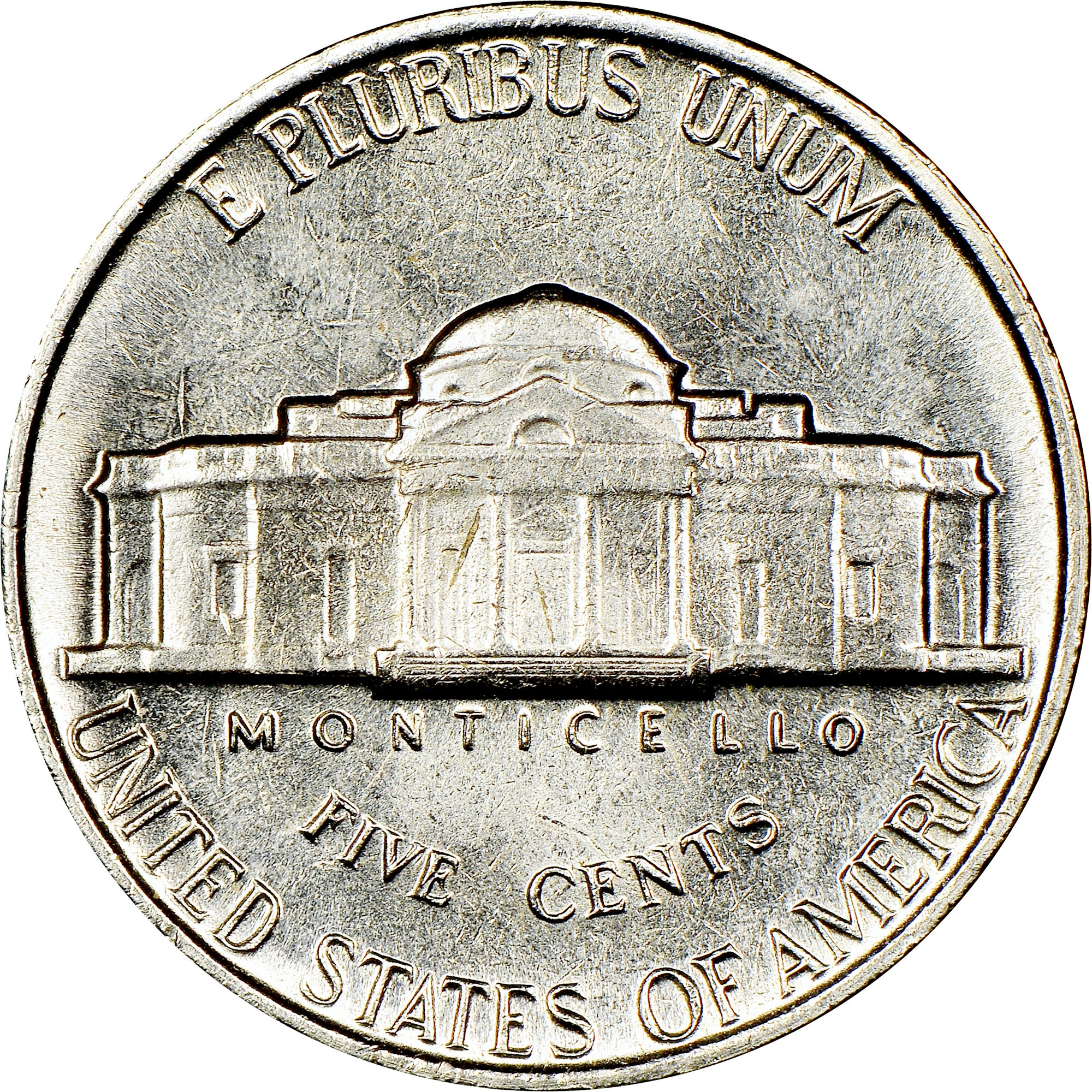
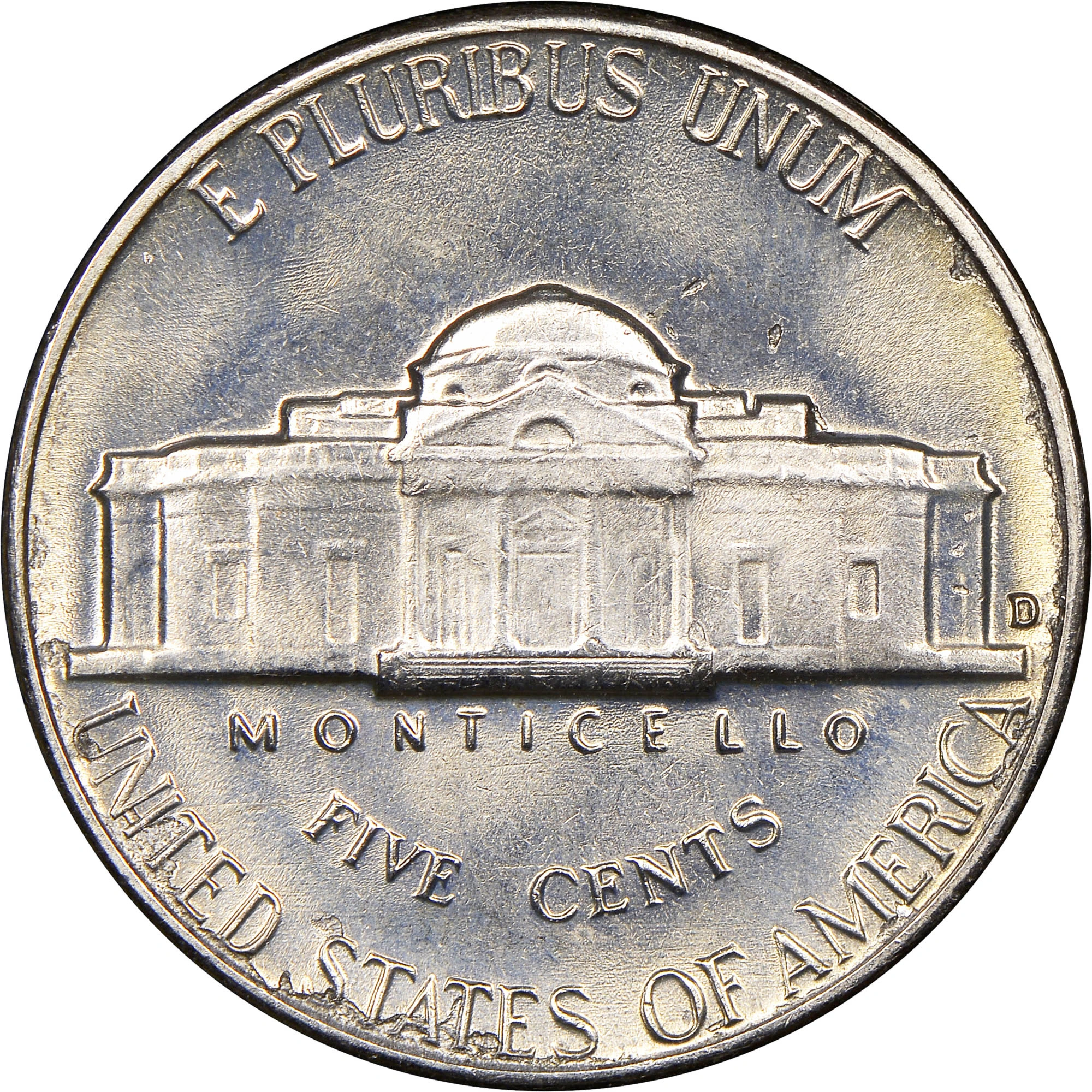
Basics & coin story
The 1964 date belongs to a period of intense demand for circulating change. Production continued under a date freeze, so a date on the coin does not prove that it physically left a press during that calendar year. Philadelphia and Denver together produced more than 2.8 billion nickels bearing 1964. Large output helps explain why an old-looking example can still be ordinary.
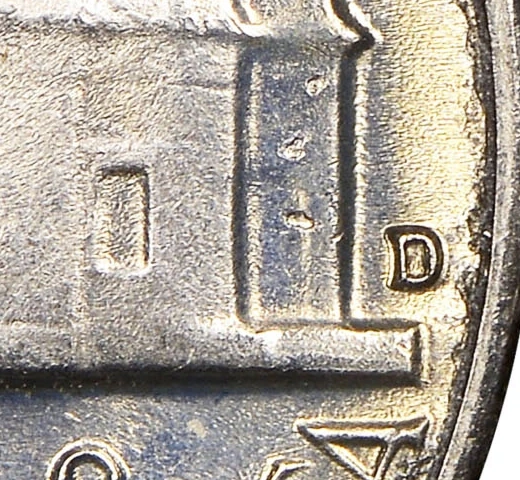
Felix Schlag’s original Jefferson portrait and Monticello reverse had been used since 1938. The small reverse mint-mark position is an important historical clue: the D belongs beside Monticello, not next to the obverse date as on later Jefferson nickels. Compare the earlier Jefferson nickel identification and grading guide for the same general layout, while keeping the prices date-specific.
| Feature | What to check |
|---|---|
| Issue | 1964 Jefferson nickel / five cents |
| Designer | Felix Schlag |
| Standard alloy | 75% copper; 25% nickel |
| Nominal weight / diameter | 5.00 g / 21.2 mm |
| Edge | Plain |
| Regular mints | No mark = Philadelphia; D = Denver |
| Mint-mark location | Reverse to the right of Monticello |
Identification
No mint mark versus 1964-D: turn the coin over
Read 1964 beside Jefferson, then inspect the reverse immediately to the right of Monticello, near the rim. No letter is expected for Philadelphia; D means Denver. An empty position does not establish an error. A genuinely missing or altered mark would need more evidence than an ordinary Philadelphia arrangement.
There is no regular 1964-S Jefferson nickel to add to this date-and-mint checklist. Do not interpret the absence of an S, or the absence of any letter, as a special issue.
Inspect the steps without confusing strike and wear
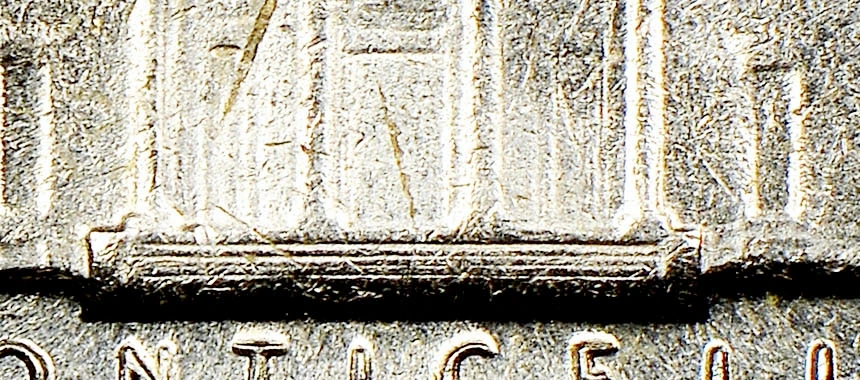
The horizontal steps beneath Monticello are easily softened by weak striking or interrupted by contact marks. Check under diffuse light and magnification. Crisp-looking lines in a phone image do not automatically qualify for a grading-service Full Steps designation. NGC distinguishes Five Full Steps (5FS) and Six Full Steps (6FS); compare like-for-like designations.
A high numerical grade describes overall preservation. Full Steps adds a separate strike-quality requirement. A coin can have clean fields yet incomplete steps, or a strong strike with enough marks to limit its grade.
Proof, SMS and polished change are different things
Philadelphia made regular 1964 Proof nickels for collectors. The rare 1964 SMS attribution is a separate special-strike category, not a nickname for a shiny circulated coin. Both require manufacturing evidence beyond the date and missing mint mark. A reflective or satin-looking surface alone cannot establish either issue.
Hairlines, rounded devices and unnatural brightness may instead indicate cleaning or polishing. Keep the surface unchanged and compare signs of cleaning before using any collector-finish price.
Condition & value
Amounts are in U.S. dollars. The table reports published ordinary-strike guide references, not completed sales or guaranteed offers. The final column is the source row’s own update date (month/day/year); all rows were accessed November 13, 2026. Older guide dates are a limitation, so obtain recent matching sales or offers before a transaction.
MS means Mint State. Full Steps, Proofs, special strikes and attributed varieties are excluded.
| Issue | Grade / condition | USD reference | Basis | Guide updated |
|---|---|---|---|---|
| 1964 5C | Good | $0.10 | NGC retail guide | 10/24/2022 |
| 1964 5C | Fine | $0.10 | NGC retail guide | 10/24/2022 |
| 1964 5C | Extremely Fine 40 | $0.10 | NGC retail guide | 10/24/2022 |
| 1964 5C | MS63 | $1 | NGC retail guide | 10/24/2022 |
| 1964 5C | MS65 | $15 | NGC retail guide | 10/24/2022 |
| 1964 D 5C | Good | $0.10 | NGC retail guide | 10/24/2022 |
| 1964 D 5C | Fine | $0.10 | NGC retail guide | 10/24/2022 |
| 1964 D 5C | Extremely Fine 40 | $0.10 | NGC retail guide | 10/24/2022 |
| 1964 D 5C | MS63 | $1 | NGC retail guide | 10/24/2022 |
| 1964 D 5C | MS65 | $15 | NGC retail guide | 10/24/2022 |
What the 1964 value table can and cannot tell you
The PCGS ordinary MS table gives Philadelphia MS63 $5 and Denver MS63 $5, rising to the MS65/MS66 figures above. These are retail guide estimates for the exact grade, not a guarantee that a raw coin will sell for that amount. NGC’s older MS65 rows happen to list $15 for both mints; its MS66 rows differ from PCGS. Different services, update dates and market assumptions are reasons to identify the source rather than blend the figures into one range.
For a worn coin, postage, marketplace fees and a dealer’s handling costs can exceed the small collector premium. Separate a batch of ordinary coins from an unusually original, sharply struck piece before considering paid grading.
Errors need a mechanism and a matching attribution
An off-center strike displaces the design in a coherent way; an impact after minting damages an already struck surface. A repunched mint mark needs the specific letter diagnostics of a recognized variety. A distorted D, a flattened letter or a dark patch is not enough to name an error.
Do not price a suspected special strike by a headline auction record. Preserve any original holder or purchase history, record the weight and photograph both faces, the edge and the alleged diagnostic. Specialist authentication is the useful next step when a plausible attribution would change the value materially.
For an initial identification, photograph both faces in even light and record the visible date and mint mark. HeriBase can help organize a photo-based identification; verify important mint, finish and variety details against the references before using a price. An app result is a starting point, not a certified grade, authentication or purchase offer.
Summary
Read the reverse mint mark and assess wear first. An ordinary 1964 or 1964-D nickel is common and contains no silver. Use ordinary grade-specific comparisons unless Full Steps, Proof manufacture, a recognized variety or a special strike has been established. Save clear photos and keep the surface original before seeking an offer.
FAQ
Is a 1964 nickel with no mint mark valuable?
No mint mark is normal for Philadelphia. Most worn pieces have little individual premium; exceptional preservation or a verified special issue changes the comparison.
Is a 1964 nickel silver?
No. The standard alloy is 75% copper and 25% nickel. It is outside the silver-alloy wartime nickel issue.
Where is the mint mark on a 1964 nickel?
Look on the reverse to the right of Monticello. D identifies Denver; ordinary Philadelphia coins have no letter there.
How do I know if a 1964 nickel is SMS?
A date, no mint mark or shiny finish does not prove the rare special-strike attribution. Compare authenticated manufacture diagnostics and obtain specialist authentication before assigning an SMS value.
References
References and further reading
- NGC: 1964 5C MS specifications, analysis and dated guide
- NGC: 1964 D 5C MS specifications, analysis and dated guide
- PCGS: ordinary Jefferson nickel retail table; access date November 13, 2026
- PCGS: 1964 special-strike attribution, separate from regular strikes
- NGC: Five Full Steps and Six Full Steps requirements
References accessed November 13, 2026. Guide update dates, access dates and historical sale dates are separate. No current dealer offer or independent examination of a reader’s coin is implied.