

 App Store
Coin value guides / Jefferson nickels
1941 Nickel Value:Mint Marks, Grades and Varieties
Identify a no-mint-mark, D or S nickel, understand condition and Full Steps, and compare reference values with documented auction results.
 HeriBase TeamUpdated
 How much is a 1941 nickel worth?
NGC’s August 2020 base guide lists circulated 1941 Jefferson nickels at $0.10–$2.10 across the three mints. This is a dated reference, not a current offer. Higher values depend on grade, Full Steps, proof manufacture or a confirmed variety.
A standard 1941 nickel contains no silver: it is 75% copper and 25% nickel. Find the mint mark to the right of Monticello: no mark means Philadelphia, D means Denver and S means San Francisco.
A “1941 five cents” coin is the same Jefferson nickel discussed here. Match its mint and condition before using a guide price or completed sale.
Where is the mint mark on a 1941 nickel?
The 1941 Jefferson nickel’s mint mark is on the reverse, to the right of Monticello, near the rim. A D identifies Denver; an S identifies San Francisco. Philadelphia regular strikes have no mint mark. An empty space there is normal, not a missing-mint-mark error.
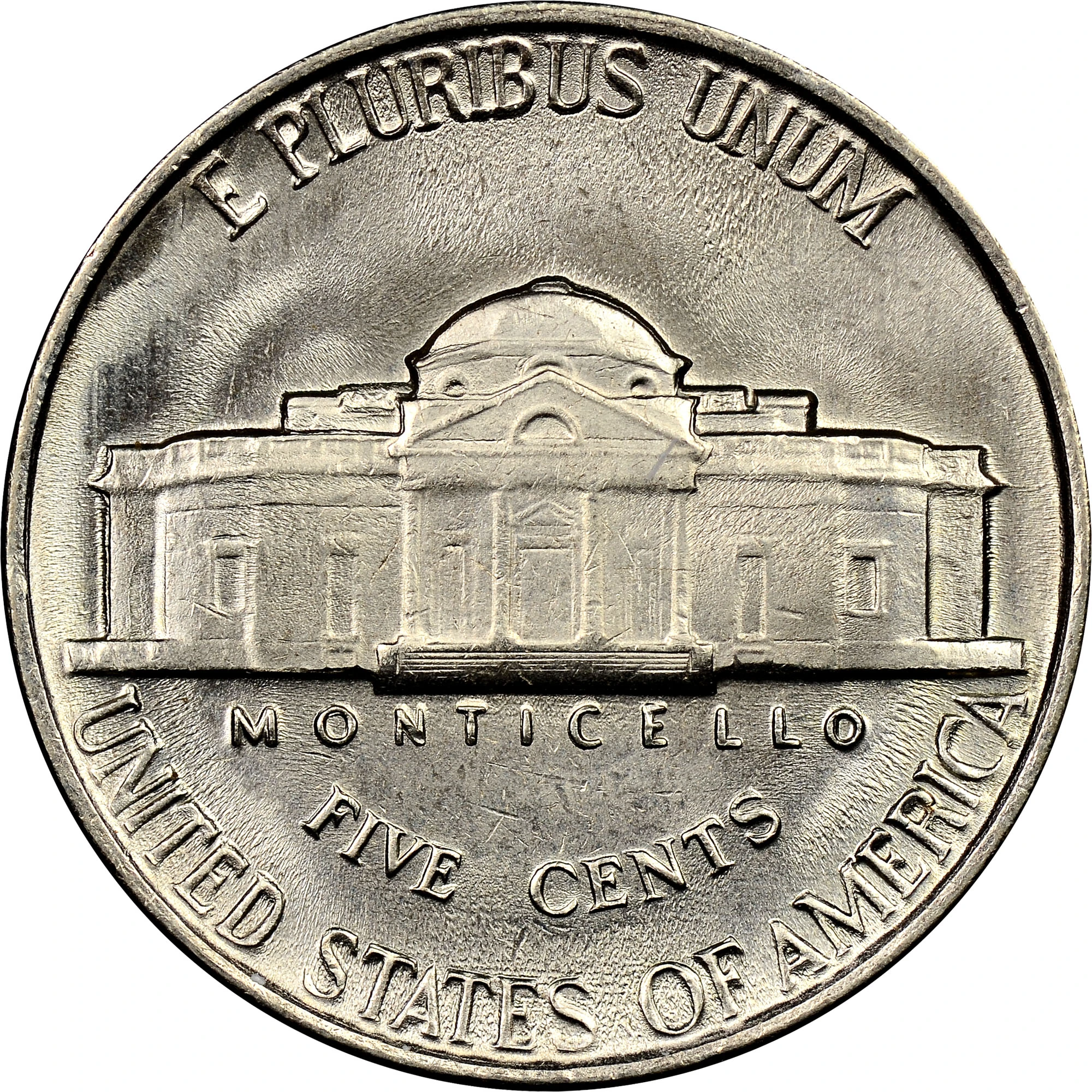
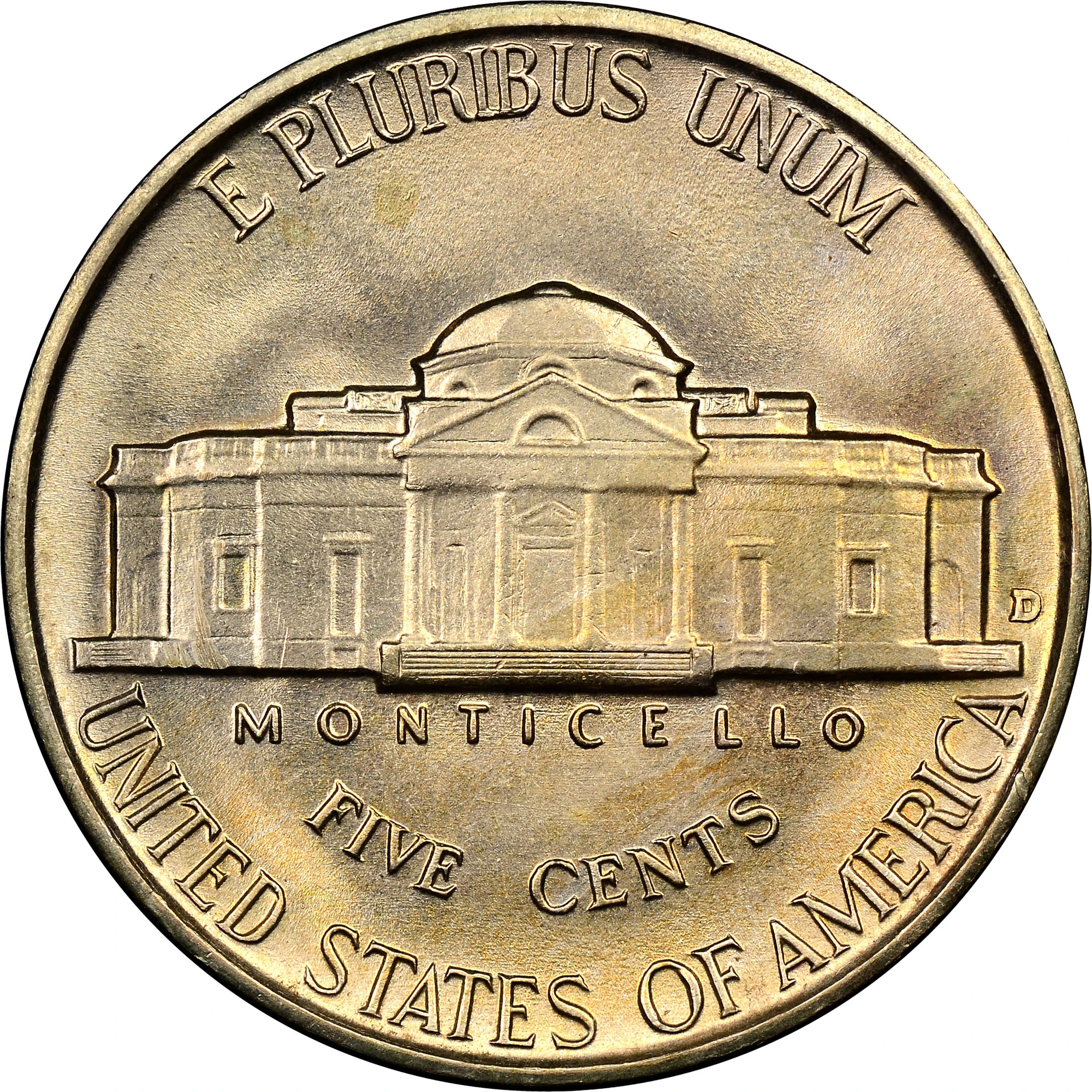
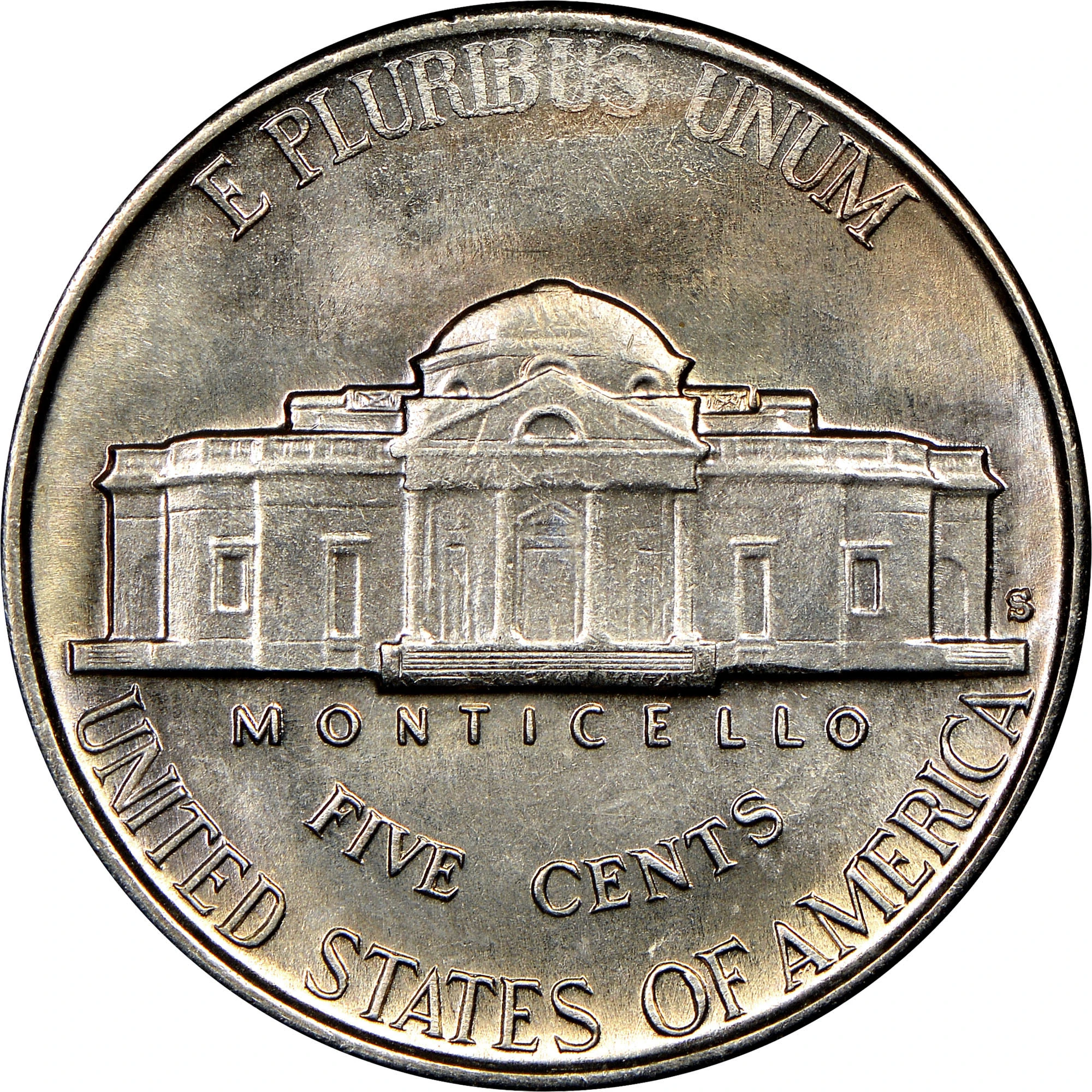
Read the date on the portrait side before checking the reverse. Photograph the whole reverse and a close-up of the mint-mark area under even light. If wear or a scratch obscures the letter, keep the identification tentative instead of selecting whichever value is highest.
1941, 1941-D and 1941-S: what changes?
1941 nickel, no mint mark
Philadelphia: 203,265,000 regular strikes. This is the largest of the three mintages. A no-mint-mark coin is not rare merely because it lacks a letter; its condition and any special attribution determine the useful comparison.
1941-D nickel
Denver: 53,432,000 regular strikes. Most worn examples remain accessible. For a potentially better coin, inspect the surfaces and steps, and investigate a possible D/D repunched mint mark separately.
1941-S nickel
San Francisco: 43,445,000 regular strikes. This is the lowest mintage of the three, but the S alone does not establish rarity. A Large S attribution or a strong Full Steps grade can change the comparison substantially.
One design, different specimens
All three carry Jefferson’s portrait and Monticello, designed by Felix Schlag. The standard weight is 5.00 grams, diameter 21.20 mm and edge plain. Matching specifications is useful identification evidence, not a complete authenticity test.
1941 nickel value chart: no mint mark, D and S
| Issue | G | XF | AU58 | MS63 | MS65 | MS67 |
|---|---|---|---|---|---|---|
| 1941, no mint mark | $0.10 | $0.30 | $0.90 | $5 | $25 | $80 |
| 1941-D | $0.10 | $0.40 | $1.75 | $7 | $15 | $70 |
| 1941-S | $0.10 | $0.40 | $2.10 | $6.35 | $25 | $250 |
NGC Coin Explorer guide values accessed September 15, 2026. The base tables display “Last updated 08/05/2020.” These are the listed references retrieved on that date, not newly established September 2026 market prices. Links in the issue column open the corresponding guide.
G means Good; XF means Extremely Fine; AU means About Uncirculated; MS means Mint State. A higher MS number describes a higher assessed grade. This table excludes proofs, Full Steps designations, specific die varieties and problem coins.
Use a guide to select a comparison group, then check completed sales. Dealer offers, retail asking prices and auction results can differ. Shipping, selling fees and the effort of selling a low-value coin also affect what you receive.
For example, the MS65 reference is $25 for a Philadelphia coin and $15 for a Denver coin. The Denver mintage is smaller, but that alone does not make it more valuable at every grade. Condition-specific supply and demand matter.
How condition changes a 1941 nickel’s value
Look for wear before assigning a Mint State grade. Inspect Jefferson’s hair above the ear and other high points, then compare the reverse. Weakly struck detail and detail lost to circulation can look similar in one photograph; use several lighting angles.
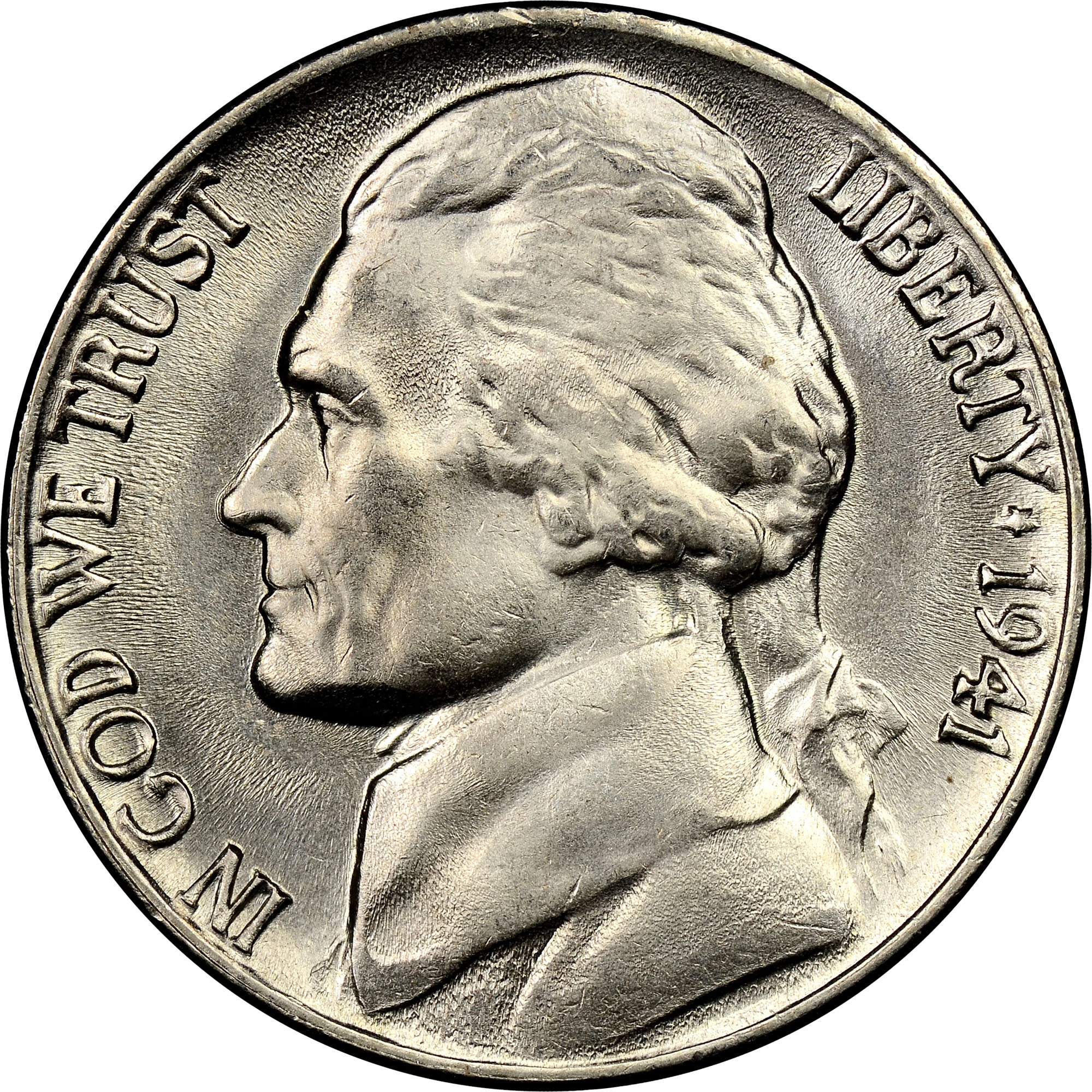
Three checks before using a price
- Wear: do the high points retain their original texture, or show flattening and friction?
- Surfaces: are there scratches, corrosion, polishing or other problems that make a problem-free comparison unsuitable?
- Strike: how clearly are the design and Monticello steps formed?
A shiny surface is not a grade. A cleaned coin may look brighter while becoming less desirable to collectors. Leave the coin unpolished and handle it by the edge. Our coin cleaning guide shows surface clues to examine before selecting a comparison.
Choose a condition group before reading the value table
- G — Good: heavy wear leaves limited design detail. Check whether the rim, lettering and date remain distinct rather than judging brightness.
- XF — Extremely Fine: design details remain complete, with minor wear on the high points. Inspect Jefferson’s hair and the raised parts of Monticello.
- AU — About Uncirculated: slight wear remains. AU covers several numerical grades; an AU label alone does not establish the table’s AU58 grade.
- MS — Mint State: no circulation wear, although contact marks and a weak strike may remain. MS63, MS65 and MS67 are separate assessments, not interchangeable prices.
These are starting categories, not a photo grading test. See our coin grading scale guide for numerical grades and why similar-looking coins can receive different assessments.
A photograph can help narrow the condition category. If a small grade difference would change an important purchase or sale decision, examine the coin in person or seek professional assessment.
What does Full Steps mean on a 1941 nickel?
Full Steps describes the completeness of the steps on Monticello, in addition to the coin’s numerical grade. NGC uses 5FS and 6FS for qualifying Mint State Jefferson nickels. These designations are listed separately in its guide and census.
Read the entire label
MS65 and MS65 5FS are different comparison groups. Match the grading service and designation as closely as possible. A price for a sharply struck, certified Full Steps coin should not be assigned to an ordinary worn nickel.
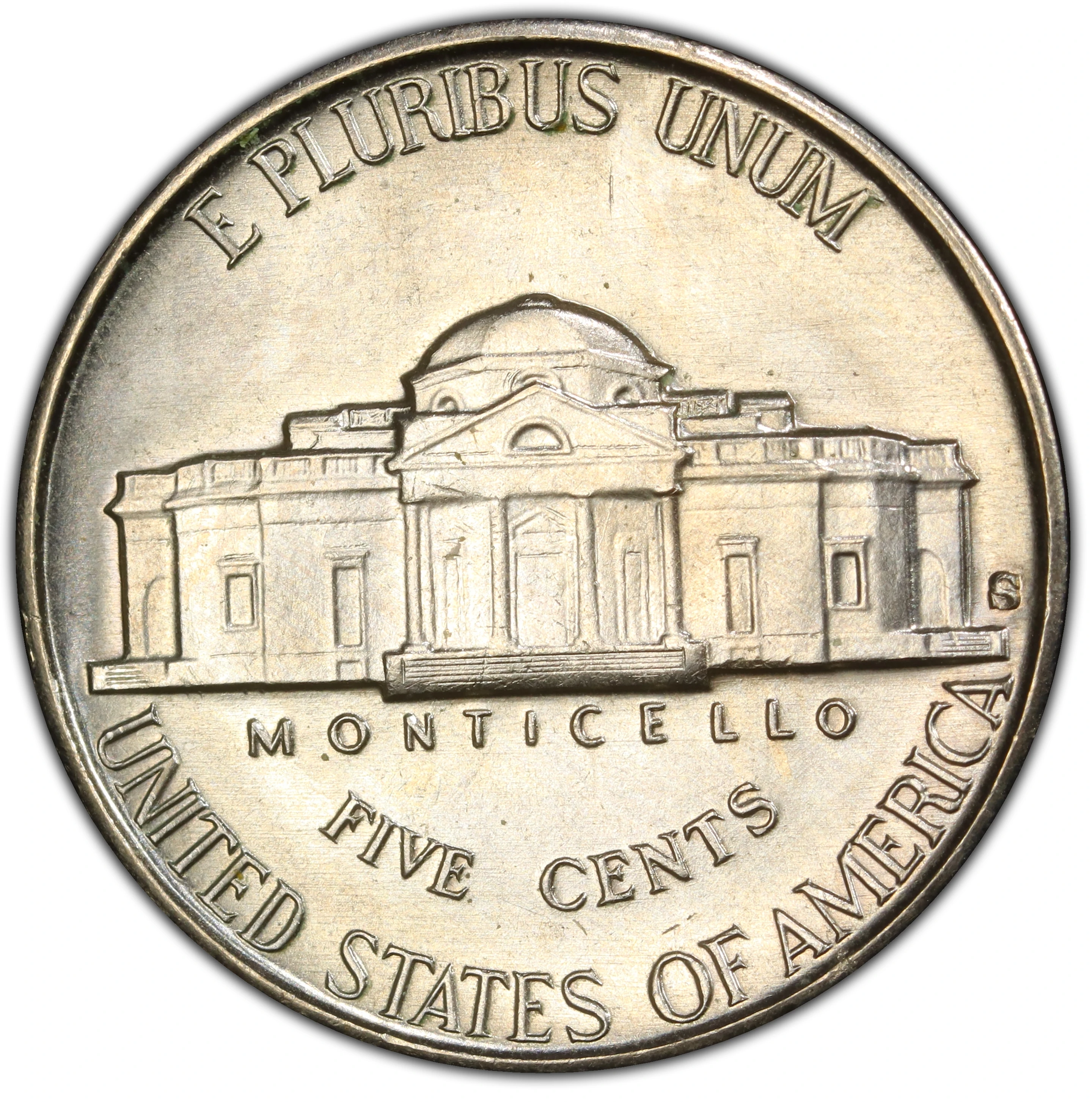
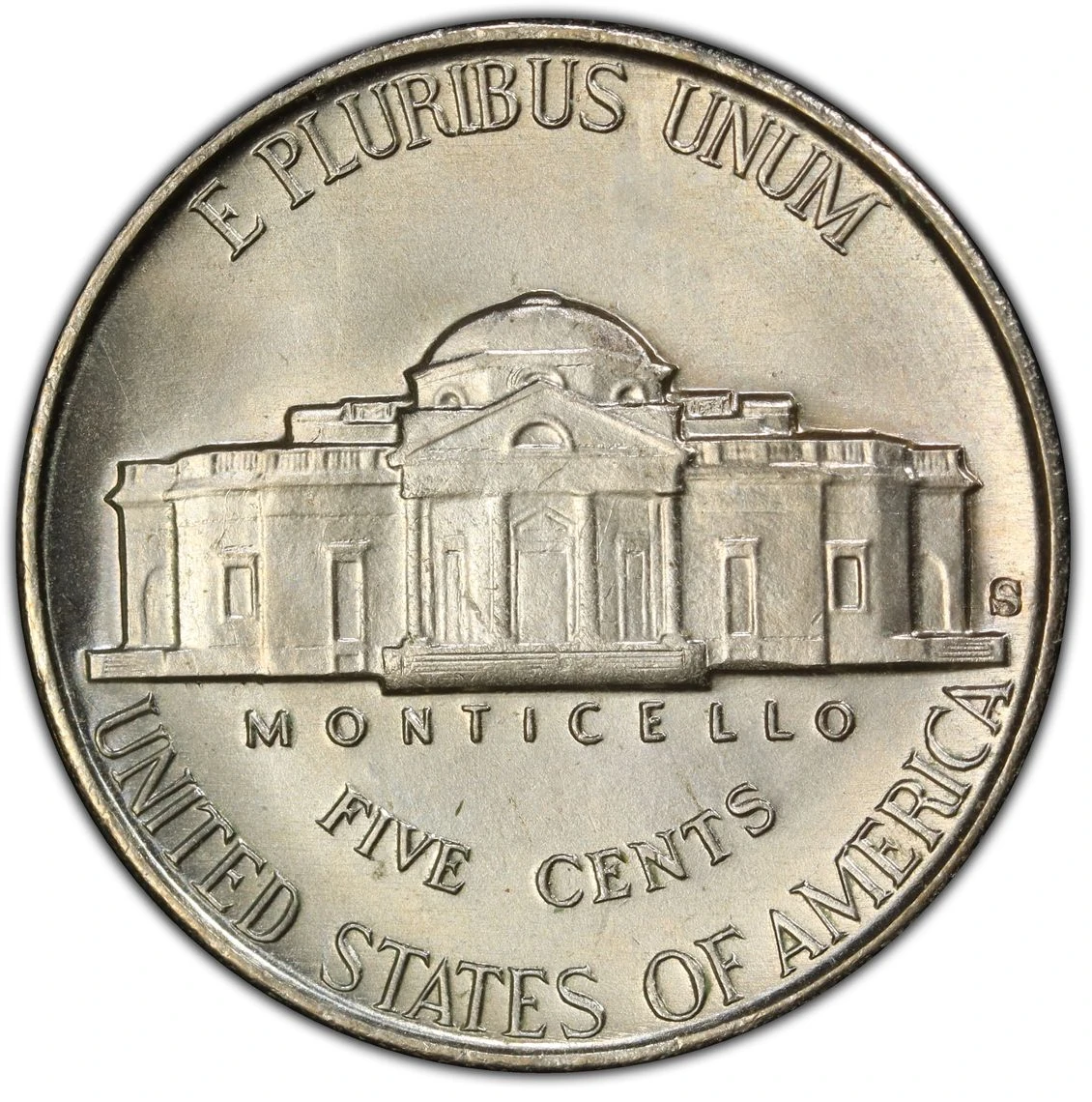
Two reverse views for inspecting step detail. Open either image to enlarge; these photographs alone do not establish a Full Steps designation.
Inspect a clear close-up of the steps for interruptions, weak detail and marks. A dark line in a photograph can be shadow rather than a complete step. Do not infer the designation from a distant image or an AI price label.
FS-501 is a variety catalog number; it does not mean Full Steps. For example, a label can identify a 1941-S Large S, FS-501 without giving the coin a Full Steps designation. Read both parts independently.
1941 nickel varieties and errors worth checking
Identify the specific feature before attaching an error or variety premium. A recognized die variety is a repeated feature associated with a die; an individual minting error and damage after the coin left the mint require different explanations.
1941-D/D: RPM FS-501
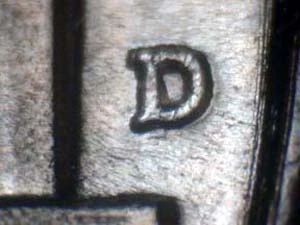
PCGS catalogs a repunched D mint mark. Compare the shape and position of the extra mint-mark detail with the attributed reference; a nearby scratch is not enough.
1941-S: Large S, FS-501
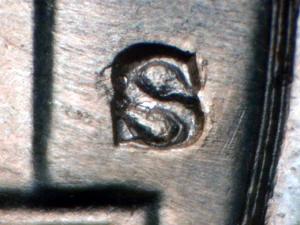
This attribution concerns the mint-mark style. Check the actual shape against a reference, rather than judging a magnified S to be “large.”
1941-S/S: Large S, RPM FS-502
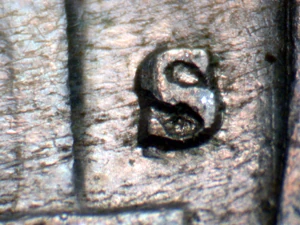
This is a separately cataloged repunched mint mark. The correct comparison must include the repunching attribution, not just Large S.
1941-S: Inverted MM, FS-503
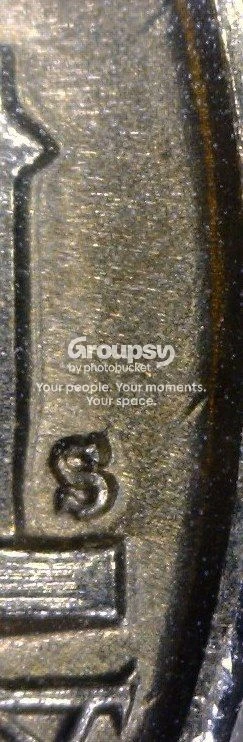
PCGS also lists an inverted mint-mark variety. A precise reference comparison is needed; orientation cannot be established from an indistinct photograph.
For a suspected off-center strike, clipped planchet or other minting error, record the complete coin, edge and unusual feature. There is no single “1941 nickel error value”: type, extent, condition and authentication affect the result. An odd color, dent or doubled-looking edge does not establish a valuable mint error.
Is your 1941 nickel a proof—or a silver coin?
Proof: a different production category
Philadelphia also produced 18,720 proof nickels in 1941. These should be compared with other 1941 proofs of similar grade and surface quality. The absence of a mint mark cannot distinguish a proof from a regular Philadelphia strike.
A polished circulation coin is not a proof. If the finish suggests a proof, have its manufacturing characteristics assessed before using proof prices.
Is a 1941 nickel silver?
A standard 1941 nickel is 75% copper and 25% nickel, with no silver. Silver-alloy wartime nickels were introduced during 1942 and continued through 1945; not every 1942 nickel uses that alloy. Do not use silver-nickel melt calculations for a 1941 coin.
Its silver-colored appearance does not establish its metal content. A claimed unusual composition requires evidence beyond color.
A documented proof sale: PCGS PR66, $49
PCGS Auction Prices records a 1941 Jefferson nickel graded PCGS PR66 at $49 in Stack’s Bowers’ May 2026 Premier Collectors Choice auction, lot 97104 (certification 03758546). This is a reported auction result for one certified proof, not an asking price or a value for a regular circulation strike.
Use it as one comparison for a proof of similar grade and surface quality. The PCGS record does not itemize fees, so the reported price should not be treated as the seller’s net proceeds. Other grades and differently preserved proofs need their own comparable sales.
1941 nickel sales: compare the coin behind the price
Separate ordinary circulation examples from certified auction specimens. The records below use different sources and condition descriptions; they should not be combined into one price range.
Recent records for ordinary circulated coins
PriceCharting’s eBay sold-listing feed reports these Philadelphia examples. Condition descriptions are the sellers’ labels, not independently assigned grades.
| Reported date | Seller’s condition description | Reported price | eBay item |
|---|---|---|---|
| September 8, 2026 | Very Fine | $1.38 | 133942185406 |
| September 5, 2026 | Circulated; title states free shipping | $1.09 | 158213368541 |
| August 28, 2026 | VG / circulated | $0.95 | 377439015738 |
These are aggregator-reported records. Original listing photographs, final payment and fee details were not independently verified. They illustrate inexpensive circulation examples, not a current market range or a comparison for a certified AU, Mint State or Full Steps coin.
Certified coins with specific grades and attributions
| Coin and certification | Sale date / lot | Reported result | Record |
|---|---|---|---|
| 1941-S Large S, FS-501, PCGS MS65 | May 6, 2024 60386 / 53052 | $104 | Heritage lot |
| 1941-S, PCGS MS66 Full Steps | May 6, 2024 60386 / 53051 | $288 | Heritage lot |
| 1941-D, NGC MS68 | January 8, 2024 60361 / 50028 | $630 | PCGS record |
The first two results are listed in NGC Auction Central, which reports hammer price plus the auction house’s commission. The third is the sale price reported by PCGS. These amounts are not the seller’s net proceeds or a complete delivered cost.
Why the first lot needs its full name
The $104 example is an attributed Large S, FS-501 coin. Treating it as an ordinary 1941-S MS65 would hide a relevant feature. The $288 lot has a different grade and a Full Steps designation; the price difference cannot be attributed to the steps alone.
For your own comparison, match mint, strike type, grade, designation and variety, then inspect the photos. Record the sale date and fees. Prefer several recent comparable sales; a single unusually toned or exceptional specimen can distort an estimate.
Use AI identification, then resolve the important details
Use an AI coin identification tool to establish a starting identity, then verify the details that affect value. For a 1941 nickel, check the year, denomination, mint mark and whether the result assumes a particular grade or variety. If results differ, try another tool with the same photos and identify the exact disagreement.
Example workflow using HeriBase
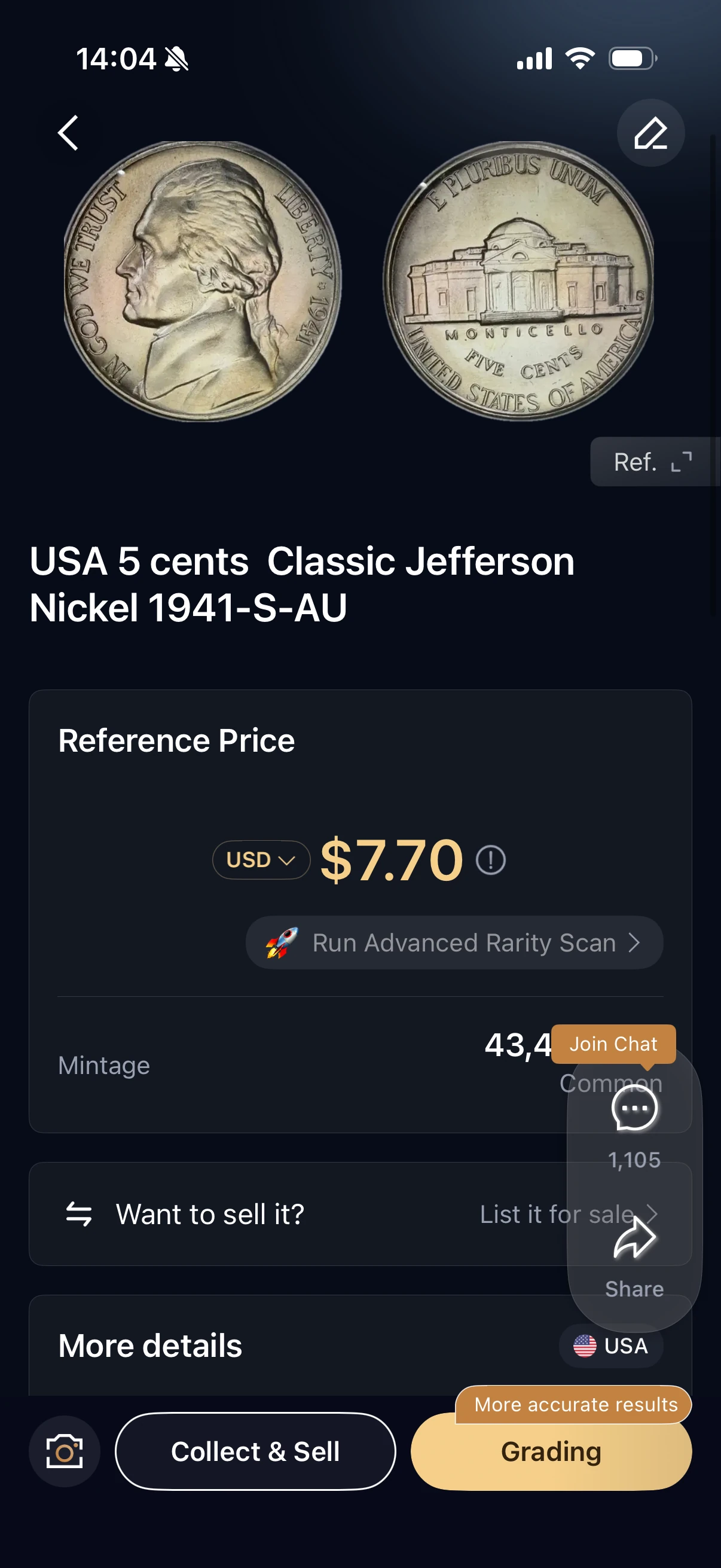
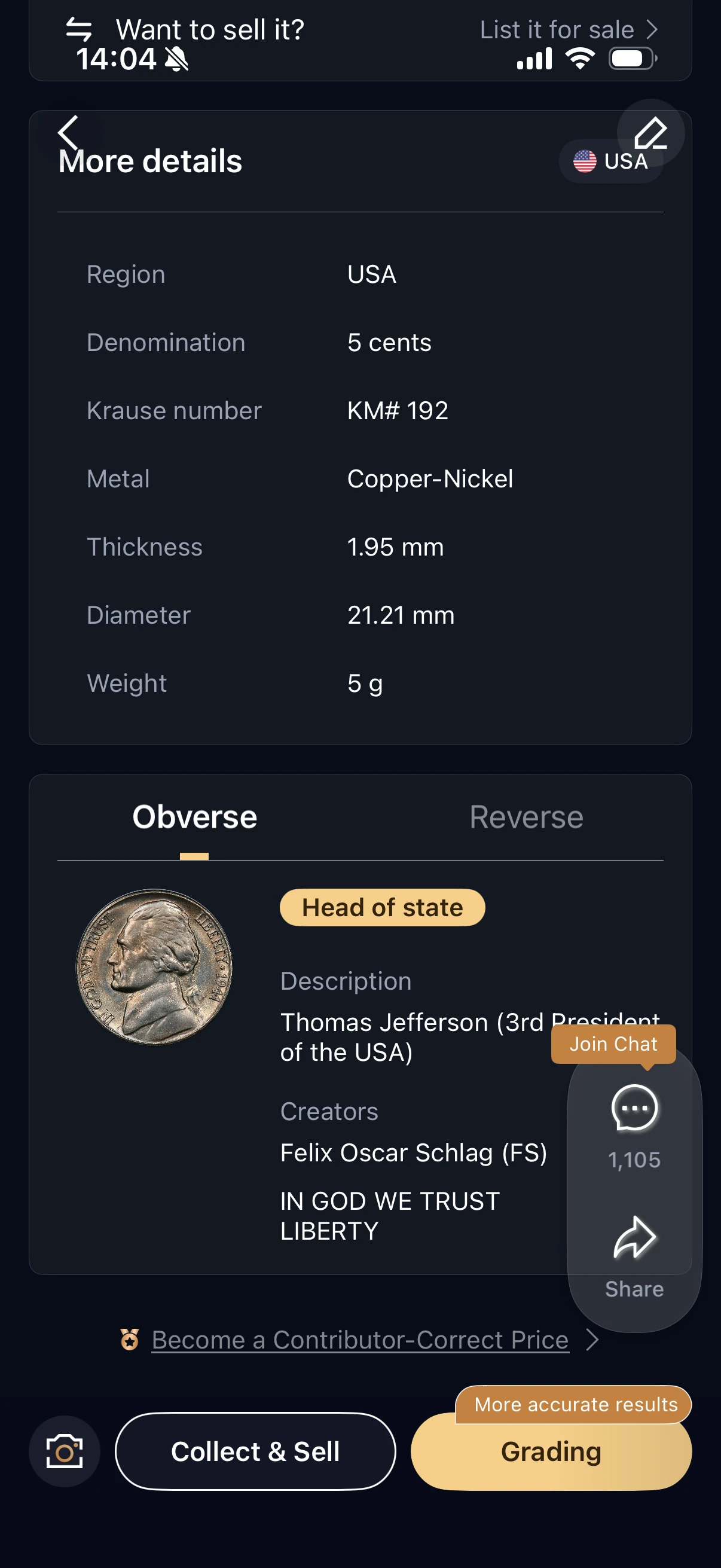
This HeriBase result shows a 1941-S Jefferson nickel, an AU label and a $7.70 reference price. The details list copper-nickel composition and a standard weight of 5 g.
Why does the app show $7.70 while the table lists $2.10? The $2.10 figure is NGC’s August 2020 reference for a 1941-S graded AU58. The screenshot shows only a broad AU label and does not show the estimate’s date, valuation method or comparable sales. Its $7.70 is an app reference price, not a recorded sale or a certified grade.
The two figures therefore do not establish a like-for-like price change or prove that either estimate applies to your coin. First match the mint, numerical grade and valuation date, then compare suitable completed sales. Neither Full Steps nor a variety premium is established by these screenshots. If you disagree with the app price, send the result screenshot, clear coin photos and the comparison you found to a HeriBase human specialist for review.
- Photograph both sides. Include close-ups of the mint mark and Monticello’s steps.
- Check the result. Match the date, mint and design to your coin before using the estimate.
- Resolve unclear details. Send detail photos and a focused question to a suitable HeriBase specialist.
- Use physical examination when needed. Consider PCGS or NGC for authentication and grading when photos are insufficient or certification is needed.
What can you verify from this example?
| Result field | What to check | What remains unresolved |
|---|---|---|
| 1941-S Jefferson nickel | Compare the pictured date, Jefferson design and S beside Monticello. | Matching visible features does not authenticate the specimen. |
| Copper-nickel; 5 g | These match catalog specifications for the issue. | The screenshot does not document a weight measurement or metal test. |
| AU; $7.70 | These are the app’s displayed condition label and reference price. | No certified grade, dated comparable sales or valuation method is shown. |
| Full Steps / variety | Inspect clear step and mint-mark close-ups separately. | No such attribution is established by these screenshots. |
For an ordinary worn example, a paid grading submission may cost more than the likely sale proceeds; compare the complete quote with realistic comparable sales first. See our coin appraisal guide to choose between an app estimate, expert review and physical grading.
For app features, see our AI coin identification tools comparison. To explore photo-based specialist review, open HeriBase and check available experts and service terms.
1941 nickel value: common questions
Is a 1941 nickel without a mint mark valuable?
No mint mark identifies Philadelphia; it is normal for this issue. In NGC’s August 2020 base table, a circulated Philadelphia coin is listed at $0.10–$0.90. Better grades, proofs or an attributed feature need their own comparisons.
Is a 1941-S nickel rare?
The S identifies San Francisco, not rarity by itself. The mint produced 43,445,000 regular strikes. An unusually high grade, Full Steps designation or recognized variety can be more significant than the mint letter alone.
Does a 1941 nickel contain silver?
No. The standard 1941 Jefferson nickel is 75% copper and 25% nickel. It is not part of the later silver-alloy wartime issue.
Can a 1941 nickel be worth hundreds of dollars?
Yes, particular certified specimens have sold for hundreds, as the auction examples show. Those results do not establish the value of an ordinary worn coin. Match the grade, mint and special attribution first.
Should I clean my 1941 nickel before selling it?
Leave it unpolished. Cleaning can alter the surfaces that collectors and graders evaluate. Photograph it as it is, hold it by the edge and use suitable coin storage.
Should I get it professionally graded?
Consider grading when authenticity, a significant variety or a potentially important grade affects your decision. For a common low-value example, first compare the likely proceeds with grading, handling, shipping and selling costs.
What should you do with your 1941 nickel?
Identify the mint, assess the coin’s condition and match its special features before deciding what it is worth. An ordinary worn example belongs in a different comparison group from a proof, a Full Steps coin or an attributed Large S or repunched-mint-mark variety.
- For an ordinary example: use the no-mark, D or S identification and an appropriate condition range to find comparable completed sales. Age and silver color alone do not create a premium; standard 1941 nickels contain no silver.
- For a potentially better coin: inspect the steps and mint mark closely, and confirm the exact designation or variety. FS-501 is a catalog number, not a Full Steps grade. Compare the complete lot description, not just its date and price.
- For an unresolved question: use clear photographs and an AI result to organize what you know, then ask a specialist about the specific uncertainty. Arrange physical examination when authenticity, surfaces or certification requires access to the coin itself.
A useful estimate explains which coin, which condition, which date and which comparable sales support it.
Sources and how this guide was prepared
References· 21 sources
Prepared by the HeriBase Team. Original sources checked September 15, 2026; the added PR66 auction record and grading definitions checked September 22, 2026. Guide values, historical production figures and recorded sales are identified separately; no grading opinion is assigned to a reader’s coin.
- NGC Coin Explorer: 1941, 1941-D and 1941-S — base guide values, without Full Steps. Retrieval date differs from the displayed base-table update date.
- PCGS CoinFacts: Philadelphia, Denver and San Francisco — issue specifications and cataloged varieties.
- PriceCharting: reported eBay sales — recent Philadelphia circulation examples; original transaction details not independently verified.
- Auction records: Heritage lot 53051, Heritage lot 53052 and PCGS: 1941-D auction record — sale dates, grades and individual lot attributions discussed above.
Additional references and image credits
- PCGS: 1941 PR66, Stack’s Bowers May 2026, lot 97104.
- NGC: 5FS and 6FS definitions.
- PCGS: 1941 proof nickel.
- PCGS: 1942–1945 silver-alloy nickels.
- Greysheet: design and mint-mark position.
- NGC grading scale.
- Our guide to condition and collector value.
- PCGS: 1941-S Large S, FS-501.
- NGC: 1941-S auction records.
- Heritage: 1941-D lot 50028.
- PCGS submission guide.
- NGC authentication and grading process.