

 App Store

COIN VALUE GUIDES · NICKELS
1936 Buffalo Nickel Value:No Mint Mark, D, S and 3½ Legs
Compare 1936 Buffalo nickel values by mint and condition, read the date and mint mark, and separate normal coins from Proofs and the 1936-D 3½ Legs variety.
 HeriBase TeamPublished
In this article
Quick answer
A readable-date 1936 Buffalo nickel is collectible, but the ordinary issue is common rather than a key-date rarity. NGC’s published regular-strike guide lists all three mints at $1.25 in Good, $3.50 in Fine and $6 in Extremely Fine 40. The rows were last updated September 20, 2024 and were accessed November 13, 2026; they are retail references, not fresh transaction prices.
Condition and issue change the comparison. NGC lists MS65 ordinary coins at $85 without a mint mark and $95 for D or S. The 1936-D 3½ Legs variety, doubled dies and the satin or brilliant Proofs require separate attribution. A missing-looking leg caused by wear or damage does not qualify.
Coin photos
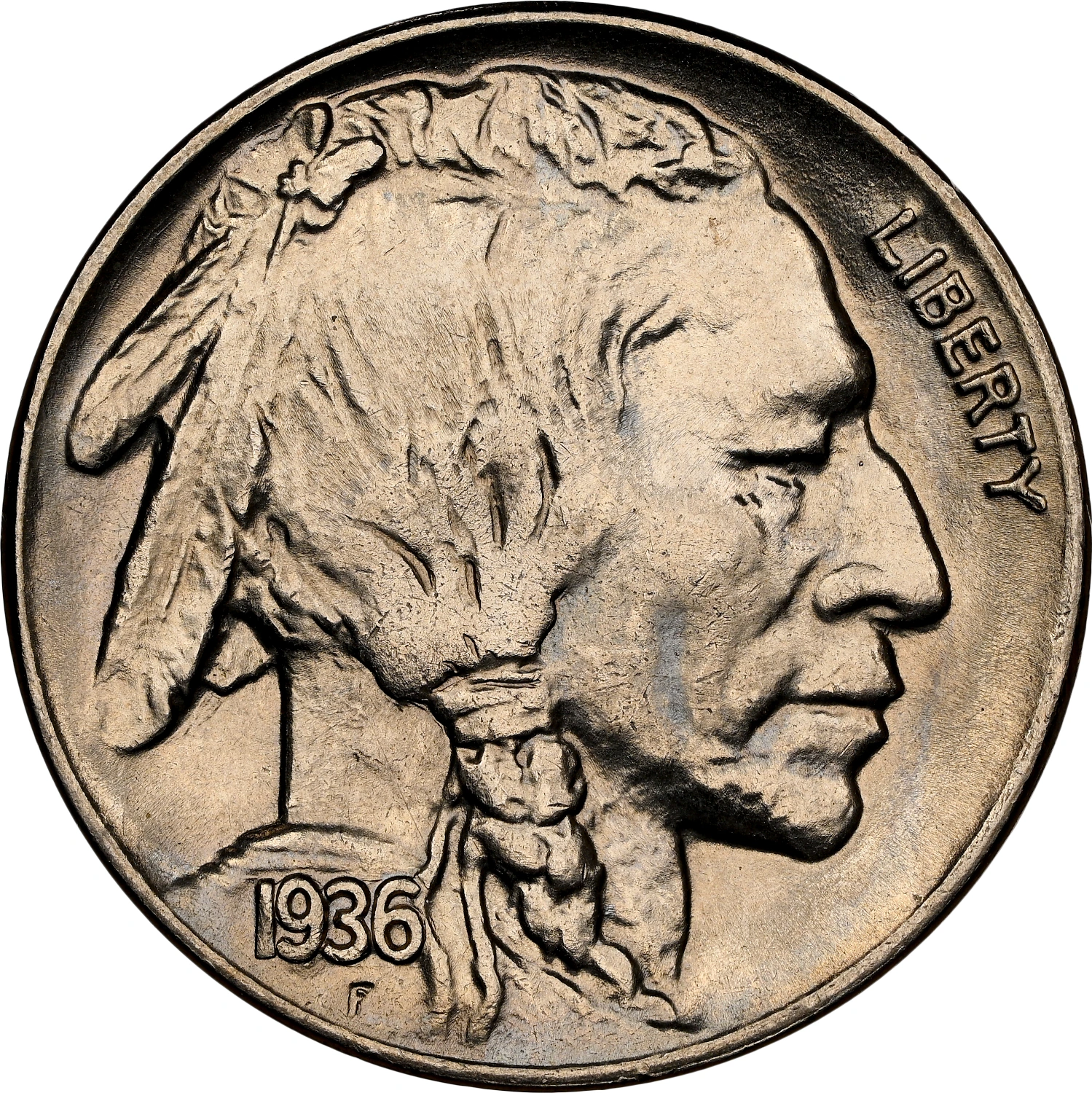
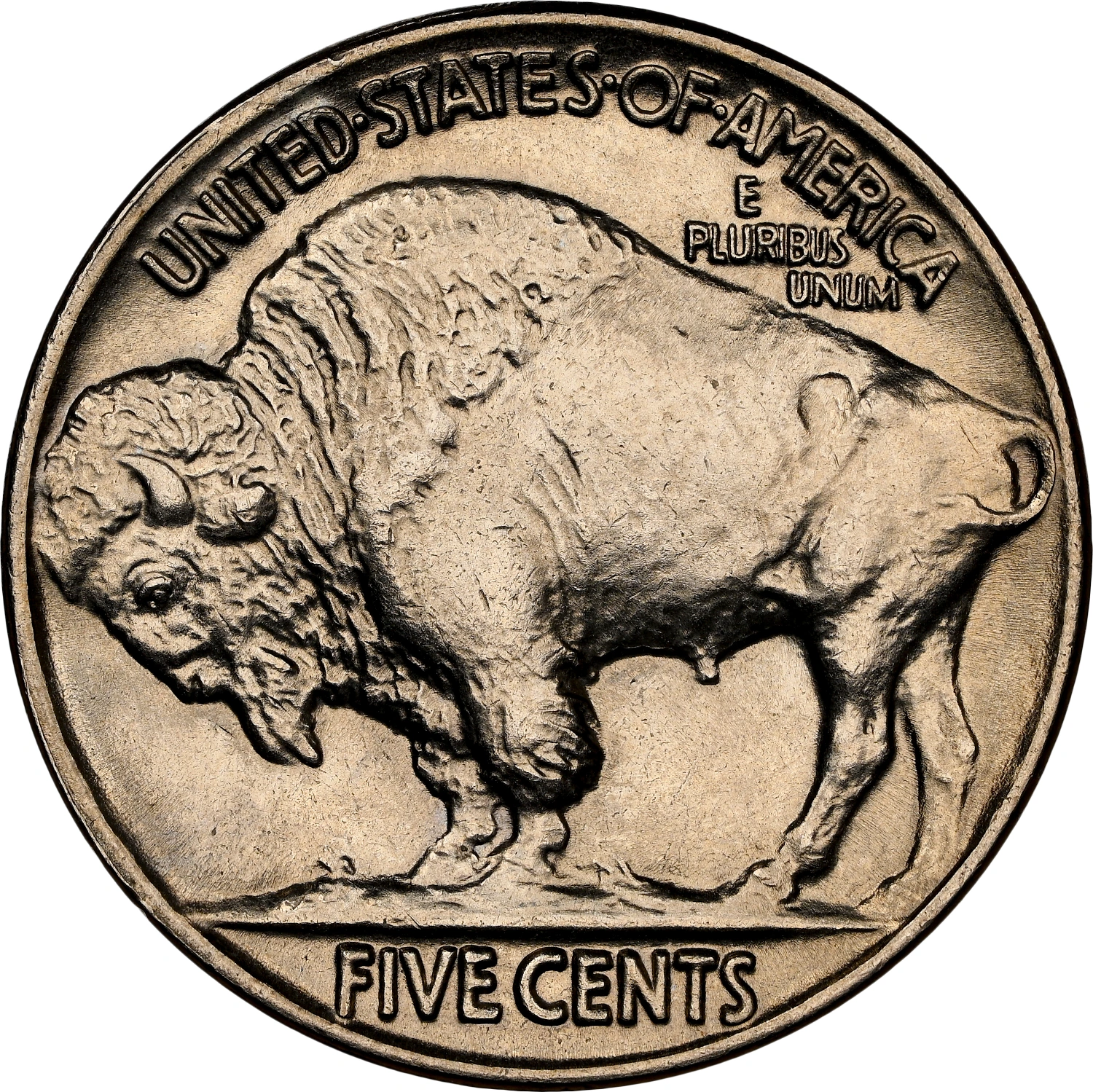
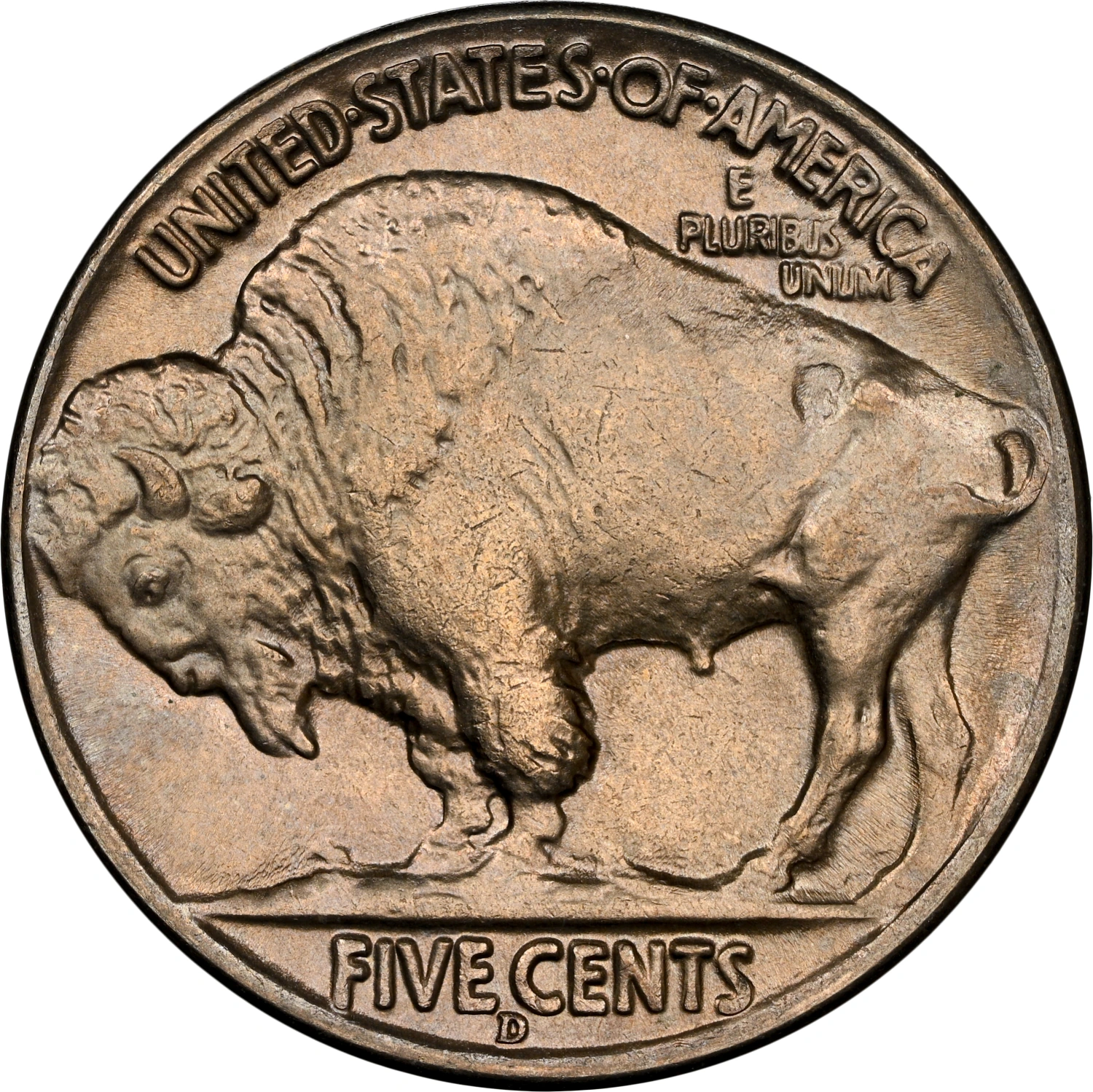
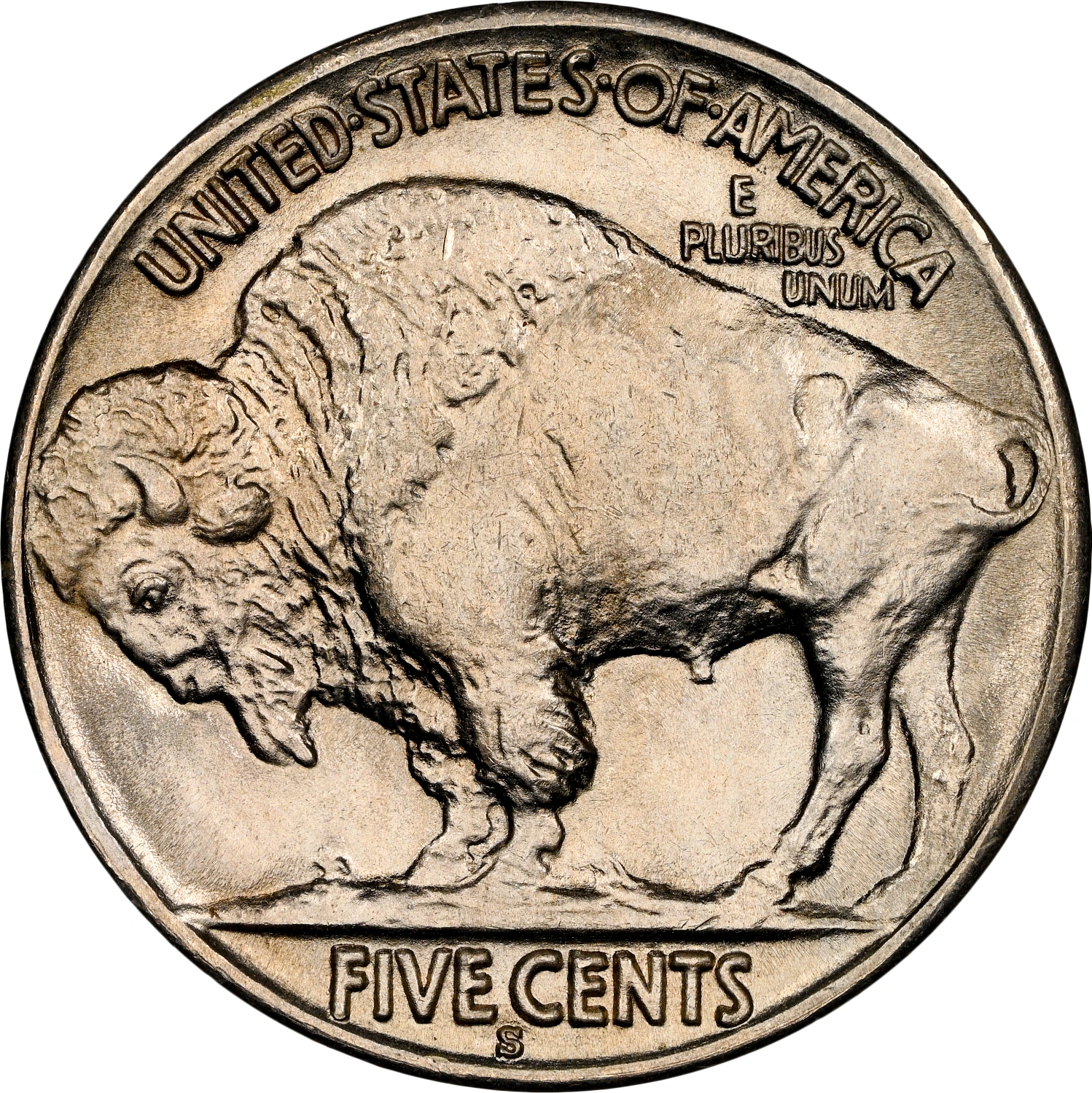
Basics & coin story
James Earle Fraser’s Native American portrait and American bison reverse gave this series its familiar Buffalo nickname. By 1936 it was near the end of its 1913–1938 run, but demand for change produced the series’ largest Philadelphia mintage: 118,997,000. Denver struck 24,814,000 and San Francisco 14,930,000 ordinary examples. Those are issue totals, not the number surviving today.
This year also marked the return of Proof Buffalo nickels after a long gap. Satin and brilliant finishes make 1936 more complex than an ordinary three-mint date set. Start with the Buffalo nickel series guide to recognize the design, then use this page for the 1936 date, mint and manufacture distinctions.
| Feature | What to check |
|---|---|
| Issue | 1936 Buffalo nickel / five cents |
| Designer | James Earle Fraser |
| Standard alloy | 75% copper; 25% nickel |
| Nominal weight / diameter | 5.00 g / 21.2 mm |
| Edge | Plain |
| Regular mints | No mark = Philadelphia; D = Denver; S = San Francisco |
| Mint-mark location | Reverse below FIVE CENTS |
Identification
Read 1936 before assigning a date-specific value
The date sits on the raised shoulder below the portrait and often wears away before the rest of the design. Read all four digits under angled light. If a digit is uncertain, identify it as uncertain; do not sell an indistinct 1930s coin as a confirmed 1936. The small F beneath the date is Fraser’s initial, not a mint mark.
Avoid acid date restoration. It changes the surface and does not turn a dateless coin into a problem-free specimen eligible for the table’s prices.
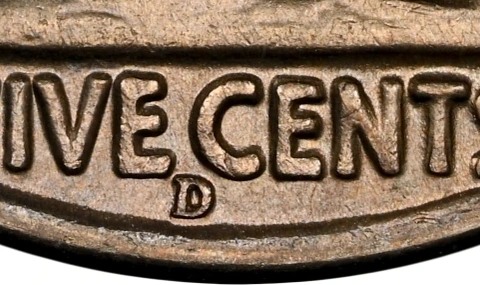
Find D or S below FIVE CENTS
Turn to the bison and inspect the small area below FIVE CENTS. No letter identifies Philadelphia; D is Denver and S is San Francisco. The denomination remains the normal recessed Type 2 arrangement used after the 1913 redesign. Compare the actual letter rather than inferring a mint from color.
The lower production of D and S coins does not automatically create a large premium in every grade. Their published ordinary circulated values overlap substantially. Strike, originality and high-grade availability affect the better-preserved market.
Distinguish 1936-D 3½ Legs from 1937-D Three-Legged
The recognized 1936-D 3½ Legs variety resulted from excessive polishing of a reverse die, weakening part of a foreleg. The better-known 1937-D Three-Legged coin is another date and attribution. A scratched leg, heavy wear or an obscuring stain on a 1936 coin is not equivalent.
Confirm D, the correct date and the documented diagnostic pattern together. This article’s D reverse photograph shows an ordinary comparison coin, not an authenticated 3½ Legs specimen. Philadelphia doubled-die listings likewise need their own die markers; a doubled-looking photo alone is insufficient.
Condition & value
Amounts are in U.S. dollars. The table reports published ordinary-strike guide references, not completed sales or guaranteed offers. The final column is the source row’s own update date (month/day/year); all rows were accessed November 13, 2026. Older guide dates are a limitation, so obtain recent matching sales or offers before a transaction.
MS means Mint State. Proofs and attributed die varieties are excluded.
| Issue | Grade / condition | USD reference | Basis | Guide updated |
|---|---|---|---|---|
| 1936 5C | Good | $1.25 | NGC retail guide | 09/20/2024 |
| 1936 5C | Fine | $3.50 | NGC retail guide | 09/20/2024 |
| 1936 5C | Extremely Fine 40 | $6 | NGC retail guide | 09/20/2024 |
| 1936 5C | MS63 | $50 | NGC retail guide | 09/20/2024 |
| 1936 5C | MS65 | $85 | NGC retail guide | 09/20/2024 |
| 1936 D 5C | Good | $1.25 | NGC retail guide | 09/20/2024 |
| 1936 D 5C | Fine | $3.50 | NGC retail guide | 09/20/2024 |
| 1936 D 5C | Extremely Fine 40 | $6 | NGC retail guide | 09/20/2024 |
| 1936 D 5C | MS63 | $45 | NGC retail guide | 09/20/2024 |
| 1936 D 5C | MS65 | $95 | NGC retail guide | 09/20/2024 |
| 1936 S 5C | Good | $1.25 | NGC retail guide | 09/20/2024 |
| 1936 S 5C | Fine | $3.50 | NGC retail guide | 09/20/2024 |
| 1936 S 5C | Extremely Fine 40 | $6 | NGC retail guide | 09/20/2024 |
| 1936 S 5C | MS63 | $47 | NGC retail guide | 09/20/2024 |
| 1936 S 5C | MS65 | $95 | NGC retail guide | 09/20/2024 |
Use the date and condition together
Good, Fine and Extremely Fine describe different degrees of circulation wear; the guide values are not prices for the same coin under different lighting. Check the portrait’s high points, the bison’s head and shoulder, the horn area and overall luster. Weak original strike may remove detail without circulation, while rubbing interrupts the surface.
A fully readable date is necessary for a straightforward date-and-mint comparison. A restored date, corrosion, scratches or cleaning can change the market category even when the number can be read. See the coin grading scale for grade terminology before deciding whether a Mint State comparison is appropriate.
Separate satin Proofs, brilliant Proofs and errors
A 1936 Proof is a collector-manufactured issue, not simply an ordinary coin with bright surfaces. Satin and brilliant Proofs are separately cataloged. Compare the actual finish and grade with the matching entry; the ordinary MS table below excludes both. Polishing a circulation coin cannot create a Proof.
Likewise, the 3½ Legs designation is not a generic premium for any incomplete leg. Obtain an attribution before considering its specialized market. For ordinary coins, compare several recent completed sales with the same mint, grade and surface quality; a seller’s unsold asking price is not a transaction.
For an initial identification, photograph both faces in even light and record the visible date and mint mark. HeriBase can help organize a photo-based identification; verify important mint, finish and variety details against the references before using a price. An app result is a starting point, not a certified grade, authentication or purchase offer.
Summary
Keep a readable 1936 date, reverse mint mark and manufacturing type together. Ordinary circulated examples usually belong to a modest-dollar collecting market. Preserve the surface, use the grade-specific row, and reserve Proof, doubled-die and 3½ Legs comparisons for properly identified examples.
FAQ
Where is the mint mark on a 1936 Buffalo nickel?
It is on the reverse below FIVE CENTS. No letter is Philadelphia; D is Denver and S is San Francisco.
What is the F below the date?
It is the initial of designer James Earle Fraser. It does not identify a mint or a rare F-mint issue.
Is every 1936-D nickel a 3½ Legs variety?
No. The recognized die-polishing variety needs matching diagnostics. Ordinary Denver coins have the normal leg design; wear, damage and shadows can imitate missing detail.
Is a shiny 1936 nickel a Proof?
Not necessarily. Satin and brilliant Proofs are distinct collector strikes. Luster, polishing or a reflective photograph alone cannot establish Proof manufacture.
References
References and further reading
- NGC: 1936 5C MS specifications, analysis and dated guide
- NGC: 1936 D 5C MS specifications, analysis and dated guide
- NGC: 1936 S 5C MS specifications, analysis and dated guide
- PCGS: Philadelphia specifications and cataloged doubled dies
- PCGS: 1936-D 3½ Legs FS-901 diagnostics
- NGC: 1936 satin Proof issue
- NGC: 1936 brilliant Proof issue
References accessed November 13, 2026. Guide update dates, access dates and historical sale dates are separate. No current dealer offer or independent examination of a reader’s coin is implied.