

 App Store

COIN VALUE GUIDES · PENNY GUIDES
Wheat Penny Key Dates:A Sorting Checklist Beyond the Year Alone
Check the classic Lincoln wheat-cent keys, separate mint-and-initial combinations from doubled dies and identify when authentication matters.
 HeriBase TeamPublished
In this article
Quick answer
The traditional major wheat-cent keys are 1909-S VDB, 1914-D and 1931-S; 1909-S without VDB is another important issue. Read the mint mark as well as the year. A common Philadelphia date is not equivalent to a scarce branch-mint coin.
The 1922 No D, 1955 doubled die and off-metal 1943 cents belong to specialized variety or error categories. They deserve investigation, but should not be mixed with ordinary date-and-mint keys in one undifferentiated price list.
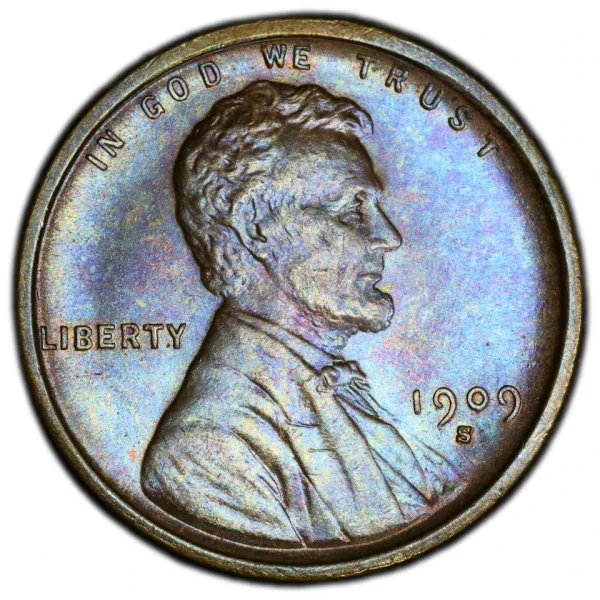
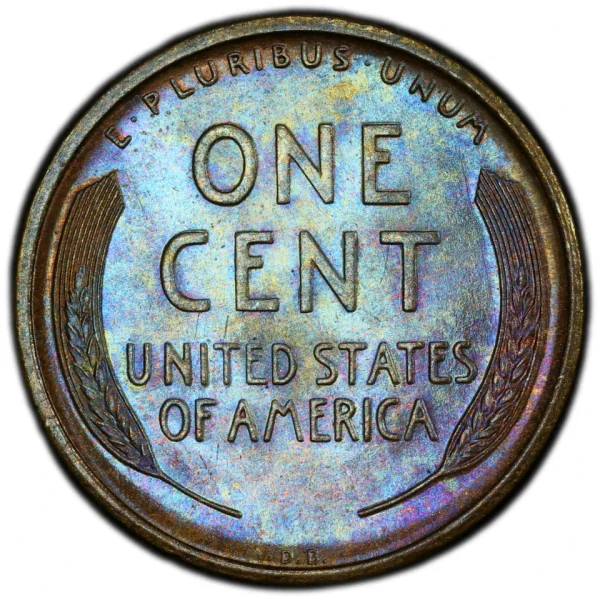
Coin photos
Basics & coin story
The wheat reverse served from 1909 through 1958. Over that span, changes in production and the survival of saved coins created several different reasons for scarcity. A low original output and a shortage of high-grade survivors are related but distinct questions.
The first-year VDB initials are part of the issue identity. For a 1909-S VDB, the S must be on the portrait side and the initials on the reverse. Merely seeing 1909 and VDB does not establish the San Francisco key.
Use the wheat-cent series overview for the full design history and the 1909 VDB guide for that issue. This checklist is a sorting tool rather than another complete series price chart.
| Feature | What to check |
|---|---|
| Design span | 1909–1958 wheat reverse |
| Classic keys | 1909-S VDB, 1914-D, 1931-S |
| Additional important issue | 1909-S without VDB |
| Mint mark | Below the date on the obverse |
| VDB on 1909 issue | Lower reverse; verify together with mint |
| Variety examples | 1922 No D, 1955 doubled die |
| Off-metal category | Authenticated 1943 bronze or other wrong-planchet issues |
| Condition principle | Original surfaces and exact grade matter |
Identification
| Candidate | Identity to establish | Common false comparison |
|---|---|---|
| 1909-S VDB | S on obverse plus genuine reverse initials | 1909 Philadelphia VDB |
| 1909-S | Genuine S; no VDB issue | Any 1909 without initials |
| 1914-D | Unaltered 1914 date and genuine D | Other 1914 mints or changed dates |
| 1931-S | Correct date and S | 1931 Philadelphia or Denver |
| 1922 No D | Recognized die attribution | Any weak, dirty or damaged mint mark |
| 1955 doubled die | Correct strong doubled-die diagnostics | Machine doubling or a blurry image |
Sort before magnifying
Read both sides at normal size first. Write a tentative identity and keep uncertainty visible. This avoids spending time comparing a wrong date with a rare variety close-up.
Keep a suspected key in a separate protective holder and record where it came from. Do not tape it to a note or rub the mint area clean. Original evidence is more useful than a cosmetically improved surface.
Treat the famous exceptions as their own cases
A missing-looking D in 1922 needs a die-specific explanation. A corroded surface or grease-filled area can remove the appearance of a letter without matching the recognized No D variety.
A 1943 cent that looks copper may be plated steel. A magnet and weight are screening aids, not a complete authentication of a valuable bronze claim. The 1943 bronze guide explains the separate question.
Do not confuse mintage with the best investment
A lower production number is not a recommendation to buy. Demand, preservation, authenticity and the number saved affect availability. A circulated key and a pristine common date can each be collectible for different reasons.
Condition & value
USD references checked October 29, 2026. Face value is the denomination; a guide estimate is not a completed sale or purchase offer. Where a matched current price was not verified, use the issue-specific comparison described below.
| Issue | Grade / condition | Value or reference | Basis | Important condition |
|---|---|---|---|---|
| Classic key date | Genuine issue and exact grade | Matched completed sales | Date-and-mint scarcity | No universal price for all grades |
| Semi-key | Exact date and mint | Issue-specific comparison | Relative availability | Lists vary with collection goal |
| 1922 No D or 1955 doubled die | Attribution established | Same variety records | Die variety | Not a normal-date price |
| Off-metal cent | Authenticated composition | Same error type | Mint error | Color is insufficient |
| Common worn wheat cent | Ordinary issue | No verified bulk premium supplied | Collector lot context | Not valued by a key-date chart |
A sorting checklist can help protect an interesting coin from being spent, but it cannot grade it. For a potential sale, record wear, stains, scratches and any cleaning. Problem surfaces can change the relevant comparison sharply.
When a guide uses RD, RB or BN, it is describing a color category on eligible copper coins. Do not remove toning to chase a designation. An original brown key may be more appropriate to collect than a bright altered coin.
The 1955 cent guide separates the famous doubled die from ordinary cents. Use those focused pages after the checklist has identified the right branch of the research.
Summary
Match date, mint and any required initials before calling a wheat cent a key. Keep varieties and wrong-metal errors in separate categories, preserve original surfaces and seek authentication for costly claims.
FAQ
What are the big three wheat-cent keys?
The traditional major keys are 1909-S VDB, 1914-D and 1931-S.
Is every 1909 VDB penny the rare one?
No. The San Francisco key also needs a genuine S on the obverse.
Is any 1922 penny without a visible D valuable?
No. A recognized No D attribution requires more than a missing-looking mark.
Should I clean a suspected key?
No. Cleaning can damage surfaces and obscure evidence needed for authentication.
References
References and further reading
References consulted October 29, 2026. Price tables retain the update dates stated in the text; guide estimates, face values and completed transactions are different forms of evidence.