

 App Store

COIN VALUE GUIDES · PENNIES
1909 VDB Penny Value:Philadelphia vs. S-VDB and What to Check
Compare 1909 VDB and S-VDB penny values, find the initials and mint mark, and avoid confusing regular cents with key-date or Proof issues.
 HeriBase TeamPublished Updated
In this article
What is a 1909 VDB penny worth?
A 1909 VDB penny without an S and a 1909-S VDB are very different coins. The PCGS Brown regular-strike guide checked October 20, 2026 lists Philadelphia VDB at $18 in G4 and $20 in EF40; S-VDB is $875 and $1,500 in those grades. These are retail estimates for genuine, problem-free examples, not guaranteed offers.
Find V.D.B. at the bottom of the reverse, then check for S below the date on the front. Philadelphia struck 27,995,000 VDB cents; San Francisco struck 484,000. Red, Red-Brown, Proof and altered coins must not be priced using the Brown regular-strike rows.
Watch: 1909 VDB Penny Value
1909 VDB and S-VDB: compare both sides
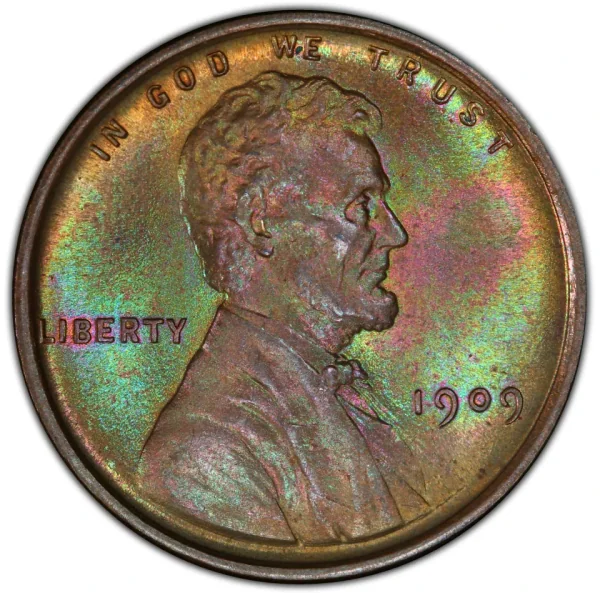
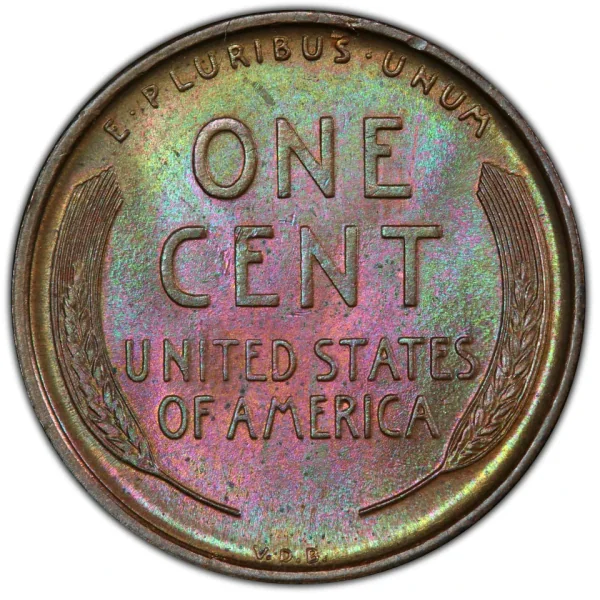
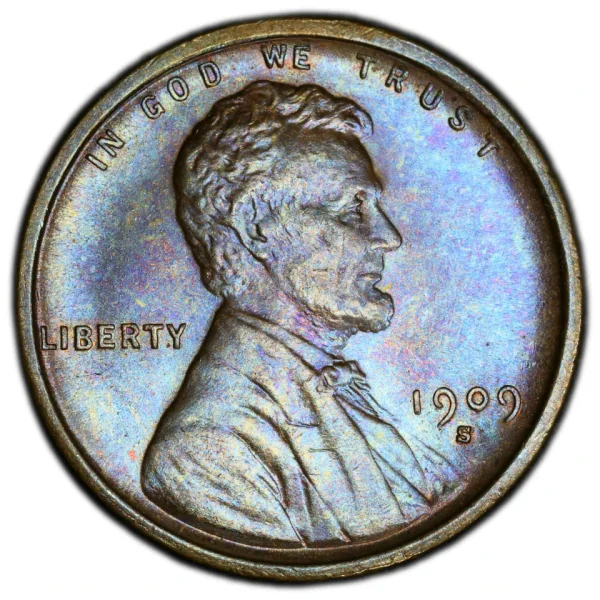
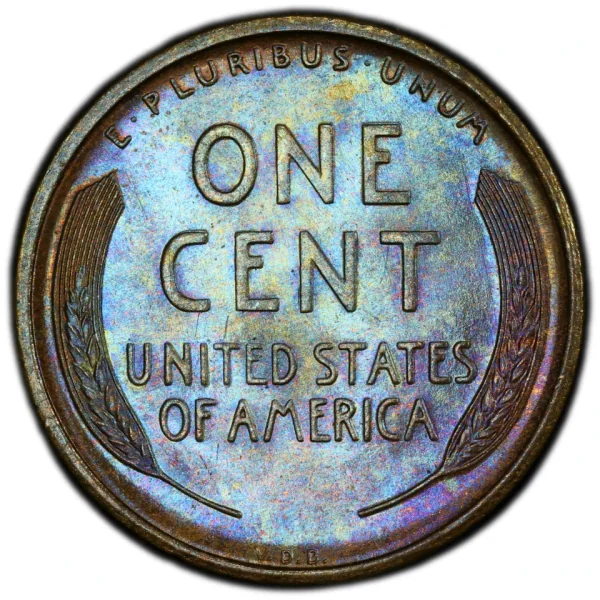
The initials behind a first-year collecting story
| Feature | What to check |
|---|---|
| Designer | Victor D. Brenner |
| Normal standard | 3.11 g; approximately 19 mm; plain edge |
| Metal | 95% copper with tin and zinc |
| Philadelphia VDB mintage | 27,995,000 |
| San Francisco VDB mintage | 484,000 |
The Lincoln cent debuted in 1909, the centennial year of Lincoln’s birth. Brenner’s initials appeared prominently at the bottom of the wheat reverse on the first issues. Their removal during the year created separate with-initials and without-initials coins, rather than one uniform 1909 penny.
The small San Francisco VDB production became a famous collecting hurdle. Philadelphia’s much larger issue preserved a more accessible way to own the first design. This historical difference is why VDB alone cannot justify an S-VDB price. The wheat penny series guide places the change in the wider chronology.
Distinguish the four ordinary 1909 combinations
| Issue | Obverse mark | Reverse initials | Meaning | Price scope |
|---|---|---|---|---|
| 1909 VDB | None | V.D.B. | Philadelphia first issue | Use VDB Philadelphia row |
| 1909-S VDB | S | V.D.B. | San Francisco first issue | Authenticate key-date features |
| 1909 without VDB | None | Absent | Philadelphia revised reverse | Separate issue; not this VDB table |
| 1909-S without VDB | S | Absent | San Francisco revised reverse | Separate issue; not S-VDB |
Check both sides before accepting the label
A genuine S on a no-VDB coin does not make it S-VDB. Likewise, genuine initials on a Philadelphia cent do not establish San Francisco origin. Added mint marks and altered initials are known authentication risks; weight alone cannot exclude them.
Proof is a different production method
A 1909 VDB Matte Proof is a specialist issue. A dull surface, sharp edge or attractive color on an ordinary cent is not enough to identify it. The value table below deliberately excludes Proofs. Consult a specialist before assigning a Proof attribution.
Inspect the lower reverse and date area under magnification without scraping. If either feature is unclear, take close photographs and use the coin appraisal guide before buying or selling as a key date.
1909 VDB vs. S-VDB price comparison
PCGS retail guide estimates in US dollars, checked October 20, 2026. These are references for genuine, problem-free coins in the stated grade, not auction results or guaranteed offers. Cleaned, damaged and incorrectly graded coins need different comparisons.
This table uses the Brown (BN) color designation. G4, VF20 and EF40 are circulated grades; MS63 is Mint State. Original Red and Red-Brown coins have different references.
| Issue | G4 BN | VF20 BN | EF40 BN | MS63 BN |
|---|---|---|---|---|
| 1909 VDB | $18 | $19 | $20 | $55 |
| 1909-S VDB | $875 | $1,300 | $1,500 | $2,750 |
Preserve the surface before comparing
Do not polish a brown cent to make it look red. Original color, luster, spots, scratches and cleaning affect marketability independently of sharp detail. A raw coin is not automatically the grade shown in a seller’s description.
Use the coin grading scale to separate wear from Mint State marks. For a possible important variety, photograph the date, mint mark and both complete sides, then use the appraisal checklist before paying certification costs.
Certification is particularly relevant to an S-VDB transaction because the identification premium is substantial even in lower grades. Verify the holder and the coin together, and compare sold examples with the same surface status. A cleaned or damaged genuine coin may not realize the straight-grade guide amount.
1909 penny worth: what if the VDB initials are absent?
The broader query 1909 wheat penny value includes coins without VDB, not only the two VDB issues priced here. Read the lower reverse carefully, then check for an obverse S. The four normal mint-and-initials combinations are separate collecting entries. A genuine 1909-S without initials must not inherit a 1909-S VDB valuation.
If the lower reverse is worn, dark or obscured, record the initials as uncertain rather than declaring a rare variety. Take an evenly lit photograph of the entire reverse and a focused detail. Do not rub the area to reveal letters: damage can reduce the coin’s marketability and still leave the attribution unresolved.
For a no-VDB coin, look up the exact 1909 or 1909-S regular-strike entry, then match grade, Brown/Red-Brown/Red designation and surface status. The VDB price table above applies only to its named rows. An auction result for a Matte Proof or an original Red Mint State coin is not evidence for an ordinary worn no-VDB cent. The wheat-cent series guide helps place all four first-year issues in a collection.
1909 penny value without VDB: Philadelphia versus S
| Issue and designation | G4 BN | VF20 BN | MS63 BN |
|---|---|---|---|
| 1909 Philadelphia, no VDB | $4 | $6 | $45 |
| 1909-S, no VDB | $90 | $150 | $450 |
The initials and mint mark answer different questions. A 1909-S without VDB is a separate issue from the famous 1909-S VDB, and it also differs sharply from the ordinary Philadelphia no-VDB cent. These Brown-designation comparisons give the broader 1909 penny query a usable baseline without borrowing a VDB rarity price.
Checked October 23, 2026 against the exact PCGS issue entries. These are retail guide estimates for problem-free coins, not completed sales or guaranteed buying offers.
VDB is only half of the identification
Read the initials and mint mark together. Philadelphia VDB is an accessible first-year issue; genuine S-VDB is a key date with a very different price scale. Keep Proofs, color designations and problem coins separate, and authenticate a suspected S-VDB before relying on its premium.
Frequently asked questions
What does VDB mean on a penny?
VDB stands for Victor David Brenner, the designer of the Lincoln cent. On 1909 VDB cents the initials appear near the bottom of the reverse.
Is every 1909 VDB penny rare?
No. Philadelphia struck 27,995,000 VDB cents. The 1909-S VDB is a separate issue with a mintage of 484,000.
Where is the S on a 1909-S VDB?
It is below the date on the obverse. The reverse must also have genuine VDB initials.
Can weight prove a 1909-S VDB is genuine?
No. An ordinary genuine cent with an added mint mark can still weigh correctly. The mint mark, initials and other diagnostics need authentication.
Can I use a 1909-S VDB price for a 1909-S without VDB?
No. The 1909-S with VDB and the 1909-S without VDB are separate issues. Confirm the reverse initials as well as the obverse mint mark, then use a price matching the exact issue, grade, color designation and surface condition.
References
Sources
Research checked October 20, 2026. Any price example retains its stated source date and scope.
- PCGS CoinFacts: 1909VDBIssue specifications, collecting history and grade-specific retail estimates.
- PCGS CoinFacts: 1909SVDBIssue specifications, collecting history and grade-specific retail estimates.
- PCGS: removal of VDB and separate first-year issues
- PCGS CoinFacts 2429: exact issue guide checked October 23, 2026
- PCGS CoinFacts 2432: exact issue guide checked October 23, 2026