

 App Store

COIN ERRORS & VARIETIES
Top 10 U.S. Error Coins & Varieties: Photos and Auction Prices
Compare ten selected U.S. error coins and die varieties, from No P dimes to bronze cents, with real photos, identification clues and dated auction results.
 HeriBase Team
Published
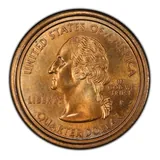
In this article
Which U.S. error coins are worth checking?
Valuable U.S. error coins include wrong-planchet strikes, mismatched-die mules and specific die varieties such as doubled dies. Most ordinary coins bearing these dates remain ordinary coins: the feature, mint, condition and authenticity must match before a rare-coin price applies.
This Top 10 orders ten selected examples by the dated auction results shown below, from $2,185 to $601,875. These are historical specimen sales, not current prices for pocket change or a complete ranking of every U.S. error coin. Ordinary cents, nickels, dimes, quarters and dollars start with their denominations, not these exceptional results.
Watch: the HeriBase error-coin list
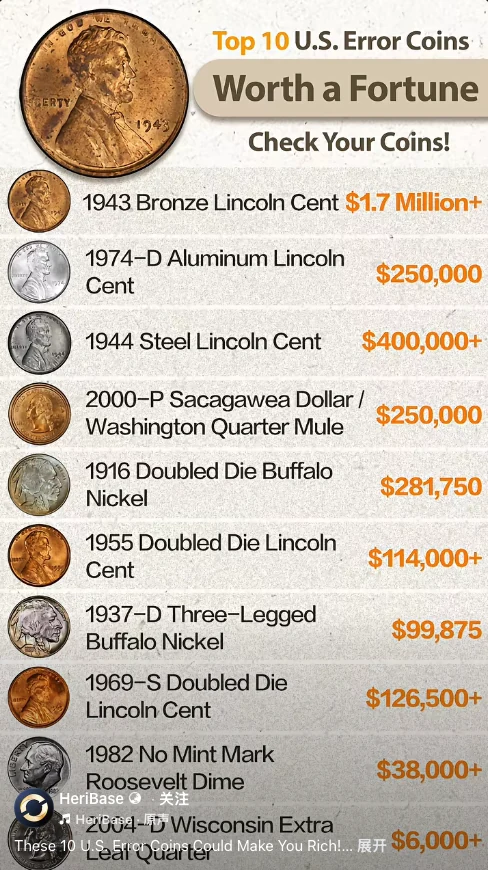
The video is a promotional overview. This article checks specific dated sales instead of repeating its headline prices, and replaces the 1974-D aluminum experiment with the 1972 doubled die. See the aluminum-cent exception before treating a video list as a buying guide.
Top 10: specimen photos and what to check
“Error coin” is often used broadly in collecting. Wrong-planchet strikes and mules are minting errors; doubled dies and the Wisconsin extra-leaf features are attributed die varieties. Keep those mechanisms distinct even when they appear in the same list.
- #1
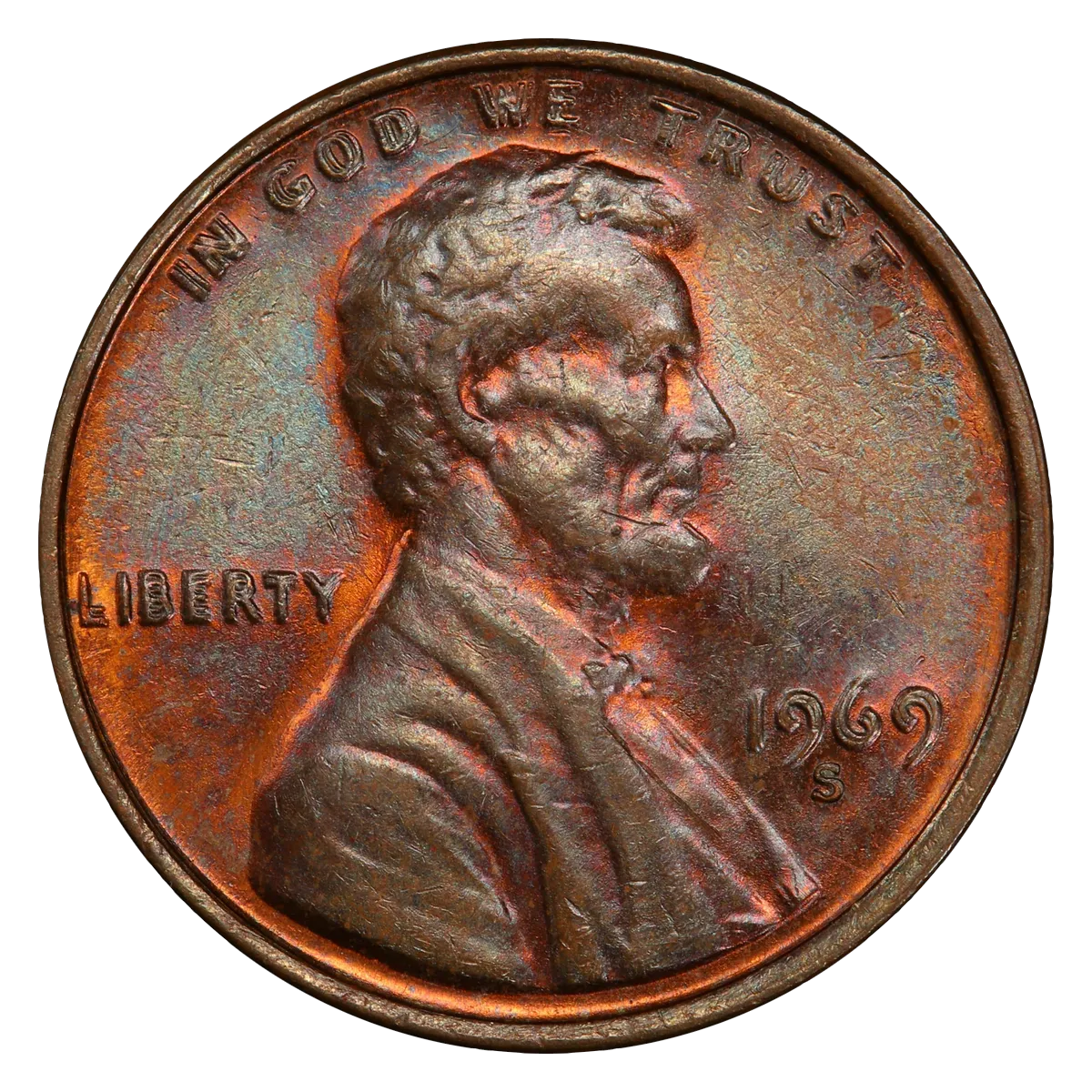
1. 1969-S Doubled Die Obverse cent
$601,875
Look for strong separated obverse lettering and date; the S mint mark was added separately to the die.
The major 1969-S doubled die is a specific rare variety, not a description of every S-mint penny. Flat, shelf-like machine doubling should not inherit its price. The January 2023 sale belongs to an exceptional MS66 Red specimen. The $126,500 figure in the video refers to a different, earlier MS64 Red sale; mixing those conditions would mislead a seller.
- #2
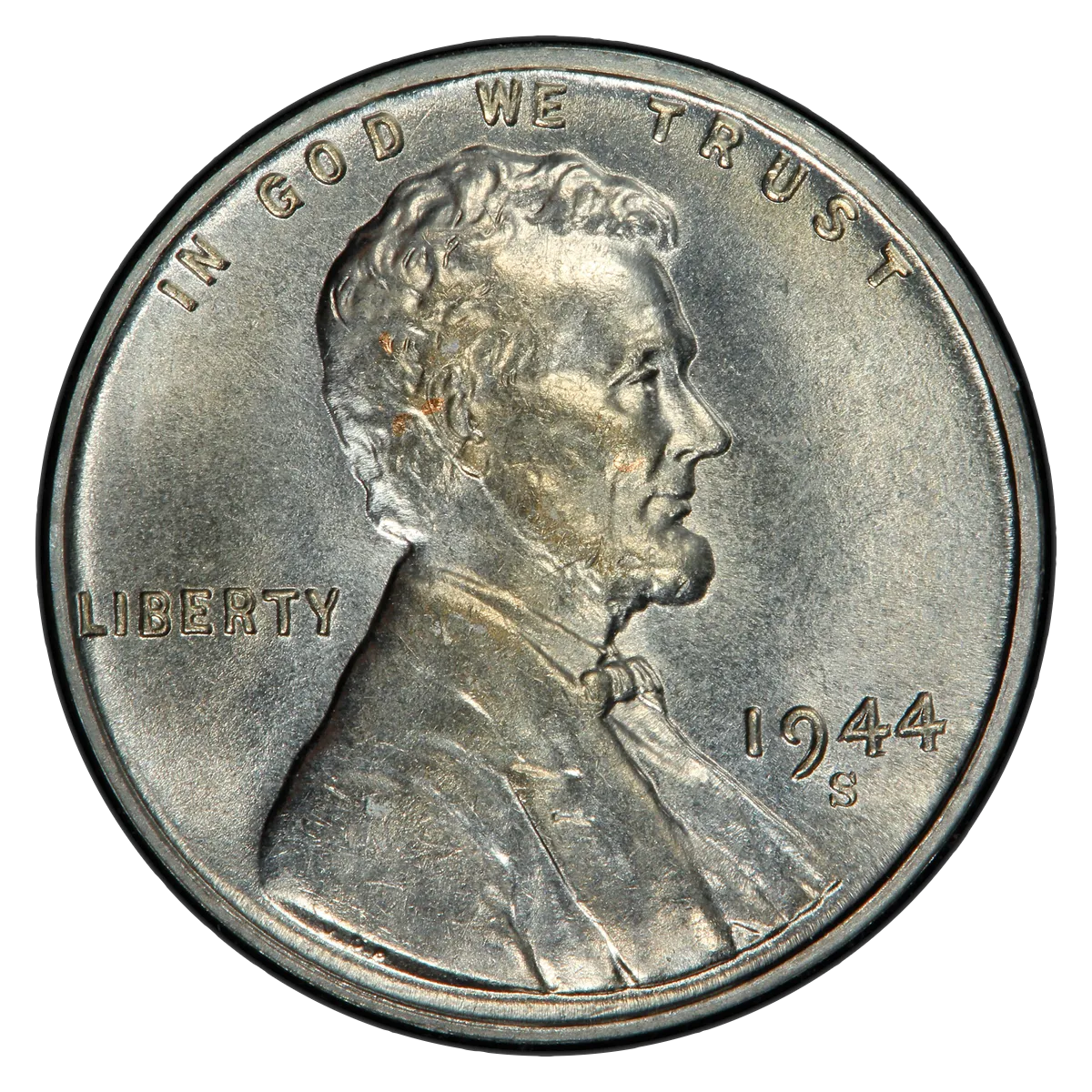
2. 1944-S steel cent
$408,000
Confirm both 1944 and S; the steel blank should be magnetic and near the 2.70 g standard.
This is the reverse of the familiar 1943 bronze story: a steel blank carried into a year normally associated with copper-alloy cents. The S identifies the San Francisco issue, so a no-mark or D coin is not the same comparison. A silvery coating on an ordinary 1944 cent does not establish a steel planchet. Have the alloy and attribution checked.
- #3
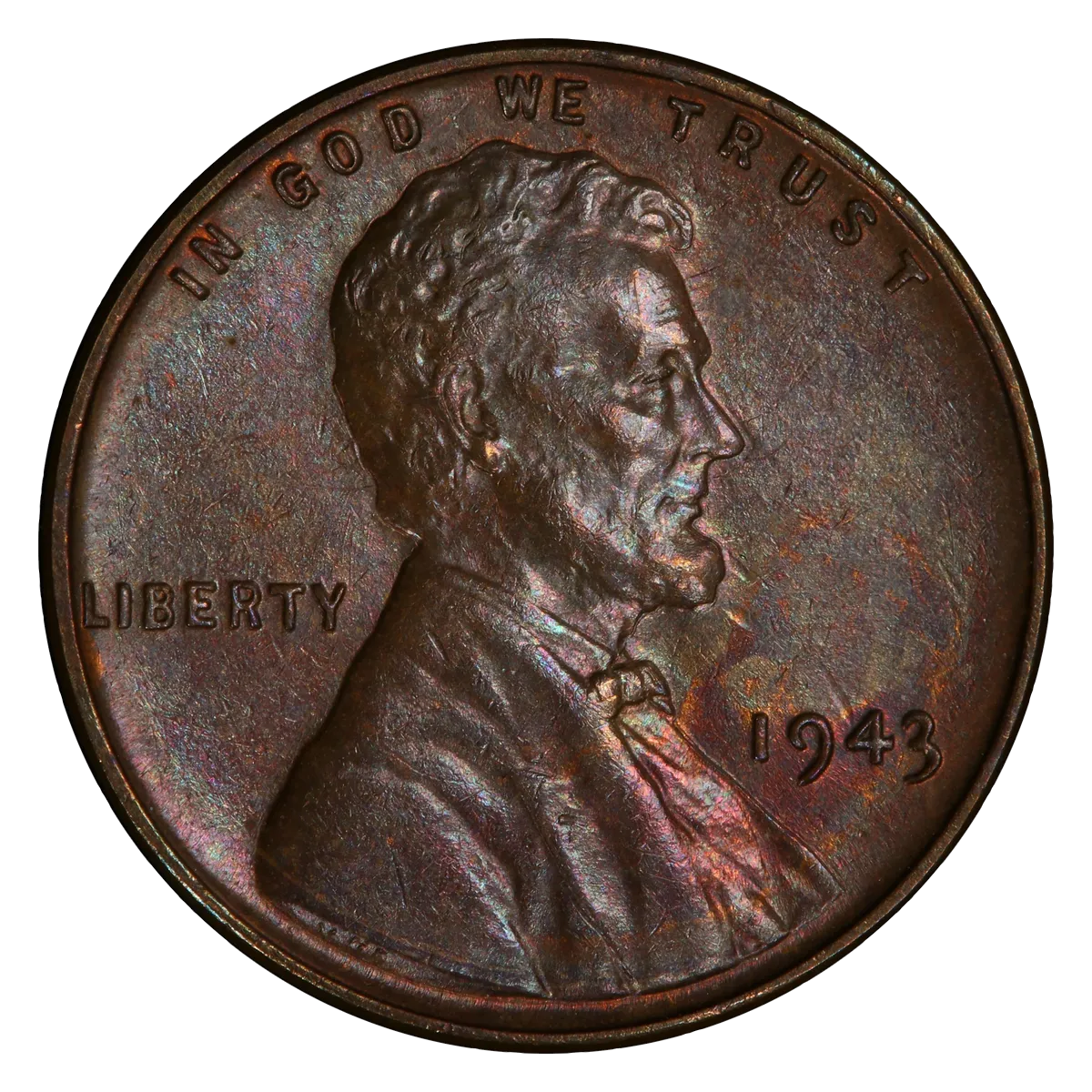
3. 1943 Philadelphia bronze cent
$372,000
Read the complete 1943 date, then check for nonmagnetic bronze and approximately 3.11 g before specialist testing.
Most 1943 cents were made on zinc-coated steel blanks during the wartime metal change. A bronze blank struck with 1943 dies is the important exception. Copper plating can make a normal steel cent look brown, and an altered date can imitate the year. Magnet and weight checks are useful screening steps, not final authentication.
- #4
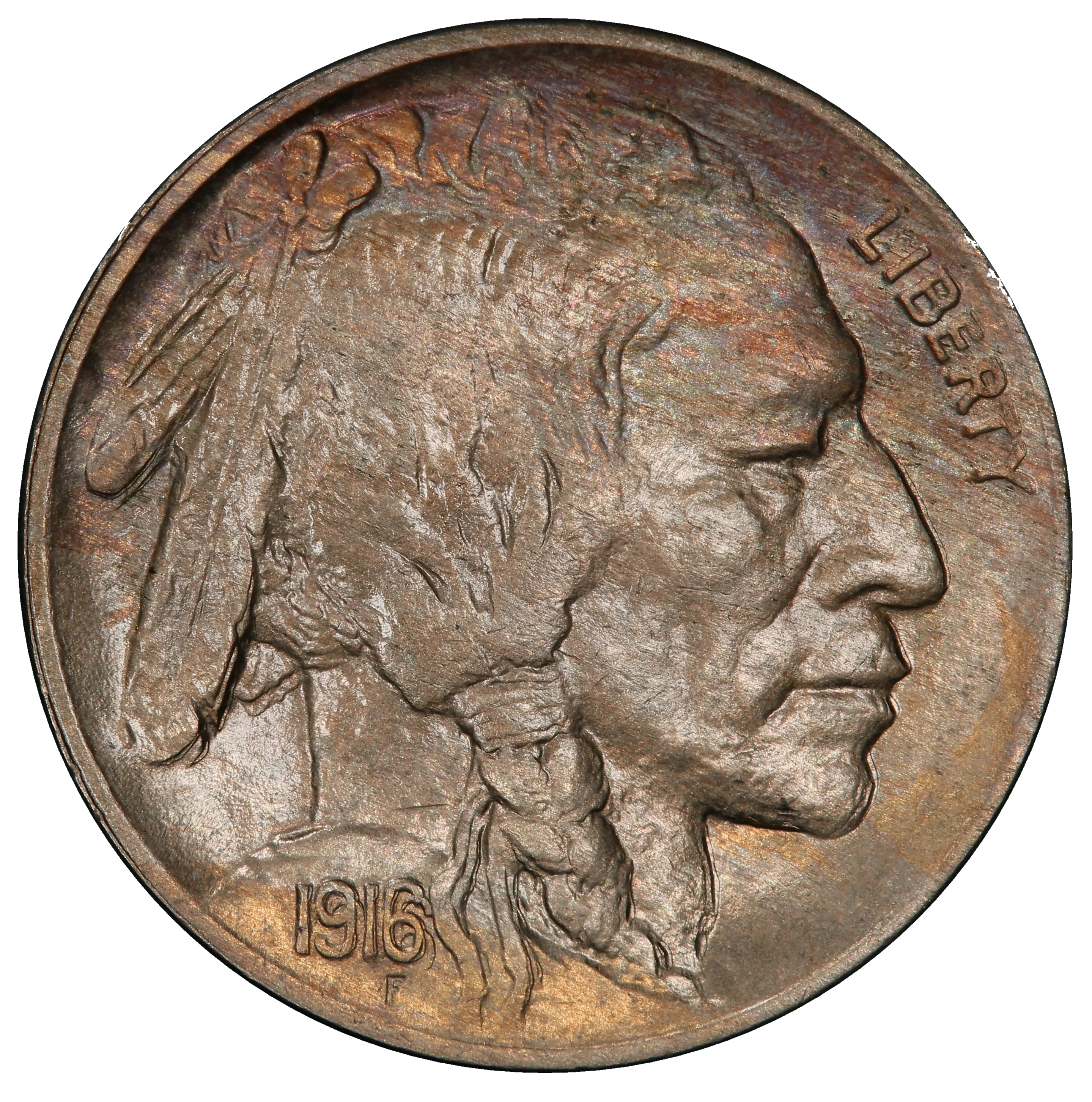
4. 1916 Doubled Die Obverse Buffalo nickel
$281,750
Compare the doubled date digits on the portrait side with an attributed 1916 DDO reference.
A doubled die originates during die manufacture, so the repeated design belongs to the die rather than being a second strike of one coin. The Buffalo nickel’s raised date is vulnerable to wear, making complete date and variety attribution essential. A dateless nickel cannot be assigned this record simply because part of its shoulder looks doubled.
- #5
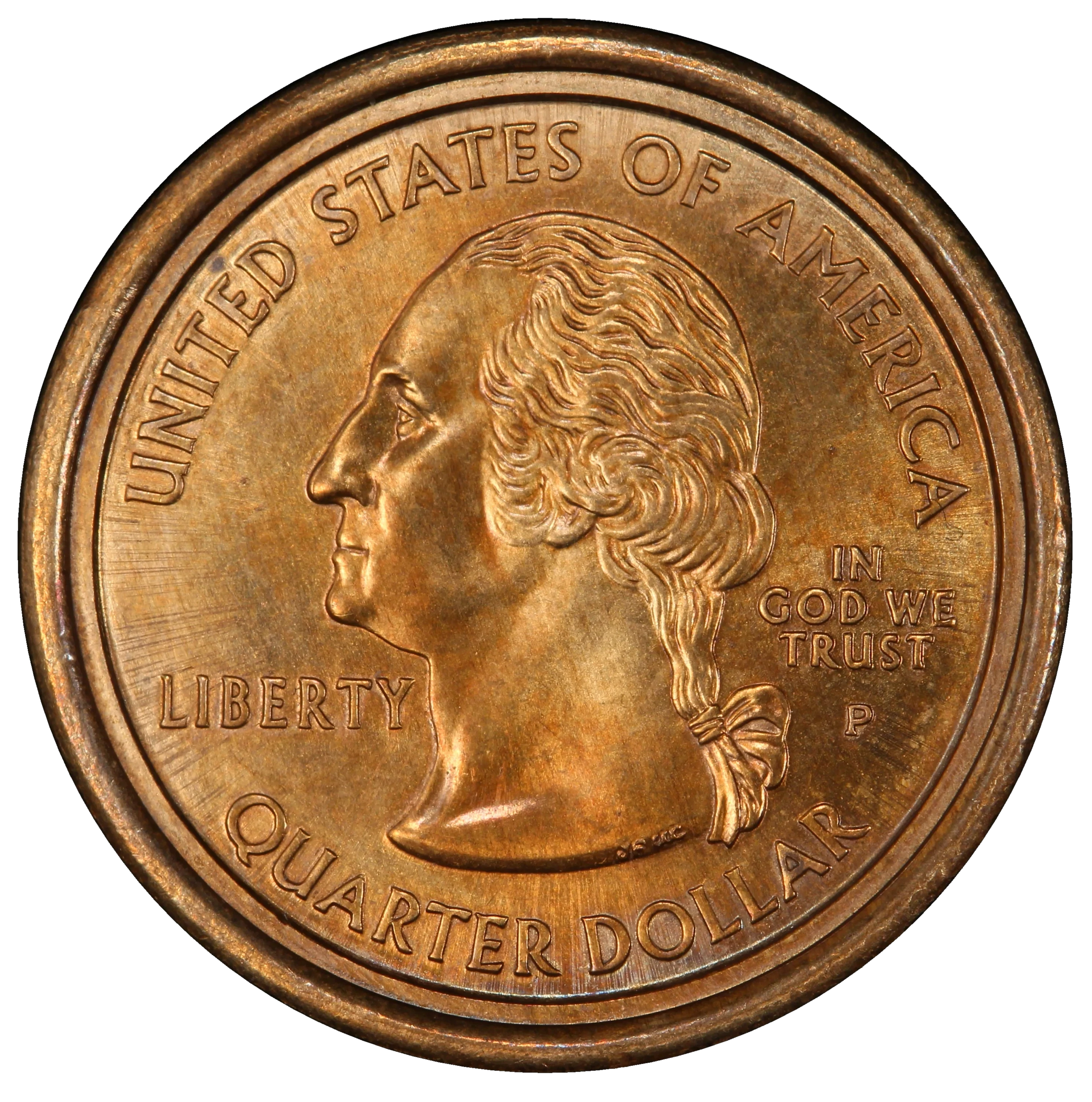
5. 2000-P Sacagawea dollar / Washington quarter mule
$192,000
A Washington quarter obverse is paired with a Sacagawea eagle reverse on a dollar planchet; inspect both sides.
A mule combines dies not intended to be paired. The pictured Washington portrait on a gold-colored dollar is the first clue, but the other face and the coin’s physical characteristics must agree. An ordinary Sacagawea dollar, a Cheerios reverse and a Wounded Eagle variety are different things. The quoted result is for a specific authenticated mule, not any golden dollar.
- #6
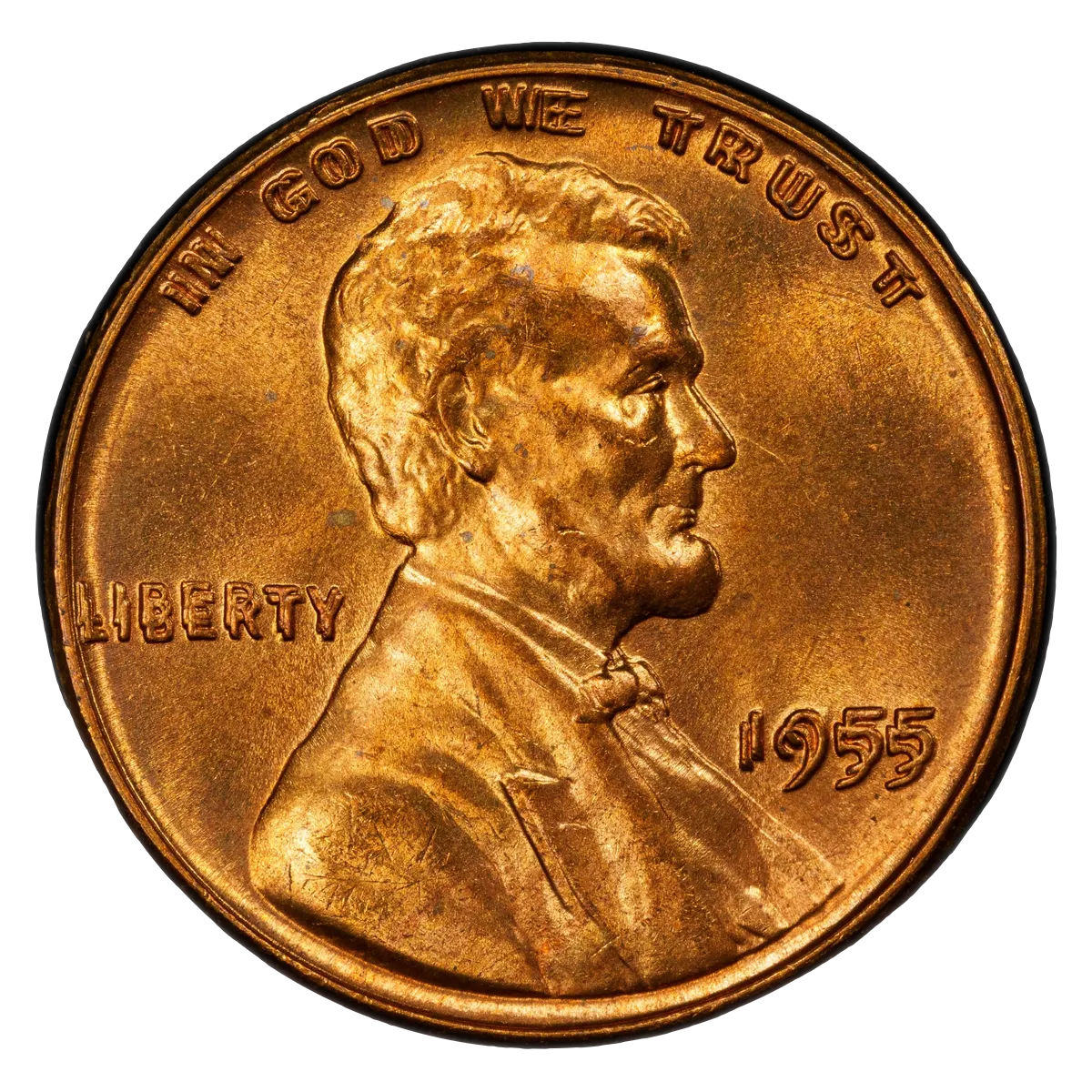
6. 1955 Doubled Die Obverse cent
$114,000
Compare the strongly separated date, LIBERTY and IN GOD WE TRUST; ordinary D and S coins are different issues.
The major Philadelphia variety has conspicuous doubling across several obverse elements. A thick final digit on an ordinary cent does not reproduce that pattern. RD describes retained red copper color; it is not a result to achieve by cleaning. A circulated or Brown example belongs in a different value comparison from the red Mint State specimen cited here.
- #7
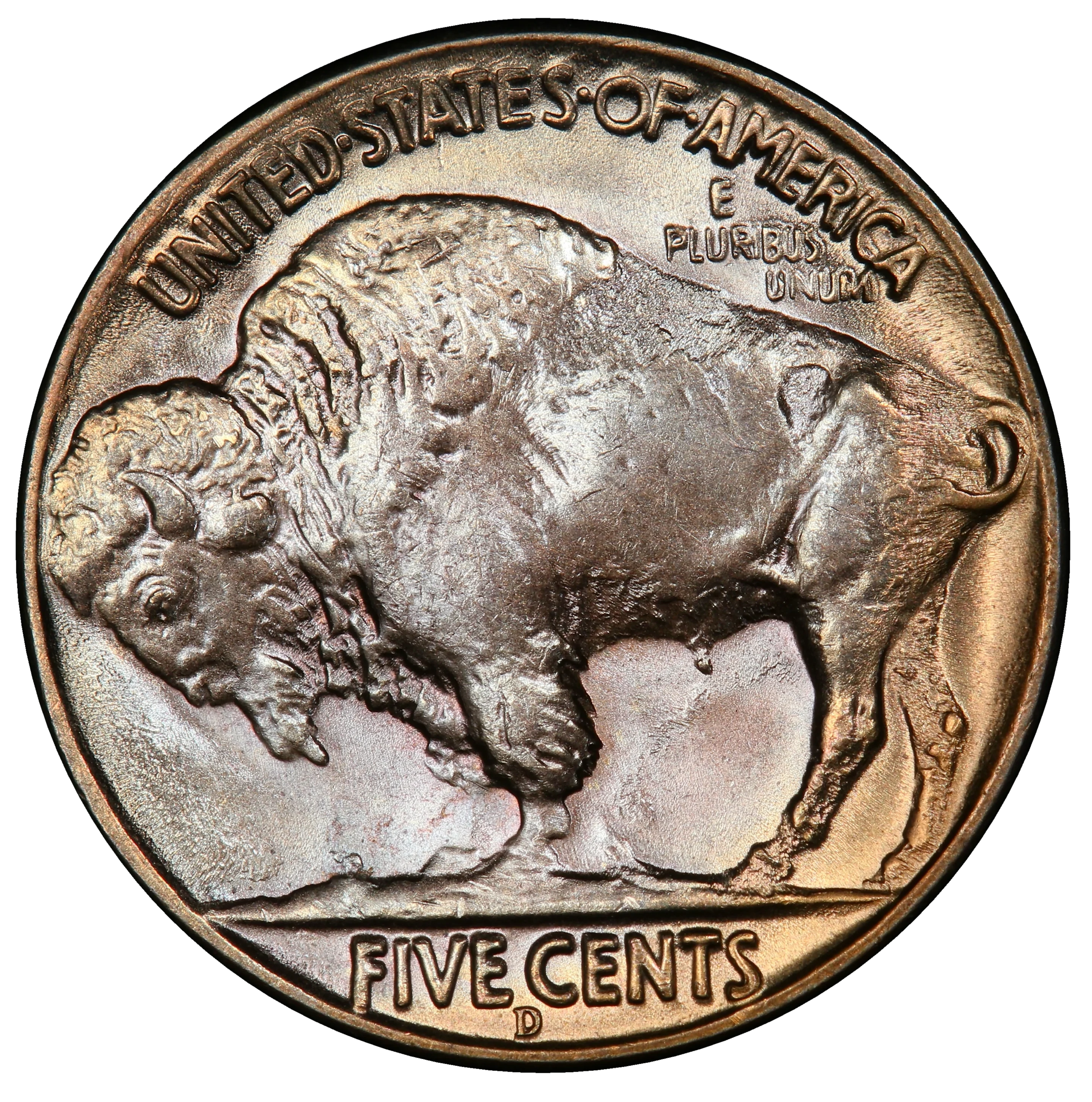
7. 1937-D Three-Legged Buffalo nickel
$99,875
Inspect the missing front foreleg together with the surrounding genuine die features; do not rely on leg count alone.
This famous variety resulted from die work, not an animal with a different design. Altering a normal nickel by removing a leg can imitate its most obvious feature. Confirm the date and Denver mint mark as well as the reverse diagnostics. Worn surfaces can hide important evidence, so a tempting silhouette deserves examination rather than immediate authentication.
- #8
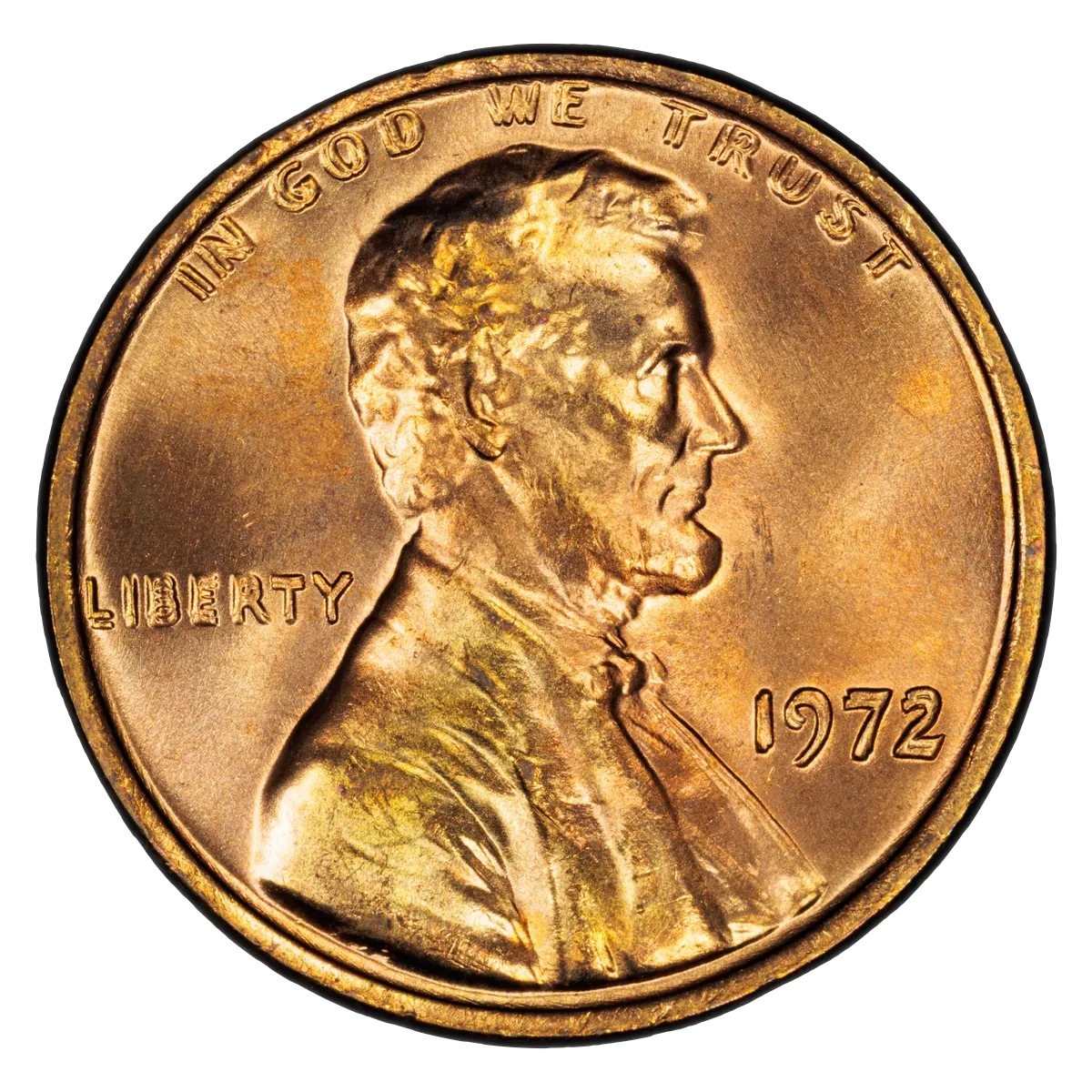
8. 1972 Doubled Die Obverse cent — Die 1
$14,400
Look for a second rounded outline in LIBERTY, the motto and date; no mint mark is normal.
Die 1, commonly attributed as FS-101, is the dramatic Philadelphia doubled die. Other 1972 dies show different patterns, and flat machine doubling is a separate phenomenon. Match several design elements before choosing a price comparison. This verified variety replaces the experimental aluminum cent in our collectible selection.
- #9
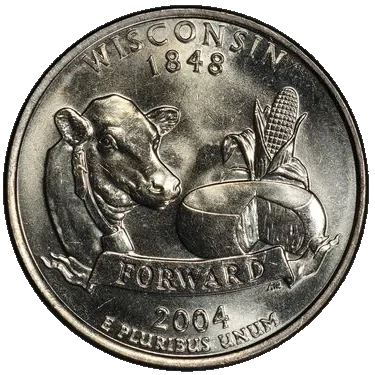
9. 2004-D Wisconsin Extra Leaf Low quarter
$2,220
Check the extra curved feature beside the corn husk on the reverse; this photo is Extra Leaf Low, not High.
Establish the D mint mark on the portrait side, then compare the reverse corn detail with the correct Extra Leaf Low reference. Extra Leaf High and Low are distinct attributed varieties, not interchangeable price labels. A random gouge through the corn is not enough. The regular Wisconsin quarter has the same main cow, corn and cheese design.
- #10
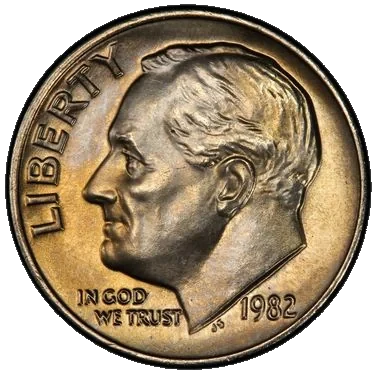
10. 1982 No P Roosevelt dime — Strong
$2,185
Confirm 1982 and a genuinely absent P above the date; the photographed coin is an attributed Strong-strike example.
Philadelphia Roosevelt dimes of this period should carry P. The recognized No Mintmark issue is different from the normal absence of a mint mark on many older U.S. coins. Check the expected field for abrasion, then compare the complete strike and an attributed reference. Strong and Weak are separate comparison groups.
Ten selected historical sales, compared
The countdown is limited to this selection and uses published realized totals as reported by the cited sources. It does not normalize market changes, premiums or seller fees across auctions. It is not an investment forecast, a current retail chart or a seller’s net-payment estimate. Photos are attributed reference specimens and are not necessarily the coins in the cited sales.
| Selected coin / variety | Quoted result | Grade | Date and auction firm | Price type |
|---|---|---|---|---|
| #1 1969-S Doubled Die Obverse cent | $601,875 | PCGS MS66RD | 2023-01 · GreatCollections | Historical specimen sale |
| #2 1944-S steel cent | $408,000 | PCGS MS66 | 2021-08-22 · Heritage Auctions | Historical specimen sale |
| #3 1943 Philadelphia bronze cent | $372,000 | PCGS MS62BN | 2021-02-25 · Heritage Auctions | Historical specimen sale |
| #4 1916 Doubled Die Obverse Buffalo nickel | $281,750 | PCGS MS64 | 2004-08-14 · Bowers & Merena | Historical specimen sale |
| #5 2000-P Sacagawea dollar / Washington quarter mule | $192,000 | PCGS MS67 | 2018-03-21 · Stack’s Bowers | Historical specimen sale |
| #6 1955 Doubled Die Obverse cent | $114,000 | PCGS MS65+RD | 2018-03-21 · Stack’s Bowers | Historical specimen sale |
| #7 1937-D Three-Legged Buffalo nickel | $99,875 | PCGS MS66+ | 2021-10-28 · Legend Rare Coin Auctions | Historical specimen sale |
| #8 1972 Doubled Die Obverse cent — Die 1 | $14,400 | PCGS MS67+RD | 2019-06-09 · Heritage Auctions | Historical specimen sale |
| #9 2004-D Wisconsin Extra Leaf Low quarter | $2,220 | PCGS MS67 | 2019-01-14 · Heritage Auctions | Historical specimen sale |
| #10 1982 No P Roosevelt dime — Strong | $2,185 | PCGS MS68 | 2004-05-05 · Heritage Auctions | Historical specimen sale |
Why the 1974-D aluminum cent is outside this Top 10
The video includes a 1974-D aluminum experimental cent. The U.S. Mint announced on March 17, 2016 that it had recovered a specimen that was neither authorized to be struck nor authorized to leave the Mint. That history makes it a different subject from a normal collector-market error.
It is therefore excluded from the ten collectible examples above. This is also not the same as a genuine wrong-planchet strike on a foreign aluminum blank. Read the 1974 penny and aluminum experiment guide and the 1974 penny mint-error comparisons before treating a silvery 1974 cent as either type.
Three checks before choosing a price
- 01Identify the coin before the error. Read both sides, denomination, full date and mint mark. Match the expected design and metal; do not apply an S-mint record to a no-mark or D coin.
- 02Match the mechanism and diagnostics. Use a magnet and scale for a possible wrong-metal cent, both faces for a mule, and an attributed detail reference for a doubled die or extra-leaf quarter. Wear, plating, scratches and removed design details can imitate an error.
- 03Separate attribution, grade and price. Keep the coin uncleaned. Photograph the whole coin and suspected detail, seek authentication for a credible valuable candidate, then compare recent sales of the same variety and condition.
The coin grading scale explains grade terms; the appraisal checklist helps you prepare a useful inquiry. For a broader penny-only comparison, use the Top 20 Lincoln penny errors and varieties.
The feature comes before the headline price
A date alone does not make an error coin valuable. Identify the exact minting error or die variety, preserve the surfaces and assess condition before choosing a comparable sale.
Use this Top 10 as a photo-and-diagnostics starting point. The cited prices describe particular historical specimens; they do not say what every coin in your change is worth. Follow the relevant coin guide, and get a convincing high-value candidate authenticated before buying or selling on that assumption.
Frequently asked questions
Are these the ten most valuable U.S. error coins ever sold?
No. This is a selected Top 10 ordered by the dated transactions cited here. Other errors and varieties, grades and later sales can produce different rankings.
Why does the article differ from the video’s ten-coin list?
The 1974-D aluminum experimental cent is discussed separately because of its documented Mint recovery history. The 1972 Doubled Die Obverse, Die 1, replaces it in the ten collectible examples. The article also supplies conditions for specific historical prices.
Does a coin with no mint mark automatically have an error?
No. Many normal U.S. issues lack a mint mark. The 1982 No P dime is a specific attributed issue; identify the coin and the expected mint-mark position first.
Can I price my coin from the photograph or the highest sale?
A photograph can help screen visible features, but it cannot by itself establish authenticity, alloy or a numerical grade. Match the exact variety, condition and sale terms before drawing a value comparison.
References
References and further reading
- 1969-S Doubled Die Obverse cent — price and attribution referenceGreatCollections, 2023-01; MS66RD; $601,875. Published historical result checked November 12, 2026.
- 1944-S steel cent — price and attribution referenceHeritage Auctions, 2021-08-22; MS66; $408,000. Published historical result checked November 12, 2026.
- 1943 Philadelphia bronze cent — price and attribution referenceHeritage Auctions, 2021-02-25; MS62BN; $372,000. Published historical result checked November 12, 2026.
- 1916 Doubled Die Obverse Buffalo nickel — price and attribution referenceBowers & Merena, 2004-08-14; MS64; $281,750. Published historical result checked November 12, 2026.
- 2000-P Sacagawea dollar / Washington quarter mule — price and attribution referenceStack’s Bowers, 2018-03-21; MS67; $192,000. Published historical result checked November 12, 2026.
- 1955 Doubled Die Obverse cent — price and attribution referenceStack’s Bowers, 2018-03-21; MS65+RD; $114,000. Published historical result checked November 12, 2026.
- 1937-D Three-Legged Buffalo nickel — price and attribution referenceLegend Rare Coin Auctions, 2021-10-28; MS66+; $99,875. Published historical result checked November 12, 2026.
- 1972 Doubled Die Obverse cent — Die 1 — price and attribution referenceHeritage Auctions, 2019-06-09; MS67+RD; $14,400. Published historical result checked November 12, 2026.
- 2004-D Wisconsin Extra Leaf Low quarter — price and attribution referenceHeritage Auctions, 2019-01-14; MS67; $2,220. Published historical result checked November 12, 2026.
- 1982 No P Roosevelt dime — Strong — price and attribution referenceHeritage Auctions, 2004-05-05; MS68; $2,185. Published historical result checked November 12, 2026.
- U.S. Mint: recovery of the 1974-D aluminum experimental cent
- PCGS: Wisconsin quarter varieties