

 App Store

COIN VALUE GUIDES · ERRORS & VARIETIES
1974 Penny Errors:Wrong Planchets, Die Breaks and Damage Checks
Compare normal cents with an authenticated wrong-planchet example, check the feature’s location and avoid confusing damage with a valuable mint error.
 HeriBase TeamPublished
In this article
Which 1974 penny errors are worth checking?
Check a 1974 penny for a coherent mint-made feature: a wrong planchet, a displaced second strike or evidence of a broken die. A worn, otherwise ordinary cent remains a one-cent coin; a missing mint letter, silver color or isolated dent does not establish an error premium. A normal copper-alloy cent weighs about 3.11 grams.
Documented results vary enormously with the actual error. A certified 1974-D double strike sold for US$65 in December 2020; an exceptional 1974-S cent on a Philippine aluminum planchet sold for US$19,200 in January 2023. These individual sales are not a price range for an unidentified penny. Confirm the cause and production type before comparing prices.
Normal 1974-D penny vs. a genuine wrong-planchet error
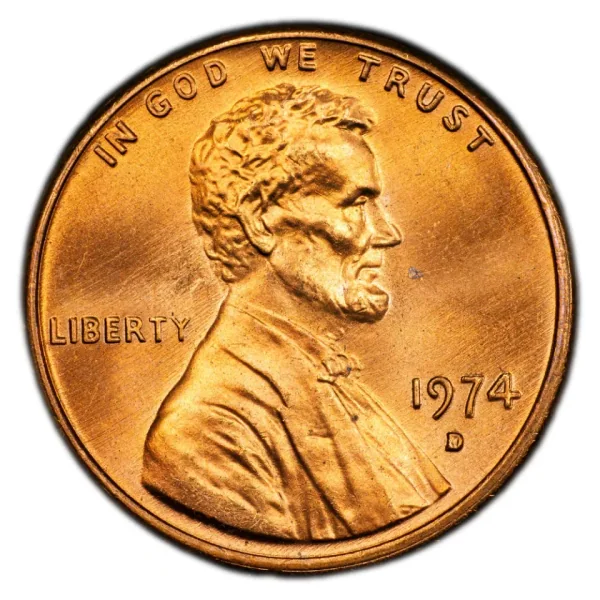
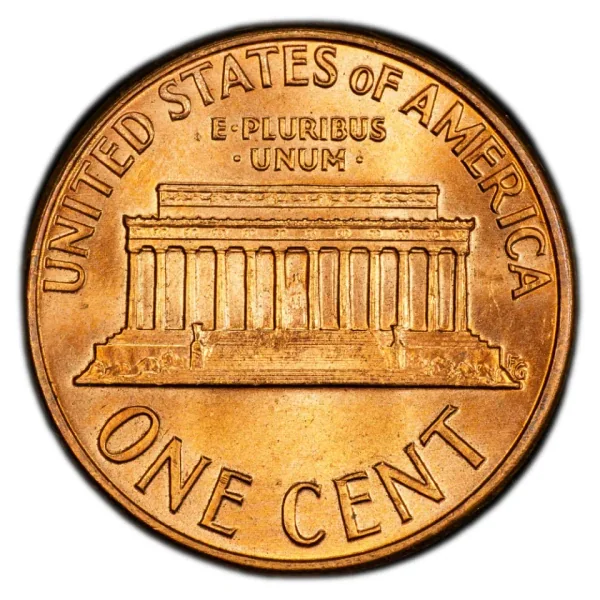
Begin with both faces of a regular copper-alloy 1974-D cent. The D sits below the date. The reverse has the Lincoln Memorial and complete surrounding lettering. Compare the design, rim and proportions before focusing on one unusual-looking spot.
1974-S cent on a Philippine aluminum planchet
The next pair shows the PCGS MS61 specimen, certification 38337969, associated with the January 2023 auction. Its obverse carries the 1974-S design; the other face is uniface, without a normal Memorial strike. Heritage identifies it as a cent struck on a planchet intended for a Philippine sentimo. The same certification appears in the earlier published photographic record.
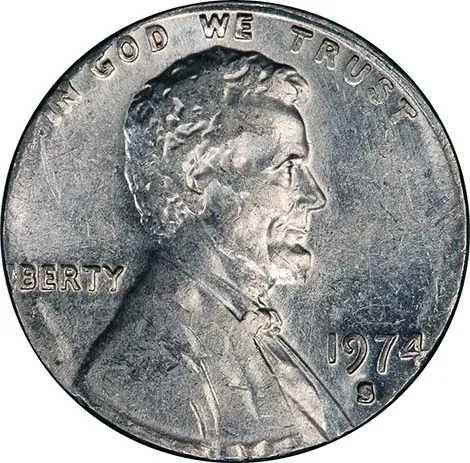
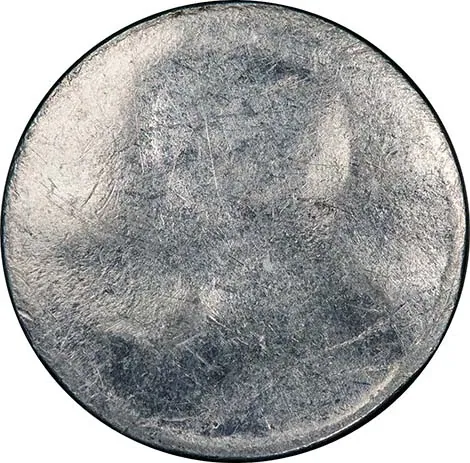
The contrast is the complete set of evidence, not color alone. A plated cent may retain a normal-sized copper core; a coin ground smooth after striking may lose its reverse design. Neither appearance establishes the same minting event as the certified example.
What is normal for a 1974 penny?
The Lincoln Memorial cent combines Victor David Brenner’s portrait with Frank Gasparro’s reverse. Copper costs prompted the Mint to investigate an aluminum alternative in the 1970s, but the 1974 experimental project did not become the regular circulating cent. That history helps explain why a silver-colored 1974 coin attracts attention; it does not identify every pale penny as an experimental issue.
For ordinary issue values and the difference between circulation strikes and Proofs, use the 1974 penny value guide. This article concentrates on error attribution.
| Feature | Normal cent | Possible anomaly | Where to check | Common misreading |
|---|---|---|---|---|
| Mint letter | No letter, D or S | A suspected altered or doubled mark | Below 1974 on the obverse | No letter is normal for Philadelphia |
| Weight / metal | About 3.11 g; 95% copper, 5% zinc | A compatible wrong-planchet attribution | Scale, diameter and design together | A silver coating proves aluminum |
| Diameter | About 19 mm | Wrong blank or striking distortion | Full rim and both faces | Any misshapen coin is off-center |
| Reverse | Lincoln Memorial | Uniface strike or other coherent error | Surface, rim and opposing face | Grinding is a missing-design error |
| Lettering | One normal design impression | Attributed doubled die or second strike | Date, LIBERTY and inscriptions | Flat shelf doubling is a rare variety |
Where should you look for 1974 penny errors?
Wrong planchet: check dimensions as well as appearance
A planchet is the blank prepared to receive a coin design. If a different blank enters a press, the resulting coin can have the wrong metal, weight or size, with parts of the design outside the available surface. Record measurements without scraping, cutting or acid-testing the coin. A photograph is useful for comparing designs but cannot establish an alloy.
The illustrated aluminum error and the experimental aluminum-cent project are different categories. The auction attributes this particular specimen to a Philippine blank. Do not transfer that attribution to an ordinary silver-colored cent or treat an experimental-coin headline as a routine error price.
Die break and retained fragment: inspect both faces
A broken die can leave raised metal where part of the die face is missing. A substantial rim-connected break is commonly called a cud. A lump should be examined together with the rim and surrounding design: a dent may push metal upward, and an attached foreign object can imitate a raised feature.
The exceptional April 2021 sale below involved two related features: an obverse rim break and a retained die fragment on the reverse. It is a specific combination, not evidence that every raised patch is a valuable fragment. No photograph of that auction specimen is substituted with the aluminum coin shown above.
Double strike vs. doubled die
A double-struck coin receives another strike; look for displaced design elements and corresponding changes to the metal. A doubled die carries duplication in the die itself. Flat shelf-like doubling can instead arise during striking and does not establish a collectible doubled die. Match a proposed variety to documented diagnostics rather than assigning one from a blurry date.
The 1975 penny errors photo guide shows a different year’s certified double strike. Use it to understand the mechanism, then return to the date and features of your own coin.
Damage that can look like a 1974 penny error
Silver color, plating and environmental changes
An unusual surface color is a reason to investigate, not an attribution. Check whether the normal design and dimensions remain intact and whether the surface appears coated or altered. Keep a record of the weight. Do not remove a coating yourself to find out what is underneath.
Dents, scratches and squeezed edges
Check for cut grooves, displaced metal and unevenly compressed rims. A tool mark may have a raised lip next to a recess; that raised lip alone is not a die break. A flattened edge should not be called an off-center strike without a displaced struck design and compatible unstruck area. For broader examples, see the Lincoln penny errors and varieties photo guide.
Missing details and a polished surface
A weak-looking letter may reflect wear, damage or the conditions of striking. A smooth reverse can result from alteration as well as a minting event. Compare both sides under even light, keeping the whole rim in the photograph. Avoid a diagnosis based only on one missing letter or a tight crop that conceals the rest of the coin.
A normal S or no mint mark
The letter S identifies San Francisco; it is not an error designation. Regular 1974-S cents and collector Proofs require separate comparisons. Likewise, no mint letter on a Philadelphia cent is normal. An error premium needs evidence beyond the mint identification.
Three documented 1974 penny error auction sales
These are Heritage’s reported sold amounts in US dollars for separate certified coins. The listed auctions carry a 20% buyer’s premium; the reported results below are the sale totals, not a seller’s net receipt. Taxes, shipping and later market changes are separate. The dates span different markets and the error types are not interchangeable.
| Attributed error | Grade | Sale date | Auction / lot | Reported sold amount |
|---|---|---|---|---|
| 1974-D partial collar; double strike, second 85% off-center and uniface | ANACS MS60 Brown | December 15, 2020 | 60179 / 92059 | US$65 |
| 1974-S obverse die break; retained die fragment on reverse | NGC MS63 Red and Brown | April 24, 2021 | 1329 / 4926 | US$9,000 |
| 1974-S on Philippine aluminum planchet; uniface reverse | PCGS MS61 | January 12, 2023 | 1356 / 3611 | US$19,200 |
The first example demonstrates that even a dramatic error does not automatically bring thousands. The other two involve exceptional attributions. Condition, completeness, eye appeal and the precise error all matter; one result cannot price a coin with a vaguely similar appearance. Compare the same mechanism and preserve the full certification description.
For a normal coin without an established error, return to ordinary issue and grade comparisons. For a suspected major error, seek an attribution before using any auction result as a benchmark. The value research guide explains how to separate a reference value, asking price and completed sale.
How to check your coin in three steps
- Identify the baseline. Read 1974 and its mint mark, determine the production type and photograph both faces plus the edge.
- Test the proposed explanation. Locate the feature precisely, record weight and diameter, and check whether damage or a coating could explain it.
- Compare only after attribution. Keep surfaces unchanged. Ask an error specialist or grading service about an unresolved major feature before assigning the price of a certified specimen.
A 1974 penny error is an attribution, not a color or a high-price headline. Use the normal cent as your reference, establish how the anomaly formed, then compare the same error and condition. An uncertain identification deserves a closer look before a financial conclusion.
Frequently asked questions
Is a 1974 penny with no mint mark an error?
No. Philadelphia issued ordinary 1974 cents without a mint letter. An absent letter alone does not establish a mint error.
Is a silver-colored 1974 penny made of aluminum?
Color alone cannot identify the metal. A plated or altered copper cent may look silver-colored. A suspected wrong-planchet coin needs weight, size and composition checks as well as examination of the struck design.
Are 1974-S pennies all Proof coins?
No. San Francisco made regular strikes as well as collector Proofs. An S mint mark alone does not identify the production method or an error.
What genuine 1974 penny errors have sold at auction?
Heritage reported US$65 for a 1974-D double-struck cent in December 2020, US$9,000 for a 1974-S die-break and retained-fragment error in April 2021, and US$19,200 for a 1974-S cent on a Philippine aluminum planchet in January 2023. These are separate certified specimens, not a general price range.
Does doubled lettering prove a valuable 1974 doubled die?
No. Flat, shelf-like machine doubling can resemble extra lettering. A doubled-die attribution needs a match to a documented die variety and its specific diagnostic features.
What should I do before submitting a suspected 1974 penny error?
Keep the surfaces unaltered. Photograph both faces and the edge, record weight and diameter, and compare the feature with the same issue. Ask for an attribution when the cause remains uncertain before assigning a price or paying certification fees.
References
Sources and auction records
Checked November 11, 2026. Historical sales retain their original dates.
- PCGS CoinFacts: normal 1974 centStandard composition, dimensions and design attribution.
- U.S. Mint: the experimental aluminum-cent projectHistorical context for the proposed change of metal.
- NGC: doubled dies and machine doublingWhy flat strike doubling differs from a doubled die.
- Heritage: 1974-D double strike, lot 92059December 15, 2020; reported US$65.
- Heritage: 1974-S die break and retained fragment, lot 4926April 24, 2021; reported US$9,000.
- Heritage: 1974-S wrong-planchet cent, lot 3611January 12, 2023; reported US$19,200 and certification link.