

 App Store
Collecting guides
How to Check What Your Coin or Banknote Is Worth
Use HeriBase reference prices and comparable sales to research coin and banknote values, with two real examples and a checklist for expert appraisal.
 HeriBase TeamPublished Updated
In this article
Quick answer
To check what a coin or banknote is worth, identify the exact issue, assess its condition and compare completed sales. Use the app’s reference price as a starting point for research.
- Coins: Match the date, mint mark, variety and grade. A different variety or level of wear can change which sales are comparable.
- Banknotes: Verify the denomination, printed series, condition and serial number. A collectible serial pattern can affect demand.
- Actual sale prices: Compare several similar items and check the sale date, currency and fees. Face value, asking price and completed sale price answer different questions.
- Expert appraisal: Consider paying for a review if authenticity, grade or a potentially valuable variety could materially affect a purchase or sale. Check the service scope and fee first.
How to check a coin’s value
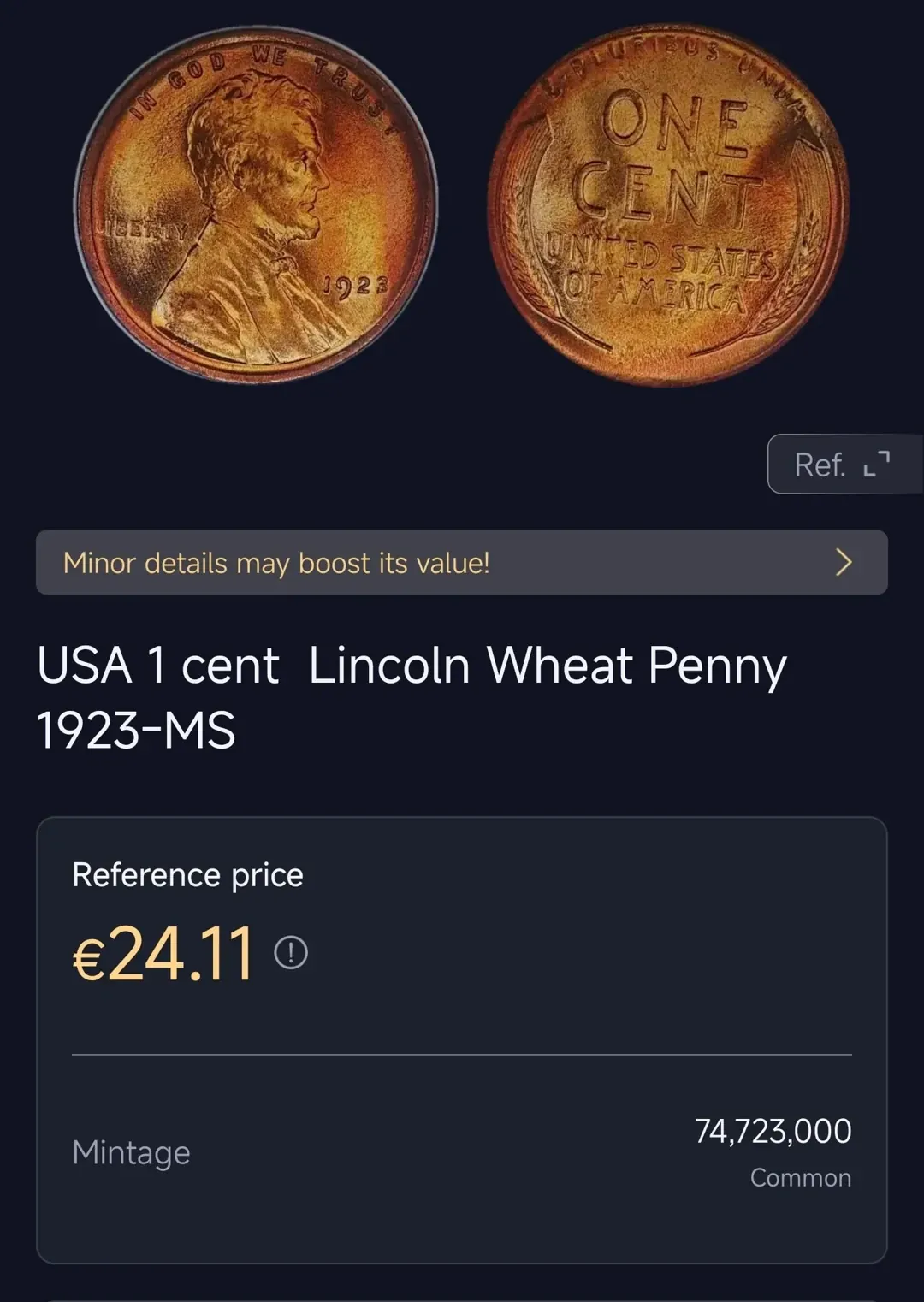
The screenshot shows a 1923 Lincoln Wheat cent with an MS label and a reference price of €24.11. That amount belongs to the suggested entry. Before comparing it with a sale, verify the date and mint mark on your coin. Then look at wear and surface condition. If your coin is circulated, compare it with circulated examples of the same issue.
For a coin in a grading holder, match the numerical grade and relevant designations where possible. If your coin is ungraded, use several comparable examples and allow for uncertainty in condition. See how to verify the coin identification result.
What to compare: If your 1923 cent shows clear wear, start with completed sales of circulated examples with the same mint mark.
How to check a banknote’s value
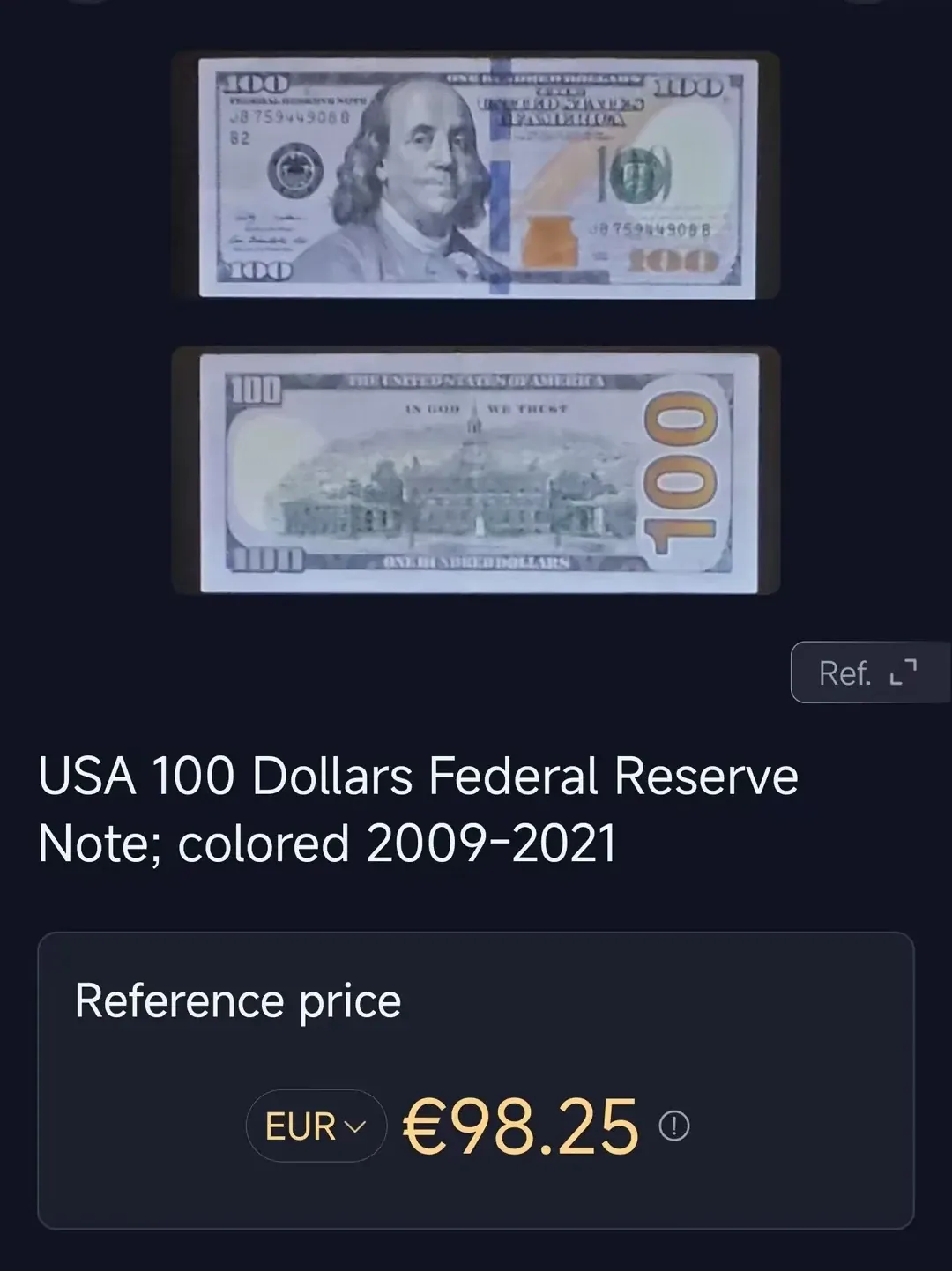
The note has a US$100 face value. The app screenshot shows a €98.25 reference price. Those amounts answer different questions and use different currencies. The screenshot alone cannot establish a collector premium or what you would receive from a buyer.
Read the printed series on the note and check folds, tears, stains and wear. Verify the serial directly on the note before using the Fancy Serial Number Checker. If a pattern seems collectible, look for sales of notes with a comparable pattern, series and condition. See how to read the banknote identification result.
What to compare: When looking for a collectible premium, compare sold notes with the same printed series, similar condition and a comparable serial pattern.
How to compare actual sale prices
- Match the item. Use the same denomination, date or series, mint mark and variety where relevant.
- Match condition. Compare similar wear and damage, or the same certified grade and designation if available.
- Check the sale terms. Record the sale date, currency and whether the amount is a hammer price or includes the buyer’s premium. Compare on the same basis.
- Use several sales. Look for a range across comparable transactions. Set aside lots with multiple items or unusual features unless your item shares those features.
An asking price shows what a seller wants. A completed sale shows what a buyer paid on that occasion. Your net proceeds also depend on selling fees and other costs. For U.S. coins, PCGS Auction Prices Realized is one place to research comparable results.
Why similar items sell for different prices
Same year and grade, different mint mark
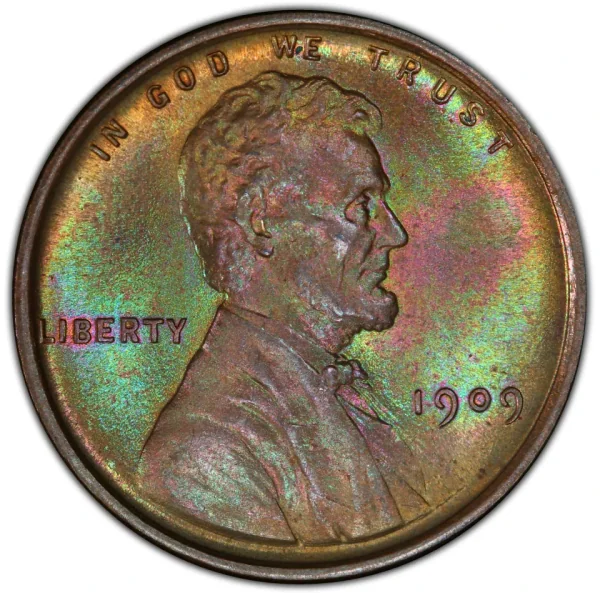
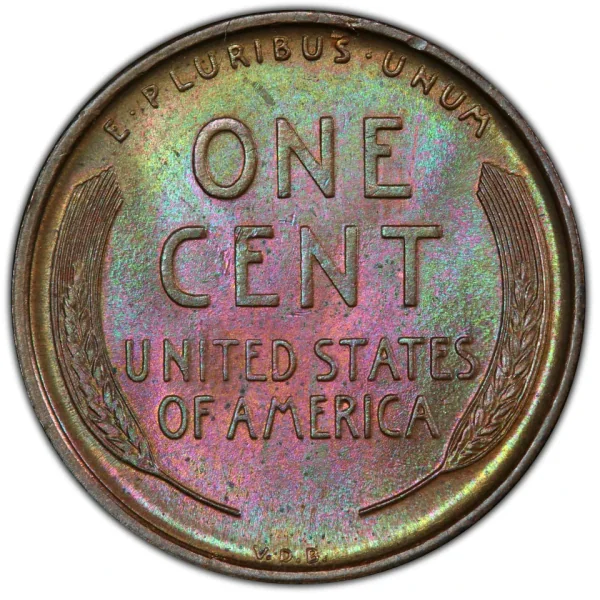
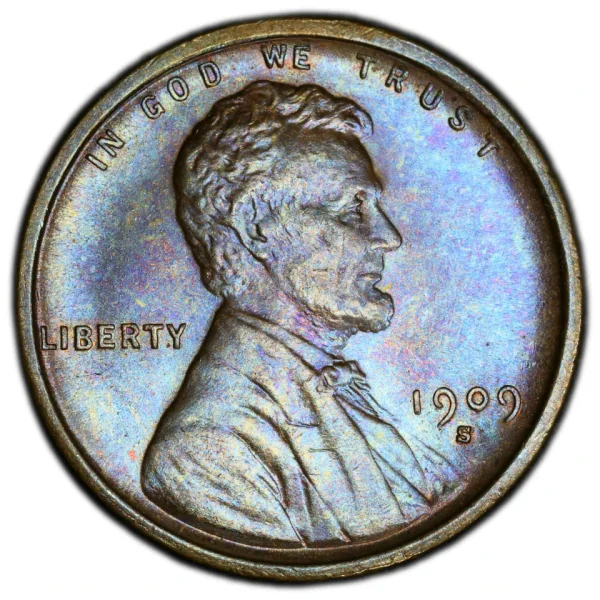
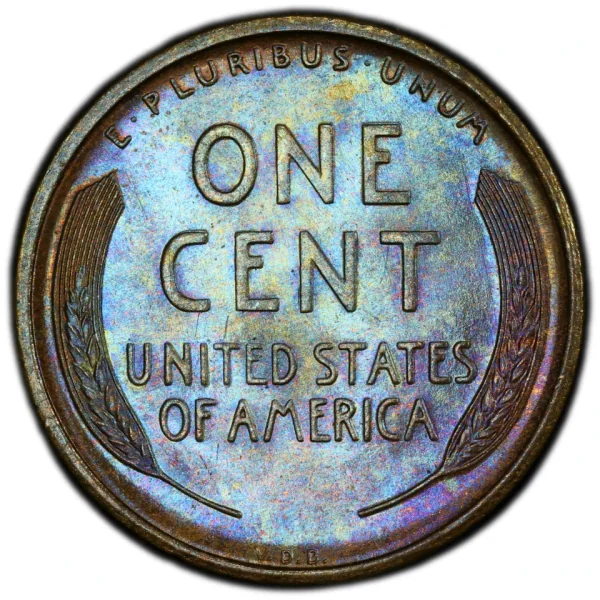
Both Lincoln cents carry V.D.B. on the reverse. Compare the obverse under the date: the Philadelphia issue has no mint mark, while the San Francisco issue has an S. These two 2025 auction results share the PCGS MS64 RB grade and color designation.
Condition and wear
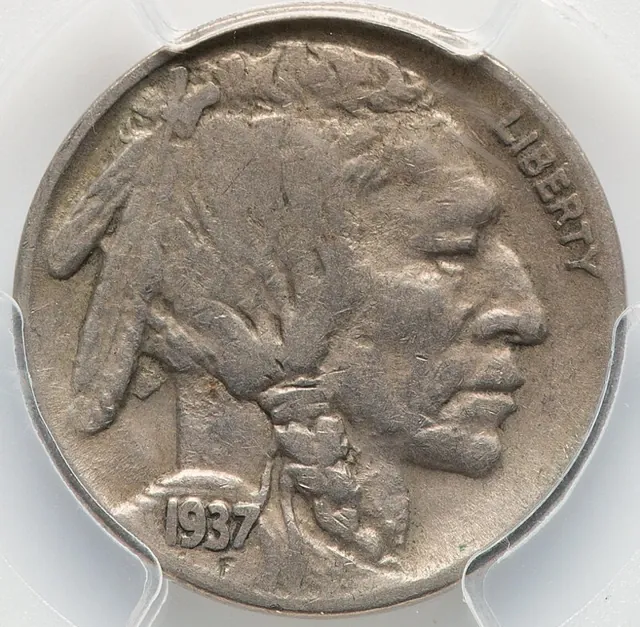
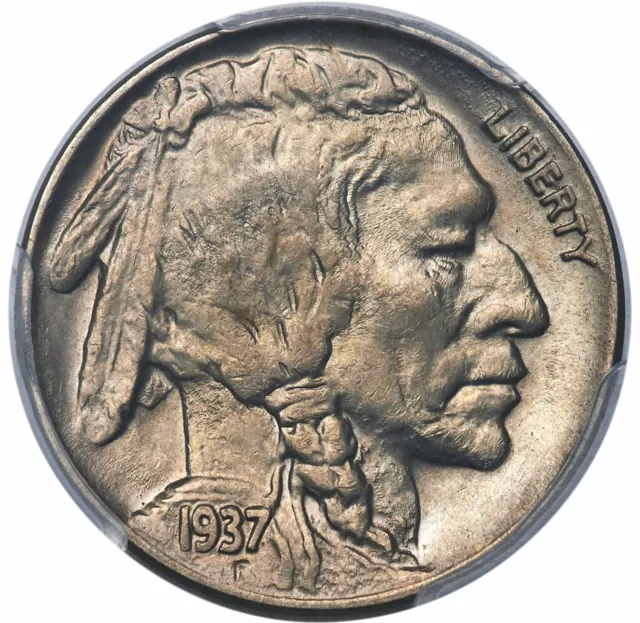
Two different 1937-D Three-Legged FS-901 nickels graded by PCGS illustrate how condition changes the comparison. Heritage recorded US$825.94 for a circulated VF30 example in May 2026 and US$7,930 for an MS64 example in August 2026. Check wear, surface marks and cleaning when choosing a comparable. Individual lots also differ in eye appeal and bidding.
Banknote serial patterns
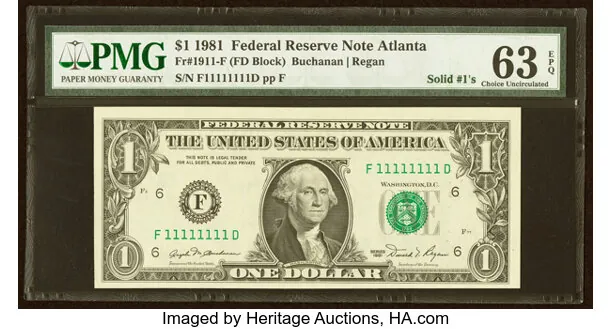
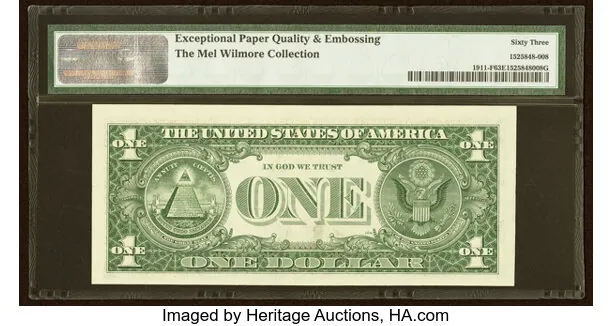
A 1981 U.S. $1 Federal Reserve note, graded PMG 63 EPQ, sold for US$1,380 in January 2024 with the solid serial F11111111D. Its US$1 face value and auction result measure different things. To estimate a serial premium, look for completed sales of the same series and grade with comparable patterns. Radar numbers read the same in both directions, while birthday numbers resemble dates. Check the exact digits before searching.
Issue, scarcity and demand
A catalog entry groups comparable items. For example, start with the date and mint of a 1923 Wheat cent, then narrow to the exact variety. A mintage figure counts production. To judge scarcity at your grade, check how often comparable examples come to market and whether buyers are bidding.
Sale venue, timing and fees
Two asking prices can reflect different seller expectations. For example, when comparing an auction lot with a dealer sale, record the auction result including buyer’s premium if applicable, and distinguish the buyer’s total from the seller’s net proceeds.
When is expert appraisal worth considering?
Consider it if a question about authenticity, grade or a potentially valuable variety could change your decision to buy, sell or insure the item. Check that the expert’s service covers the question and compare the fee with the likely benefit. See HeriBase expert appraisal fees.
Frequently asked questions
Is the HeriBase reference price what I will receive when I sell?
It is a research reference for the suggested entry. Actual proceeds depend on the item, buyer, sale venue and selling costs.
Can a banknote’s serial number affect its value?
A pattern can give you a reason to research comparable sales. Verify the printed serial and compare notes with similar patterns, series and condition.
How many sales should I compare?
Use several recent comparable sales when available. If evidence is limited, keep the range provisional and record which details differ.
Sources
References· 5 sources
- 1909 VDB · February 2025, lot 93055
- 1909-S VDB · June 2025, lot 95064
- Heritage Auctions · 1937-D Three-Legged Buffalo nickel MS64 — FS-901, lot 3229, August 2026.
- Heritage Auctions · 1937-D Three-Legged Buffalo nickel VF30 — FS-901, lot 25259, May 2026.
- Heritage Auctions · 1981 $1 Federal Reserve note — Solid serial F11111111D, lot 21305, January 2024.
Watch HeriBase videos
Short promotional examples from HeriBase. Use the identification checks in this guide before treating a displayed reference price as a comparable sale.
HeriBase coin identification short
Watch on YouTube ↗
HeriBase coin detail short
Watch on YouTube ↗
HeriBase video 1
Watch HeriBase video 1 on TikTok ↗
HeriBase video 2
Watch HeriBase video 2 on TikTok ↗
HeriBase Español video
Watch on TikTok ↗