

 App Store

COIN VALUE GUIDES · QUARTER GUIDES
Valuable Quarters After 1965:Issues Worth Checking and False Alarms
Compare West Point quarters, recognized varieties, silver collector products and genuine mint errors without assuming every unusual modern quarter is valuable.
 HeriBase TeamPublished Updated
In this article
Quick answer
Most ordinary worn clad quarters dated 1965 or later are worth their 25-cent denomination. Useful exceptions to investigate include 2019-W and 2020-W issues, attributed varieties such as 2004-D Wisconsin Extra Leaf, collector silver Proofs and authenticated major mint errors. These categories have different identification and pricing requirements.
A list of valuable quarters after 1965 should tell you what to check, not promise that every old, shiny or odd-colored coin is a windfall. High-grade auction records require the exact grade and designation; an ordinary date match is not enough.
Coin photos
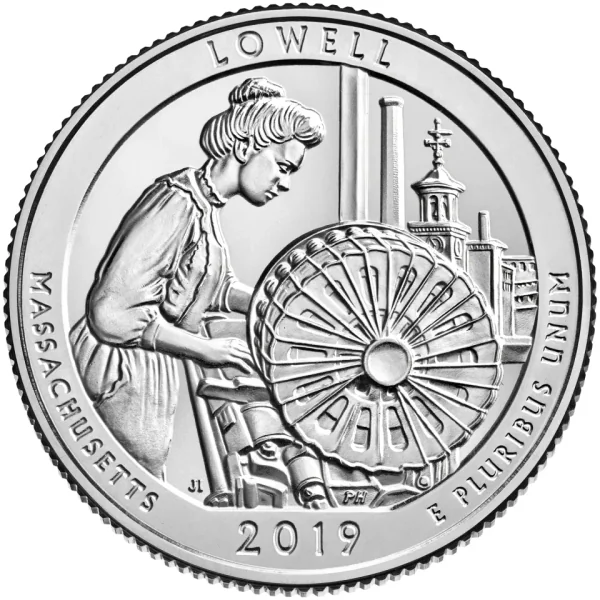
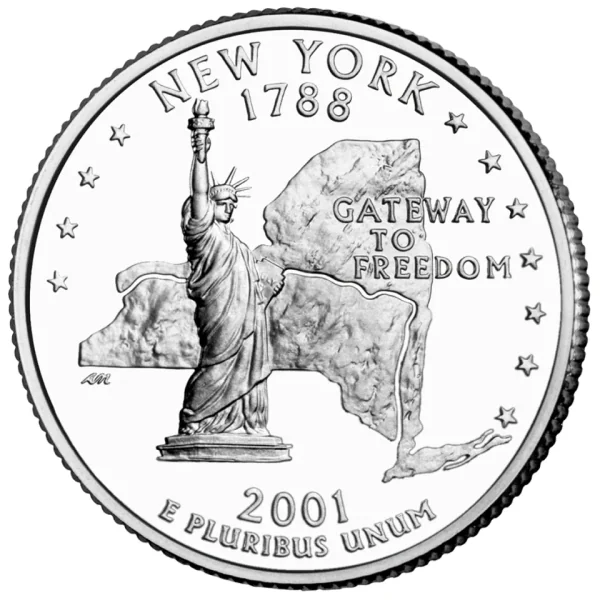
Basics & coin story
The denomination moved from 90% silver to ordinary copper-nickel clad construction for 1965. Washington’s portrait continued, so the metal transition is easy to overlook. Later commemorative reverse programs added more variety without removing the quarter’s everyday monetary role.
From the Bicentennial reverse through state and national-site programs, planned design changes created many different-looking normal coins. A novel picture is therefore an identification clue rather than evidence of an error. The Washington series guide supplies the overall chronology.
Scarcity can arise from a deliberately limited issue, a particular grade, a die variety or a production accident. Those are separate routes to a premium, and a reliable search keeps them separate from damage and intentional collector products.
| Feature | What to check |
|---|---|
| Ordinary post-1964 circulation metal | Copper-nickel clad; no silver |
| Ordinary clad mass / diameter | 5.67 g / approximately 24.3 mm |
| 1965–1967 mint marks | Omitted normally |
| 2019-W | Two million of each of five designs |
| 2020-W | W with V75 privy; separate year |
| Collector silver | Separate Proofs and special issues; identify product |
| Market evidence | Exact issue, grade, attribution and sale terms |
| Condition rule | Do not clean a candidate |
Identification
Start with deliberately different issues
A W on a 2019 or 2020 quarter identifies a West Point issue. Confirm the actual letter, date and reverse rather than a dark patch resembling W. The V75 privy belongs to the 2020-W issues and should not be expected on 2019-W coins.
Silver Proofs are intentional collector products. The S mint letter alone does not establish silver because clad S issues also exist. An ordinary Bicentennial quarter is not automatically silver; collector versions require the correct product identification.
Attribute recognized varieties before searching prices
The 2004-D Wisconsin Extra Leaf High and Low need matching corn-leaf diagnostics. A 2005 Minnesota doubling claim similarly requires a recognized variety attribution rather than any mark near a tree. A variety name and numerical grade are independent parts of the comparison.
A worn coin with an extra-looking line may be damaged. Use clear full-face and close-up photographs and compare the exact catalog entry. The state-quarter guide keeps these claims within their series context.
Separate genuine wrong-metal errors from color
Rare 1965 quarters struck on silver planchets are documented, but the normal 1965 quarter is clad and normally lacks a mint mark. Color, a ringing sound or absence of a letter does not prove a transitional error.
Weight and edge examination are useful screening steps. Plating, corrosion and measurement errors can mislead; a high-value wrong-planchet claim needs authentication. The 1965 quarter guide explains the date’s ordinary and exceptional cases.
Keep damage out of the error list
A clipped planchet, substantial off-center strike and retained struck-through object can be genuine production anomalies. Scratches, heating, acid treatment, flattened edges and plating after issue are not equivalent.
Do not create a destructive test to decide the question. Preserve the object and document its condition. For an expensive attribution, use a qualified examination and match completed sales for the same mechanism.
Condition & value
USD references checked October 28, 2026. Face value is a denomination, not an estimate for every collector version. No unsupported current retail price is assigned to a special grade or unverified error.
| Issue | Grade / condition | Value or reference | Basis | Important condition |
|---|---|---|---|---|
| Ordinary worn clad quarter | Normal post-1964 circulation issue | 25¢ baseline | Face value | Age alone is insufficient |
| 2019-W or 2020-W | Correct mint, design and year | Compare exact circulated grade | Limited issue | V75 applies to 2020-W |
| 2004-D Wisconsin Extra Leaf | Attributed High or Low | Matched variety sales | Recognized die feature | Not every Wisconsin quarter |
| Collector silver Proof | Correct product and composition | Metal plus collector comparison | Intentional issue | Not a transitional error |
| 1965 silver-planchet error | Authenticated wrong-planchet strike | Exact certified sales | Rare mint error | Not identified by color alone |
| Major off-center / clip / other error | Mechanism and authenticity established | Individual comparison | Mint error | Damage excluded |
A single list cannot give a sound fixed price for every example. A worn W quarter, a Proof in its original set and a certified wrong-metal error are traded under different assumptions. Record the date of any guide or completed sale, and distinguish the buyer-paid total from the seller’s net.
High-grade “top population” pieces can bring prices far above ordinary coins of the same date. That does not imply the date is broadly scarce. Grade, surfaces and an attribution must be established before using those records.
For a practical sorting session, check date and mint first, then set aside Proof-looking coins and specific anomaly candidates. Keep ordinary clad coins separate. This short process is more reproducible than searching every discoloration against the largest online asking price.
For a Wisconsin Extra Leaf Low example with grade-specific sale evidence, see the Top 10 U.S. error coins and varieties.
For a focused comparison, see quarters worth money across silver and clad eras.
Summary
Look for a verified reason for a premium: an issue, manufacture, grade, variety or genuine mint error. Most normal worn clad coins still begin at 25 cents. Preserve credible candidates, document their diagnostics and choose comparison sales only after the identity is settled.
FAQ
Which quarters after 1965 should I check?
Check confirmed 2019-W and 2020-W issues, recognized varieties, collector products and credible major mint-error candidates. Ordinary design differences are not errors.
Is a 1965 quarter without a mint mark rare?
No mint mark is normal in 1965–1967. A rare wrong-metal claim requires independent evidence and authentication.
Are all S quarters silver?
No. Clad and silver collector issues can share S. The product and composition must match.
Does copper color make a modern quarter valuable?
Not by itself. A normal clad edge exposes copper, and surface color can change after issue. Missing-clad-layer claims require a proper diagnosis.
References
References and further reading
- U.S. Mint: quarter history
- NGC: 2019-W program
- PCGS: certified rare quarter errors
- Heritage: certified 1965 silver-planchet quarter
References consulted October 28, 2026. Price tables retain the update dates stated in the text; guide estimates, face values and completed transactions are different forms of evidence.