

 App Store

COIN VALUE GUIDES
1967 Nickel Errors: Identification, SMS and Value Checks
Identify real 1967 nickel errors with paired specimen photos, normal-versus-error checks, SMS distinctions and a documented wrong-planchet auction sale.
 HeriBase TeamPublished
In this article
What makes a 1967 nickel an error, and what is it worth?
An ordinary worn 1967 nickel starts at five cents; no mint mark is normal. Special Mint Set (SMS) coins are collector strikes, not errors. An authenticated nickel struck on a dime planchet sold for $305.50 in 2016. Identify the production fault and condition before comparing that sale.
Value evidence reviewed November 12, 2026. Historical sales retain their original dates and are not current offers.
Which real coin details should I compare?
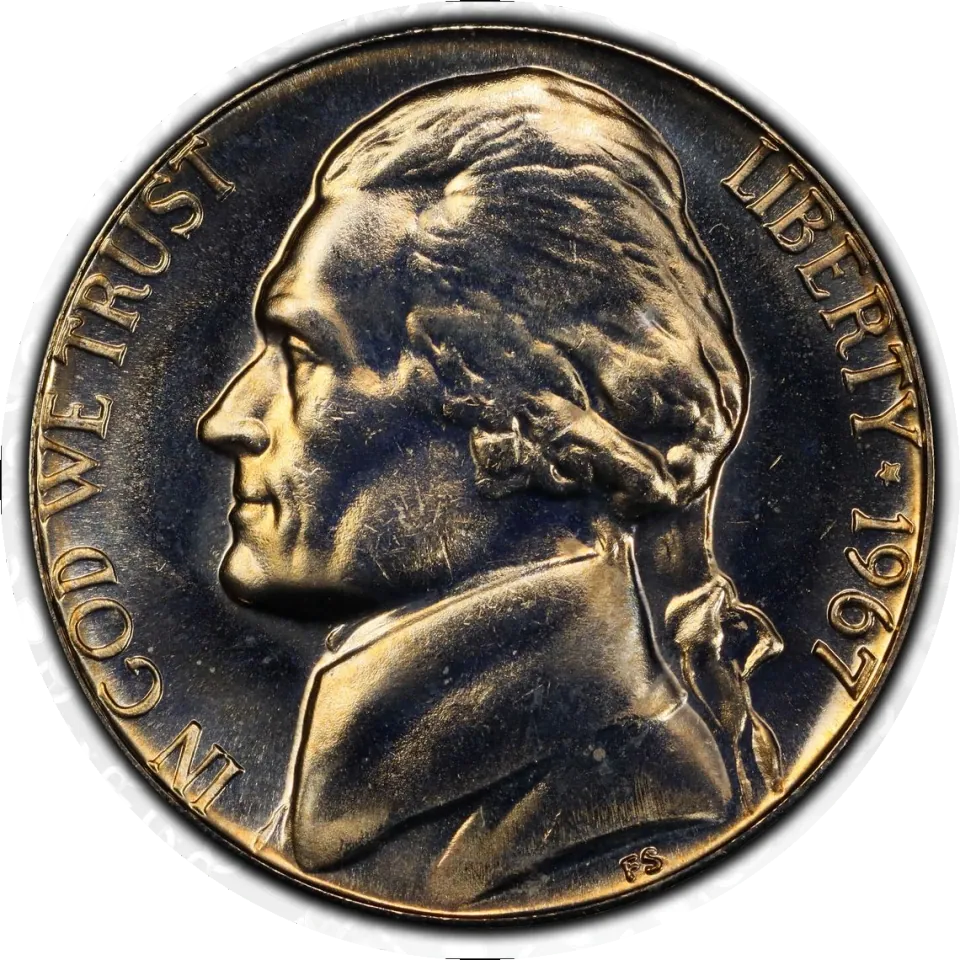
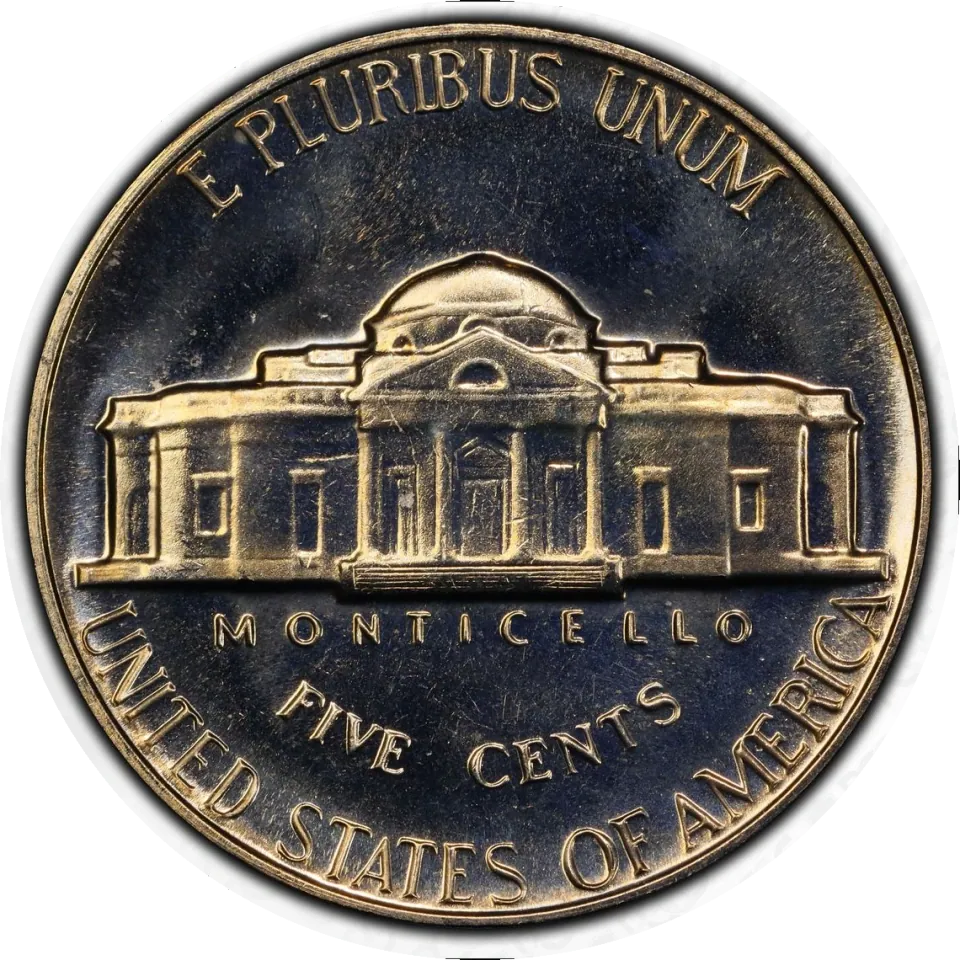
How do the normal features, errors and values differ?
Why does a 1967 nickel have no mint mark?
During the 1965–1967 mint-mark suspension, the absence of a letter was intentional. It does not identify a rare missing-mark error, nor does it tell you which facility struck your individual coin. Felix Schlag’s Jefferson and Monticello design supplies the normal comparison; the relevant question is what changed during manufacture, rather than whether a letter is absent.
Collector Special Mint Sets supplied a separate kind of strike during this period. The paired photographs show an attributed SMS specimen, not a typical worn circulation coin. Use them to locate the design and inscriptions. Do not infer SMS status from brightness alone: polishing a circulation coin can create shine while damaging its collectible surface.
| Observation | Normal comparison | Possible explanation | What to check | Decision |
|---|---|---|---|---|
| No mint mark | Expected in 1967 | Normal production | Date and denomination | Not an error |
| Bright, reflective fields | Possible on SMS or altered coins | Collector strike or polishing | Surface texture and attribution | Brightness alone is insufficient |
| Small flan, design cut off | Standard nickel: 21.20 mm, 5.00 g | Possible wrong planchet | Weight, diameter, edge and alloy | Seek attribution |
| Off-center design | Normal strike is centered | Off-center strike or damage | Design lost on both sides; unstruck area | Check both faces |
| Raised line or lump | Normal design has no added feature | Die defect, strike issue or alteration | Relief, surrounding metal and repeatable diagnostics | Do not assign value from shape alone |
What does a genuine wrong-planchet example look like?
PCGS certificate 31080474 identifies the specimen below as a 1967 nickel struck on a clad dime planchet, graded MS61. The nickel design does not fit on the smaller blank, so parts of the portrait-side lettering and reverse design are missing. The date is not independently readable in these photographs; the year is taken from the certificate attribution. A cropped date on an unknown coin does not prove it is this issue.
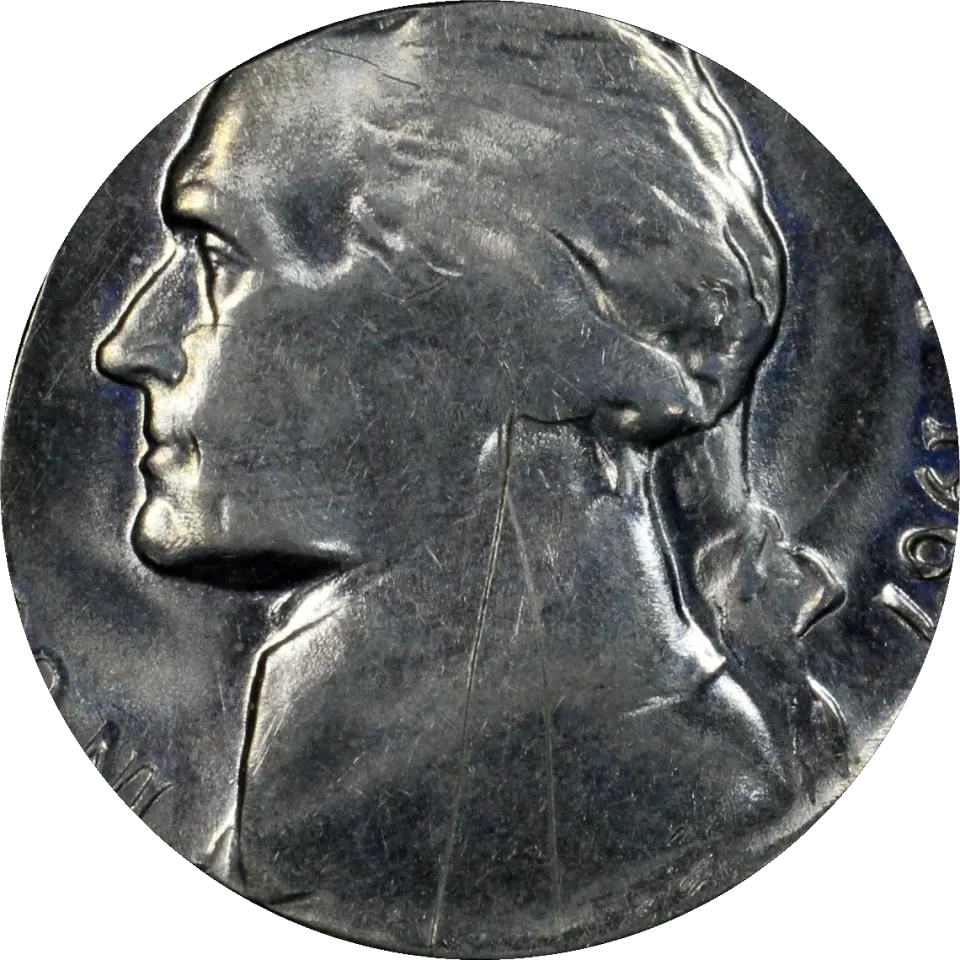
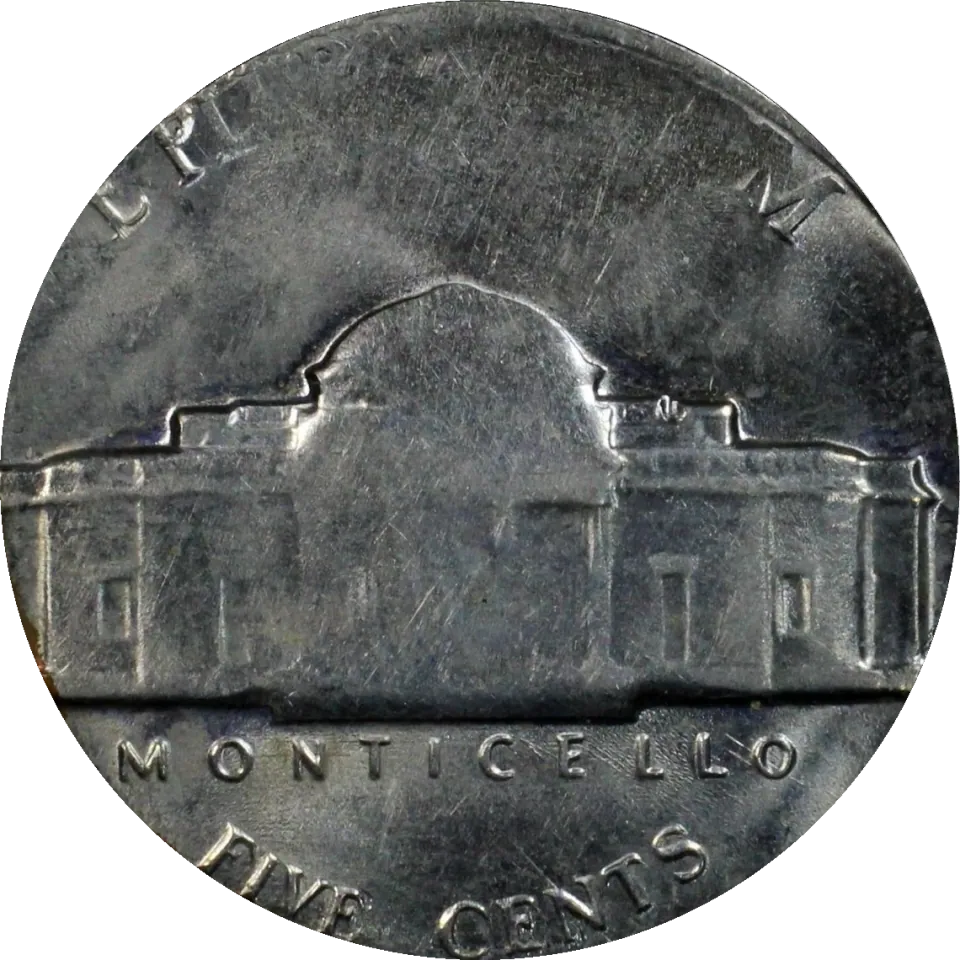
Compare that missing design with an ordinary small rim nick. A wrong-planchet candidate needs measurements and examination of the metal, not just a visual resemblance. The photographed error is a reference specimen, not evidence that any undersized or ground-down coin has the same origin. For other nickel dates, use the nickel error guide by year.
How much can a 1967 nickel error sell for?
The price evidence below was reviewed on November 12, 2026. The sale is a dated comparison for one certified error, not an offer for an ungraded coin or a current price range. Original surfaces, eye appeal, the visibility of the error and the reliability of the attribution all affect what buyers compare. A small die chip is not interchangeable with a wrong-planchet strike.
| Issue / error | Condition | Value evidence | Date / source | How to use it |
|---|---|---|---|---|
| Normal worn nickel | Circulated; no attributed error | $0.05 face value | Denomination baseline | Collector premiums require separate evidence |
| 1967 SMS nickel | Collector strike; grade-dependent | No single price established here | PCGS lists SMS separately | Compare the same grade and finish |
| Struck on clad dime planchet | PCGS MS61 | $305.50 historical realized price | Heritage, Jan. 11, 2016, lot 9631; PCGS cert 31080474 | One authenticated specimen; not a current quote |
| Suspected off-center / die defect | Unattributed or damaged | Not established from photographs | Individual authentication needed | Do not borrow the wrong-planchet price |
Do sharp Monticello steps prove an error?
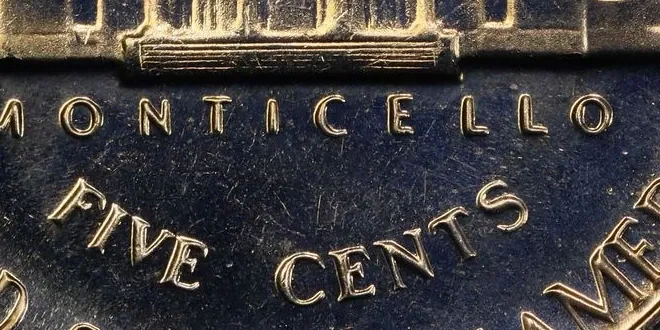
No. Step detail is a strike-quality question. Wear, die condition and the strike can all affect how the horizontal lines appear. The SMS reference illustrates where to look, but does not establish a Full Steps designation for a different coin or turn weak steps into an error.
Keep production category, grade and error attribution as separate decisions. The coin grading scale guide explains preservation; a sharp reverse does not authenticate an unusual planchet.
How can I check my coin in three steps?
- 01Confirm Jefferson, Monticello and the 1967 date. Photograph both faces and the edge without cleaning. If the date is cut off, do not supply a year by guesswork; record the missing information.
- 02Measure weight on a calibrated scale and diameter without squeezing or scratching the coin. Compare with the standard 5.00 g and 21.20 mm. A mismatch is a screening clue; wear, damage and measurement error must be considered.
- 03Compare the suspected feature with the same error category. Look for filed edges, displaced metal, polishing and damage. Keep plausible wrong-planchet or major striking candidates uncleaned and seek an error-specialist attribution before choosing a price.
What should I remember before pricing?
A missing mint mark and an attractive SMS finish are normal categories for 1967, not proof of an error. A credible error needs a manufacturing explanation supported by both sides, the edge and measurements.
The $305.50 MS61 sale is useful only as a dated wrong-planchet example. Save clear photographs and measurements, then use a coin appraisal when the evidence warrants professional examination. For a related mint-mark comparison, see 1966 dime errors and SMS checks.
What else do collectors ask?
Is a 1967 nickel with no mint mark rare?
The missing mint mark is normal for 1967. It does not establish a rare variety or an error; grade, finish and any separately authenticated manufacturing fault must be considered.
What is the normal weight of a 1967 nickel?
The standard specification is 5.00 grams and 21.20 millimeters in diameter. Wear, damage and scale accuracy matter; a weight difference alone does not authenticate a wrong-planchet strike.
Is every shiny 1967 nickel an SMS coin?
No. Special Mint Set coins are a separate collector issue. Polishing can make an ordinary coin shiny and damage its surfaces, so brightness alone does not establish SMS status.
What is a documented 1967 nickel error price?
PCGS records a 1967 nickel struck on a clad dime planchet, MS61, selling for $305.50 at Heritage on January 11, 2016, lot 9631. This is one historical transaction, not a current price for all examples.
Does doubling on a 1967 nickel mean a doubled die?
Not automatically. A recognized doubled die requires matching die diagnostics; machine doubling, wear and damage can create misleading extra edges. Obtain a reliable attribution before assigning a variety premium.
Should I clean a possible 1967 nickel error?
No. Cleaning, polishing or scraping can remove evidence and reduce value. Preserve the coin, photograph both sides and the edge, and seek examination if the measurements and strike features support an error.
Which references support these checks?
References and further readingExpand
- U.S. Mint: mint marksOfficial mint-mark history, including the 1965–1967 suspension. Checked November 12, 2026.
- NGC: Special Mint Set coinsBackground on the 1965–1967 collector issues. Checked November 12, 2026.
- NGC: variety versus mint errorDistinguishing die varieties, errors and production characteristics. Checked November 12, 2026.
- NGC: broadstrikesCollar failure, complete designs and the distinction from off-center strikes. Checked November 12, 2026.
- PCGS CoinFacts: 1967 nickelRegular-issue specifications and series context. Checked November 12, 2026.
- PCGS CoinFacts: 1967 SMS nickelSeparate collector-strike attribution. Checked November 12, 2026.
- PCGS certificate 31080474: 1967 nickel on a dime planchetMS61 attribution and Heritage sale history: January 11, 2016, lot 9631, $305.50. Checked November 12, 2026.
- Heritage: 1967 nickel on a clad dime planchet, lot 9631January 11, 2016, auction 1231, lot 9631; PCGS MS61. Checked November 12, 2026.