

 App Store
Coin Errors & Varieties
Compare real specimens to distinguish mint errors and die varieties from wear or damage, then find identification and value guides by denomination.

-
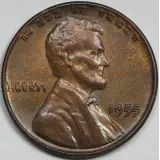
Top 20 Most Valuable Lincoln Penny Errors & Varieties: Photos and Auction Prices
Check 20 Lincoln penny errors and die varieties by year. See what to look for in specimen photos and compare documented auction prices by grade.
-
Top 10 U.S. Error Coins & Varieties: Photos and Auction Prices
Compare ten selected U.S. error coins and die varieties, from No P dimes to bronze cents, with real photos, identification clues and dated auction results.
-
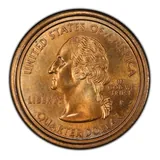
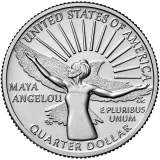
2022 Quarter Errors: Real Cases, Five Designs and Value Checks
Separate a documented Sally Ride wrong-planchet error from normal American Women designs, small die breaks and damage.
-
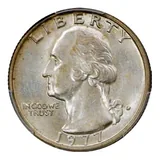
1977 Quarter Errors: No Mint Mark, D and Silver-Planchet Checks
Compare a real 1977-D silver-clad planchet error with ordinary clad quarters, normal missing mint marks and later surface damage.
-
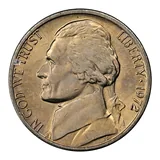
1972 Nickel Errors: D Doubled Dies, Wrong Planchets and Damage
Inspect the actual 1972-D date and reverse diagnostics before confusing nickel varieties with the famous 1972 doubled-die penny.
-
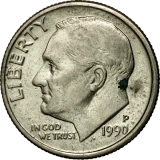
1990 Dime Errors: P, D, Off-Center Strikes and Collar Checks
Compare documented Philadelphia and Denver mint errors, then separate a 1990 dime from a later coin struck over it.
-
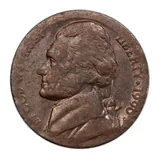
1990 Nickel Errors: P, D, Wrong Planchets and Broadstrikes
Examine the documented 3.6-gram 1990-P nickel, then keep off-center, clipped-planchet and normal dark-surface coins separate.
-
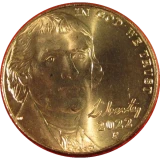
2022 Nickel Errors: P Doubled Dies, D Checks and Real Diagnostics
Match 2022-P WDDO-001 and its paired WDDR-011 reverse, instead of treating every eye bump or thick letter as a valuable error.
-
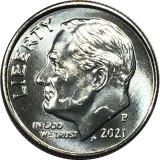
2021 Dime Errors: P and D Checks, Collar Clashes and Damage
Compare real 2021-P and D dimes, investigate reported rim anomalies, and separate mint errors from damage and high-grade coins.
-
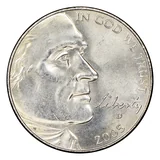
2005 Buffalo Nickel Value: P, D, Satin Finish and Speared Bison
Identify the modern 2005 American Bison nickel, compare circulation and collector versions, and check a Speared Bison claim against real die-break diagnostics.
Coin error FAQs
What is the difference between a mint error and a die variety?
A mint error results from an abnormal production event, such as an off-center strike or wrong planchet. A die variety repeats a feature from a particular die. Identify the mechanism and matching diagnostics before applying a name or price.
How can I tell a genuine coin error from damage?
Check both faces, the rim and the suspect feature under different light. Scratches, corrosion, plating loss and displaced metal can imitate mint errors. Compare an attributed specimen of the same issue; one unusual mark is not enough.
Which coin details should I record before researching an error?
Record the denomination, date, mint mark, designs, edge and suspected feature. Add actual weight and diameter when relevant. Photograph both faces and the rim without cleaning the coin. Catalog specifications describe a type, not measurements of your item.
Does a missing mint mark always mean an error?
No. Mint-mark practices vary by date, denomination and manufacture. Some unmarked issues are normal; a recognized missing-mark error requires the correct issue and diagnostics. Do not transfer a No S Proof attribution to an ordinary unmarked circulation coin.
Is doubled lettering always a doubled die?
No. A doubled die is a die variety with matching diagnostic features. Mechanical doubling and wear can look similar. Compare the exact date, lettering and attribution rather than judging a single blurred photograph.
Are all unusual coins valuable?
No. A visible anomaly does not establish rarity or a premium. Attribution, severity, condition, authenticity and buyer demand matter. Ordinary damage and normal design features should not be priced as recognized mint errors.
How should I compare error-coin values?
Use completed sales of the same error mechanism and similar issue, severity and condition. Record sale date, currency and fee basis. Asking prices, guide estimates and seller net proceeds are different amounts. An exceptional auction coin is not a price for every lookalike.
Can a photo or an app authenticate a rare error coin?
A photo can help narrow an identification, but it cannot establish every physical property or guarantee authenticity. Verify the actual features and measurements. Seek an appropriate specialist for a potentially valuable or disputed attribution.
Should I clean a suspected error coin before taking photos?
Do not clean, polish or alter it to expose a feature. Surface changes can destroy evidence and affect collectibility. Use even lighting and a plain background, preserving the original condition while you document both sides.
Are banknote errors the same as coin errors?
No. Banknote printing or cutting errors and coin minting errors arise from different processes. A fancy serial number or replacement star is not by itself a printing error. Use a paper-money guide for suspected banknote faults.
Cover image © 2026 HeriBase. To reuse this cover image, obtain permission from HeriBase before publication. Request permission to reuse this image.