

 App Store

COIN ERRORS & VARIETIES · NICKEL
1990 Nickel Errors: P, D, Wrong Planchets and Broadstrikes
Examine the documented 3.6-gram 1990-P nickel, then keep off-center, clipped-planchet and normal dark-surface coins separate.
 HeriBase TeamPublished
In this article
What should you know first?
A 1990 nickel error needs more than dark color or an uneven rim. A published 1990-P example is a broadstruck nickel on a 3.6-gram copper-nickel planchet, certified PCGS AU 58. That combination differs from an ordinary 5.00-gram nickel and from a clipped or off-center coin. Its production route and current market value should not be invented.
What do the real coins show?
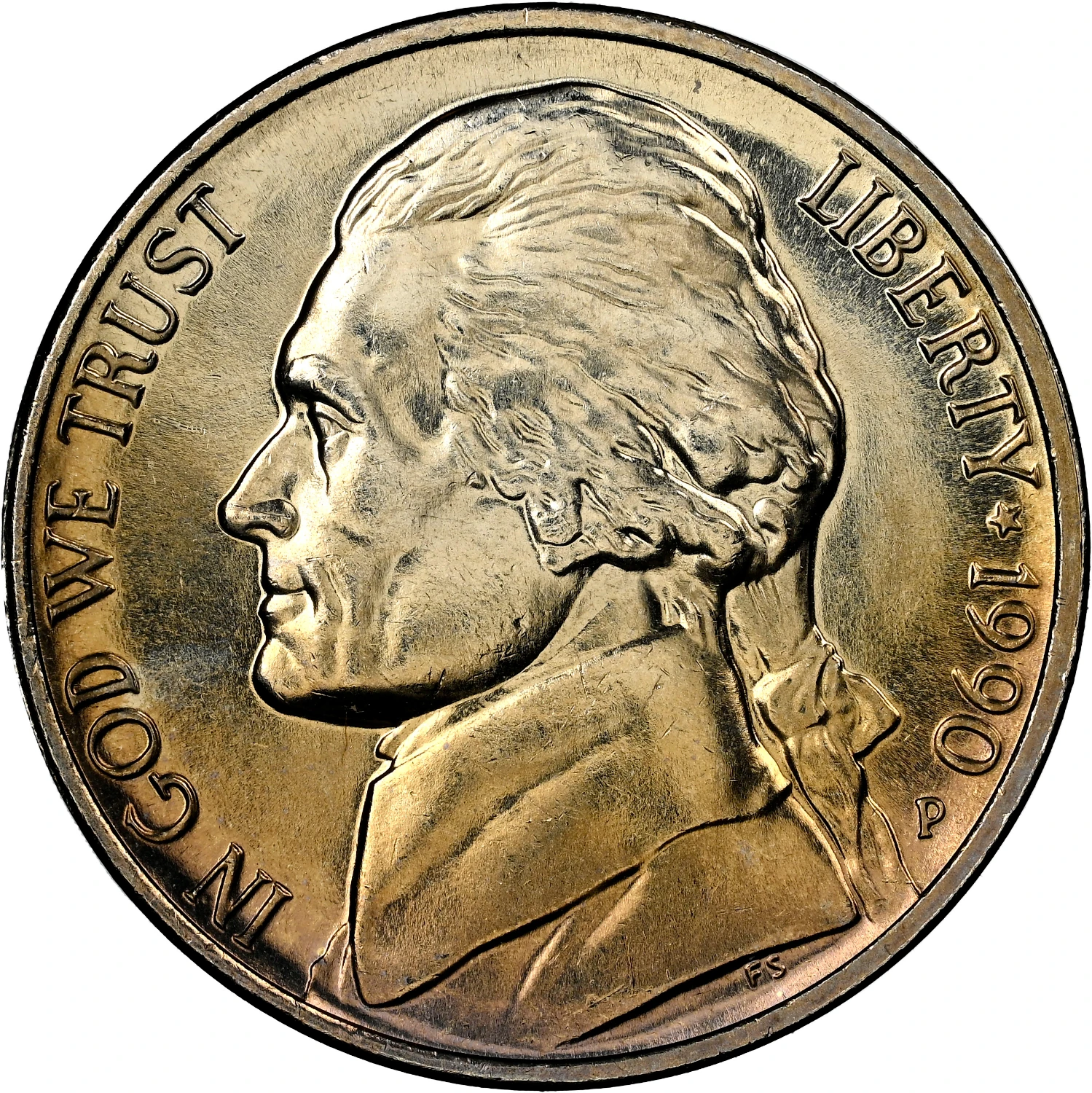
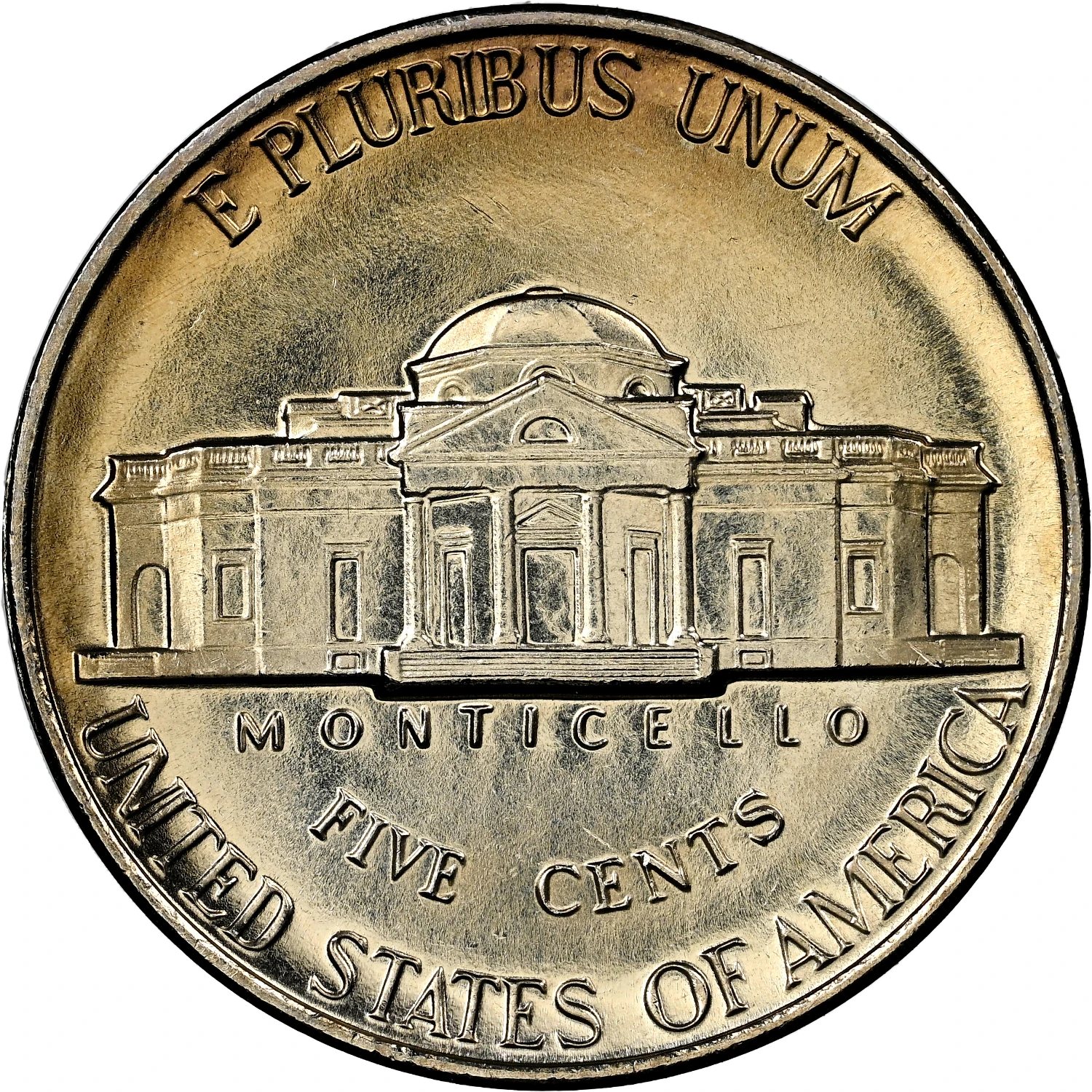
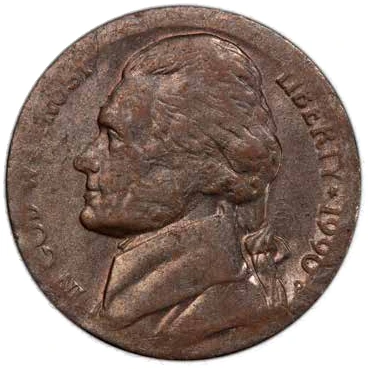
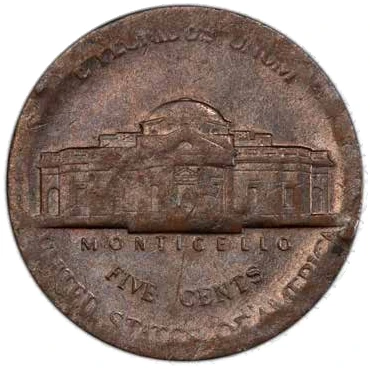
What is normal for this issue?
Ordinary 1990 Jefferson nickels use the familiar side-facing portrait and Monticello reverse. Philadelphia and Denver circulation issues carry P or D on the obverse;San Francisco made collector Proofs. Start with those basic distinctions before interpreting a mark near the date or a reflective surface as unusual manufacture.
The normal alloy is 75% copper and 25% nickel. Darkening can arise on that ordinary alloy, so color is a poor substitute for identifying a blank. The interesting 1990-P case combines an abnormal measured weight with an expanded, broadstruck planchet;its evidence is not simply that it looks brown.
For the broader mechanisms and other dates,compare the nickel error guide. A year-specific attribution still needs the exact diagnostics described below.
How do normal coins and errors compare?
| Coin or observation | Where to look | Meaning | How to confirm | Value context |
|---|---|---|---|---|
| Ordinary 1990-P or D | Normal-weight 5.00 g issue | Standard 75% copper,25% nickel construction | Compare full design and mint letter | Worn ordinary coin:5¢ face value |
| Published 1990-P 3.6 g example | Certified abnormal planchet and broadstrike | Specific documented combination | Mass, diameter and certificate;not color alone | No current sale value established here |
| 1990-P curved clip plus off-center strike | Incomplete blank and displaced design | A separate ANACS MS 63 archive example | Check both mechanisms independently | Not the 3.6 g specimen |
| Dark or flattened nickel | Surface alteration, toning or damage may be present | Not an error diagnosis by itself | Inspect surfaces and original metal | No automatic premium |
Which diagnostics identify the actual cases?
What is established about the 3.6-gram specimen?
Mint Error News published the 1990-P coin as struck on a 3.6 g copper-nickel planchet and broadstruck, with a PCGS AU 58 attribution. The image carries certificate 36246541. Its mass differs substantially from a standard nickel, while the expanded blank shows metal beyond the design. Those characteristics concern one specimen, not every brown 1990-P nickel.
Why should the origin remain an open question?
The article discusses more than one possible origin for the unusual blank. It does not establish a specific foreign denomination as its source. Describe what is documented without turning a proposed mechanism into a fact. The author’s 2020 description of uniqueness should also not be treated as a current, independently maintained population census.
Can a curved clip occur with an off-center strike?
GreatCollections item 1254168 identifies a 1990-P nickel struck 20% off center on a major curved clip, weighing 3.38 g, ANACS MS 63, certificate 7331432. It is a different coin from the 3.6 g broadstrike. A missing part of the blank and an off-center impression can coexist, but one mechanism does not prove the other.
Could the feature be damage?
Does a dark “Black Beauty” appearance establish an annealing error?
No. Darkening also results from environmental exposure and later treatment. An improperly annealed planchet is a manufacturing diagnosis, not a nickname that can be assigned to every black or brown nickel.
Can a flattened nickel imitate a broadstrike?
Yes. Later pressure can widen a coin, distort letters and change the edge. Check for metal flow and preserved original detail consistent with striking outside the collar. Diameter alone does not distinguish an as-struck broadstrike from later alteration.
What do the price records establish?
| Coin or category | Grade or attribution | Amount | Source and date | Basis and limitation |
|---|---|---|---|---|
| Ordinary worn 1990 nickel | P or D circulation issue | 5¢ | Face denomination | No error premium |
| 1990-P 3.6 g CuNi broadstrike | PCGS AU 58;cert 36246541 | Not quoted | Mint Error News, issue 53, Summer 2020, pages 86–87 | Publication documents the coin;no verified completed-sale amount used |
| 1990-P 20% off center on curved clip | ANACS MS 63;recorded 3.38 g | Not quoted | GreatCollections item 1254168, archive accessed November 16, 2026 | Separate specimen and mechanisms |
A genuine error can be collectible without having a trustworthy public price attached to the exact specimen. Neither catalog identification nor an author calling a coin unique supplies a current cash offer. This article therefore does not assign the 3.6 g coin a speculative four-figure value.
Compare like with like:planchet type, remaining design, date visibility, grade, certification and surface problems. An ordinary high-grade nickel or a Full Steps designation belongs to a separate quality comparison. Full Steps does not itself mean the coin suffered a minting error.
How should you check your coin?
1.Record the normal identity
Read 1990 and the P, D or S mint letter. Photograph both complete faces before concentrating on a small mark.
2.Record actual measurements
Weigh the coin and measure the widest and narrowest diameters. An edge view helps evaluate a clip or a collar claim.
3.Separate verified features from proposed origins
Use certification and a matching reference to describe the error. Leave the donor blank and production route unspecified when the evidence does not establish them.
Keep the original photographs and measurements together. HeriBase can help with an initial photo-based identification; a coin-specific error attribution or certified grade still requires the appropriate evidence.
What is the key takeaway?
The documented 3.6 g 1990-P nickel is a specific broadstruck off-metal case. Keep its certificate, measurements and uncertain production origin together;do not price dark ordinary nickels or a separate clipped coin as that specimen.
What else do collectors ask?
Are all 1990-P nickels with dark surfaces errors?
No. Color alone cannot distinguish an abnormal planchet, annealing issue, toning or later damage.
What should an ordinary 1990 nickel weigh?
The nominal standard is 5.00 grams. A precise measurement is useful but is not a complete authentication.
What is unusual about the 3.6 g coin?
Its published attribution combines an abnormal copper-nickel planchet with a broadstrike, PCGS AU 58, certificate 36246541.
Was it struck on a particular foreign coin blank?
The cited article discusses possible origins but does not establish a specific foreign denomination. This guide does not assign one.
Is Full Steps a mint error?
No. It is a strike-detail designation and needs its own grade-and-quality price comparison.
Can you give a current price for the 3.6 g specimen?
No verified public completed-sale amount for that exact coin was established in this research. A speculative amount would be misleading.
Where can you verify the evidence?
References and further reading
- Marc One:1990-P 3.6 g broadstruck off-metal nickel
- GreatCollections:1990-P off-center curved-clip combination
- NGC:ordinary 1990-P nickel reference
References accessed November 16, 2026. Publication dates and historical sale dates are retained separately. A catalog attribution is not itself a sale or a current buying offer.