

 App Store

COIN ERRORS & VARIETIES
1972 Penny Errors: Doubled Die vs. Machine Doubling
Identify the major 1972 Doubled Die Obverse FS-101 with real date and lettering details. Compare normal cents, mechanical doubling, copper color and dated values.
 HeriBase TeamPublished
In this article
What is the error, and what is the value reference?
The best-known 1972 penny error is the Philadelphia Doubled Die Obverse, Die 1 / FS-101. Its doubled date and lettering are features of the die used to strike the coin. Ordinary thick letters, a flattened shelf or a loose “double die” description do not establish that specific variety.
NGC’s historical Doubled Die Obverse guide lists Brown XF40 at $175 and Brown MS63 at $360, updated July 16, 2019; its Red MS63 entry is $415, updated September 18, 2019. These dated references apply to an attributed variety and stated condition/color, not to every 1972 cent or every form of doubling.
What do the normal and attributed coins look like?
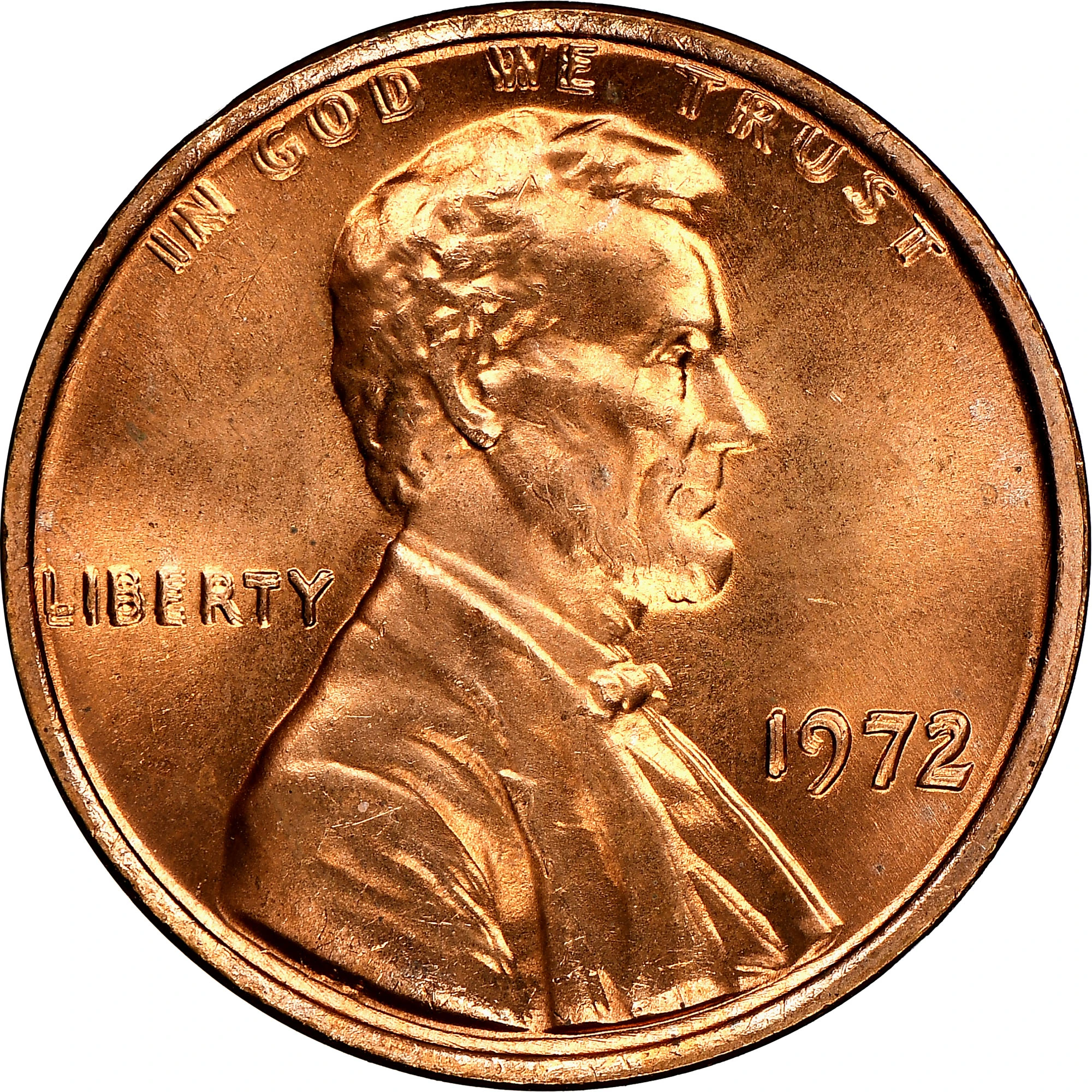
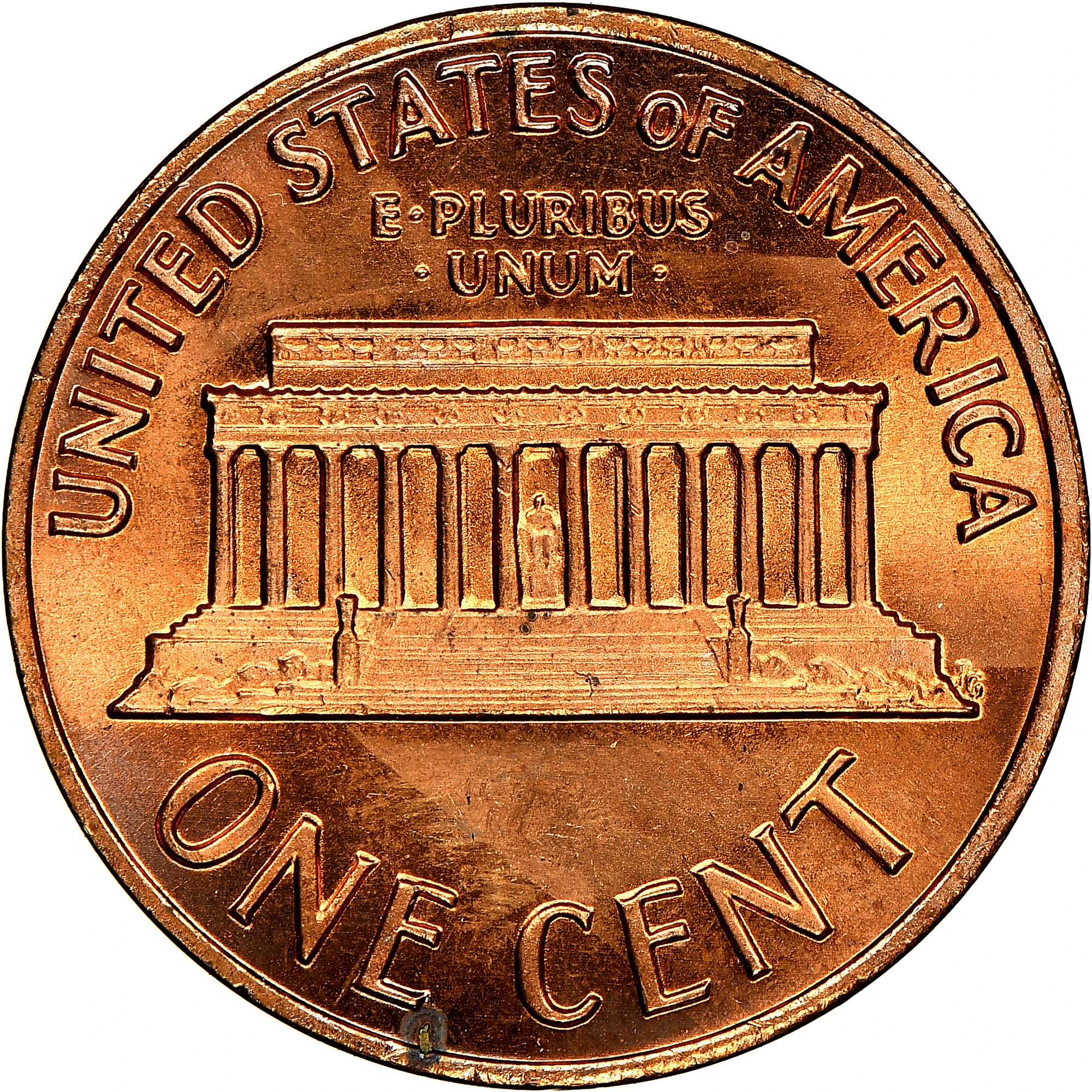
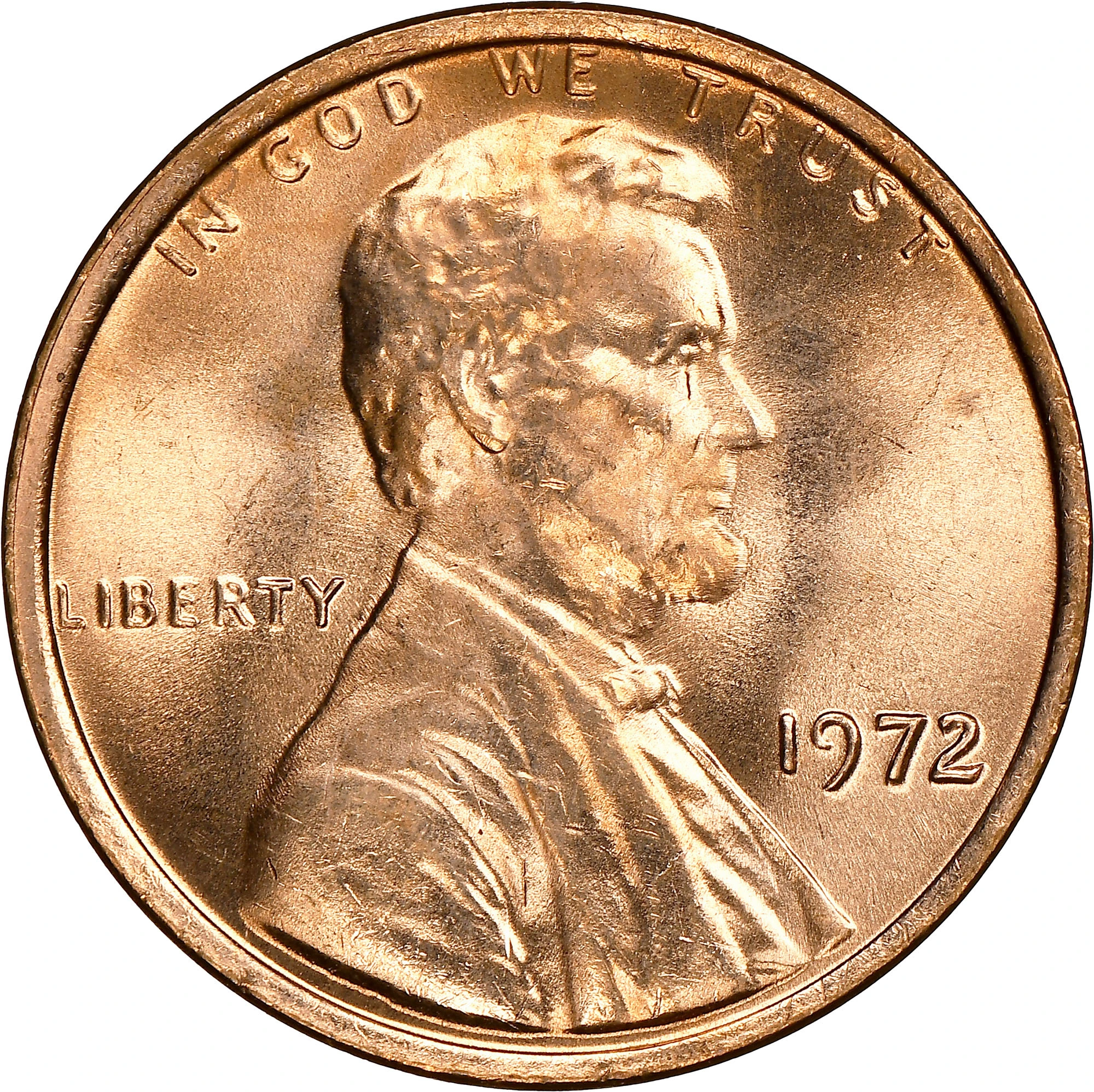
How did this issue come about?
The Lincoln Memorial reverse was the regular cent design in 1972. Philadelphia’s ordinary circulation cents have no mint letter, so an unmarked date is not the special feature. The collecting interest in the major variety comes from the repeated doubled design on the obverse, rather than from the absence of D or S.
A doubled die originates during die manufacture: the working die carries the duplicated design, which it transfers to coins struck from it. Mechanical or machine doubling instead describes an effect associated with striking and movement; it is not the same attribution. The Lincoln penny error and variety list provides a broader index, while this page concentrates on comparing the major 1972 pattern.
| Feature | What applies |
|---|---|
| Coin family | Lincoln Memorial cent |
| Manufacture of target | Circulation strike / attributed die variety |
| Standard construction | Copper-rich bronze; nominal 3.11 g |
| Nominal weight | 3.11 g |
| Edge | Plain |
| What the premium concerns | An identified issue/variety and its preservation; not an unusual-looking mark alone |
How do you check the identifying features?
| Coin / observation | Feature to check | Meaning | Before using a price |
|---|---|---|---|
| Ordinary Philadelphia 1972 cent | Normal date and lettering; no mint letter | No major DDO attribution established | Do not price it from FS-101 sales |
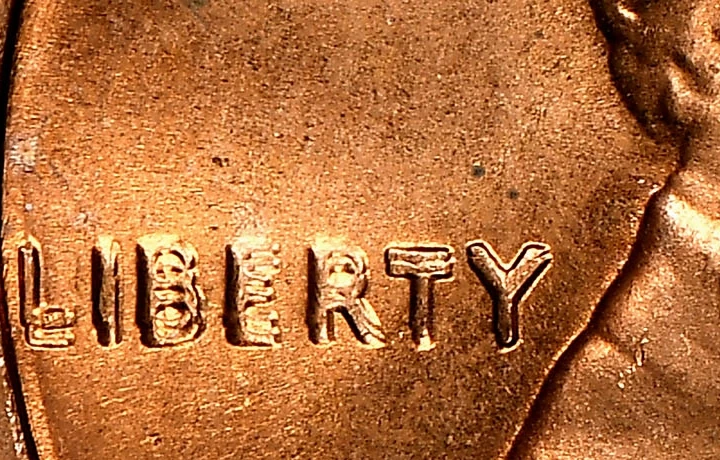
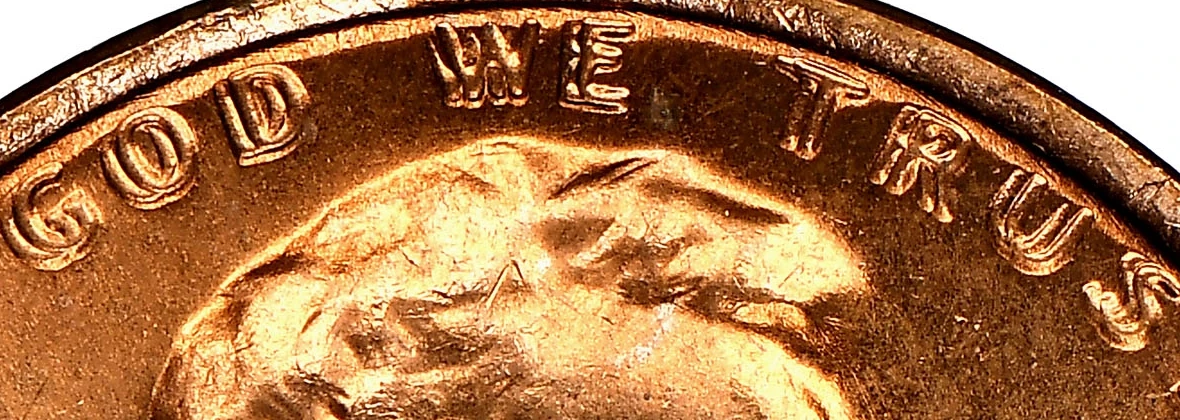
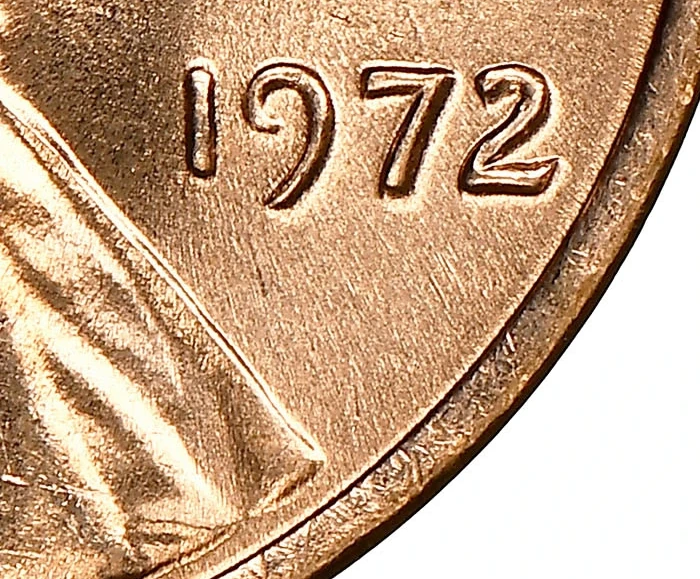
| Major 1972 DDO, Die 1 / FS-101 | Matching doubled date, LIBERTY and motto | Raised duplicated design from the die | Match the whole pattern, not one letter |
| Machine doubling | Often shelf-like flattening or reduction of the main design | A different phenomenon from a doubled die | A doubled-looking edge is insufficient |
| Other varieties or damaged lettering | Pattern may differ, or the surface is disturbed | Needs its own identification | Do not transfer Die 1 prices automatically |
Which features should match FS-101?
Use the date, LIBERTY and IN GOD WE TRUST together. PCGS describes the major Die 1 as having pronounced directional separation across those areas. Compare the relative positions and shapes rather than treating any extra line as confirmation. The enlarged photographs show observation areas on the attributed DDO specimen, with a normal cent alongside.
Why is a flat shelf different?
Machine doubling can leave a low, shelf-like edge and reduce part of the principal design. A doubled die instead transfers the duplicated relief already present in the die. Actual coins can also have more than one surface effect, so this distinction is a starting test, not a promise that a single photograph will settle every example.
Do D or S coins inherit the Philadelphia variety?
No. Read the mint and compare the exact issue before assigning an attribution. This article’s major DDO comparison concerns the Philadelphia Die 1 pattern. Another mint or another 1972 die variety requires its own reference. Missing, filled-looking or damaged letters must not be used to force a coin into the preferred category.
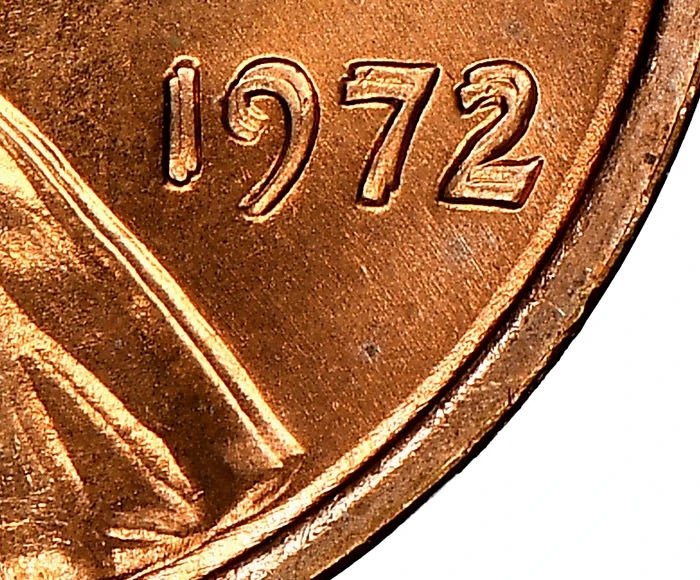
How do grade and designation change the comparison?
The U.S.-dollar figures below are historical retail-guide references. Each row retains its actual source update date in month/day/year format; access on November 13, 2026 is not a price update. Guide estimates, asking prices, completed transactions and dealer buying offers are different evidence.
Photographs illustrate the issue and observation area; they are not offered as a grading certificate for every row. Cleaning, corrosion, scratches or other problems can make straight-grade comparisons unsuitable. Obtain recent like-for-like completed transactions before deciding what to pay or accept.
| Issue / designation | Grade | USD reference | Basis | Source updated |
|---|---|---|---|---|
| DDO, Brown | XF40 | $175 | NGC retail guide | 07/16/2019 |
| DDO, Brown | MS63 | $360 | NGC retail guide | 07/16/2019 |
| DDO, Brown | MS65 | $475 | NGC retail guide | 07/16/2019 |
| DDO, Red-Brown | MS63 | $350 | NGC retail guide | 07/16/2019 |
| DDO, Red-Brown | MS65 | $500 | NGC retail guide | 07/16/2019 |
| DDO, Red | MS63 | $415 | NGC retail guide | 09/18/2019 |
| DDO, Red | MS65 | $635 | NGC retail guide | 09/18/2019 |
| DDO, Red | MS67 | $5600 | NGC retail guide | 09/18/2019 |
| Ordinary 1972, Brown | XF40 | $0.05 | NGC retail guide | 07/04/2022 |
| Ordinary 1972, Red | MS65 | $10 | NGC retail guide | 07/17/2019 |
Why are copper colors separate?
BN means Brown, RB Red-Brown and RD Red. These grading designations concern remaining original color and are independent of the numerical grade. A worn brown coin is not comparable to a superb Red Mint State specimen. Polishing or chemical brightening cannot restore the original color designation and can damage the evidence.
What can the dated table tell you?
It shows the large difference between ordinary cents and the attributed DDO while keeping grade and color visible. It does not supply a live buying offer. For present valuation, look for recent completed examples of the exact variety, grade and surface quality, including any Details designation or other disclosed problem.
How should the headline auction be used?
PCGS records a $14,400 Heritage sale for a Red MS67+ DDO on June 9, 2019. That exceptional grade and color are essential parts of the result. The plus grade, preservation and sale circumstances cannot be ignored when comparing it with a lower-grade Brown cent or an unverified doubled-looking coin.
How should a possible example be documented?
How should the diagnostic photographs be made?
Use diffuse light for the whole obverse, then closer images of the date, LIBERTY and motto. Keep all the lettering in focus rather than relying on digital sharpening. Include the reverse to document the complete coin, and keep the normal comparison at a similar scale so that ordinary serif shapes are not mistaken for extra design.
What should happen before submission or sale?
Write down the proposed attribution separately from the proposed grade. If the first is uncertain, resolve it before selecting a value row. Keep the surfaces untouched and disclose known cleaning or damage. For a higher-value specimen, independent attribution is more useful than repeating an online asking price.
For a first record, photograph both faces and the observation area under even light. HeriBase can help organize a photo-based identification; important variety, manufacture and surface questions still need the referenced diagnostics or specialist examination. A photo result is not a certified grade, authentication or buying offer.
Browse related categories through the existing Coin Errors & Varieties directory.
What should you conclude before pricing it?
A 1972 penny earns the major DDO comparison by matching the Die 1 / FS-101 date and lettering pattern. Identify the variety first, then assess grade and original copper color. Machine doubling, another die variety or altered surfaces should not be priced from a top-grade Red FS-101 sale.
What else do collectors ask?
Is a 1972 penny with no mint mark an error?
No. Philadelphia circulation cents normally have no mint letter. The major DDO is identified by its doubled design.
What is FS-101 on a 1972 penny?
It identifies the major Die 1 Doubled Die Obverse attribution discussed here.
Does all 1972 doubling have the same value?
No. The major variety, other die varieties, machine doubling and damage require different comparisons.
Can I confirm the variety from the date alone?
Compare the date, LIBERTY and motto together. One doubled-looking edge is not enough.
Can cleaning make a Brown DDO worth the Red price?
No. Red is an original-color designation; cleaning alters the surfaces rather than restoring that status.
Is the $14,400 result a typical 1972 penny price?
No. It concerns a particular Red MS67+ DDO sold in June 2019, not ordinary cents or all examples of the variety.
Which references support this guide?
References and further reading
- NGC: 1972 DOUBLED DIE OBV 1C MS issue and dated guide
- NGC: 1972 1C MS issue and dated guide
- PCGS: major 1972 DDO, Die 1 diagnostics and 2019 Heritage result
- PCGS: Brown DDO and FS-101 classification
- NGC: coin surface problems and Details grading
Sources accessed November 13, 2026. Guide update dates and individual sale dates are retained separately. Historical certification totals or estimated error mintages are not presented as current population counts.