

 App Store

COIN ERRORS & VARIETIES · DOLLARS
1888-O Hot Lips Morgan Dollar: VAM-4 Identification and Value
Compare the doubled lips, nose and chin with an attributed Morgan dollar, separate die features from damage, and read grade-specific historical sales.
 HeriBase TeamPublished
In this article
What is an 1888-O Hot Lips Morgan dollar?
The 1888-O Hot Lips dollar is the VAM-4 doubled-die obverse Morgan variety, recognized by an extra raised lip contour and doubling along Liberty’s profile. Confirm the 1888 date and reverse O before comparing it. Value depends on attribution, wear and original surfaces; an ordinary 1888-O does not automatically share the premium.
What does an attributed specimen look like?
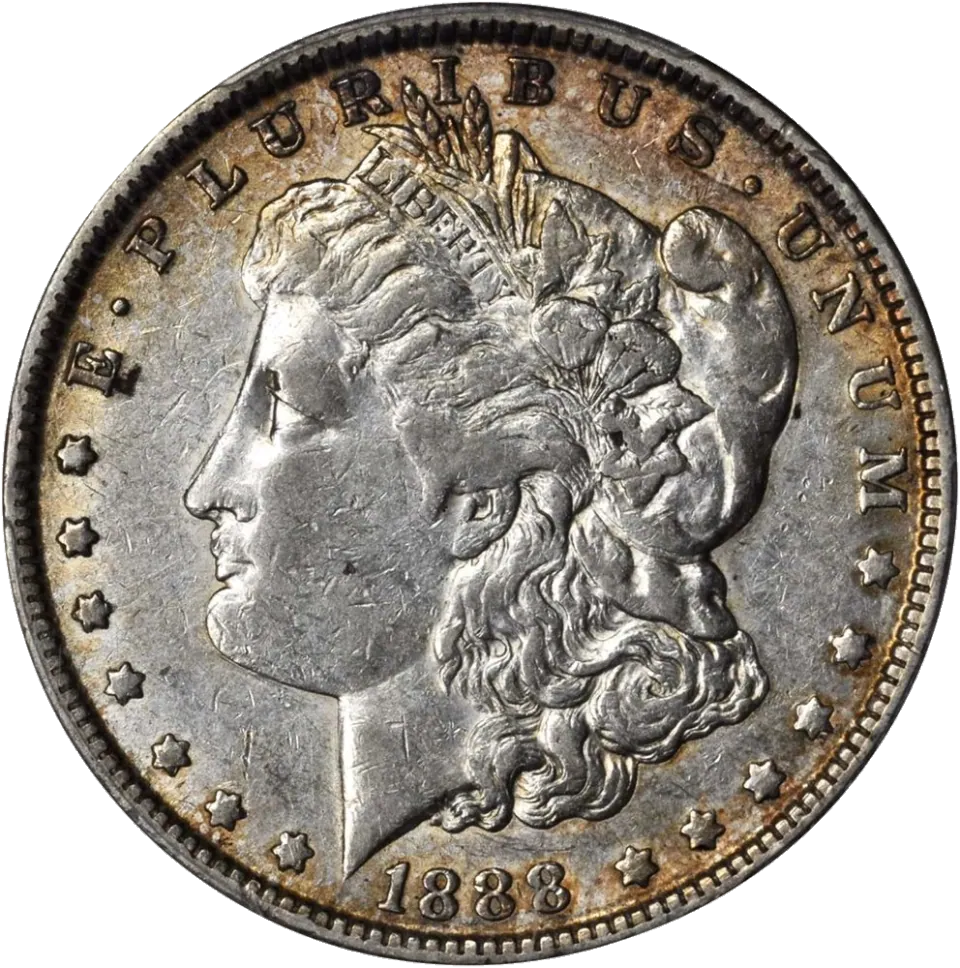
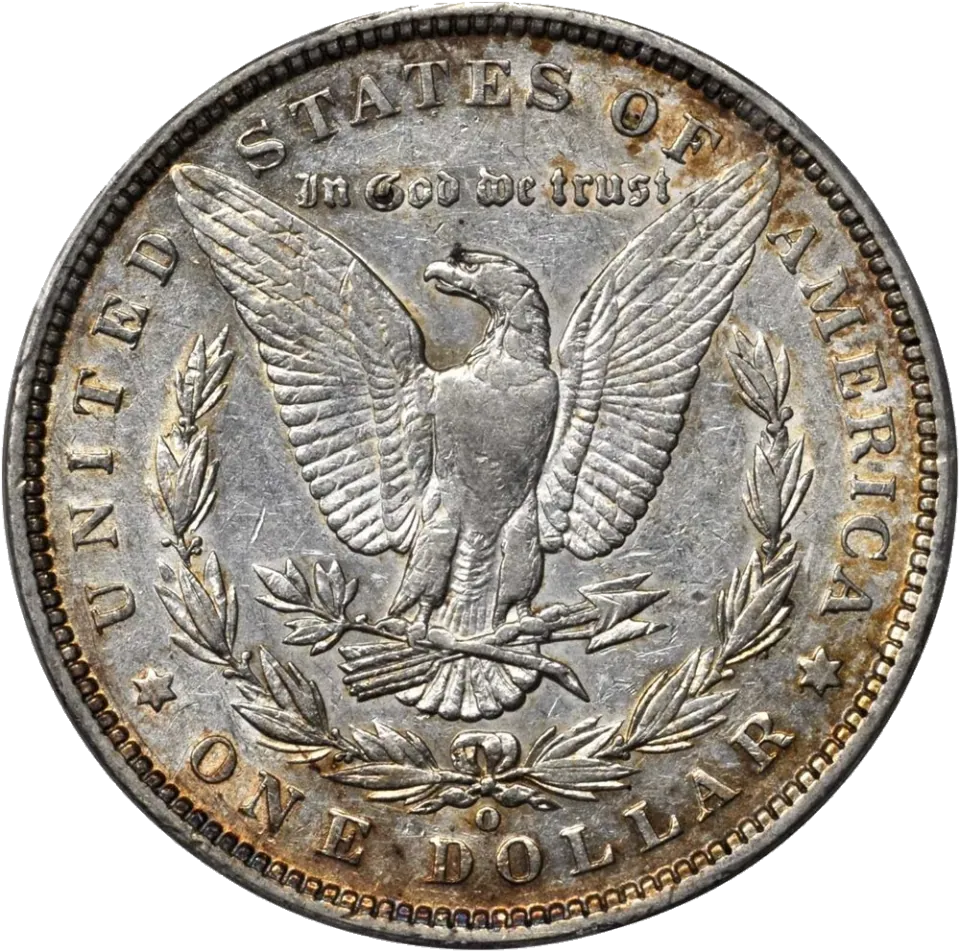
The paired photographs show one attributed coin, rather than a normal obverse paired with a different error reverse. Use the complete coin to establish identity before judging a tiny mark. The 1888 Morgan dollar value guide compares the Philadelphia, New Orleans and San Francisco issues.
Why does a doubled die create this feature?
A doubled die carries duplicated design detail before it strikes a planchet. The resulting extra contour can therefore recur on coins made with that die. This differs from a coin being struck twice, or a scratch made after the coin left the Mint.
The familiar Morgan design was created by George T. Morgan. The 1888-O issue came from New Orleans; its normal specifications are 26.73 grams, 38.1 millimeters and 90% silver. These identify the coin family, not the variety. The Morgan dollar series guide explains the wider design and mint-mark system.
VAM numbers refer to the cataloguing work of Leroy Van Allen and A. George Mallis. Hot Lips is listed as VAM-4 and is included among the Top 100 Morgan varieties. The nickname is a convenient search term; the catalogue attribution is the more precise way to record a collection.
How is Hot Lips different from a normal dollar?
| Coin or observation | What to inspect | What it means | Value implication | Next check |
|---|---|---|---|---|
| Ordinary 1888-O | No matching doubled portrait | Single intended profile | No VAM-4 premium established | Use the ordinary issue and grade |
| 1888-O VAM-4 | Extra raised profile at lips | A repeatable doubled-die feature | Compare attributed coins of similar grade | Confirm date, O and full diagnostics |
| 1888-O Scarface | Raised die-break feature across cheek | Different variety; not Hot Lips | Use its own attribution and comparisons | Do not identify by any facial line |
| Scratched or polished coin | Cut, flattened or disturbed surface | Damage is separate from die doubling | Problem-free prices may not apply | Keep surfaces unchanged for examination |
Where should the doubled profile be visible?
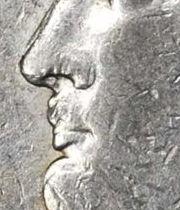
Begin at the mouth: look for an additional raised contour, rather than a darker patch. Continue toward the nose and chin, comparing the relative position of the secondary detail. A single bright edge under one light is weaker evidence than a consistent pattern seen as the coin is tilted.
Hold the coin by its edge and change the light direction. Reflections move; struck relief stays in the same place. Wear can soften the separation, so a low-grade example need not look as crisp as a close-up of a better-preserved specimen.
Why must the reverse O also be checked?
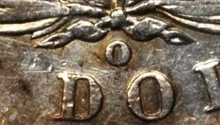
The obverse supplies the date and portrait diagnostics; the reverse supplies the mint letter. Both belong in an attribution record. A doubled-looking mouth on another year or another mint is not established as this specific 1888-O VAM-4.
Do not confuse it with Scarface. That nickname concerns a different die-break feature. Similar-looking marks do not make the two catalogue entries interchangeable.
Could a scratch or cleaning imitate the effect?
Damage may create a groove and displaced metal near a lip, while polishing may change how its outline reflects light. Check whether the feature is cut into the surface, whether nearby texture is disturbed, and whether it actually matches the reference geometry. Raised metal alone is not enough: displaced metal from a hit can also stand above the field.
Photographs cannot establish the authenticity or straight grade of every raw coin. Before paying a substantial variety premium, compare the complete coin with a recognized attribution or obtain specialist examination. Keep the numerical grade and surface condition separate from whether the variety is present.
What do documented sales tell us about value?
| Attributed coin | Grade | Reported realized amount | Sale and lot | Price basis |
|---|---|---|---|---|
| VAM-4 Hot Lips, photographed above | PCGS AU50 | $360 | Stack’s Bowers, December 2017, lot 91403 | PCGS-reported sale price; not a current bid |
| VAM-4 Hot Lips, separate specimen | NGC VF25 | $189.10 | Heritage, June 8, 2026, lot 50333, sale 60544 | Published realized total; buyer’s premium terms listed at 22% |
These are two individual transactions, not the endpoints of a guaranteed price range. The photographs illustrate the first specimen only. Different wear, cleaning, marks and demand can change a result; the dates also differ. Neither sale proves a present-day price for an unexamined coin.
For an estimate today, first establish attribution and condition, then seek several recent completed sales in the same grade and surface category. Keep auction fees separate from the seller’s eventual proceeds.
How can you check a possible example in three steps?
- Record identity. Photograph the full 1888 obverse and the reverse O without cropping away the rim.
- Record the diagnostic. Take focused, differently lit views of the mouth, nose and chin; compare them with the attributed profile.
- Record condition before price. Note wear and surface problems, retain any certification details, and select comparable attributed transactions.
Store those images with a descriptive collection entry. Avoid cleaning or tracing a feature with a tool. For a different dollar mechanism, compare John Adams repeated edge lettering, where the extra inscription is on the edge rather than Liberty’s portrait.
What should you conclude before assigning a premium?
Hot Lips means a specific 1888-O doubled-die attribution, not any unusual-looking mouth. Match the date, mint and raised profile, then assess preservation. Use the sales as dated evidence and obtain current comparable results before deciding what to pay or accept.
What else should collectors check?
Is every 1888-O Morgan dollar a Hot Lips coin?
No. The mint and date identify the issue; VAM-4 requires the matching doubled-profile diagnostics.
Is Hot Lips a double-struck dollar?
No. It is a doubled-die obverse variety. The duplicated detail was in the die, rather than requiring two strikes on the finished coin.
Where is the O mint mark?
On the reverse, below the wreath and above DO in DOLLAR.
Is Hot Lips the same as Scarface?
No. They are different recognized varieties with different diagnostic features.
Can a circulated coin still show the variety?
Yes. Wear can soften the features, so compare the geometry carefully rather than expecting every coin to look equally sharp.
Does the $360 sale establish my coin’s value?
No. It concerns the pictured PCGS AU50 specimen in December 2017. Your attribution, condition, surface quality and selling date must be assessed separately.
Which references support this guide?
References and further reading
- PCGS: portrait diagnostics and the 1888-O VAM-4 grading set
- PCGS CoinFacts: exact attribution and normal issue specifications
- PCGS: VAM terminology and collecting background
- PCGS auction record: Stack’s Bowers December 2017 lot 91403, AU50, $360
- Heritage: June 8, 2026 lot 50333, VF25, $189.10
Sources checked November 13, 2026. Transaction dates remain the dates of the individual sales; they are not current price updates.