

 App Store

COIN ERRORS & VARIETIES
1971 No S Nickel: Proof Error Identification and Value
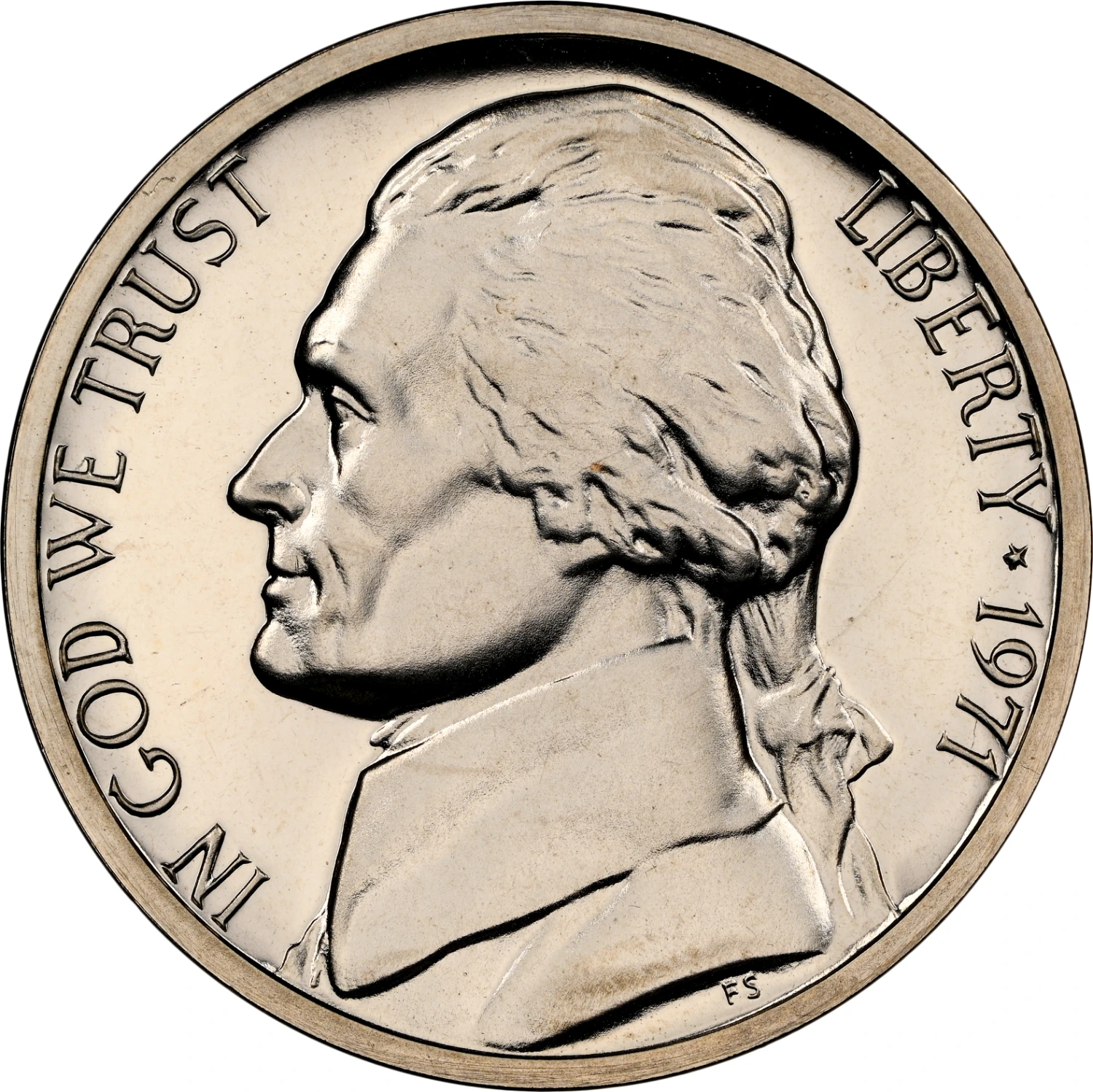
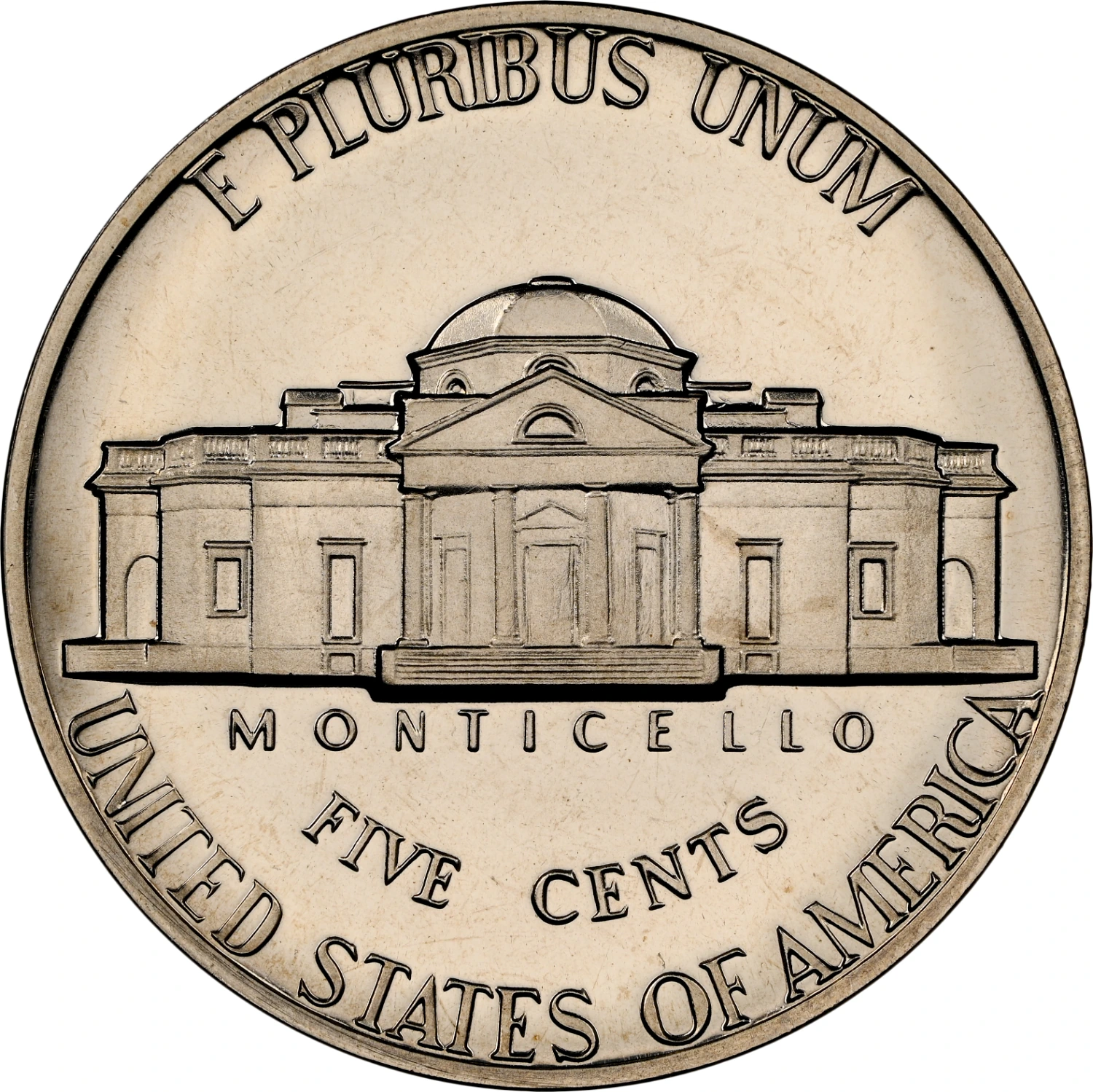
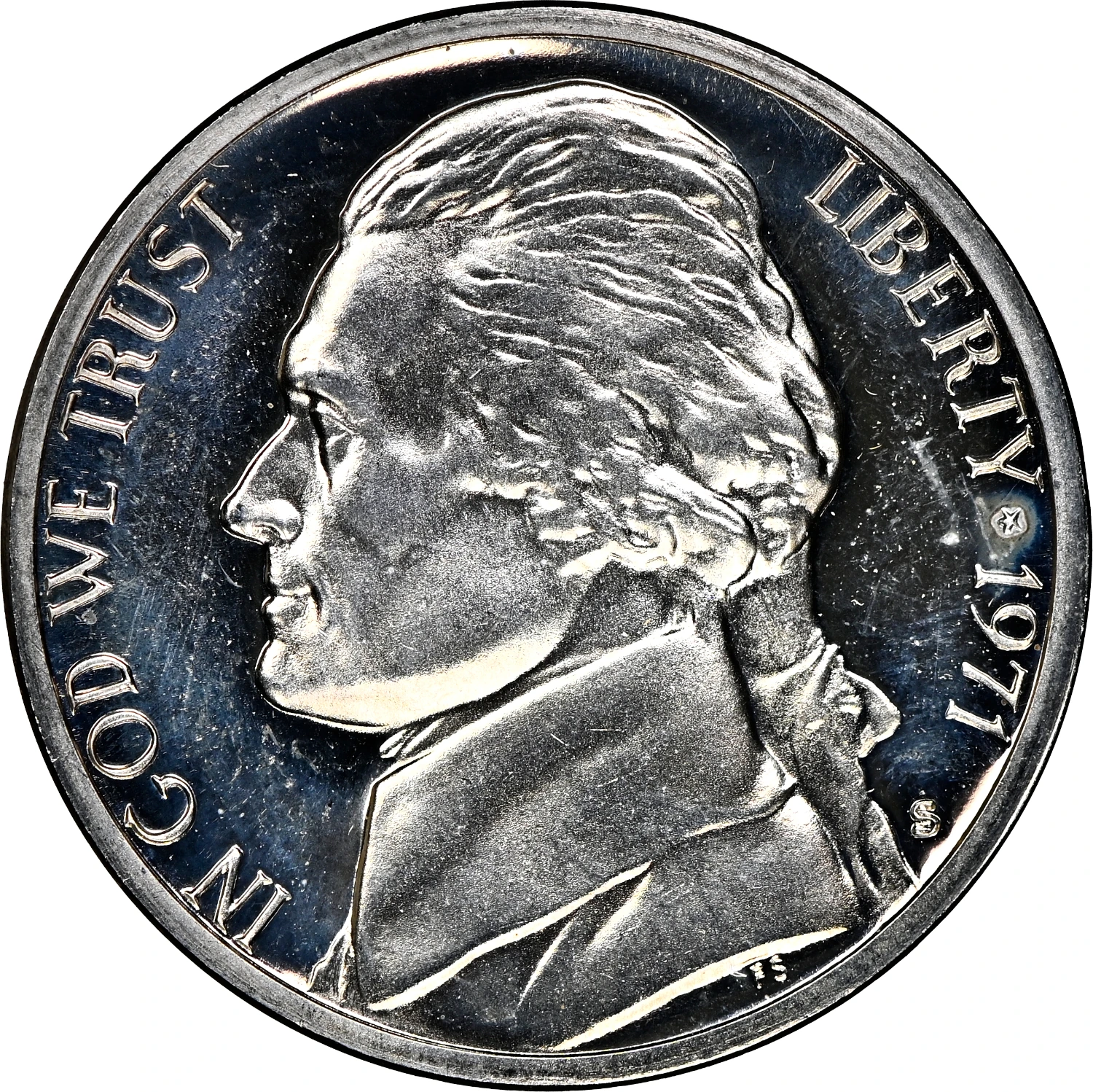
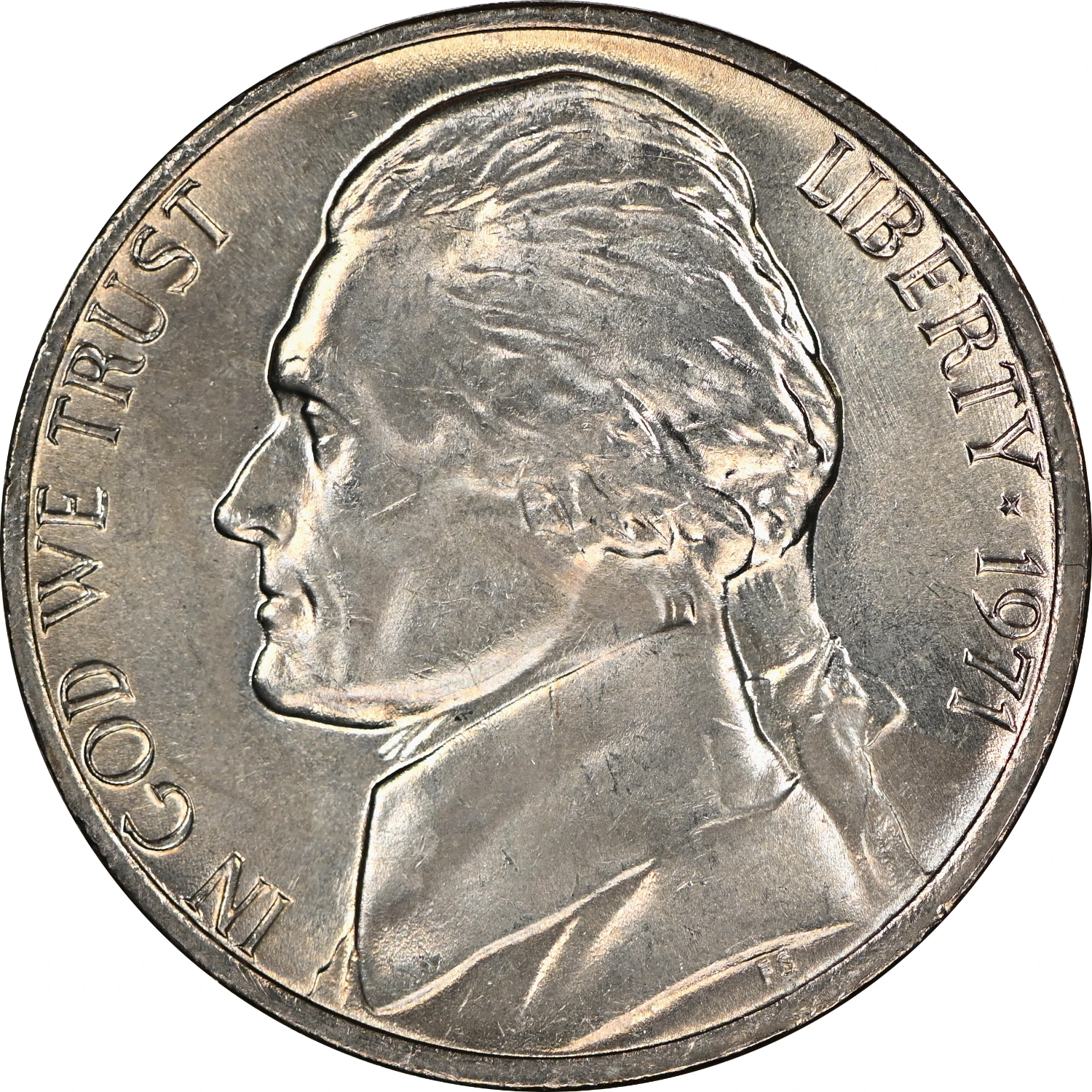
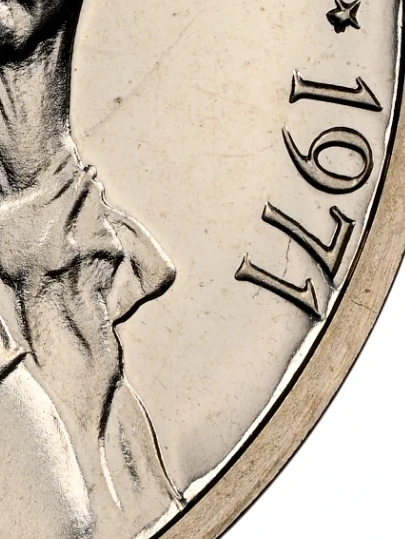
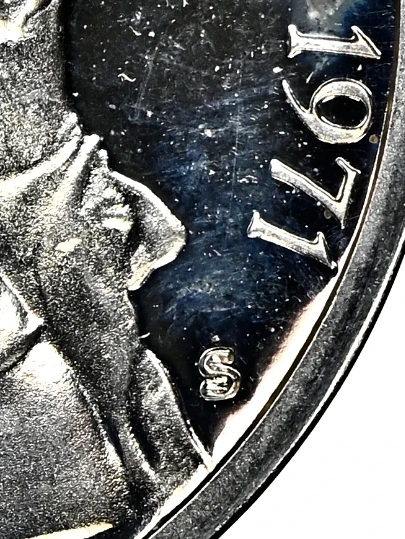
Compare a genuine 1971 No S Proof nickel with a normal 1971-S Proof and a Philadelphia circulation coin. Check the mint-mark area, finish, surfaces and dated values.
 HeriBase TeamPublished
In this article
What is the error, and what is the value reference?
A 1971 No S nickel is a collector Proof struck without the intended San Francisco S. An ordinary Philadelphia 1971 circulation nickel also lacks a mint letter, but that normal blank does not make it the Proof error. Establish the manufacture before treating a missing letter as valuable.
For a dated comparison, NGC’s May 20, 2019 base Proof guide lists the No S at $800 in PF63 and $950 in PF65; its regular 1971-S Proof PF65 entry is $5. These are historical retail references, not current bids. Grade, surfaces and Cameo contrast must match before comparing an individual coin.
What do the normal and attributed coins look like?
How did this issue come about?
The key change in 1971 was the end of San Francisco’s circulating nickel production. Its S-marked nickels for this year were collector Proofs, while Philadelphia and Denver supplied circulation coins. A normal unmarked Philadelphia coin and an abnormal unmarked San Francisco Proof therefore coexist under the same date.
On the recognized error, the Proof die lacked its intended mint mark. The missing letter was reproduced as the die struck coins; it was not removed from each finished nickel. That mechanism explains why an apparently blank spot needs to be assessed with the rest of the coin, rather than enlarged in isolation. The nickel error guide places it alongside other manufacturing errors and die varieties.
| Feature | What applies |
|---|---|
| Coin family | Jefferson five-cent piece |
| Manufacture of target | Collector Proof |
| Standard construction | 75% copper, 25% nickel |
| Nominal weight | 5.00 g |
| Edge | Plain |
| What the premium concerns | An identified issue/variety and its preservation; not an unusual-looking mark alone |
How do you check the identifying features?
| Coin / observation | Feature to check | Meaning | Before using a price |
|---|---|---|---|
| 1971 Philadelphia circulation nickel | No letter is expected | Circulation-strike surfaces; assess wear separately | A normal issue, not the No S Proof |
| Regular 1971-S Proof | Small S on the obverse near the date | Collector Proof manufacture | Normal marked comparison |
| 1971 No S Proof | Intended S is absent | Must establish genuine Proof manufacture | Recognized missing-mark issue |
| Polished or altered nickel | Letter may appear weak, damaged or absent | Hairlines, disturbed texture or altered relief may be present | Appearance alone does not authenticate an error |
Where should the S be?
Inspect the obverse near the date, using the regular S Proof photograph as the positional reference. Check the complete date before magnifying the blank area. A photograph that clips the date or shows only a tiny patch cannot establish both identity and manufacture.
How can a Proof be distinguished from a polished circulation coin?
Examine the fields, devices, edges of lettering and overall strike together. Reflective fields are useful evidence, but shine is not a production category. Polishing can create reflectivity while leaving parallel hairlines or changing the surface around relief. A raw coin needs more than a mirrorlike patch to justify a Proof attribution.
Does the missing letter itself prove FS-501?
No. PCGS lists the missing-S Proof as FS-501, but assigning a catalogue number to an unidentified blank spot is circular reasoning. First establish date and Proof manufacture, then exclude a removed or obscured mint mark. For a consequential purchase, seek an independent attribution or check the certification against the actual coin.
How do grade and designation change the comparison?
The U.S.-dollar figures below are historical retail-guide references. Each row retains its actual source update date in month/day/year format; access on November 13, 2026 is not a price update. Guide estimates, asking prices, completed transactions and dealer buying offers are different evidence.
Photographs illustrate the issue and observation area; they are not offered as a grading certificate for every row. Cleaning, corrosion, scratches or other problems can make straight-grade comparisons unsuitable. Obtain recent like-for-like completed transactions before deciding what to pay or accept.
| Issue / designation | Grade | USD reference | Basis | Source updated |
|---|---|---|---|---|
| No S Proof, base | PF63 | $800 | NGC retail guide | 05/20/2019 |
| No S Proof, base | PF65 | $950 | NGC retail guide | 05/20/2019 |
| No S Proof, base | PF67 | $1000 | NGC retail guide | 05/20/2019 |
| No S Proof, base | PF68 | $1100 | NGC retail guide | 05/20/2019 |
| No S Proof, Cameo | PF65 | $1000 | NGC retail guide | 05/20/2019 |
| No S Proof, Ultra Cameo | PF65 | $1200 | NGC retail guide | 05/20/2019 |
| Normal S Proof | PF65 | $5 | NGC retail guide | 05/20/2019 |
| Normal Philadelphia circulation strike | MS65 | $15 | NGC retail guide | 10/24/2022 |
How much does condition change the comparison?
The table below separates the No S Proof, its Cameo and Ultra Cameo guide entries, a normal S Proof and an ordinary circulation strike. PF is Proof, while MS is Mint State for circulation strikes. A high numerical grade in one manufacturing category does not make it equivalent to the same number in another.
Are Cameo and Ultra Cameo automatic?
No. These describe the assessed contrast between frosted devices and fields. They are separate from whether the S was omitted. Use the designation on the individual graded specimen and the appropriate service’s terminology; do not promote a coin from ordinary Proof to a contrast category because one photograph was taken under flattering light.
What does a recorded sale establish?
PCGS’s FS-501 page records a Heritage sale of $3,120 for PR69 on October 10, 2021. This is one certified specimen’s historical transaction, not a price for every No S nickel. Different surfaces, grades, contrast and selling circumstances can produce different results. Confirm the lot description and price basis when using a transaction as a comparison.
How should a possible example be documented?
What should you record before seeking an appraisal?
Make a full obverse and reverse photograph, a sharply focused image of the expected S position, and a photograph of any holder and certification number. Keep original Proof-set packaging if it accompanied the coin. Packaging can support the history but does not independently authenticate a loose or substituted coin.
What should you avoid doing?
Do not polish the fields, scrape the blank area or use acid to make the surface look cleaner. A naturally missing mint mark is a die-level feature; cleaning cannot improve its authenticity. Handle the coin by its edge and keep it in a suitable inert holder while the identification is checked.
For a first record, photograph both faces and the observation area under even light. HeriBase can help organize a photo-based identification; important variety, manufacture and surface questions still need the referenced diagnostics or specialist examination. A photo result is not a certified grade, authentication or buying offer.
Browse related categories through the existing Coin Errors & Varieties directory.
What should you conclude before pricing it?
A blank mint-mark position is only the starting observation. The valuable 1971 No S issue is a Proof; the ordinary Philadelphia nickel is normally unmarked. Confirm manufacture and original surfaces first, then compare the exact grade and contrast with a dated reference.
What else do collectors ask?
Is every 1971 nickel with no mint mark an error?
No. Philadelphia circulation nickels normally have no mint letter. The recognized No S issue is a Proof.
Where should the S be on a 1971 Proof nickel?
On the obverse near the date. Compare the same area with a normal 1971-S Proof.
Is the 1971 No S nickel a silver coin?
No. Its standard composition is copper-nickel, not the 35% silver wartime alloy.
Can a polished coin be mistaken for a Proof?
Yes. Shine alone cannot establish Proof manufacture, and polishing can damage collectible surfaces.
Does every No S Proof have Cameo contrast?
No. Missing-mark attribution, numerical grade and contrast designation are separate assessments.
Is the old guide figure a current selling price?
No. The table retains each source update date. Obtain recent comparable completed sales or an actual buying offer.
Which references support this guide?
References and further reading
- NGC: 1971 NO S 5C PF issue and dated guide
- NGC: 1971 S 5C PF issue and dated guide
- NGC: 1971 5C MS issue and dated guide
- PCGS: 1971 No S Proof and separate contrast categories
- PCGS: FS-501 attribution and dated Heritage transaction
- NGC: historical discussion of omitted Proof mint marks
Sources accessed November 13, 2026. Guide update dates and individual sale dates are retained separately. Historical certification totals or estimated error mintages are not presented as current population counts.