

 App Store

COIN VALUE GUIDES · PENNIES
1920 Penny Value:No Mint Mark, D, S and Early Wheat Cent Quality
Identify a 1920 wheat penny and compare Philadelphia, Denver and San Francisco by grade and copper color without treating age or weak striking as rarity.
 HeriBase TeamPublished
In this article
Quick answer
A worn 1920 penny is an early bronze Lincoln wheat cent, but age alone does not make it a high-value rarity. NGC’s Brown guide lists Fine references at 50 cents for Philadelphia, $2 for Denver and $2.50 for San Francisco. The P row was updated August 29, 2019 and the D/S rows June 18, 2021; all were accessed November 13, 2026.
Mint and preservation become more significant at better grades. The dated Extremely Fine 40 Brown references are $2.25, $25 and $25 respectively. Original Red Mint State coins are another category entirely. Do not transfer their prices to a worn, cleaned, corroded or uncertain-mint coin.
Coin photos
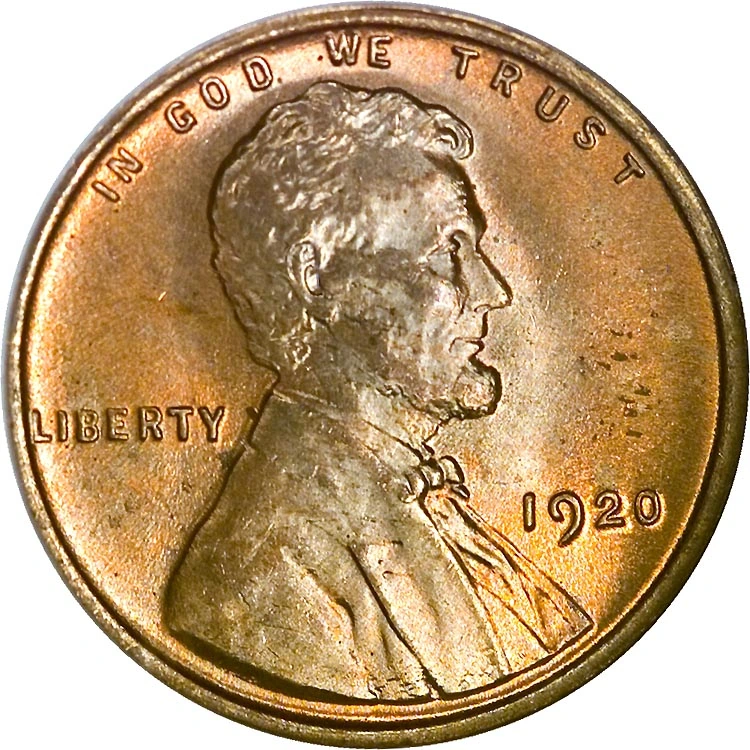
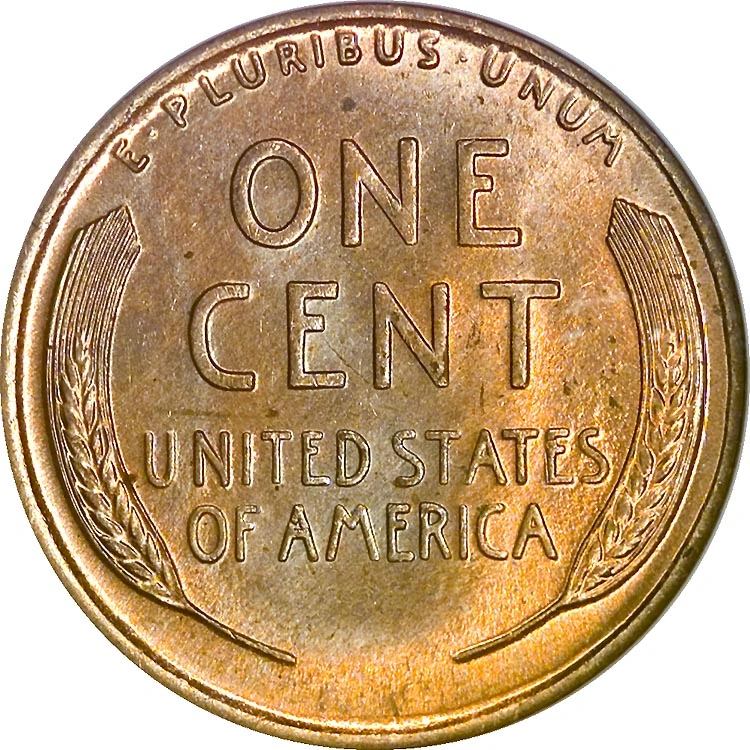
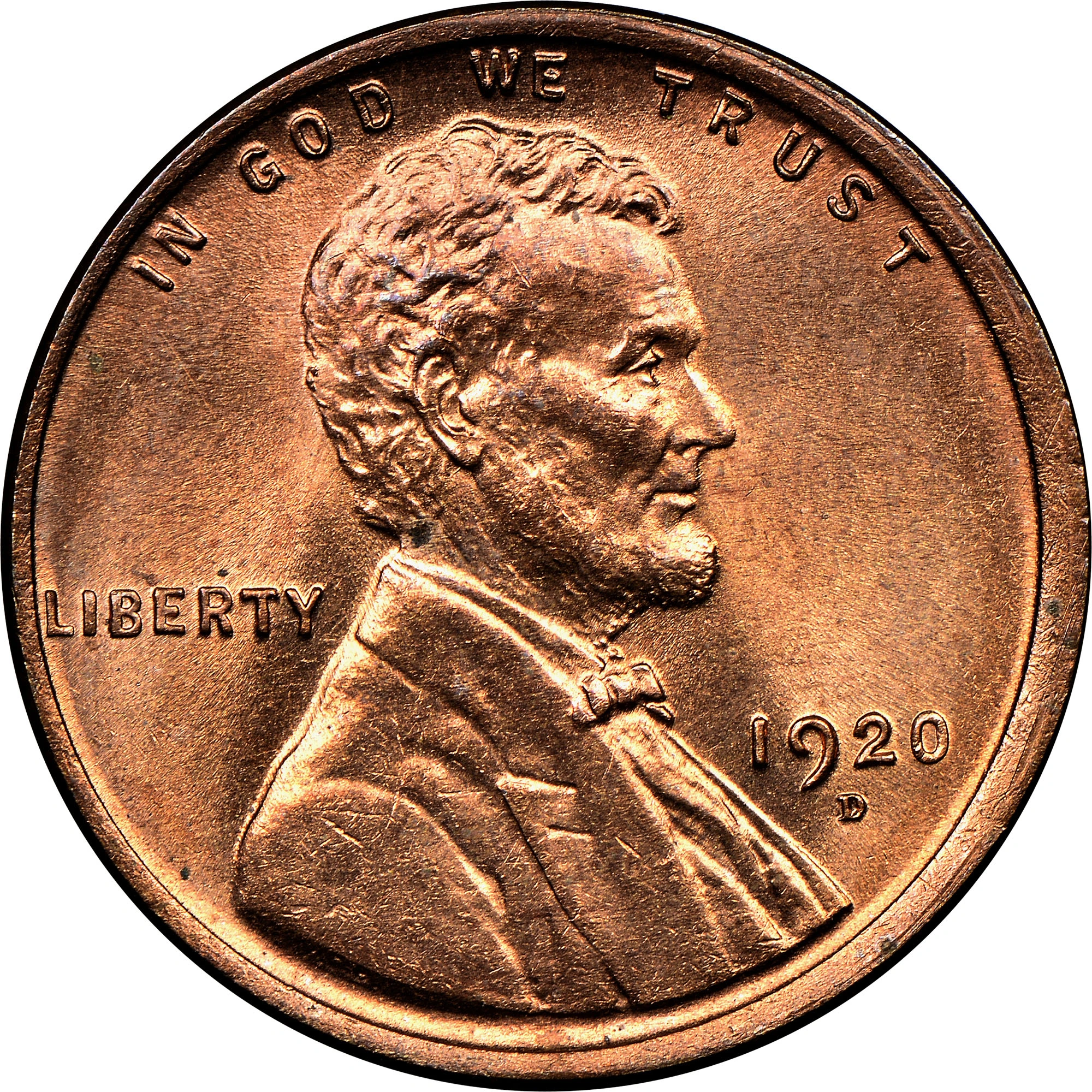
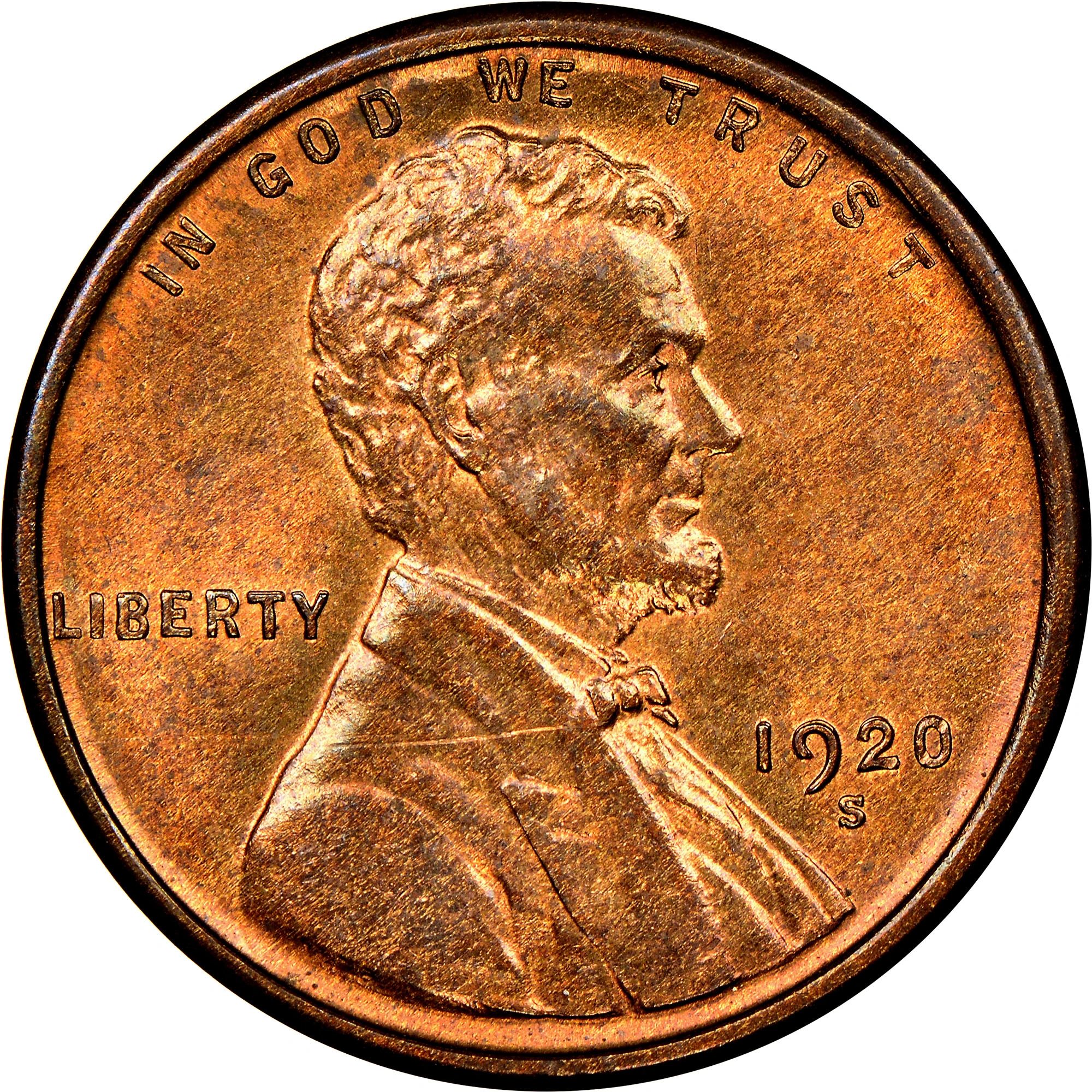
Basics & coin story
Production remained high in the aftermath of World War I, but large output did not guarantee consistent quality. NGC describes relatively accessible Philadelphia coins and frequently poor striking from overused dies on Denver and San Francisco issues. Those differences matter when comparing surviving early wheat cents.
The wheat reverse and Brenner portrait belong to the design introduced in 1909. A date-and-mint collection asks a different question from a collection of fully red, sharply struck gems: the former may be affordable even when the latter is difficult. The wheat penny series guide and key-date overview help put a 1920 coin in that context.
| Feature | What to check |
|---|---|
| Type / denomination | 1920 Lincoln wheat cent / one cent |
| Designer | Victor David Brenner |
| Standard alloy | 95% copper; 5% tin and zinc (bronze) |
| Nominal weight / diameter | 3.11 g / 19 mm |
| Edge | Plain |
| Mint-mark position | Obverse below the date |
Identification
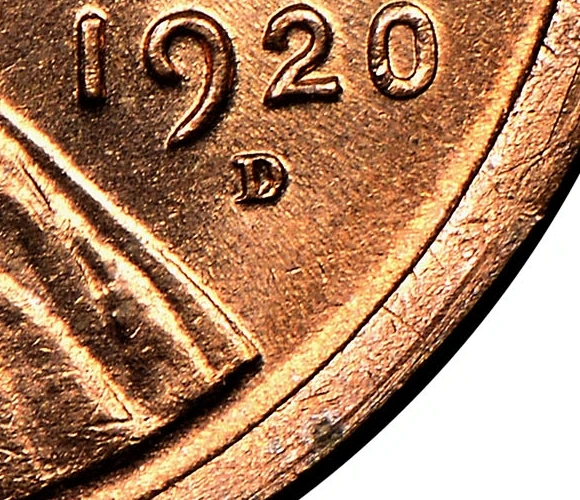
Read the date and the letter directly below it
Confirm every digit in 1920, then look for D or S below the obverse date. No letter is normal for Philadelphia. The reverse should have two wheat ears around ONE CENT. Photograph an unclear letter under changing light; do not scrape it into a preferred interpretation.
Separate weak dies from actual rubbing
NGC describes many D and S coins with distorted peripheral detail or soft designs from long-used dies. A weak wheat ear is therefore not a complete grading method. Look for luster continuity, high-point rub, marks and surface texture across both sides.
Original color cannot be recreated by cleaning
Brown, Red-Brown and Red are distinct copper-color categories. Many surviving S-mint coins have little red color, while even designated Red examples need not resemble the bright appearance of a different mint. Polishing or chemical brightening damages the evidence rather than restoring original color.
Condition & value
Amounts are in U.S. dollars. The final column gives each source row’s update date (month/day/year), separate from the access date of November 13, 2026. Published guides are reference estimates, not guaranteed buying offers or seller net proceeds. Obtain recent like-for-like completed comparisons for an actual transaction.
MS means Mint State. The ordinary table uses Brown (BN) copper entries; Red-Brown (RB), Red (RD), Proofs and attributed varieties are separate.
| Issue | Grade / condition | USD reference | Basis | Source updated |
|---|---|---|---|---|
| 1920 no mark BN | Good | $0.30 | NGC retail guide | 08/29/2019 |
| 1920 no mark BN | Fine | $0.50 | NGC retail guide | 08/29/2019 |
| 1920 no mark BN | Extremely Fine 40 | $2.25 | NGC retail guide | 08/29/2019 |
| 1920 no mark BN | MS63 | $24 | NGC retail guide | 08/29/2019 |
| 1920 no mark BN | MS65 | $60 | NGC retail guide | 08/29/2019 |
| 1920-D BN | Good | $0.50 | NGC retail guide | 06/18/2021 |
| 1920-D BN | Fine | $2 | NGC retail guide | 06/18/2021 |
| 1920-D BN | Extremely Fine 40 | $25 | NGC retail guide | 06/18/2021 |
| 1920-D BN | MS63 | $145 | NGC retail guide | 06/18/2021 |
| 1920-D BN | MS65 | $490 | NGC retail guide | 06/18/2021 |
| 1920-S BN | Good | $0.50 | NGC retail guide | 06/18/2021 |
| 1920-S BN | Fine | $2.50 | NGC retail guide | 06/18/2021 |
| 1920-S BN | Extremely Fine 40 | $25 | NGC retail guide | 06/18/2021 |
| 1920-S BN | MS63 | $220 | NGC retail guide | 06/18/2021 |
| 1920-S BN | MS65 | $1150 | NGC retail guide | 06/18/2021 |
Keep each mint and condition together
The Brown MS63 guide references are $24 for Philadelphia, $145 for Denver and $220 for San Francisco. MS65 references are $60, $490 and $1,150. These are dated, problem-free grade comparisons, not an overall range for every 1920 penny.
A common worn coin and a difficult gem can share a date
A large number surviving in low grades does not establish a large supply of sharply struck, original high-grade coins. Conversely, difficulty in a top Red grade does not make every brown S coin rare. Compare the actual preservation and color before citing an exceptional result.
Do not create an error category from an unexplained mark
Die cracks, impact damage and displaced surface metal are different phenomena. Record the feature and seek the correct mechanism before assigning a variety. There was no regular U.S. Proof cent issue dated 1920. A shiny or unusually sharp example is not a Proof for that reason. Use the surface guide before selecting a premium.
Photograph both faces under even light and record the visible date and mint mark. HeriBase can help organize an initial photo-based identification; verify important mint, finish and variety details against the references before using a price. An app result is not a certified grade, authentication or purchase offer.
Summary
Confirm no mark, D or S, then assess wear, strike and original copper color together. Many worn 1920 cents remain accessible, while better-preserved D and S coins need separate comparisons. Keep surfaces unchanged and leave uncertain variety claims unassigned until supported.
FAQ
Is a 1920 penny with no mint mark rare?
No mark is normal for Philadelphia. Its absence alone does not establish rarity.
Where is the mint mark on a 1920 penny?
It is directly below the obverse date. D is Denver, S San Francisco and no letter Philadelphia.
Why does a sharp Red S-mint comparison not apply to a worn penny?
Mint, condition, strike and retained copper color all form part of that comparison. A worn brown example is a different category.
Should weak wheat stalks be called an error?
No automatic error follows from weak detail. Worn dies, incomplete striking, circulation and damage need to be distinguished.
References
References and further reading
- NGC: 1920 1C MS specifications, issue analysis and dated guide
- NGC: 1920 D 1C MS specifications, issue analysis and dated guide
- NGC: 1920 S 1C MS specifications, issue analysis and dated guide
References accessed November 13, 2026. Guide update dates, source publication dates and sale dates are distinct. No independent examination or current buying offer for a reader’s coin is implied.