

 App Store

COIN COLLECTING
Metal Detecting for Coins: Signals, Search Method and Recording Finds
Build a careful coin-detecting workflow using the detector manual, repeatable sweeps, target checks, permitted recovery and accurate records without guessing dates from signals.
 HeriBase TeamPublished
In this article
How do I start metal detecting for coins?
Begin with a location where detecting and recovery are permitted, then learn your detector using known test targets. Sweep level and consistently, recheck a signal from another direction, and recover without scraping the object. Target identification estimates a response, not a coin’s exact date or value. Record the location and preserve an uncertain find before cleaning.
Reviewed November 13, 2026. Historical figures retain their stated dates, currency and comparison limits.
Which real features should I compare?
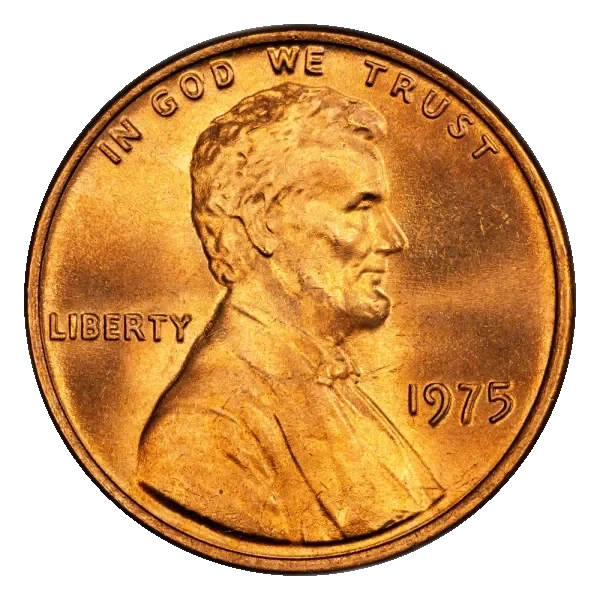
What background helps identify the object?
Why is coin hunting different from identifying a coin?
A detector responds to a target and its surroundings before the object is visible. Identification begins after recovery, when the date, issuer, denomination, edge and actual metal can be examined. Keeping those stages separate avoids the common mistake of treating a promising signal as a guaranteed silver coin or rare date.
The collecting guide covers acquiring and organizing coins. Detecting adds a field method: understanding the instrument, choosing a permitted area, recognizing uncertainty in signals and retaining useful context with each find. This is a process guide, not a claim that a particular site contains valuable coins.
How do the issues and evidence compare?
What should I check before entering a search area?
Confirm the actual land manager’s rules, landowner permission, recovery conditions and any applicable reporting requirements. Permission to enter land does not necessarily authorize detecting, digging or keeping finds. Rules vary by jurisdiction and site; an apparently public park is not automatically available.
As one clearly scoped example, the U.S. National Park Service states that metal detecting and possession of a detector are prohibited in its national parks under its rules. That example should not be generalized into a rule for every country or every land category. When an area’s status is uncertain, verify it with its responsible authority before searching.
How can I learn the machine without chasing random numbers?
Use the exact manufacturer’s manual for setup, ground handling and discrimination. Place several known coins and common non-coin targets in a controlled permitted test setting. Observe how target response changes with orientation, distance and nearby metal. A number learned on one detector should not be copied as a universal ID on another model.
| Observation | Possible interpretation | Check to repeat | What it cannot prove | Record |
|---|---|---|---|---|
| Stable response across directions | Consistent conductive target | Sweep from another direction | Exact coin date or silver content | Mode and displayed ID range |
| Broken or inconsistent response | Mixed targets, depth, orientation or ground effect | Shorter controlled sweeps | Definitely worthless trash | Signal behavior and nearby targets |
| High conductivity indication | One response category | Compare known targets on this machine | Guaranteed rare silver coin | Model and settings |
| Apparent depth | Instrument estimate | Use the manual’s interpretation | Exact target size or identity | Treat estimate as approximate |
| Signal disappears on recovery | Target moved or multiple causes possible | Check hole and removed soil carefully | The original reading was a coin | Recovery observations |
What makes a sweep repeatable?
Keep the coil close to and approximately parallel with the ground, following the manual’s recommended method. Use controlled overlapping passes instead of lifting the coil sharply at each swing end. Recheck a promising signal from another direction and narrow its location before recovery. Reduce the area being searched when signals are crowded rather than making a confident identification from a jumble of responses.
Mineralization, nearby metal, target orientation and depth can change the result. Discrimination can suppress some unwanted responses but also exclude desirable targets. Start with a clearly understood baseline mode and change one setting at a time; retain enough notes to know whether the change improved interpretation.
How should I recover and record an uncertain object?
Follow the permitted recovery method and site-restoration conditions. Work around the estimated target rather than scraping directly across it, keep disturbed material controlled and recheck for more than one target. Avoid aggressive rubbing that may remove a fragile surface or identifying detail. Unknown or hazardous objects require the appropriate site authority, not experimental handling.
Give each object a record before mixing finds together: find date, permitted location reference, detector setup and recovery observations. After identification, add issuer, coin date and denomination. The find date is not the mint date. Avoid publishing precise sensitive locations; preserve the relevant context for the responsible authority when reporting is required.
How do I value a coin after it is found?
First establish the actual identity and surface condition. Soil exposure, corrosion, scratches and earlier cleaning can make a problem-free guide price inappropriate. A signal cannot provide a certified grade or distinguish a valuable variety. Use coin identification followed by appraisal preparation for an important candidate. Do not clean first merely to make a date easier to read.
What should I check in three steps?
- 01Verify site permission, recovery and reporting rules, then learn a baseline setup from the exact detector manual with known test targets.
- 02Sweep consistently, recheck from another direction and narrow the location without assuming a target ID establishes a coin or alloy.
- 03Recover within the permitted method, record context and identify the actual object before cleaning, valuing or combining finds.
What should I remember?
Treat a detector signal as a lead, not an identification. Permissions, a repeatable search method and careful records make a find interpretable. Once recovered, the actual coin’s identity and condition determine the next research step; preserve uncertain surfaces.
What else do collectors ask?
Can target ID tell me a coin’s date?
No. It reports an estimated response category. The date must be read on the recovered object.
Does a strong signal guarantee silver?
No. Other metals and target conditions can produce similar responses. Identify the actual object afterward.
Are detector numbers the same across all machines?
No. Use the exact model’s manual and known test targets rather than a universal number chart.
Can I detect in any public park?
No. Rules depend on the land manager and jurisdiction. Verify detecting, digging and keeping finds separately before searching.
Does owner permission replace local rules?
No. Entry permission and the legal or administrative rules for detecting, recovery and reporting are separate checks.
Should I clean a found coin immediately?
No. Fragile or important surfaces can be damaged. Record the find and identify it before deciding whether specialist conservation is needed.
Which references support this guide?
References and further readingExpand
- Minelab: detector response and discriminationManufacturer explanation of target properties; exact models require their own manuals.
- Minelab instruction manualTarget ID and discrimination are estimates, not date or value identification.
- U.S. National Park Service: archeological placesSpecific NPS restrictions; not presented as a rule for all jurisdictions.