

 App Store

COIN COLLECTING
Christmas Coins: Sixpence Traditions and Collecting Ideas
Explore Christmas sixpence traditions, distinguish coins from tokens and chocolate gifts, and build a clearly documented holiday collection without assuming a rarity premium.
 HeriBase TeamPublished
In this article
What are Christmas coins?
Christmas coins can mean real coins given as gifts, the traditional sixpence associated with Christmas pudding, or modern holiday-themed collector issues. They are not one denomination or one guaranteed value category. Identify issuer, year, metal and manufacture, and separate money from medals, tokens and chocolate novelties before paying a collector premium.
Reviewed November 13, 2026. Historical figures retain their stated dates, currency and comparison limits.
Which real features should I compare?
What background helps identify the object?
Why is a sixpence linked with Christmas pudding?
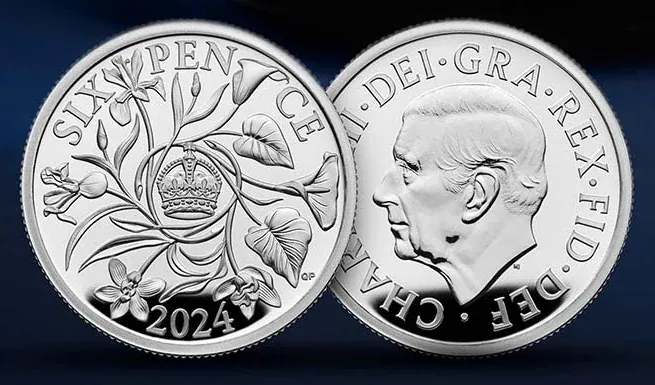
In a British Christmas tradition, finding a small coin in pudding was associated with good fortune. The sixpence became a familiar object for that custom and for family gift-giving. The Royal Mint continues to describe the tradition and offer modern sixpence products. A living tradition does not mean every old coin was originally sold as a Christmas issue.
A family coin can acquire personal meaning through repeated gifting or a recorded occasion. That history is worth documenting in a collection, but sentimental value and an independently established market value are different things. Write down the actual family account without turning it into an unsupported minting or rarity claim.
How do the issues and evidence compare?
| Object | Identity check | Material / manufacture | Value basis | Record to keep |
|---|---|---|---|---|
| Historic sixpence | Issuer, monarch and date | Use that period’s actual alloy | Issue, preservation and demand | Family story separate from catalog identity |
| Modern silver sixpence | Official product and year | Verified silver specification | Exact product and condition | Packaging, certificate and invoice |
| Holiday-themed legal-tender coin | Issuing authority and denomination | Bullion, Proof or other finish | Metal plus supported collector premium | Issue details and completed sales |
| Christmas medal / token | Maker and intended purpose | Not automatically legal tender | Its own collectible category | Maker, date and event |
| Chocolate coin / novelty | Food or souvenir object | Not a metal coin valuation | Gift category | Do not enter as a rare numismatic issue |
Are all old sixpences silver?
No single alloy rule should be applied across every reign and year. British coin compositions changed, and modern silver sixpence products also form a separate collector category. Read the date and consult that issue’s specifications rather than using color, the word sixpence or a holiday story as a metal test. A polished base-metal coin can look bright without being silver.
What is a sensible way to build a holiday collection?
Choose a scope that is easy to explain: a family birth-year coin, a sequence of official Christmas themes, or a small sixpence study by monarch and metal. Record one clear reason each piece belongs. This gives a coherent collection without requiring every holiday-themed item or the most expensive available finish.
For each object, keep issuer, date, denomination, composition and manufacture with its invoice or documentation. If a gift includes a case, ensure the case belongs to the correct issue. A certificate for a different year should not silently become evidence for a loose coin. The collecting guide covers building a manageable set and preserving records.
Does Christmas packaging add a guaranteed premium?
Packaging may matter to buyers of a particular collector product, but it does not guarantee appreciation or authenticate another coin. Compare complete original products with complete original products, and loose historic coins with comparable loose coins. A festive photograph or an unsold gift-shop listing is not a completed market transaction.
No current price range is assigned across this mixed category. A metal-content reference, an original retail price and a resale result answer different questions. Use the value factors guide to keep those bases separate rather than calling every gift coin an investment.
How can the tradition be displayed safely?
A display card or a coin in a separate gift presentation can represent the pudding tradition without concealing hard metal in food. Keep coins away from small children, preserve their surfaces and store them in appropriate holders. Do not scrub a collectible for kitchen use or assume that age, washing or a silver description makes a coin suitable for food contact. A separate presentation also keeps the gift’s documentation intact.
What should I check in three steps?
- 01Identify whether the object is a real coin, collector issue, medal, token or food novelty; read its issuer and date.
- 02Verify the actual metal and manufacture, then record the family or holiday context separately from market claims.
- 03Store and present the coin separately from food, retaining the correct packaging and documentation for any later comparison.
What should I remember?
Christmas is a collecting theme, not a fixed coin type or a guarantee of value. Identify the object first, document its real history and choose a clear collection scope. A separate gift presentation preserves both the tradition and the coin without putting metal into food.
What else do collectors ask?
What is a Christmas sixpence?
It may mean a historic sixpence associated with the pudding tradition or a modern sixpence sold as a seasonal gift. Identify the actual issue.
Is every sixpence made of silver?
No. Composition depends on the country, date and issue. Modern silver gift products are a separate category.
Are Christmas medals legal-tender coins?
Not automatically. Read the issuing authority and denomination rather than assuming all round holiday objects are money.
Does festive packaging guarantee future value?
No. It may matter to a product’s completeness, but authenticity, condition and buyer demand still require evidence.
Can a family story be recorded with the coin?
Yes. Preserve the account and distinguish it from documented mint history, authentication and market value.
Must I put a coin in food to follow the theme?
No. A separate display or gift presentation can acknowledge the tradition while preserving the coin and keeping hard metal out of food.
Which references support this guide?
References and further readingExpand
- Royal Mint: Stir-up Sunday traditionSixpence and Christmas-pudding association; not a universal metal or value claim.
- Royal Mint: modern Christmas sixpenceContemporary collector product and tradition, distinct from historic circulation issues.