

 App Store

COIN VALUE GUIDES · COMMEMORATIVE GUIDE
Commemorative Half Dollars:Classic, Modern, Silver and Clad
Sort U.S. commemorative half dollars by program, date, metal and finish, then use the matching issue guide instead of assuming every commemorative is silver or rare.
 HeriBase TeamPublished
In this article
Quick answer
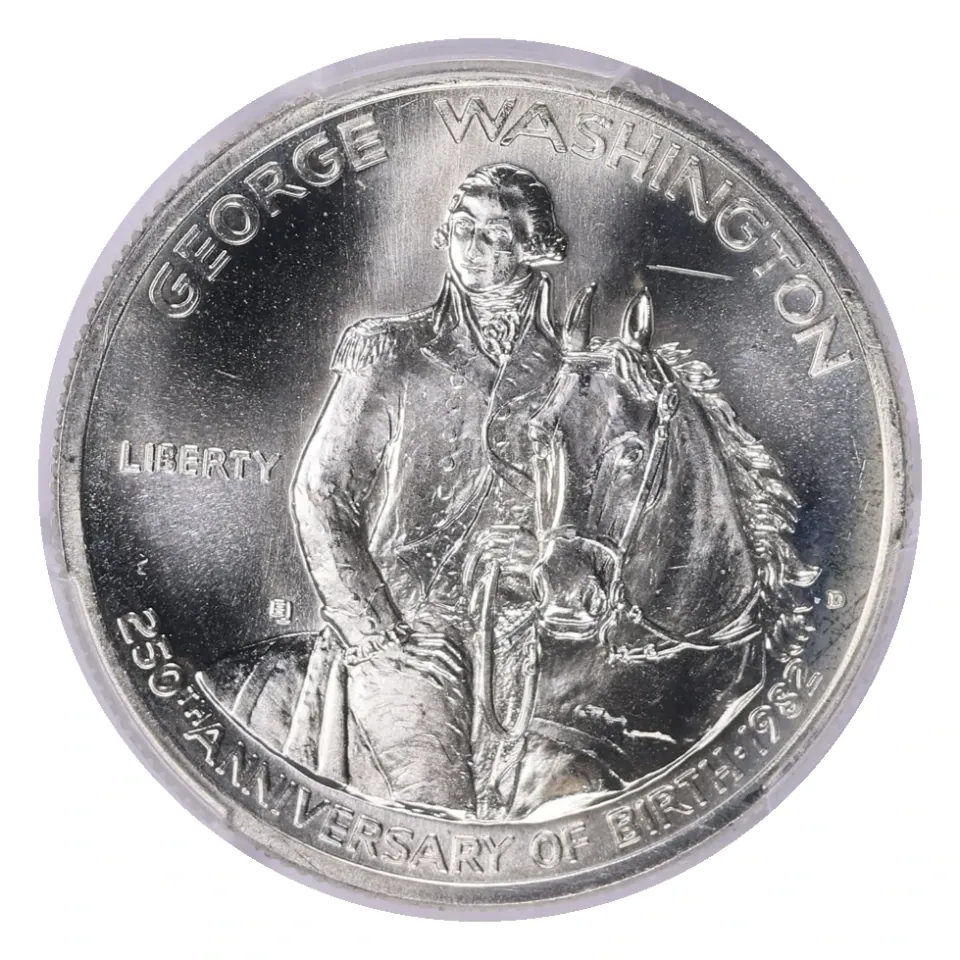
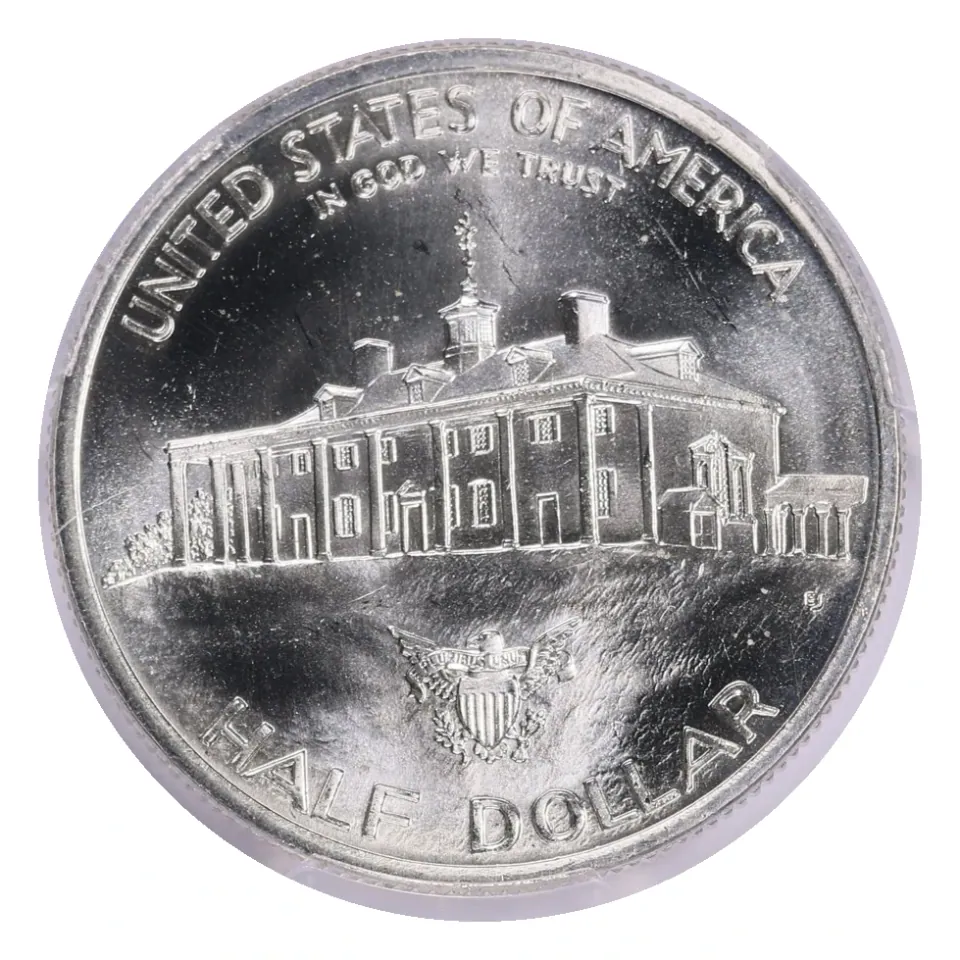
U.S. commemorative half dollars are official fifty-cent coins issued for specific subjects, rather than one continuous regular design. Classic issues begin with the 1892 Columbian half; the modern program resumed in 1982 with the George Washington anniversary half.
Metal is issue-specific. The classic Columbian and Stone Mountain examples and the 1982 Washington half are 90% silver, containing approximately 0.3617 troy ounce each at standard weight. The 1986 Statue of Liberty half is clad. A commemorative theme or Proof finish does not establish silver or a high premium.
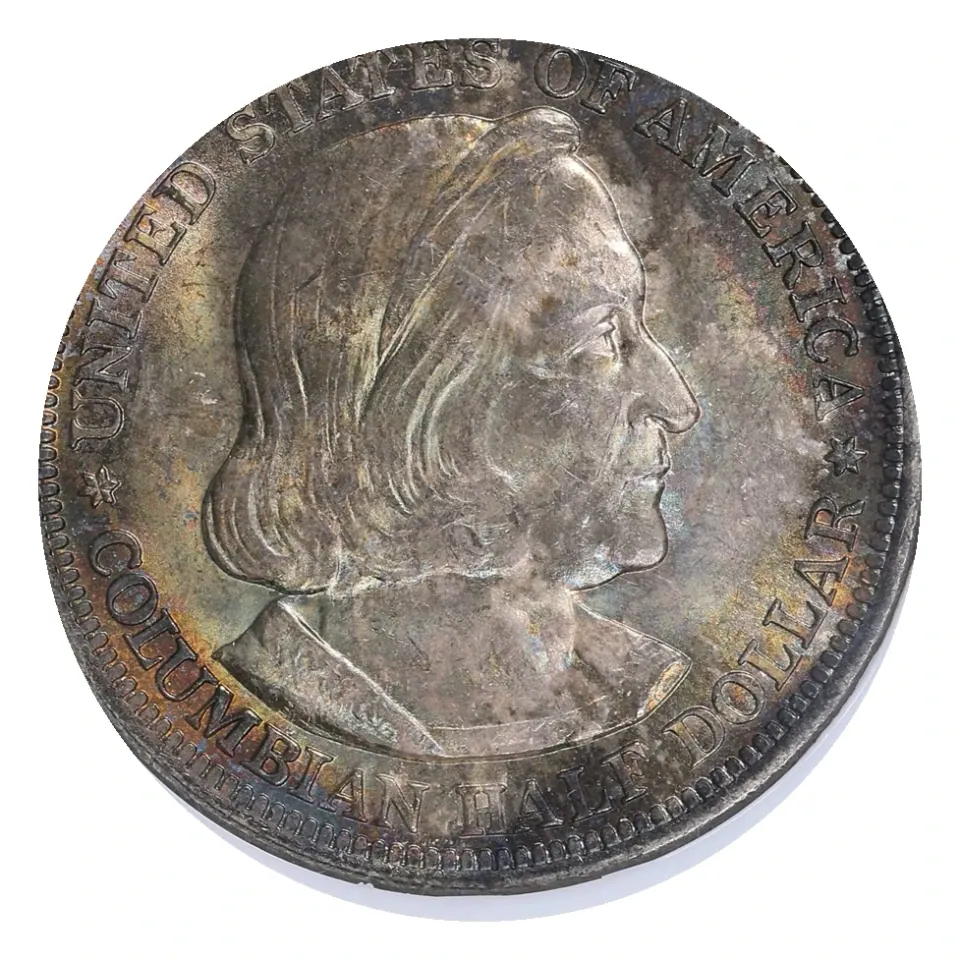
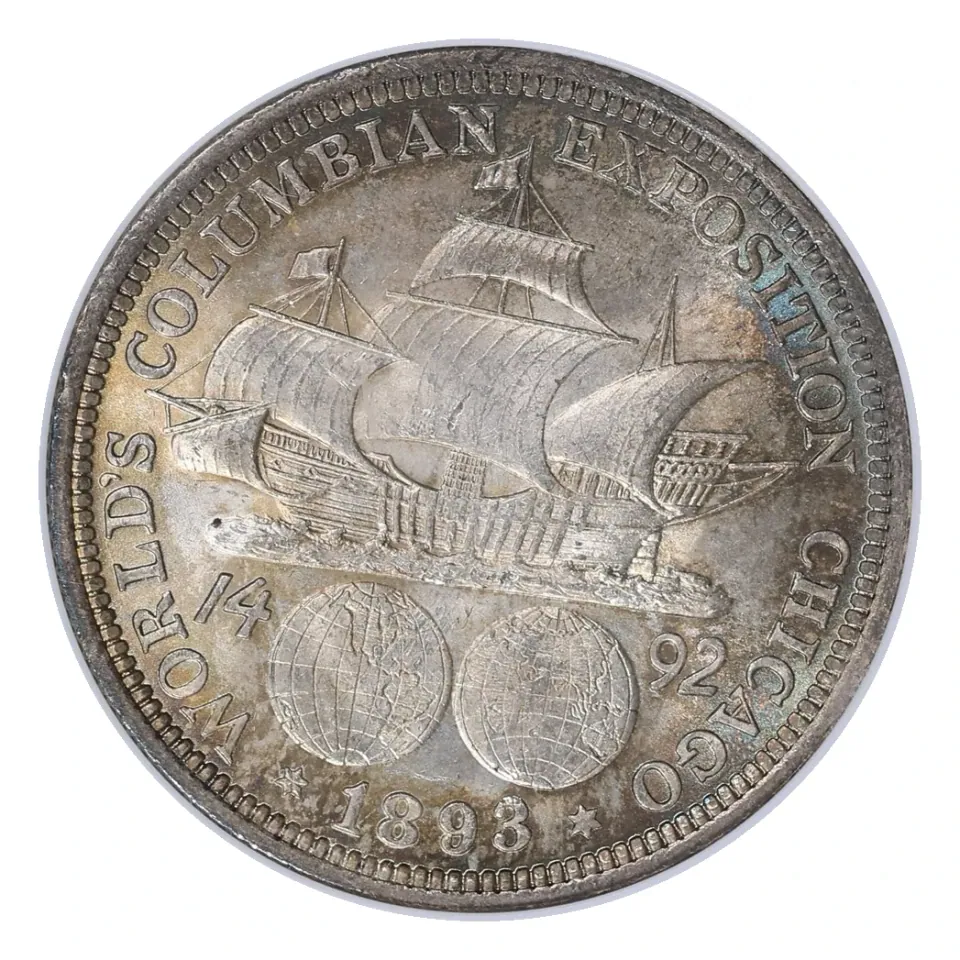
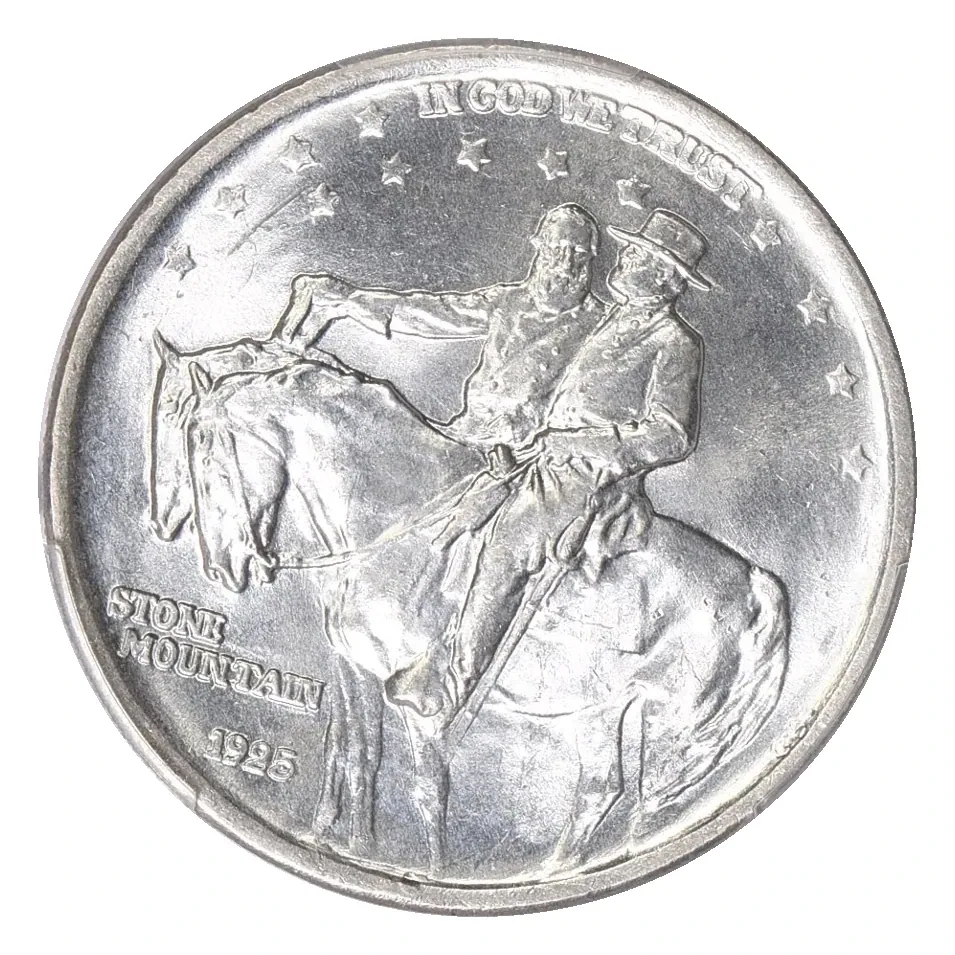
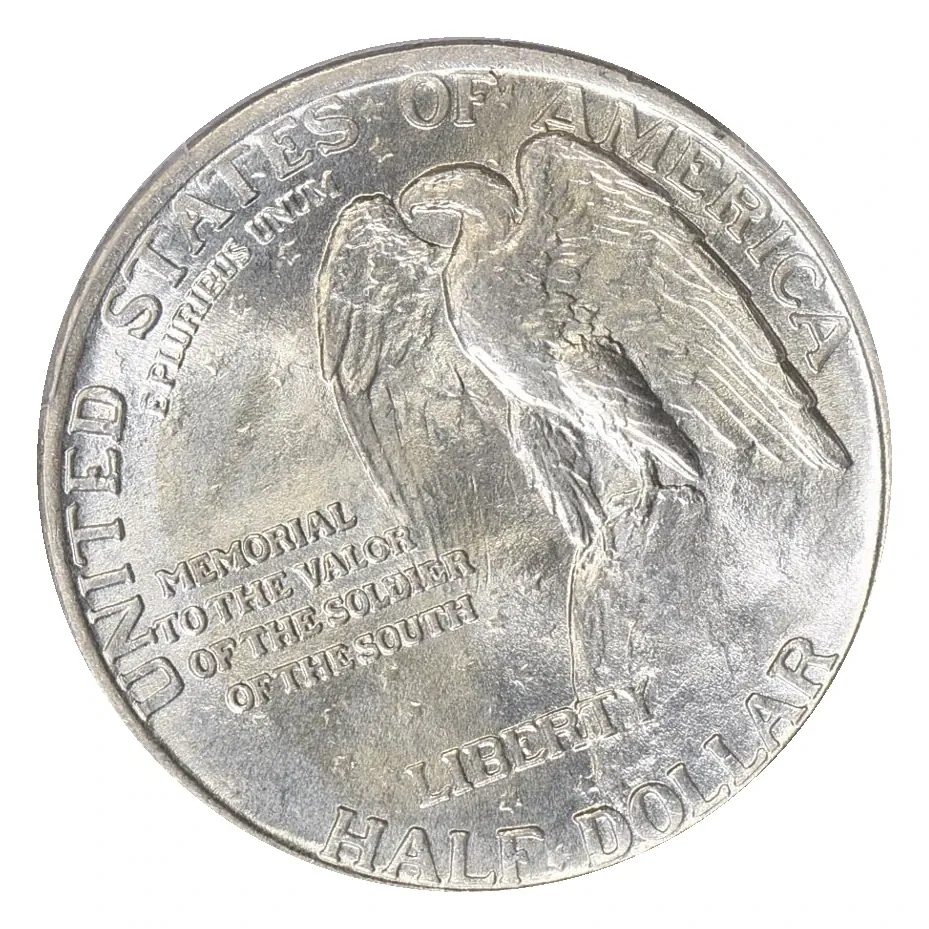
Coin photos
Basics & coin story
Commemorative coin programs have celebrated events, people and institutions, often with authorized fundraising connected to the subject. Their denomination is legal tender, but their distribution and collector market differ from those of ordinary circulating halves.
The classic commemorative era is generally collected as 1892–1954. The modern era began with the 1982 Washington anniversary issue. A type collection, a date-and-mint collection and a collection of complete original sets are different projects, each with different costs and completeness requirements.
This page provides a sorting method and a few identified examples. It is not a checklist claiming to show every authorized half-dollar program. The linked individual guides carry deeper date-specific identification and value evidence.
| Feature | What to check |
|---|---|
| Denomination | Half dollar / fifty cents |
| Classic-era starting issue | 1892 Columbian Exposition half dollar |
| Classic-era collecting span | 1892–1954 |
| Modern restart | 1982 George Washington anniversary half dollar |
| Metal | Check each issue: silver and clad both exist |
| Silver examples shown | 1893 Columbian, 1925 Stone Mountain and 1982-D Washington |
| Finish | Regular or collector Uncirculated strikes and Proofs, as issued |
| Value identity | Program + date + mint + metal + manufacture + condition |
Identification
Identify the program before applying a silver rule
Read the denomination, date and distinctive designs on both sides. The subject identifies the program, while the exact issue listing supplies the alloy and manufacture. A silver-colored coin or an older-looking portrait alone does not establish 90% silver.
The 1982 Washington half and the 1986 Statue of Liberty half show why a rule for every modern commemorative would fail. One is a silver anniversary issue; the other is a clad half-dollar program. Do not substitute the accompanying silver dollar’s metal for the half in a multi-coin set.
Use the individual guide for classic examples
The 1893 Columbian guide distinguishes its issue date from the 1492 design numerals. The Stone Mountain guide separates the original 1925 coin from later counterstamps and other alterations.
These separate pages explain the subjects in depth. A useful general collection record links each coin to its exact guide and photographs, rather than repeating the same generic rarity claim for every program.
Record manufacture, mint and packaging
For the 1982 Washington program, D identifies the Uncirculated version and S the Proof version. A mirrorlike surface does not turn an ordinary strike into a Proof; the manufacture must match the issued product.
Keep original boxes, certificates and set information when present, while checking the coin independently. A missing certificate does not change its metal, and a certificate placed beside a different coin does not establish identity. A dealer-created assortment should not be described as a complete official Mint set.
Condition & value
This overview supplies issue-routing and metal formulas rather than one unsupported price for all commemoratives. Use the specific dated guide or matching completed sales for a transaction.
| Issue | Grade / condition | Value or reference | Basis | Important condition |
|---|---|---|---|---|
| 1893 Columbian | Exact grade and surfaces | Use its dedicated year guide | Classic silver commemorative | Do not confuse 1492 with the issue date |
| 1925 Stone Mountain | Exact grade and added marks | Use its dedicated year guide | Classic silver commemorative | Counterstamp attribution is separate |
| 1982-D Washington | Uncirculated anniversary issue | Compare matching D issue and grade | Modern silver commemorative | Do not substitute the S Proof |
| 1986 Statue of Liberty half | Clad; exact mint and finish | Use its own product comparison | Modern clad commemorative | No 90% silver formula applies |
| Standard 90% silver half, when confirmed | 12.50 g nominal; 0.3617 troy oz fine | 0.3617 × silver spot per troy oz | Metal reference | Issue-specific collector value remains separate |
A program name is not a numerical price. Begin with the identified coin and the appropriate condition category. A worn classic piece, a modern Proof in original packaging and a certified high-grade coin require different sold comparables.
The silver formula applies only after confirming a standard 90% silver half-dollar issue. It is not a floor for every object described as commemorative, and it does not include a collectible date, grade or packaging premium. For clad pieces, use the specific market rather than a silver calculation.
Compare the same product, grade and surface status and record the sale date and fee basis. A price for a complete three-coin set cannot simply be treated as the half-dollar price. The appraisal checklist helps organize mixed inherited groups before making a transaction.
Summary
Identify the program, exact date, mint, metal and finish before comparing value. Use the linked classic guides for deeper research and preserve original packaging for modern issues. A shared fifty-cent denomination does not make all commemoratives equivalent.
FAQ
Are all commemorative half dollars silver?
No. Standard classic examples and the 1982 Washington half discussed here are silver, while the 1986 Statue of Liberty half is clad. Check the exact issue.
When did U.S. commemorative half dollars begin?
The Columbian half-dollar program began with the 1892 issue. The modern commemorative era resumed with the 1982 Washington anniversary half.
Are all commemorative halves Proofs?
No. Different programs have different manufacture options. Identify the exact finish and mint rather than assuming every collector coin is a Proof.
Does original packaging determine the metal?
No. Packaging can help identify a product, but it must agree with the actual coin. Alloy is an issue specification, not a property created by a box or certificate.
References
References and further reading
- U.S. Mint: commemorative program overview
- U.S. Mint: 1982 Washington anniversary half
- U.S. Mint: Statue of Liberty clad half
References consulted October 27, 2026. Price tables retain the update dates stated in the text; guide estimates, face values and completed transactions are different forms of evidence.