

 App Store

COIN ERRORS & VARIETIES
2004 Wisconsin Quarter Errors: Extra Leaf High vs. Low
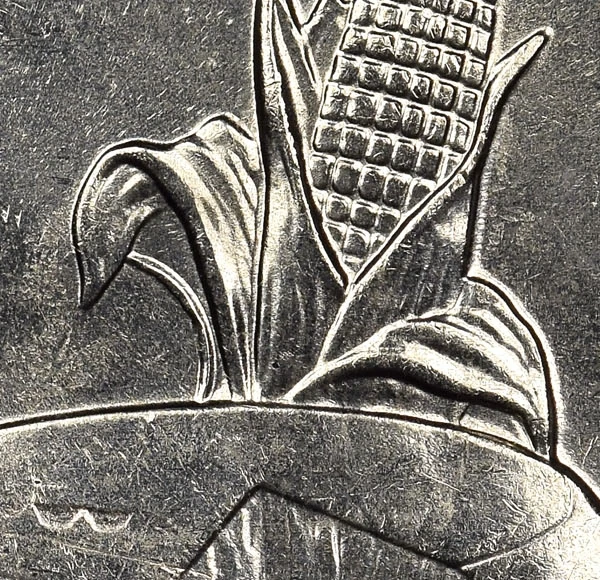
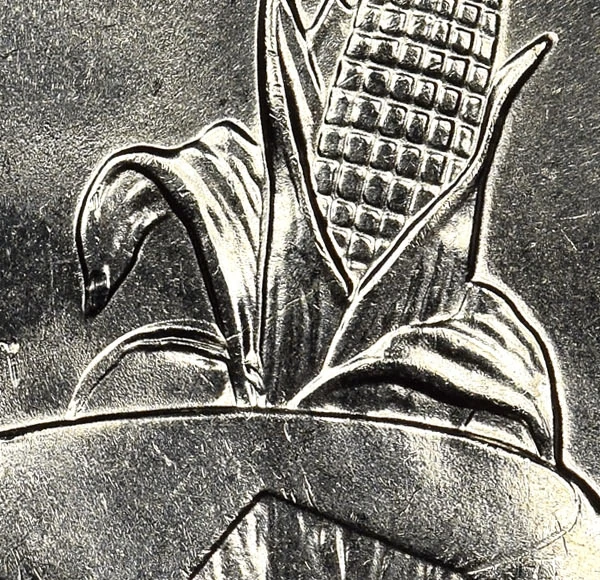
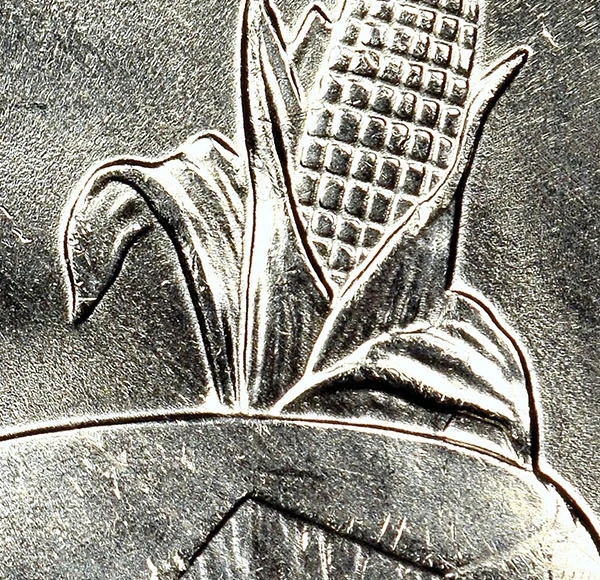
Compare normal Wisconsin quarter corn detail with the 2004-D Extra Leaf High and Low varieties. Check the raised feature, Denver mint mark, surfaces and dated values.
 HeriBase TeamPublished
In this article
What is the error, and what is the value reference?
The recognized 2004 Wisconsin Extra Leaf High and Extra Leaf Low varieties are Denver issues. An additional raised feature appears near the corn on the reverse, with a different shape and position for High and Low. It must match the recognized design pattern; a scratch, stain or random bump is not sufficient.
NGC’s June 13, 2019 guide lists Extra Leaf High at $50 in XF40 and $170 in MS63, versus Extra Leaf Low at $45 and $120 in those grades. Those are dated retail estimates. They illustrate separate variety and condition comparisons rather than a current offer or a guaranteed premium on any unusual-looking Wisconsin quarter.
What do the normal and attributed coins look like?
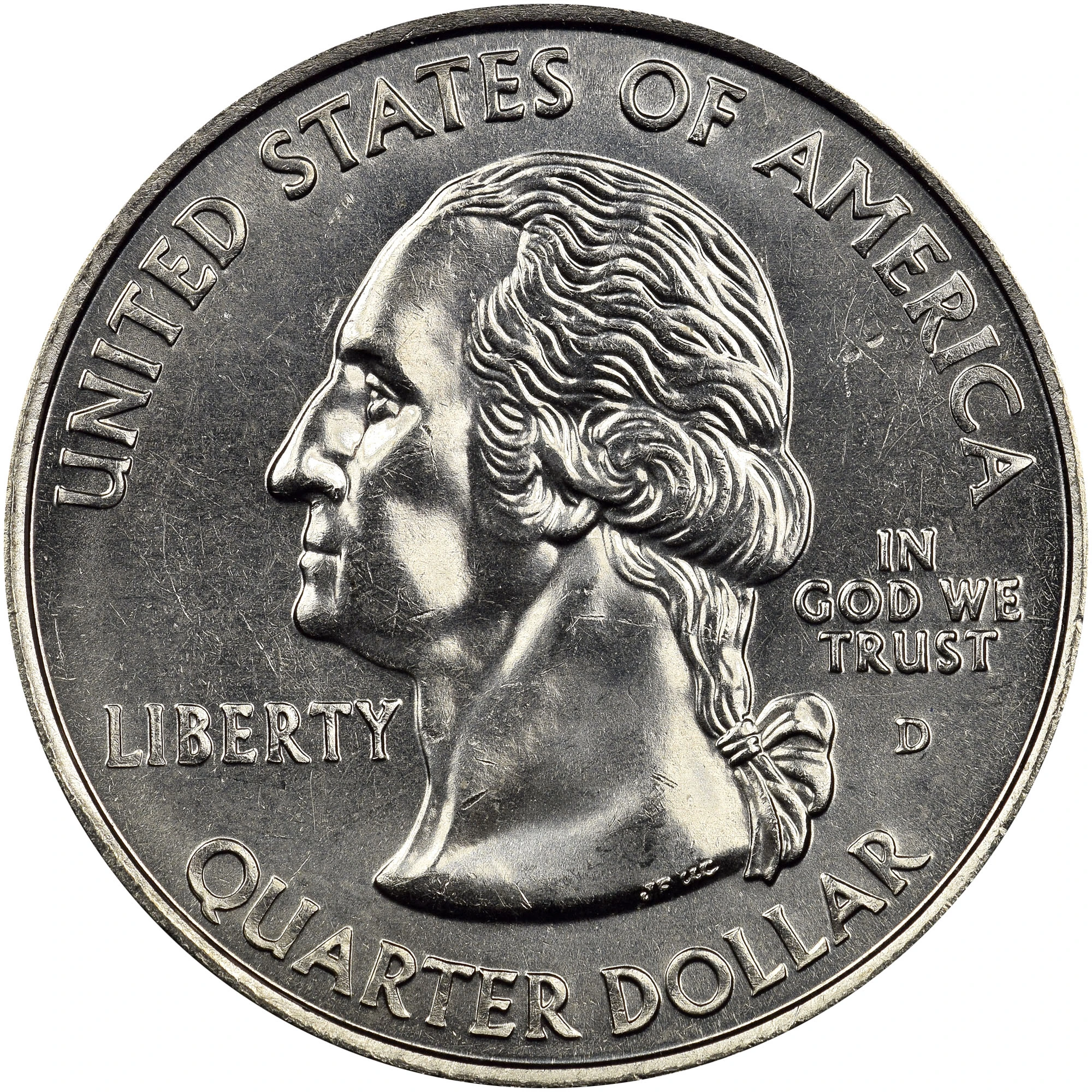
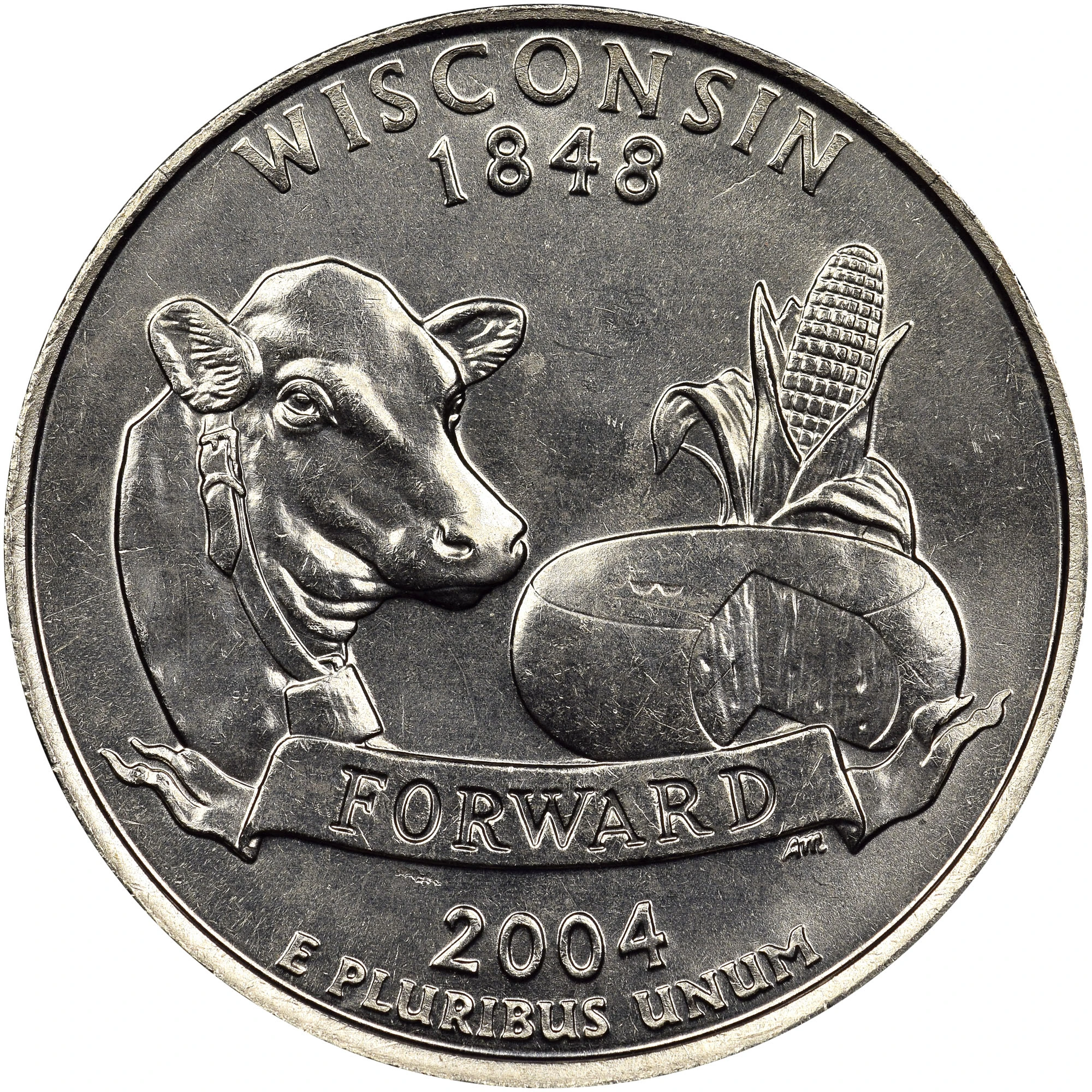
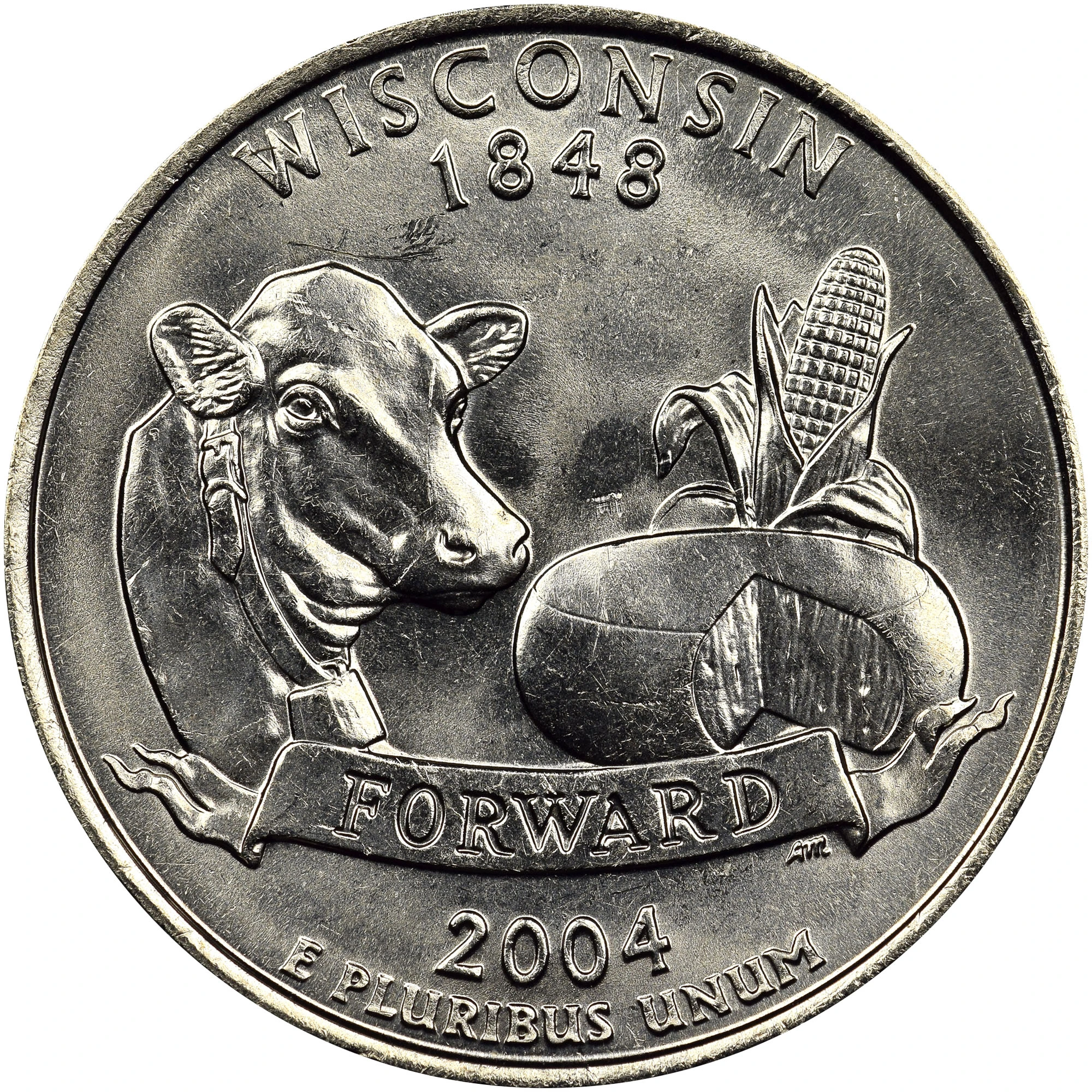
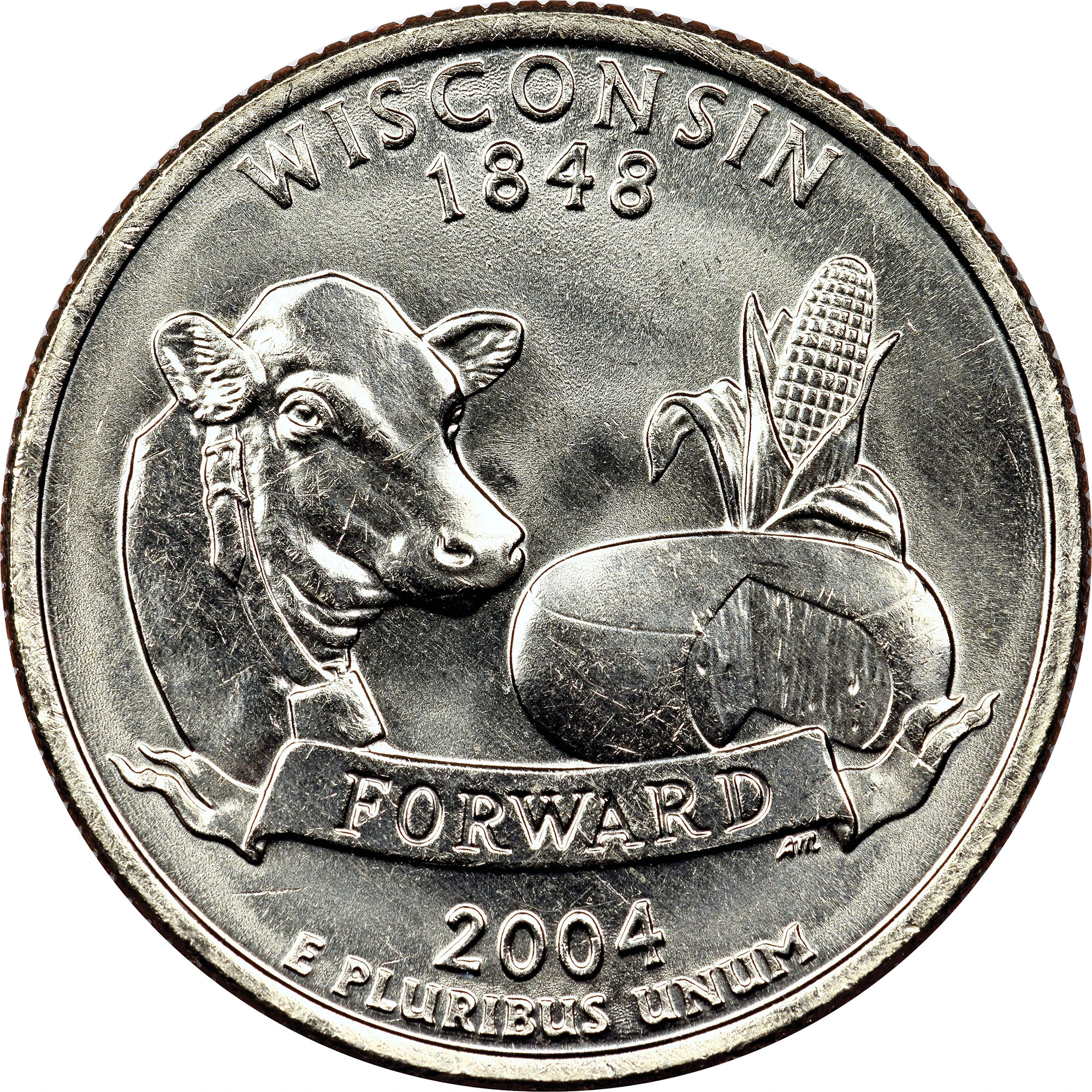
How did this issue come about?
Wisconsin’s State Quarter reverse uses a dairy cow, cheese and corn as recognizable agricultural imagery. The collecting question is whether the corn area matches the normal design or one of the extra-feature varieties. The ordinary intended leaf must be identified before calling another line an error.
Both Extra Leaf forms are cataloged separately from the regular 2004-D issue. The precise origin of the extra die features has been debated; an account of deliberate tool damage should not be presented as an established fact. NGC’s VarietyPlus diagnostics describe a raised feature for attribution while noting uncertainty about its cause. See the State Quarters guide for the regular program and collector versions.
| Feature | What applies |
|---|---|
| Coin family | Wisconsin State Quarter |
| Manufacture of target | Circulation strike / attributed die variety |
| Standard construction | Copper-nickel clad over a copper core |
| Nominal weight | 5.67 g |
| Edge | Reeded |
| What the premium concerns | An identified issue/variety and its preservation; not an unusual-looking mark alone |
How do you check the identifying features?
| Coin / observation | Feature to check | Meaning | Before using a price |
|---|---|---|---|
| Regular Wisconsin reverse | Normal corn design without either extra-feature pattern | Check the entire corn and cheese relationship | A regular D is not itself an error |
| 2004-D Extra Leaf High | Raised curved feature in the recognized High position | Match its shape and relationship to the intended leaf | Separate variety and value comparison |
| 2004-D Extra Leaf Low | Raised feature following the recognized lower configuration | Compare with the Low specimen, not just High | A different variety, not a lower condition grade |
| Scratch, corrosion or random die damage | Feature may be cut into metal, irregular or in another position | Use angled light and full-design comparison | Does not establish either Extra Leaf attribution |
Where should the extra feature be compared?
Start with the full Wisconsin reverse: locate the corn, the intended leaves and the cheese. Then compare the same small region on normal, High and Low photographs. The close-ups should be read as a group. A crop that omits the surrounding artwork can make an unrelated mark look more plausible than it is.
Why must the Denver mint mark be checked?
The recognized Extra Leaf High and Low issues are 2004-D. Verify the D on the obverse rather than attributing the coin from its reverse alone. A Philadelphia circulation quarter or a collector S issue belongs to a different issue category and should not automatically be assigned one of these Denver varieties.
Is a raised line always the Extra Leaf?
No. A raised feature can arise from a different die defect, and a recessed scratch may look raised when lighting changes. Check whether the shape, endpoints and position agree with the recognized form. Changing light helps assess relief; it does not replace a complete attribution or physical examination when the feature is ambiguous.
How do grade and designation change the comparison?
The U.S.-dollar figures below are historical retail-guide references. Each row retains its actual source update date in month/day/year format; access on November 13, 2026 is not a price update. Guide estimates, asking prices, completed transactions and dealer buying offers are different evidence.
Photographs illustrate the issue and observation area; they are not offered as a grading certificate for every row. Cleaning, corrosion, scratches or other problems can make straight-grade comparisons unsuitable. Obtain recent like-for-like completed transactions before deciding what to pay or accept.
| Issue / designation | Grade | USD reference | Basis | Source updated |
|---|---|---|---|---|
| Extra Leaf High | XF40 | $50 | NGC retail guide | 06/13/2019 |
| Extra Leaf High | MS63 | $170 | NGC retail guide | 06/13/2019 |
| Extra Leaf High | MS65 | $270 | NGC retail guide | 06/13/2019 |
| Extra Leaf Low | XF40 | $45 | NGC retail guide | 06/13/2019 |
| Extra Leaf Low | MS63 | $120 | NGC retail guide | 06/13/2019 |
| Extra Leaf Low | MS65 | $160 | NGC retail guide | 06/13/2019 |
| Ordinary 2004-D | MS65 | $7.50 | NGC retail guide | 08/08/2022 |
Do High and Low mean better and worse condition?
No. They identify the feature’s configuration. Condition is assessed separately through numerical grade, luster, marks and wear. A worn High should not be compared with a top-grade Low simply because its name sounds more desirable. The table keeps variety and grade in separate columns.
What should ordinary P, D and S coins be compared with?
Use the correct regular issue, mint and collector format. A normal circulated Wisconsin quarter has a 25-cent denomination baseline unless an independent premium is established. Silver Proofs, clad Proofs and top-grade regular coins have their own comparisons; the extra-leaf rows are not general Wisconsin-quarter prices.
How should an exceptional sale be used?
PCGS records a Heritage transaction of $2,530 for an Extra Leaf High graded MS66 on July 7, 2006. That is one dated specimen result. The price cannot be transferred to every raised mark or every circulated extra-leaf coin. The state-quarter auction comparison article supplies broader cases without replacing a like-for-like valuation.
How should a possible example be documented?
What photographs should be taken?
Make a full obverse showing the date and D, a full reverse, and a focused corn-area image with the light from two directions. Retain enough surrounding design to compare the extra feature’s endpoints. Avoid filters, digital sharpening that invents edges, and strongly directional reflections that conceal surface damage.
What should be done with an uncertain extra line?
Keep the description observational: record whether the line appears raised or recessed and where it meets the surrounding design. Do not scratch it to test the relief or remove a stain with chemicals. If the configuration still appears to match, compare a recognized reference or request attribution before applying an Extra Leaf price.
For a first record, photograph both faces and the observation area under even light. HeriBase can help organize a photo-based identification; important variety, manufacture and surface questions still need the referenced diagnostics or specialist examination. A photo result is not a certified grade, authentication or buying offer.
Browse related categories through the existing Coin Errors & Varieties directory.
What should you conclude before pricing it?
Verify 2004-D on the obverse, then match the reverse feature to either Extra Leaf High or Extra Leaf Low using the normal design as a control. The names describe variety, not grade. Price the exact attributed form and condition, and keep scratches or unrelated die marks outside those value rows.
What else do collectors ask?
Are Extra Leaf High and Low the same variety?
No. They have different configurations and are cataloged separately.
Does High mean a higher condition grade?
No. High and Low describe the feature’s position. Numerical grade is assessed independently.
Can a scratch make a Wisconsin quarter an Extra Leaf?
No. The feature must match the recognized raised design pattern; damage or a random line is not sufficient.
Which mint made the recognized Wisconsin Extra Leaf quarters?
The recognized High and Low issues are dated 2004-D, identifying Denver.
Are all Wisconsin quarters with a D valuable errors?
No. A regular Denver quarter is a normal issue. The reverse must match the specific variety.
Are the guide rows current selling prices?
No. The table records historical update dates. Present offers require comparable variety, condition, surfaces and market evidence.
Which references support this guide?
References and further reading
- NGC: 2004 D EXTRA LEAF HIGH WISCONSIN 25C MS issue and dated guide
- NGC: 2004 D EXTRA LEAF LOW WISCONSIN 25C MS issue and dated guide
- NGC: 2004 D WISCONSIN 25C MS issue and dated guide
- NGC VarietyPlus: Extra Leaf diagnostics and uncertainty about cause
- NGC: Wisconsin variety overview
- PCGS: Extra Leaf High and dated Heritage transaction
Sources accessed November 13, 2026. Guide update dates and individual sale dates are retained separately. Historical certification totals or estimated error mintages are not presented as current population counts.