

 App Store

COIN ERRORS & VARIETIES · PENNY
1995 Doubled Die Penny: LIBERTY, Motto and Value Checks
Compare the Philadelphia Doubled Die Obverse with shelf-like machine doubling, then match grade and copper color before comparing prices.
 HeriBase TeamPublished
In this article
What is the variety, and what is the value reference?
The well-known 1995 doubled die penny has a duplicated obverse design, especially visible in LIBERTY and IN GOD WE TRUST. It is a specific variety, not any 1995 cent with thick or flat-edged lettering. NGC’s dated Brown guide lists MS63–MS65 at $15–$25; a separate PCGS MS69RD coin brought $5,052.50 in January 2017.
What do the real reference coins show?
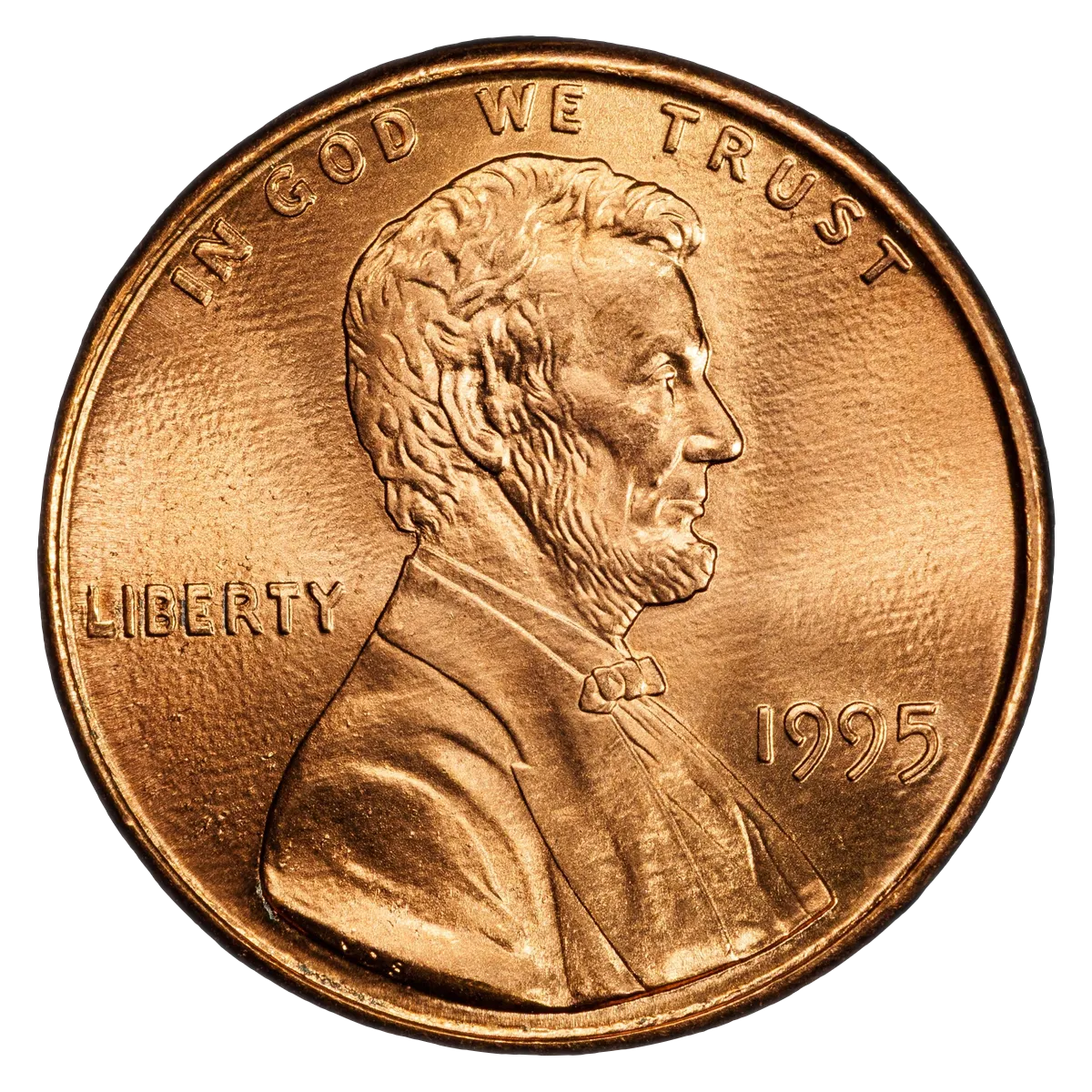
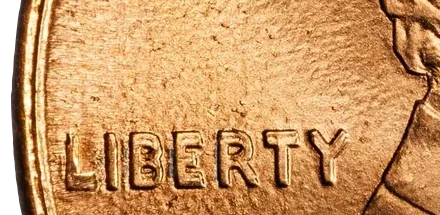
How do normal coins, the variety and damage differ?
| Coin / observation | Feature to check | Meaning | Common mistake | Before pricing |
|---|---|---|---|---|
| Ordinary 1995 cent | Normal date and obverse lettering | No DDO attribution established | Thick letters alone are not enough | Ordinary issue baseline |
| Major 1995 Philadelphia DDO | Matching duplication in LIBERTY and motto | Recognized obverse variety | Confirm the combined pattern | Compare its own grade/color listing |
| Machine doubling | Low shelf or flattened design edge | Different striking phenomenon | May reduce rather than duplicate a letter | Do not apply DDO prices |
| Worn or damaged lettering | Distorted edges or broken surfaces | Condition issue or unresolved feature | Need sharp, angled photographs | No attribution-based price assigned |
| 1995-D doubled-looking cent | D mint letter on obverse | Different issue and potential variety | Not automatically the Philadelphia DDO | Research a D-specific attribution |
How do you identify it without mistaking damage for an error?
A doubled die is created before the coin is struck: a feature of the die can appear on multiple coins made from it. Machine doubling is a different event during striking. That distinction explains why a noticeable second edge does not automatically belong to the major 1995 variety, and why a variety name needs more evidence than the word “doubling.”
The portrait-side diagnostics make this a practical issue to study, but the reverse is still worth photographing. It documents the complete coin and helps keep it separate from other dates. The familiar major Philadelphia issue should not become a catch-all label for every 1995-D cent with an unusual letter. Mint, attribution and condition remain separate fields in a useful record.
What should LIBERTY show?
Compare the form of the repeated design. Look for the consistent relationship between the main and secondary portions of letters. Follow the pattern through several letters rather than matching one accidental line.
Use the same light direction for your coin and the comparison, then change the angle to see whether the apparent separation survives. A reflection can create a bright outline without creating an actual second raised design.
Why check the motto as well?
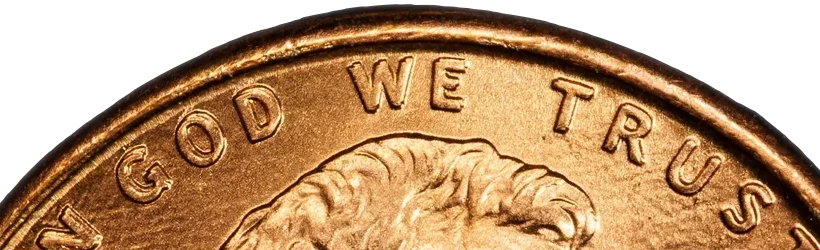
Require agreement across observation areas. A plausible letter in LIBERTY is a reason to investigate the motto, not a complete attribution by itself. The complete obverse pattern is more informative than one exciting crop.
A flat, shelf-like strip is not enough to claim the major DDO. If the coin is worn or has moved metal, an experienced examination can be more useful than assigning a variety from an over-enlarged phone image.
What should you exclude before naming the variety?
Keep glare, weak focus, scratches and displaced metal out of the attribution. Take one full-face photograph and one close-up under steady light, then repeat with the light coming from another angle. A feature that vanishes with a reflection is different from a raised part of the design. Do not clean, scrape or press the area to make a suspected feature clearer.
When the match remains uncertain, describe the observation rather than assigning a rare name. The appraisal and authentication guide explains which questions can be explored with photographs and when the physical coin needs examination.
What are the three practical checks?
- Record 1995, the mint area, both faces and the actual surface condition without cleaning.
- Compare LIBERTY and the motto together; separate a raised repeated design from shelves, glare and disturbed metal.
- Confirm the variety, numerical grade and color category before choosing a guide figure or matching sold example.
Which price belongs to your exact coin and condition?
| Coin / attribution | Condition | Reference | Basis and date | Limits |
|---|---|---|---|---|
| Ordinary 1995 circulation cent | Worn; no premium attribution | 1-cent face value | Ordinary baseline | Exclude other documented premium features |
| 1995 DDO, Brown | NGC MS63BN | $15 | Historical guide figure, updated July 17, 2019 | Not a completed sale or live offer |
| 1995 DDO, Brown | NGC MS64BN | $20 | Same dated NGC guide | Keep the Brown color category |
| 1995 DDO, Brown | NGC MS65BN | $25 | Same dated NGC guide | Do not relabel as Red |
| 1995 DDO, Red | PCGS MS69RD | $5,052.50 | Reported sale, Heritage January 2017, lot 3343 | Exceptional grade and different color designation |
BN (Brown), RB (Red and Brown) and RD (Red) describe copper color categories, not interchangeable price columns. MS means Mint State. The pictured reference coin is not asserted to be Heritage lot 3343. The published guide date is retained; reviewing the source again does not turn a 2019 guide figure into a current offer.
A seller’s listing is not a completed sale, and a large historical result does not establish an ordinary coin’s value. Match the full attribution, manufacture, grade and surface condition first. Fees, shipping and selling costs can also change what a buyer pays or a seller receives. Use the grading and surface-condition guide when deciding which comparison is relevant.
What should you conclude before pricing it?
Use the combined obverse pattern to identify a 1995 DDO, then assess the coin separately for grade and original copper color. Brown guide examples and an exceptionally high-grade Red auction coin answer different pricing questions. Do not make the largest recorded result the starting value for an ordinary circulation find.
Continue with the Coin Errors & Varieties directory and 1972 doubled die comparison, Coin grading and surface checks, Penny error and variety photo list.
Frequently asked questions
Where is the doubling on the 1995 penny?
For the major Philadelphia Doubled Die Obverse, begin with LIBERTY and IN GOD WE TRUST on the portrait side. Compare the full attributed pattern, not one edge.
Is every doubled-looking 1995 cent the major DDO?
No. Machine doubling, wear, reflections and damage can produce misleading edges. The variety requires a matching design pattern.
Can a 1995-D use these prices?
Not automatically. Denver is a separate issue; any proposed variety needs a D-specific attribution and its own value evidence.
What do BN and RD mean?
BN is Brown and RD is Red; RB is Red and Brown. These copper color designations matter when matching a graded guide or auction record.
Why does the table show $15 and more than $5,000?
They describe different evidence: a historical MS63 Brown guide figure and an exceptionally high-grade MS69 Red auction result. They are not a universal range for one condition.
Does shiny copper prove MS69RD?
No. Grade and color cannot be established from shine alone; cleaning and lighting can mislead. Use an appropriate condition assessment.
Should I clean the coin before submitting photographs?
No. Keep the original surfaces intact and improve lighting and focus instead. Cleaning can damage both attribution evidence and collector appeal.
References and dated evidence
Open factual and price references
- PCGS: major 1995 DDO Red catalog
- NGC: 1995 DDO Brown historical guide
- PCGS auction record: Heritage January 2017, lot 3343
Editorial review: November 16, 2026. Historical source and sale dates are retained in the tables; reviewing them does not make those figures live quotations.