

 App Store

COIN VALUE GUIDES · PENNIES
1971 Penny Value:No Mint Mark, D, S and Doubled Dies
Identify a 1971 Lincoln Memorial penny, separate regular S-mint coins from Proofs, and compare original Red grades without mistaking machine doubling for a valuable variety.
 HeriBase TeamPublished
In this article
Quick answer
An ordinary worn 1971 penny is a common copper-alloy Lincoln Memorial cent with a one-cent face value. No mark, D and S are normal regular-strike possibilities; an S alone does not make a coin a Proof. A recognized doubled die or exceptional original preservation needs a separate comparison.
The PCGS guide checked October 21, 2026 lists a Philadelphia regular strike with Red color at $11 in Mint State 63, $22 in Mint State 65 and $42 in Mint State 66. These graded prices should not be assigned to a brown circulated coin. Genuine doubled-die entries are separate from ordinary coins and from machine doubling.
Coin photos
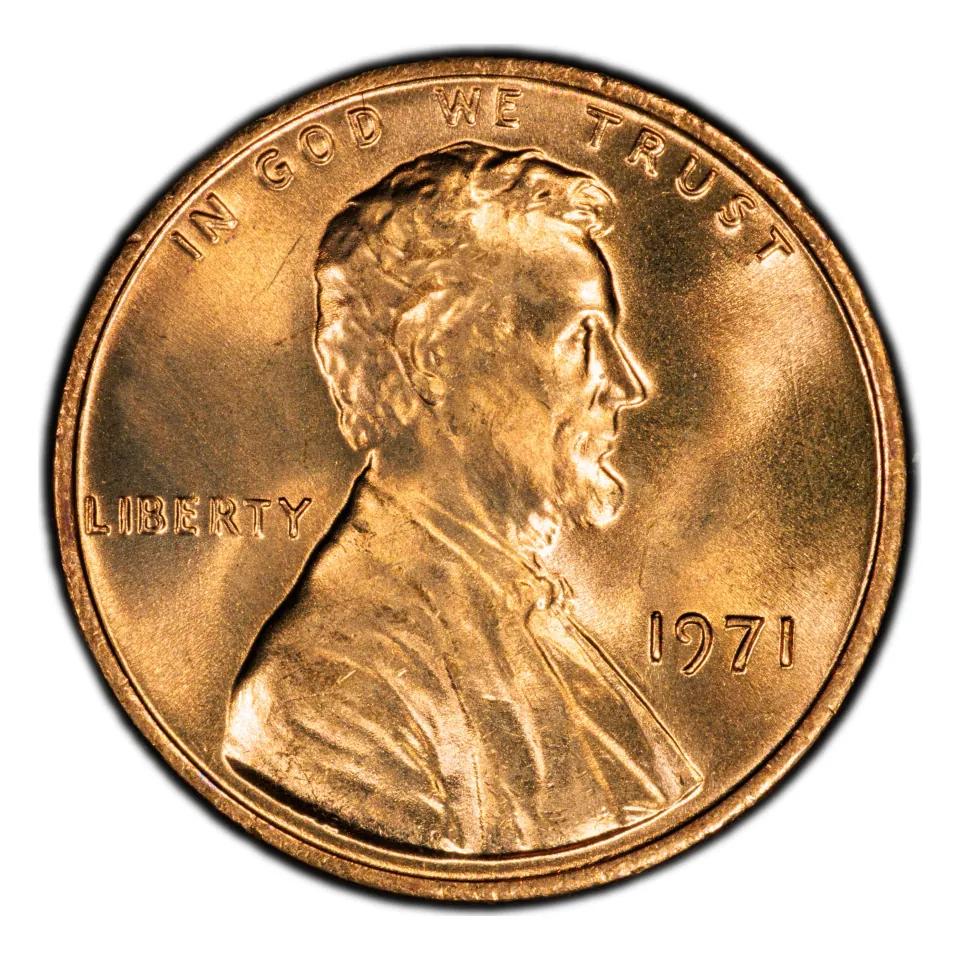
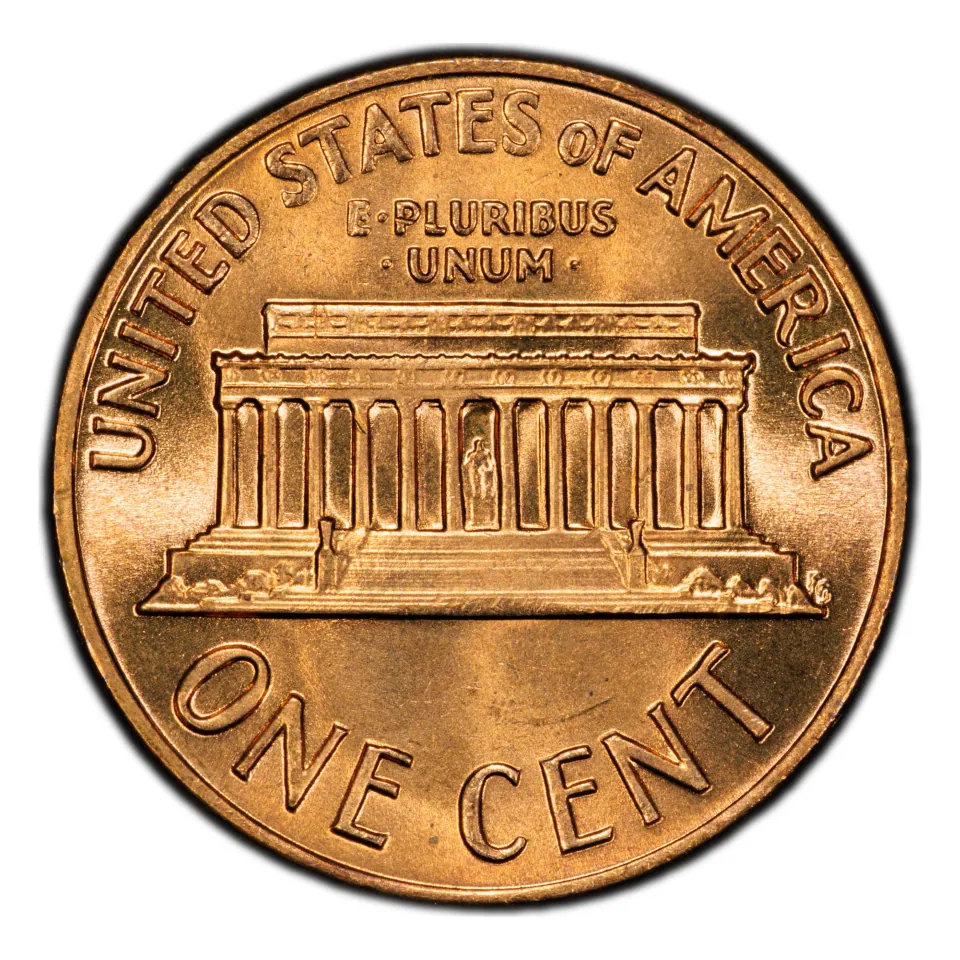
Basics & coin story
By 1971, the Lincoln Memorial reverse was a familiar part of everyday change. The cent still used the heavier copper-alloy composition; the copper-plated zinc transition came in 1982. A 1971 coin should therefore be identified with its own specifications rather than treated as a modern zinc cent.
Philadelphia’s regular-strike mintage was 1,919,490,000. That large output explains why an ordinary example is not scarce by date. The collecting challenge lies in original surfaces, high grades and recognized varieties. The designs pair Brenner’s Lincoln portrait with Gasparro’s Memorial reverse; the 1982 composition guide explains the later material change.
| Feature | What to check |
|---|---|
| Type / denomination | Lincoln Memorial cent / 1 cent |
| Composition | 95% copper, 5% zinc |
| Nominal weight / diameter | 3.11 g / approximately 19 mm |
| Edge | Plain |
| Regular issues | Philadelphia: no letter; Denver: D; San Francisco: S |
| Proof issue | San Francisco S; distinguish from the S regular strike |
Identification
Read the mint mark without inferring a finish
Look below the date. Philadelphia has no letter; Denver has D; San Francisco has S. Because 1971-S exists as both a circulation-quality issue and a Proof, the S must be combined with manufacturing characteristics and the correct catalog entry.
Distinguish doubled dies from flat doubling
PCGS catalogs 1971 doubled-die obverse varieties, including separate entries for recognized attributions. A doubled die is a die-making feature repeated on coins struck from that die. Flat, shelf-like displacement from the strike is not automatically the same thing. In-focus photographs of LIBERTY, the motto and the date should be compared against the exact variety’s diagnostics.
Use original color, not enhanced brightness
Red (RD), Red and Brown (RB) and Brown (BN) describe color categories, while the grade describes preservation and wear. Cleaning, staining and artificial color can invalidate an otherwise tempting comparison. Examine Lincoln’s cheek and jaw, the fields and the Memorial for rubbed luster, spots and contact marks.
Condition & value
Amounts are in U.S. dollars. PCGS retail-guide examples were checked October 21, 2026 and apply only to the stated issue, grade and designation. They are not guaranteed purchase offers; current market conditions and selling costs can change the amount received.
| Issue | Grade / condition | Value or reference | Basis | Important condition |
|---|---|---|---|---|
| Ordinary worn P, D or S | Circulated | 1¢ face-value baseline | Denomination | No variety or high-grade premium assumed |
| 1971 Philadelphia, RD | MS63 | $11 | PCGS retail guide | Ordinary issue, not doubled die |
| 1971 Philadelphia, RD | MS65 | $22 | PCGS retail guide | Original Red, problem-free |
| 1971 Philadelphia, RD | MS66 | $42 | PCGS retail guide | Numerical grade and color must match |
| S Proof / recognized doubled die | Issue-specific | Use separate entry | Finish or attribution matters | Machine doubling is not equivalent |
The table values refer to the ordinary Philadelphia Red entry. A certified doubled die, an S Proof and a Denver coin should not inherit that price chart. For a raw cent, authentication and shipping costs can exceed a modest retail guide value; assess likely quality before spending on grading.
If a possible doubled die survives a close comparison, record the full coin and the lettering at several light angles. Avoid rubbing the surface to reveal detail. For a consistent first pass use the penny checking guide; for surfaces compare cleaning signs. The neighboring 1974 penny guide is useful for series context, not as a substitute price list.
Summary
Establish mint, finish, grade and original color before pricing a 1971 penny. No mint mark is normal, and an S does not automatically mean Proof. A suspected doubled die needs a matched attribution; keep ordinary worn coins separate from Red Mint State and variety prices.
FAQ
Is a 1971 penny with no mint mark rare?
No. No mint mark is normal for Philadelphia, which produced over 1.9 billion regular cents that year. Grade and recognized varieties matter more than the absent letter.
Is a 1971-S penny a Proof?
Not necessarily. San Francisco made both regular-strike and Proof cents in 1971. The mint letter alone does not identify the finish.
What is a 1971 doubled-die penny?
It is a coin struck from a die with recognized doubled design features. The exact attribution must be matched; machine doubling and blurry photographs are insufficient.
How much does a 1971 penny weigh?
The standard copper-alloy cent has a nominal weight of 3.11 grams. Wear and measurement tolerances should be considered before treating a small difference as an error.
References
References and further reading
- PCGS CoinFacts: exact issue, specifications and available guide evidence
- PCGS: recognized 1971 doubled-die obverse entry
Sources and quoted guide evidence checked October 21, 2026. Guide estimates, historical sales, face value and metal-content calculations are identified separately.