

 App Store

COIN VALUE GUIDES · NICKELS
1963 Nickel Value:No Mint Mark, D, Proofs and Full Steps
Compare ordinary 1963 Jefferson nickels by mint and grade, identify the small reverse D, and separate Proofs and Full Steps from weak strikes and polishing.
 HeriBase TeamPublished
In this article
Quick answer
A normal circulated 1963 nickel is a common copper-nickel Jefferson five-cent coin, not a silver coin. No mint mark is normal for Philadelphia; D is on the reverse beside Monticello. NGC’s dated ordinary guide lists Fine and Extremely Fine 40 references at 10 cents for either mint, with little individual premium expected for ordinary worn coins.
Uncirculated quality changes the comparison. NGC lists MS65 at $15 for Philadelphia and $45 for Denver; MS66 at $40 and $135. These ordinary rows were updated October 24, 2022 and accessed November 13, 2026. Full Steps, Philadelphia Proofs and attributed Proof varieties are separate entries; a bright surface or an absent letter is not sufficient evidence.
Coin photos
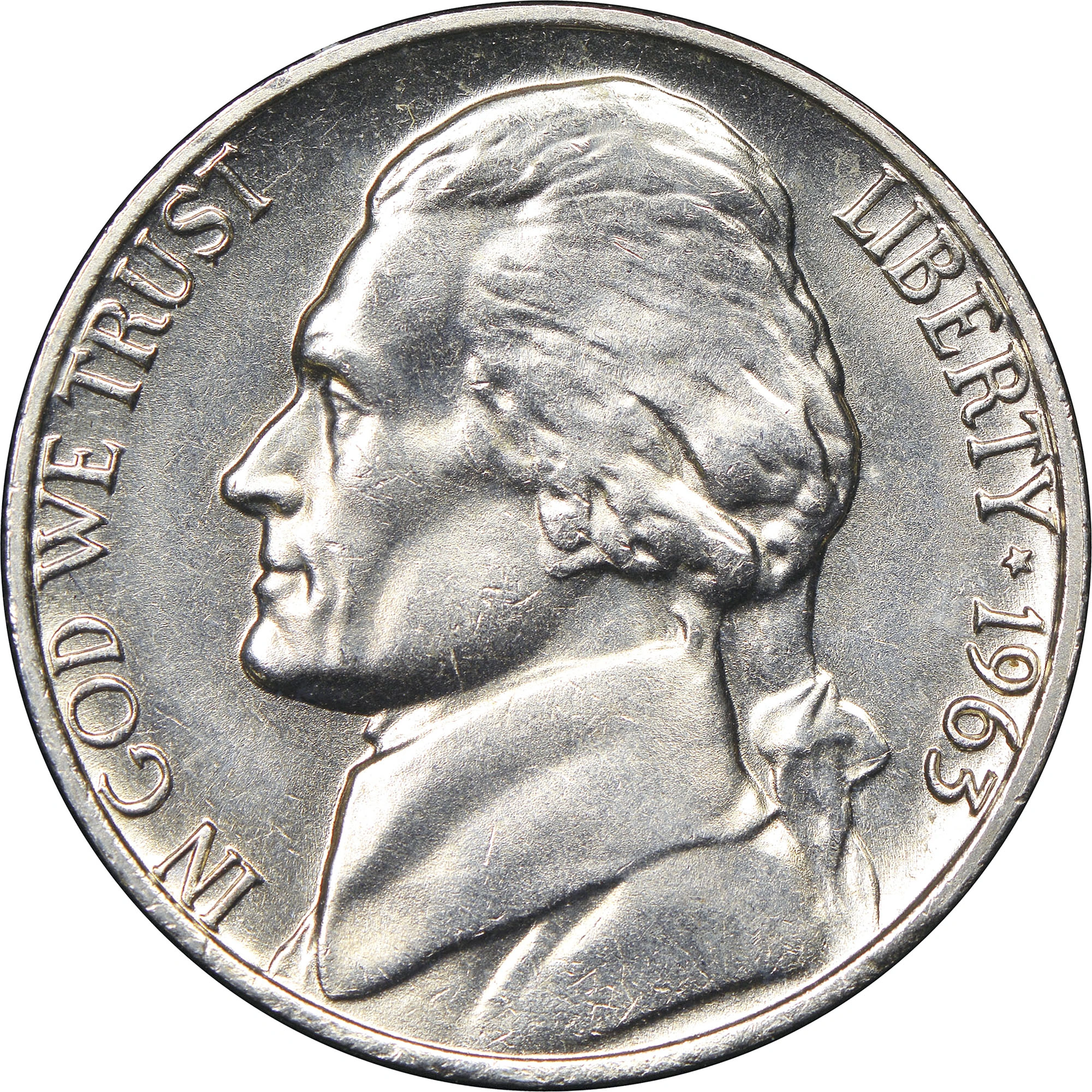
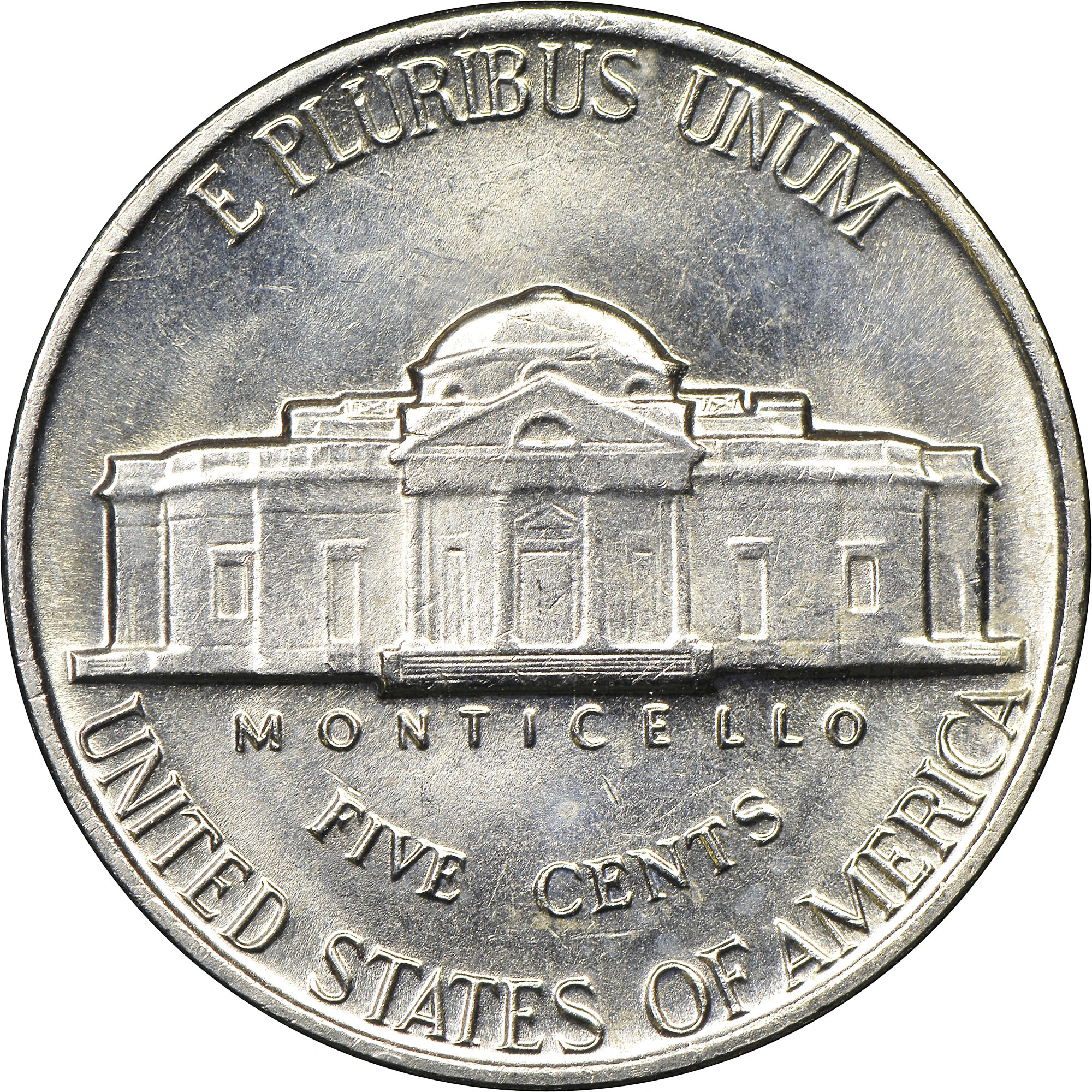
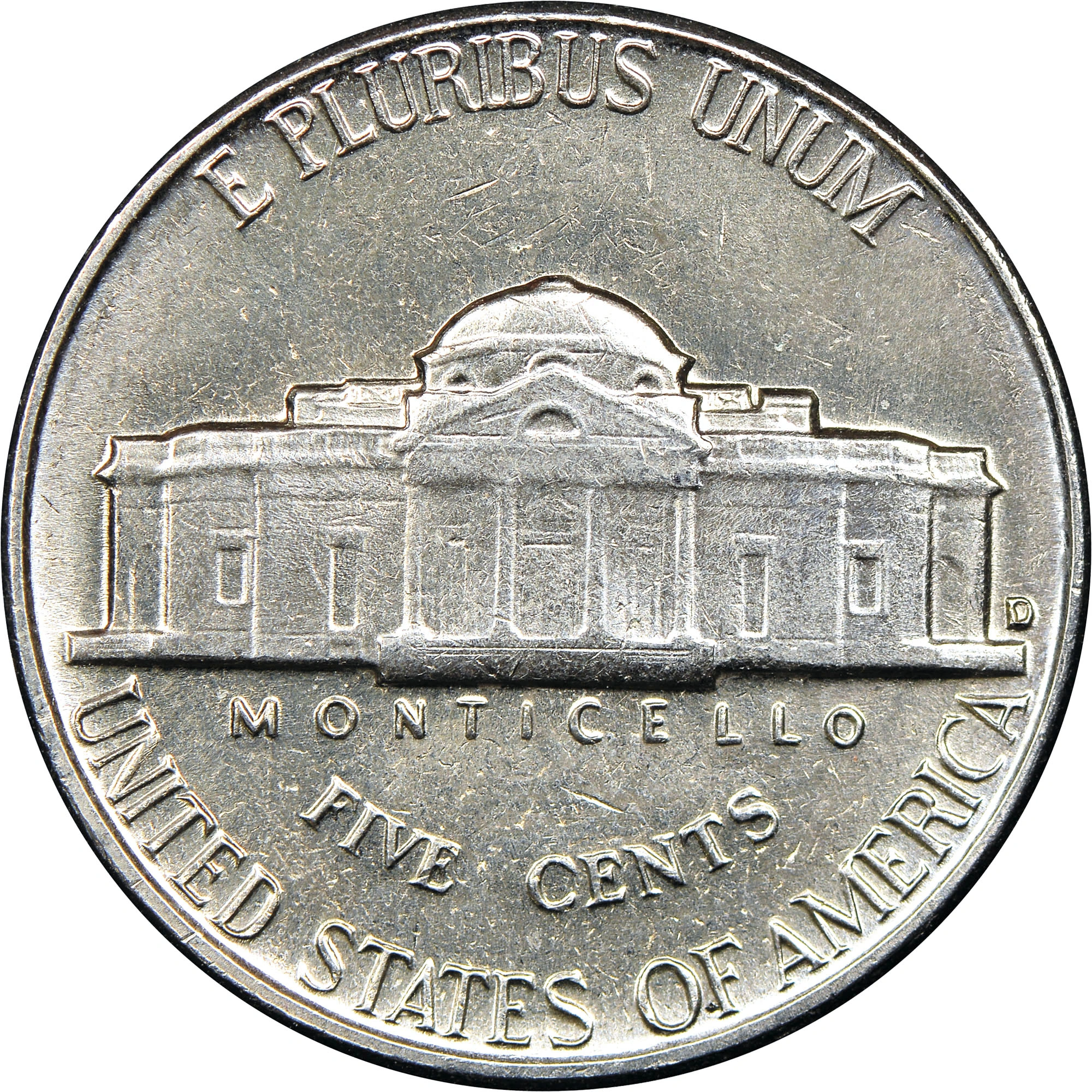
Basics & coin story
The familiar original Jefferson design was still in use as coin demand grew in the early 1960s. NGC’s analyses describe incomplete strikes and rough planchets on many coins, particularly Denver examples. Large production therefore did not guarantee a large supply of fully detailed specimens.
The design is close in date to the silver transition in other denominations, which can create confusion. The nickel itself remained copper-nickel; the 1963 date does not imply the 90% silver content associated with contemporary dimes or quarters. The Jefferson identification guide explains the long-used portrait and reverse layout.
| Feature | What to check |
|---|---|
| Type / denomination | 1963 Jefferson nickel / five cents |
| Designer | Felix Schlag |
| Standard alloy | 75% copper; 25% nickel |
| Nominal weight / diameter | 5.00 g / 21.2 mm |
| Edge | Plain |
| Mint-mark position | Small D or S to the right of Monticello; Philadelphia blank |
Identification
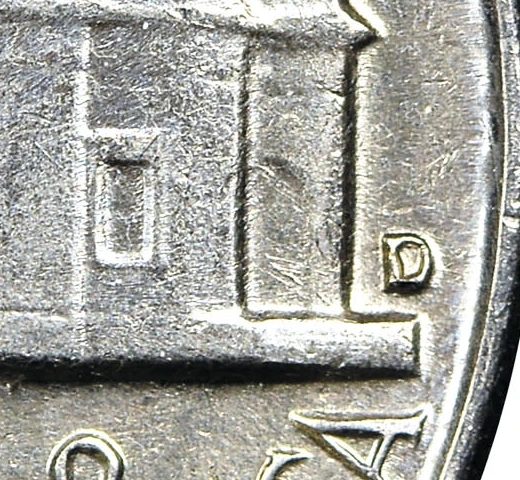
The D is on the reverse, not beside the date
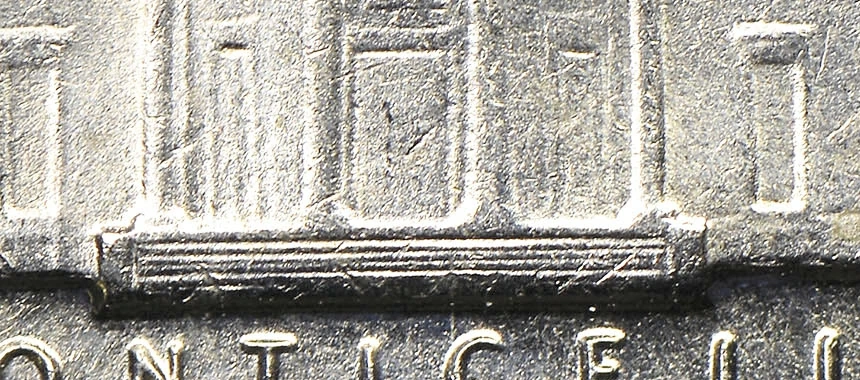
Confirm 1963 on the obverse, then look to the right of Monticello. A small D identifies Denver and a blank position is normal for Philadelphia. Do not look for a modern obverse mint mark or the wartime large letter over the dome.
Weak strike, planchet roughness and wear need different explanations
Inspect the portrait’s high points, luster in the fields and the building together. Rough or incomplete central details can be original to a weak strike. Circulation wear produces rubbing and disrupts the surface. A soft step or jaw alone is not enough to name an error or assign a grade.
Proofs and varieties require the correct manufacturing category
Philadelphia made 1963 Proof nickels as well as ordinary circulation strikes without a mint letter. NGC notes that many doubled-die listings for this date concern Proofs. Do not transfer a Proof attribution or price to an ordinary coin merely because a letter looks thick or the surface is reflective.
Condition & value
Amounts are in U.S. dollars. The final column gives each source row’s update date (month/day/year), separate from the access date of November 13, 2026. Published guides are reference estimates, not guaranteed buying offers or seller net proceeds. Obtain recent like-for-like completed comparisons for an actual transaction.
MS means Mint State. Full Steps, Proofs and attributed varieties are excluded from the ordinary entries.
| Issue | Grade / condition | USD reference | Basis | Source updated |
|---|---|---|---|---|
| 1963 no mark | Good | $0.10 | NGC retail guide | 10/24/2022 |
| 1963 no mark | Fine | $0.10 | NGC retail guide | 10/24/2022 |
| 1963 no mark | Extremely Fine 40 | $0.10 | NGC retail guide | 10/24/2022 |
| 1963 no mark | MS63 | $1 | NGC retail guide | 10/24/2022 |
| 1963 no mark | MS65 | $15 | NGC retail guide | 10/24/2022 |
| 1963-D | Good | $0.10 | NGC retail guide | 10/24/2022 |
| 1963-D | Fine | $0.10 | NGC retail guide | 10/24/2022 |
| 1963-D | Extremely Fine 40 | $0.10 | NGC retail guide | 10/24/2022 |
| 1963-D | MS63 | $1 | NGC retail guide | 10/24/2022 |
| 1963-D | MS65 | $45 | NGC retail guide | 10/24/2022 |
The grade jump is not a price for every raw Denver coin
The ordinary MS63 guide reference is $1 for each mint, far below the MS65 and MS66 figures above. A coin found in change needs a realistic preservation assessment before a higher-grade comparison is meaningful. The guide does not guarantee a dealer offer or include every selling expense.
Full Steps is a separate strike designation
NGC separates Five Full Steps and Six Full Steps. Continuous qualifying detail is not established by shine, overall numerical grade or a sharply photographed part of the building. Compare the same designation and service; incomplete steps on an otherwise unworn coin are not a reason to use a Full Steps premium.
Use a separate Proof guide
NGC’s ordinary Proof row, updated September 1, 2022, lists Proof 65 at $15 and Proof 66 at $20. These are dated collector-manufacture references and exclude contrast designations. Polishing cannot turn an ordinary coin into a Proof. Consult altered-surface checks before selecting that entry.
Photograph both faces under even light and record the visible date and mint mark. HeriBase can help organize an initial photo-based identification; verify important mint, finish and variety details against the references before using a price. An app result is not a certified grade, authentication or purchase offer.
Summary
Identify Philadelphia or Denver, then assess actual wear, strike and surface quality. Most worn 1963 nickels carry small premiums and no silver content. Keep Full Steps and Proof comparisons separate, and preserve the surface when further examination could change the attribution.
FAQ
Is a 1963 nickel silver?
No. The standard issue is 75% copper and 25% nickel, not the silver alloy used in other contemporary denominations.
Where is the mint mark?
The small D is on the reverse to the right of Monticello. Normal Philadelphia coins have no letter there.
Is a no-mint-mark 1963 nickel a Proof?
Not automatically. Ordinary Philadelphia coins also lack a letter. Manufacturing evidence is needed.
Can weak steps occur on an uncirculated coin?
Yes. Incomplete striking and other production characteristics can leave weak details without circulation wear. Full Steps remains a separate designation.
References
References and further reading
- NGC: 1963 5C MS specifications, issue analysis and dated guide
- NGC: 1963 D 5C MS specifications, issue analysis and dated guide
- NGC: separate collector Proof issue and dated guide
- NGC: Five Full Steps and Six Full Steps criteria
References accessed November 13, 2026. Guide update dates, source publication dates and sale dates are distinct. No independent examination or current buying offer for a reader’s coin is implied.