

 App Store

COIN VALUE GUIDES · QUARTERS
1962 Quarter Value:Silver, No Mint Mark, D and Proof Identification
Identify a 1962 Washington silver quarter, compare Philadelphia grade references and distinguish Denver coins and collector Proofs without treating a missing letter as an error.
 HeriBase TeamPublished
In this article
Quick answer
A normal 1962 Washington quarter is 90% silver, with approximately 0.1808 troy ounce of fine silver at its nominal weight. No mint mark is normal for Philadelphia; a D on the reverse identifies Denver. Philadelphia also made a separate Proof issue, so no mark alone does not identify the manufacturing method.
The PCGS retail guide checked October 23, 2026 lists Philadelphia regular strikes at $17 in Very Fine 20, $25 in Mint State 63 and $30 in Mint State 65. These are references for problem-free coins in the stated grade. Denver, Proof and specifically attributed variety entries need separate comparisons.
Coin photos
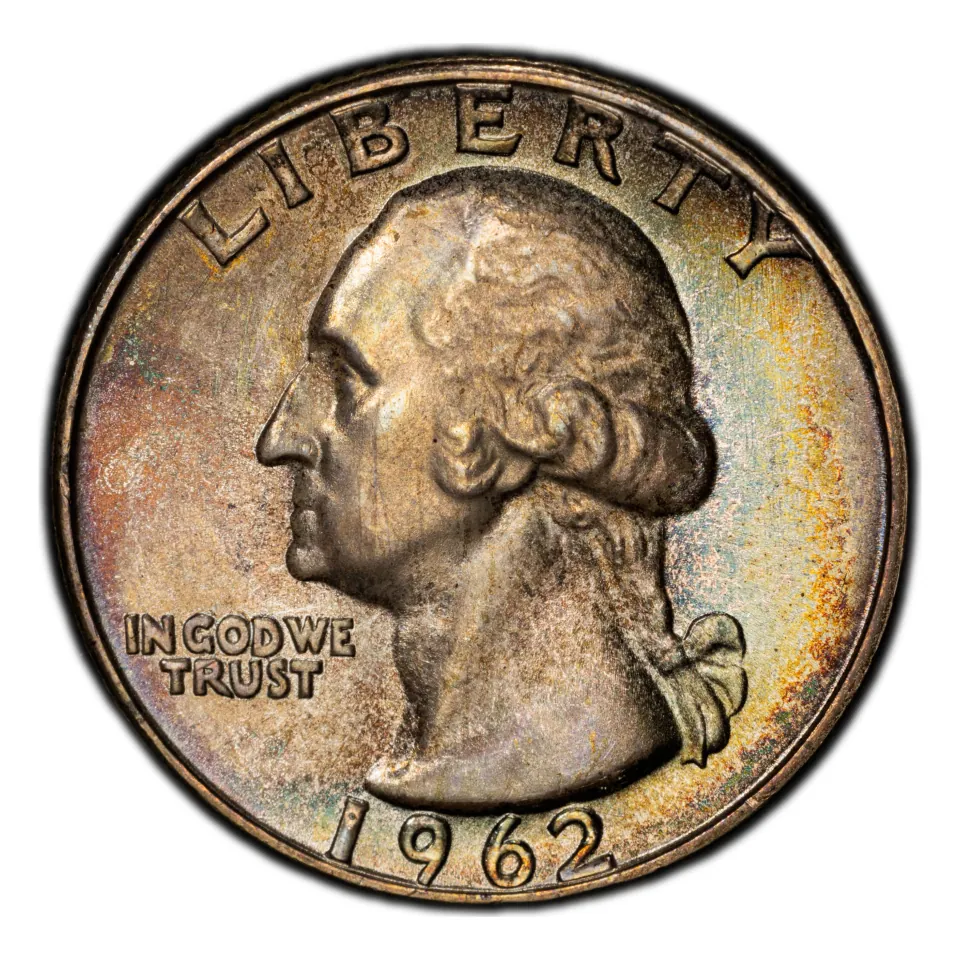
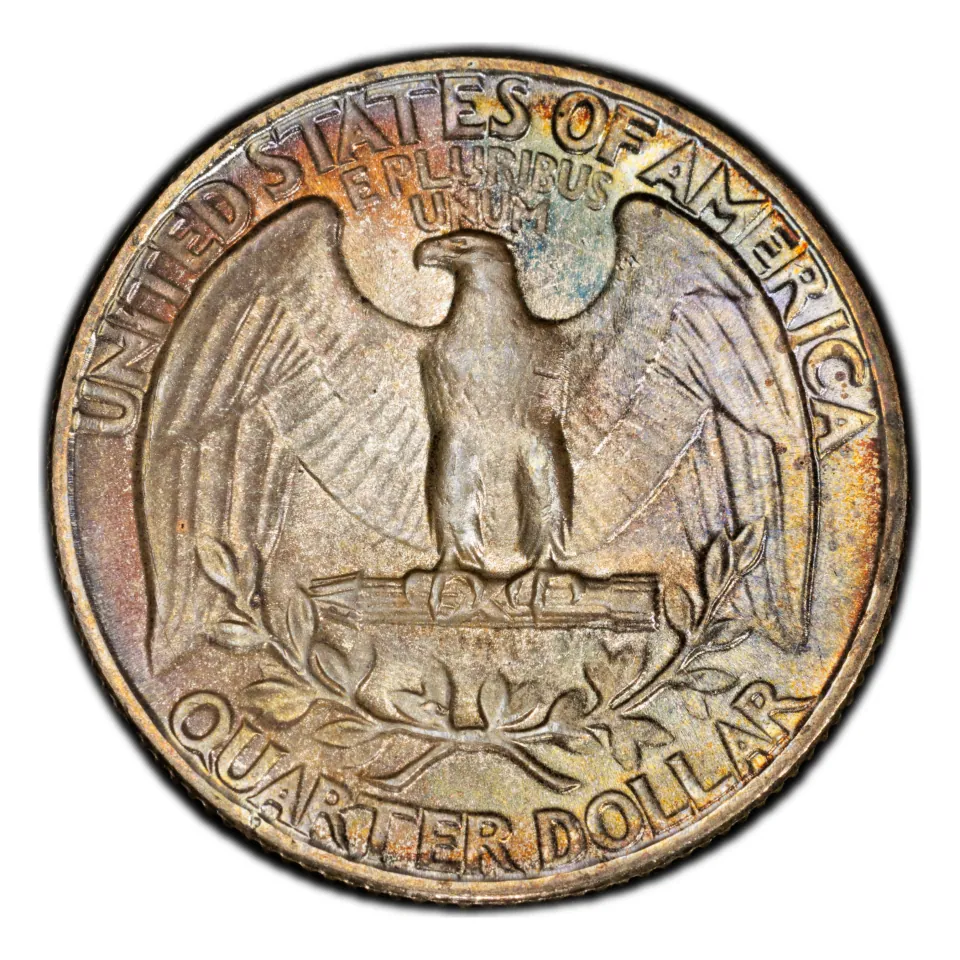
Basics & coin story
John Flanagan’s Washington portrait originated with the 1932 quarter honoring Washington’s bicentennial. In 1962 it remained paired with the eagle reverse and the original silver composition. The change to copper-nickel clad circulating quarters came in 1965, so silver is expected here rather than evidence of a wrong-metal error.
Philadelphia’s recorded regular-strike mintage was 36,156,000. Original production is only one part of the collecting story. PCGS’s narrative emphasizes the importance of saved coins when comparing this issue with Denver. A lower mintage does not automatically mean fewer survivors in every high grade.
That distinction is useful when choosing a collection goal. A worn silver type example, a matching P-and-D date pair and a high-grade certified specimen are different purchases. The neighboring 1963 quarter guide helps with chronology, while each date and mint retains its own price evidence.
| Feature | What to check |
|---|---|
| Type / denomination | Washington quarter, eagle reverse / 25 cents |
| Designer | John Flanagan |
| Composition | 90% silver, 10% copper |
| Nominal weight / diameter | 6.25 g / approximately 24.3 mm |
| Fine silver | Approximately 0.1808 troy ounce |
| Edge | Reeded |
| Regular strikes | Philadelphia: no mark; Denver: D |
| Proof | Philadelphia, no mint mark; separate collector manufacture |
Identification
Find the mint mark on the reverse
Look below the eagle’s wreath and above QUARTER DOLLAR. A D identifies the Denver entry. A blank area is the expected Philadelphia arrangement, not a mint error. Do not search beside Washington’s neck as you would on a later quarter. If corrosion or wear obscures the area, record the mint as uncertain until examined.
Separate a regular strike from a Proof
Both Philadelphia products lack a mint letter. Proof is a manufacturing category, commonly graded PR, while uncirculated regular strikes use Mint State, or MS. A coin that reflects a lamp may be polished rather than a Proof. Compare the full finish, details and any original collector context; no single bright patch establishes the issue.
Keep genuine varieties separate from damage
A claimed doubled die or repunched mint mark needs the diagnostics of a specific cataloged entry. A stain, scratch or shelf-like displaced outline should not inherit a premium from a different variety. Photograph both sides and the detail under even light without cleaning it. The date and mint must still agree with the attribution.
Condition & value
Amounts are in U.S. dollars. PCGS retail-guide examples were checked October 23, 2026 and apply only to the stated issue, grade and designation. They are not guaranteed purchase offers; current market conditions and selling costs can change the amount received.
| Issue | Grade / condition | Value or reference | Basis | Important condition |
|---|---|---|---|---|
| 1962 Philadelphia regular | VF20 | $17 | PCGS retail guide | Problem-free circulated reference |
| 1962 Philadelphia regular | MS63 | $25 | PCGS retail guide | Correct uncirculated grade |
| 1962 Philadelphia regular | MS65 | $30 | PCGS retail guide | Ordinary issue, original surfaces |
| Contained silver | Approximately 0.1808 troy oz | 0.1808 × silver spot per oz | Metal-content reference | Not a fixed buying offer |
| 1962-D / Proof / named variety | Exact issue and grade | Use separate evidence | Different entries | No Philadelphia regular price transferred |
The metal-content calculation is approximately 0.1808 multiplied by the silver price per troy ounce. It measures contained silver rather than collector retail value. A dealer’s buying spread, handling costs and a coin’s condition can affect the amount offered. Keep a changing silver reference separate from the dated grade estimates above.
Inspect Washington’s cheek and hair and the eagle’s high points for friction, then the open fields for contact marks and cleaning hairlines. A sharp outline is not proof of an uncirculated grade. Original luster, wear and surface alteration need to be considered together. The grading scale and cleaning-identification guide explain the general checks.
For a sale comparison, match the exact mint, grade and surface status and confirm that the reference is a completed transaction. A seller’s ambitious asking price is not a realized value. Certification costs should be weighed against the likely collector premium before submitting an ordinary example.
Summary
Check the reverse mint mark, identify regular strike versus Proof, and compare the same grade. Silver and the normal absence of a Philadelphia letter are expected in 1962. Preserve the surfaces and keep the metal calculation separate from a retail guide or actual buying offer.
FAQ
Is a 1962 quarter silver?
Yes. A standard 1962 Washington quarter is 90% silver, containing approximately 0.1808 troy ounce of fine silver at its nominal weight.
Where is the D on a 1962 quarter?
On the reverse below the wreath and above QUARTER DOLLAR. No mint mark is normal for Philadelphia.
Is every no-mint-mark 1962 quarter a Proof?
No. Philadelphia made both regular strikes and a separate Proof issue without a mint mark. Manufacturing category must be identified independently.
Does lower mintage always make a 1962 quarter more valuable?
No. Saved quantities, surviving condition, mint, surface quality and collector demand matter. Compare the exact issue and grade rather than original mintage alone.
References
References and further reading
- PCGS CoinFacts: exact issue, specifications and available guide evidence
- U.S. Mint: Washington quarter history and the clad transition
- NGC: original silver Washington quarter specifications
Sources and quoted guide evidence checked October 23, 2026. Guide estimates, historical sales, face value and metal-content calculations are identified separately.