

 App Store

COIN VALUE GUIDES · QUARTERS
1952 Quarter Value:Silver, No Mint Mark, D and S Issues
Identify a 1952 Washington quarter, find its reverse mint mark and compare ordinary Philadelphia silver coins with Denver, San Francisco and collector Proof issues.
 HeriBase TeamPublished
In this article
Quick answer
A normal 1952 Washington quarter is 90% silver, containing approximately 0.1808 troy ounce of fine silver at its nominal weight. No mint mark identifies Philadelphia; D and S regular strikes are separate issues. A missing letter is normal and does not establish an error.
The PCGS retail guide checked October 23, 2026 lists Philadelphia regular strikes at $17 in VF20, $25 in MS63 and $30 in MS65. Those figures require the stated grade and problem-free surfaces. Philadelphia Proofs, other mints and attributed varieties need their own comparisons.
Coin photos
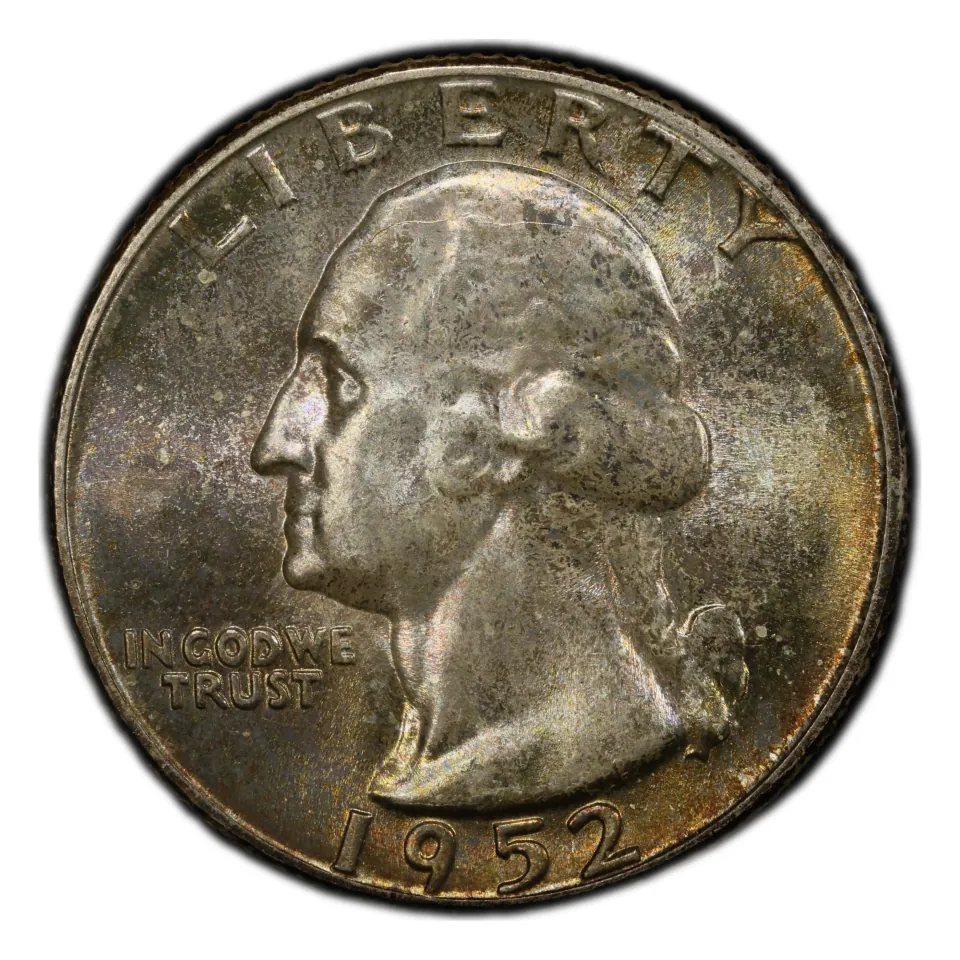
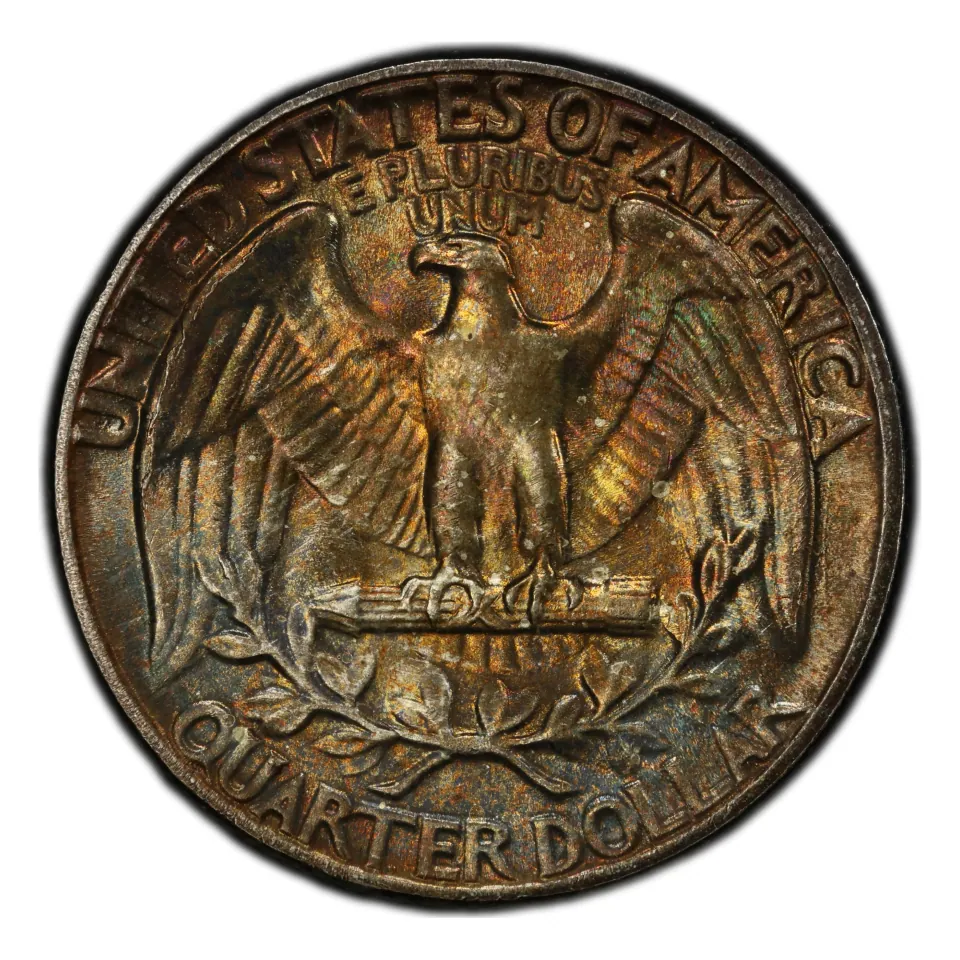
Basics & coin story
John Flanagan’s Washington portrait began with the 1932 bicentennial quarter. By 1952 the eagle reverse was a familiar circulating design, and the coin still used the silver alloy introduced with the series. Its silver content is an ordinary specification, rather than a rare off-metal discovery.
Three mints supplied regular quarters bearing this date. That makes a complete date set a different collecting goal from a single silver type example. A Proof adds another manufacturing category even though it shares Philadelphia’s absence of a mint letter.
PCGS describes the ordinary Philadelphia issue as accessible in Gem condition, with availability changing at higher grades. That is more useful than treating age as rarity: the condition of surviving coins matters alongside original production. The 1945 quarter guide provides an earlier silver-date comparison without transferring its prices to 1952.
| Feature | What to check |
|---|---|
| Type / denomination | Washington quarter / 25 cents |
| Design | Washington portrait; eagle reverse, John Flanagan |
| Composition | 90% silver, 10% copper |
| Nominal weight / diameter | 6.25 g / approximately 24.3 mm |
| Fine silver | Approximately 0.1808 troy ounce |
| Edge | Reeded |
| Regular strikes | Philadelphia: no letter; Denver: D; San Francisco: S |
| Proof | Philadelphia, no mint mark; separate collector issue |
Identification
Read the mark below the reverse wreath
Turn to the eagle side and inspect the area above QUARTER DOLLAR. D identifies Denver and S San Francisco. A blank area is the expected Philadelphia arrangement. Do not search beside Washington’s neck as on later quarters.
Separate Proof from an ordinary bright coin
A Philadelphia Proof has no mint mark, just like a Philadelphia regular strike. Finish and manufacturing characteristics must establish the distinction. Cleaning can make a worn coin reflective without creating a Proof. Original collector context can help, but a label on an envelope is not conclusive.
Use a named variety only after matching it
A Large D or other attributed variety needs its own catalog diagnostics. The existence of a variety does not make every Denver quarter an example. Photograph the mint mark clearly and compare the actual letter shape before considering a variety premium.
Condition & value
Amounts are in U.S. dollars. PCGS retail-guide examples were checked October 23, 2026 and apply only to the stated issue, grade and designation. They are not guaranteed purchase offers; current market conditions and selling costs can change the amount received.
| Issue | Grade / condition | Value or reference | Basis | Important condition |
|---|---|---|---|---|
| 1952 Philadelphia, regular | VF20 | $17 | PCGS retail guide | Circulated, problem-free |
| 1952 Philadelphia, regular | MS63 | $25 | PCGS retail guide | Uncirculated |
| 1952 Philadelphia, regular | MS65 | $30 | PCGS retail guide | Correct grade, original surfaces |
| Contained silver | Approximately 0.1808 troy oz | 0.1808 × silver spot per oz | Metal reference | Changes with silver |
| D / S / Proof / attributed variety | Exact issue and grade | Compare separately | Different entries | No Philadelphia price transferred |
The silver calculation measures metal content rather than a fixed dealer offer. Multiply 0.1808 by the current silver price per troy ounce, then keep that changing figure separate from dated collector estimates. Buying spreads and transaction costs can affect the amount received.
For a grade comparison, inspect Washington’s cheek and hair and the eagle’s high points for wear. Mint State coins can still have contact marks, spots or unattractive surfaces. The small difference between ordinary MS63 and MS65 references is also a reason to weigh grading fees before submitting a common coin.
Match mint, finish, grade and surface status when using completed sales. A high asking price or a sale of a different variety cannot establish this coin’s value. See the grading scale for general wear checks.
Summary
Find the reverse mint mark, distinguish regular strike from Proof, and assess condition. Silver is normal for 1952; no mint mark is normal for Philadelphia. Use the exact issue rather than an age-based rarity claim.
FAQ
Is a 1952 quarter silver?
Yes. A standard 1952 Washington quarter is 90% silver, with approximately 0.1808 troy ounce of fine silver at its nominal weight.
Where is the mint mark on a 1952 quarter?
On the reverse below the wreath and above QUARTER DOLLAR. D is Denver, S San Francisco, and no letter Philadelphia.
Is a no-mint-mark 1952 quarter a Proof?
Not necessarily. Philadelphia made regular strikes and a separate Proof issue without a mint mark.
Does every 1952-D quarter have a variety premium?
No. A named mint-mark variety requires matching catalog diagnostics; an ordinary D alone does not establish it.
References
References and further reading
- PCGS CoinFacts: exact issue, specifications and available guide evidence
- U.S. Mint: Washington quarter history
Sources and quoted guide evidence checked October 23, 2026. Guide estimates, historical sales, face value and metal-content calculations are identified separately.