

 App Store

COIN VALUE GUIDES · QUARTERS
1960 Quarter Value:Silver, D Mint Mark, Proofs and Type B
Find the correct 1960 Washington quarter issue before using a price, with silver content, Philadelphia grade references and separate Denver, Proof and Type B identification.
 HeriBase TeamPublished
In this article
Quick answer
A normal 1960 Washington quarter is 90% silver, with approximately 0.1808 troy ounce of fine silver. Philadelphia regular strikes have no mint mark; Denver has D on the reverse. Philadelphia also made a separate no-mark Proof issue.
The PCGS guide checked October 23, 2026 lists Philadelphia regular strikes at $17 in VF20, $25 in MS63 and $30 in MS65. These ordinary-issue references do not price a Denver coin, Proof or specifically attributed Type B reverse.
Coin photos
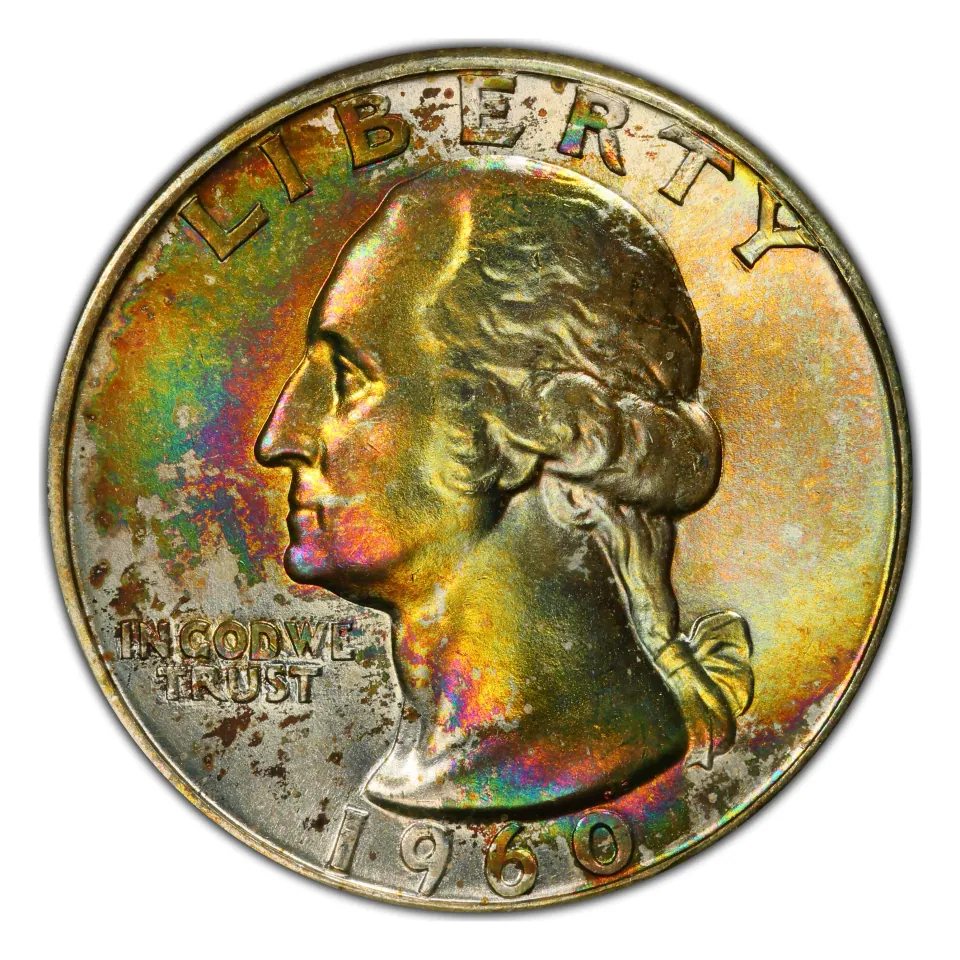
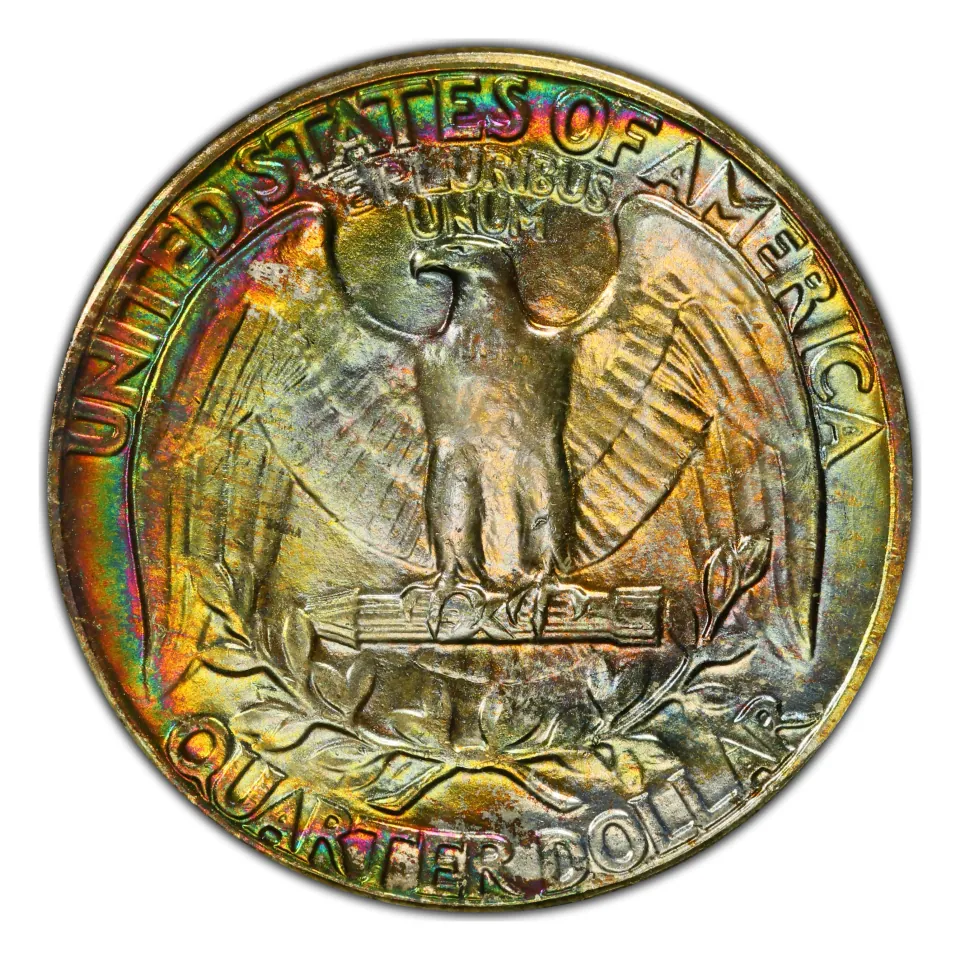
Basics & coin story
The 1960 quarter combines John Flanagan’s Washington portrait with the eagle reverse used throughout the silver-era series. The later 1965 transition to copper-nickel clad circulating quarters had not yet occurred. Silver is therefore an expected part of a genuine ordinary 1960 quarter.
PCGS records 29,164,000 Philadelphia regular strikes. Saved rolls and surviving condition affect availability as well as original mintage. A large original output cannot tell you how many coins retain a particular grade, and a lower mintage elsewhere does not automatically guarantee a larger premium.
This date also illustrates why reverse design characteristics and manufacturing method are separate questions. The cataloged Type B reverse is an attribution within the regular-strike context; the phrase “Proof reverse” does not mean the whole coin was manufactured as a Proof. For the series context, see the 1962 quarter guide.
| Feature | What to check |
|---|---|
| Type / denomination | Washington quarter / 25 cents |
| Designer | John Flanagan |
| Composition | 90% silver, 10% copper |
| Nominal weight / diameter | 6.25 g / approximately 24.3 mm |
| Fine silver | Approximately 0.1808 troy ounce |
| Edge | Reeded |
| Regular mints | Philadelphia: none; Denver: D |
| Proof | Philadelphia, no mint mark; separate manufacture |
Identification
Read the reverse mint-mark area
Look below the eagle’s wreath and above QUARTER DOLLAR. D identifies Denver; no letter is normal for Philadelphia. The blank area cannot distinguish a Philadelphia regular strike from a Philadelphia Proof.
Identify Proof manufacture independently
Proofs are collector products with a separate grading context, commonly PR. Reflective surfaces alone are insufficient because polishing can also create shine. Examine the entire finish and details, along with reliable original set context when available.
Keep Type B FS-901 separate from an ordinary reverse
PCGS catalogs a 1960 Type B reverse FS-901 entry. Establish that attribution using its reverse diagnostics before seeking a variety premium. Neither an unusually bright coin nor the presence of silver proves Type B, and the ordinary specimen photographed here is not presented as a diagnostic variety example.
Condition & value
Amounts are in U.S. dollars. PCGS retail-guide examples were checked October 23, 2026 and apply only to the stated issue, grade and designation. They are not guaranteed purchase offers; current market conditions and selling costs can change the amount received.
| Issue | Grade / condition | Value or reference | Basis | Important condition |
|---|---|---|---|---|
| 1960 Philadelphia, regular | VF20 | $17 | PCGS retail guide | Problem-free circulated coin |
| 1960 Philadelphia, regular | MS63 | $25 | PCGS retail guide | Ordinary uncirculated issue |
| 1960 Philadelphia, regular | MS65 | $30 | PCGS retail guide | Grade-specific reference |
| Contained silver | Approximately 0.1808 troy oz | 0.1808 × silver spot per oz | Metal reference | Changes with silver |
| 1960-D / Proof / Type B FS-901 | Exact issue and grade | Compare separately | Different entries | Attribution must match |
A contained-silver calculation is approximately 0.1808 multiplied by silver spot per troy ounce. Treat it as a metal reference rather than a guaranteed purchase offer. Retail estimates and actual buying spreads can differ, particularly for small transactions.
Check Washington’s cheek and the eagle’s high points for friction, then the fields for contact marks and hairlines. The modest ordinary MS63-to-MS65 guide difference makes certification costs relevant. A very high-grade or attributed coin is a different comparison, requiring evidence rather than an optimistic grade guess.
Match the exact mint, finish, grade and variety when examining completed sales. A Proof set price does not value one regular quarter. Use the grading guide for the general distinction between wear, strike detail and Mint State marks.
Summary
For a 1960 quarter, establish mint and manufacture before considering Type B. Silver and a missing Philadelphia letter are normal. A named reverse attribution requires its own evidence and price comparison.
FAQ
Is a 1960 quarter silver?
Yes. A standard 1960 quarter is 90% silver, with approximately 0.1808 troy ounce of fine silver at nominal weight.
Where is the D on a 1960 quarter?
On the reverse below the wreath and above QUARTER DOLLAR.
Does Type B mean a 1960 quarter is a Proof?
No. Type B is a cataloged reverse attribution within the regular-strike context. Proof manufacture is a separate identification question.
Are all no-mark 1960 quarters the same issue?
No. Philadelphia made regular strikes and separate Proofs, both without a mint mark; attributed varieties also require their own comparisons.
References
References and further reading
- PCGS CoinFacts: exact issue, specifications and available guide evidence
- U.S. Mint: quarter history and alloy transition
- PCGS: 1960 Type B reverse FS-901
Sources and quoted guide evidence checked October 23, 2026. Guide estimates, historical sales, face value and metal-content calculations are identified separately.