

 App Store

COIN VALUE GUIDES · NICKELS
1962 Nickel Value:No Mint Mark, D, Proofs and Full Steps
Identify the two circulation mints, separate a Philadelphia Proof, and understand why sharp Monticello steps can matter more than a large mintage.
 HeriBase TeamPublished
In this article
Quick answer
A normally worn 1962 nickel has a five-cent denomination baseline, rather than an automatic scarcity premium. NGC’s October 24, 2022 ordinary guide shows $0.10 for both mints in several circulated grades, compared with $1 for Philadelphia MS63 and $2.50 for Denver MS63. Retail guide numbers are not guaranteed dealer bids.
The important exceptions are unusually well-preserved coins, recognized Full Steps pieces, separate Proofs and genuine attributed varieties. Standard 1962 nickels are copper-nickel, not the silver wartime alloy.
Coin photos
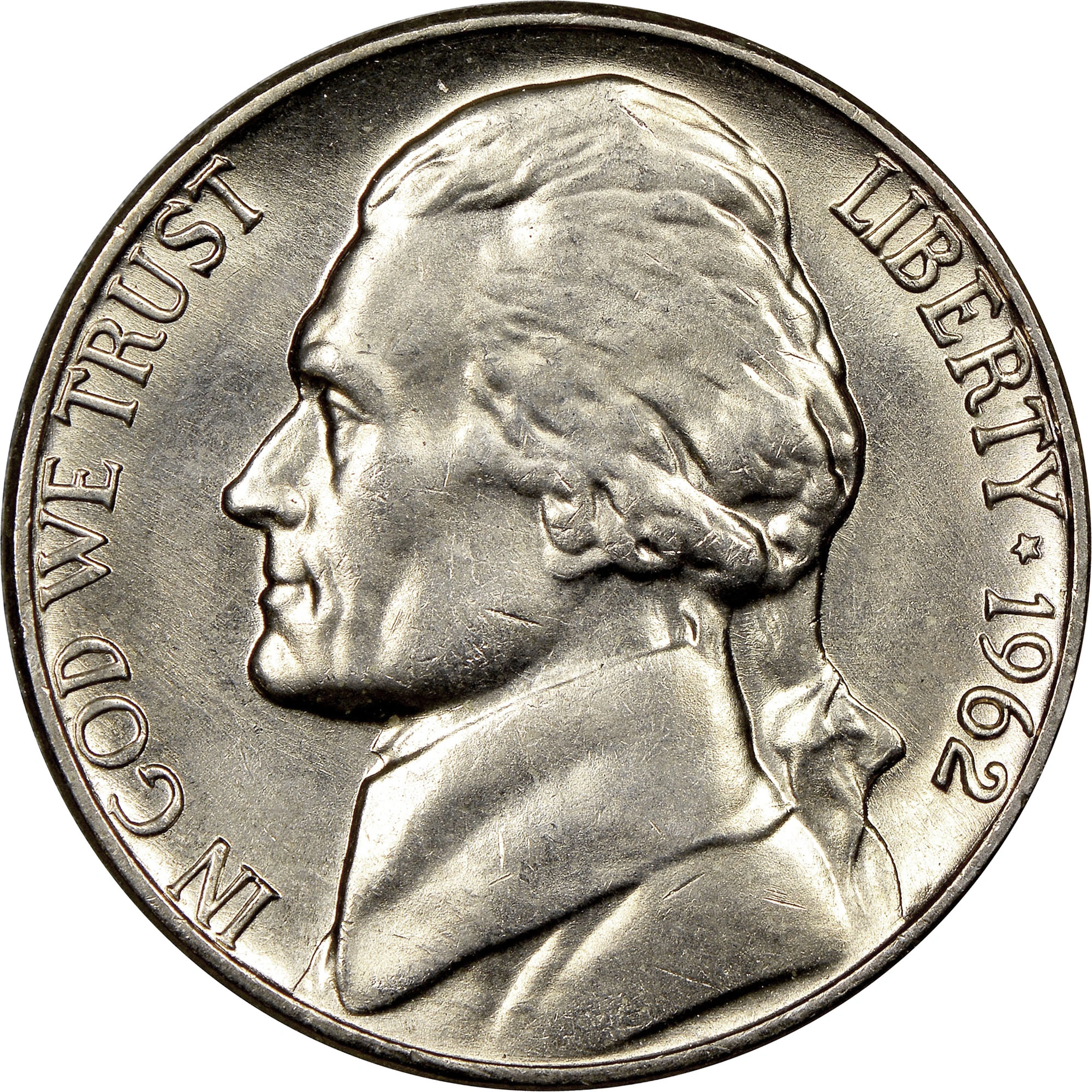
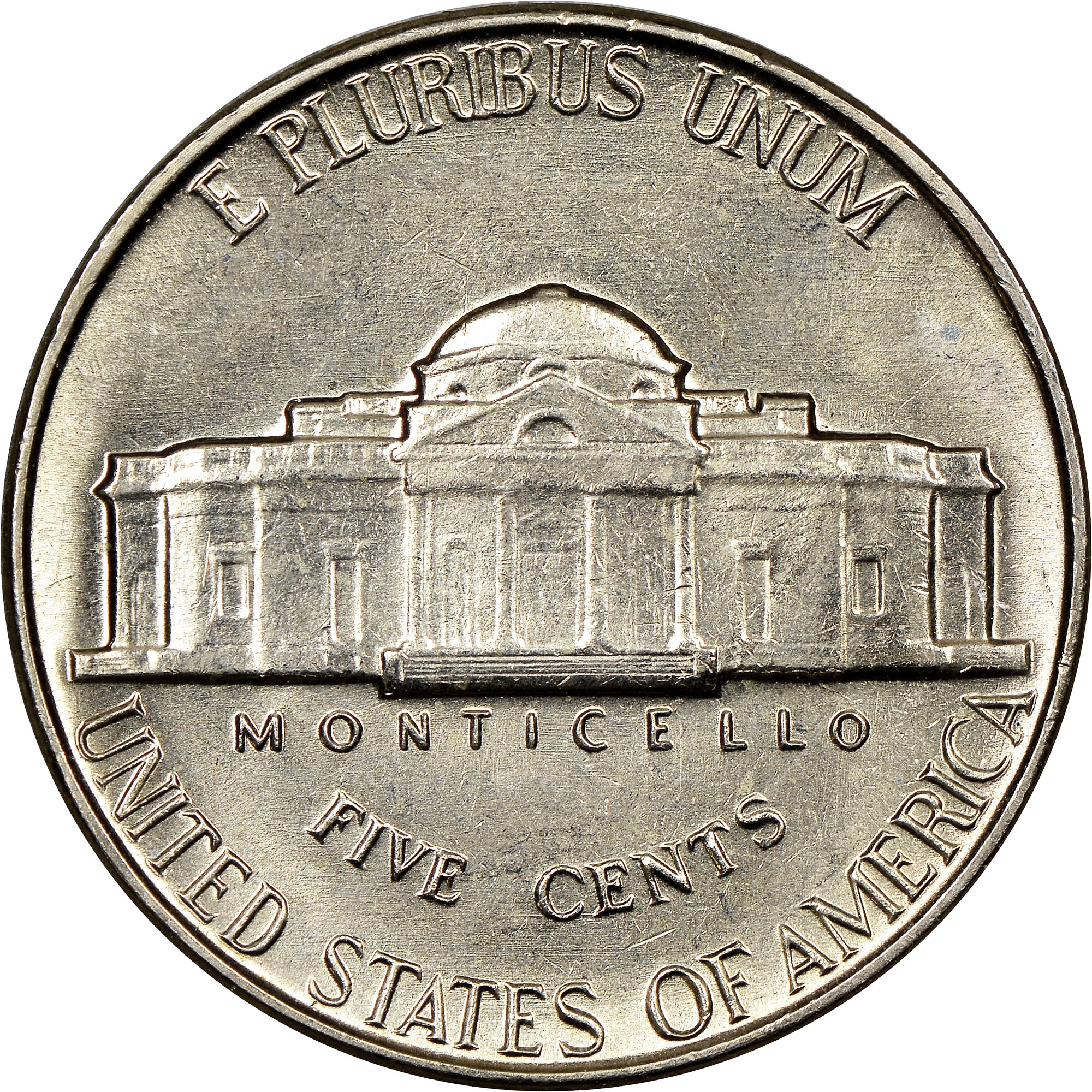
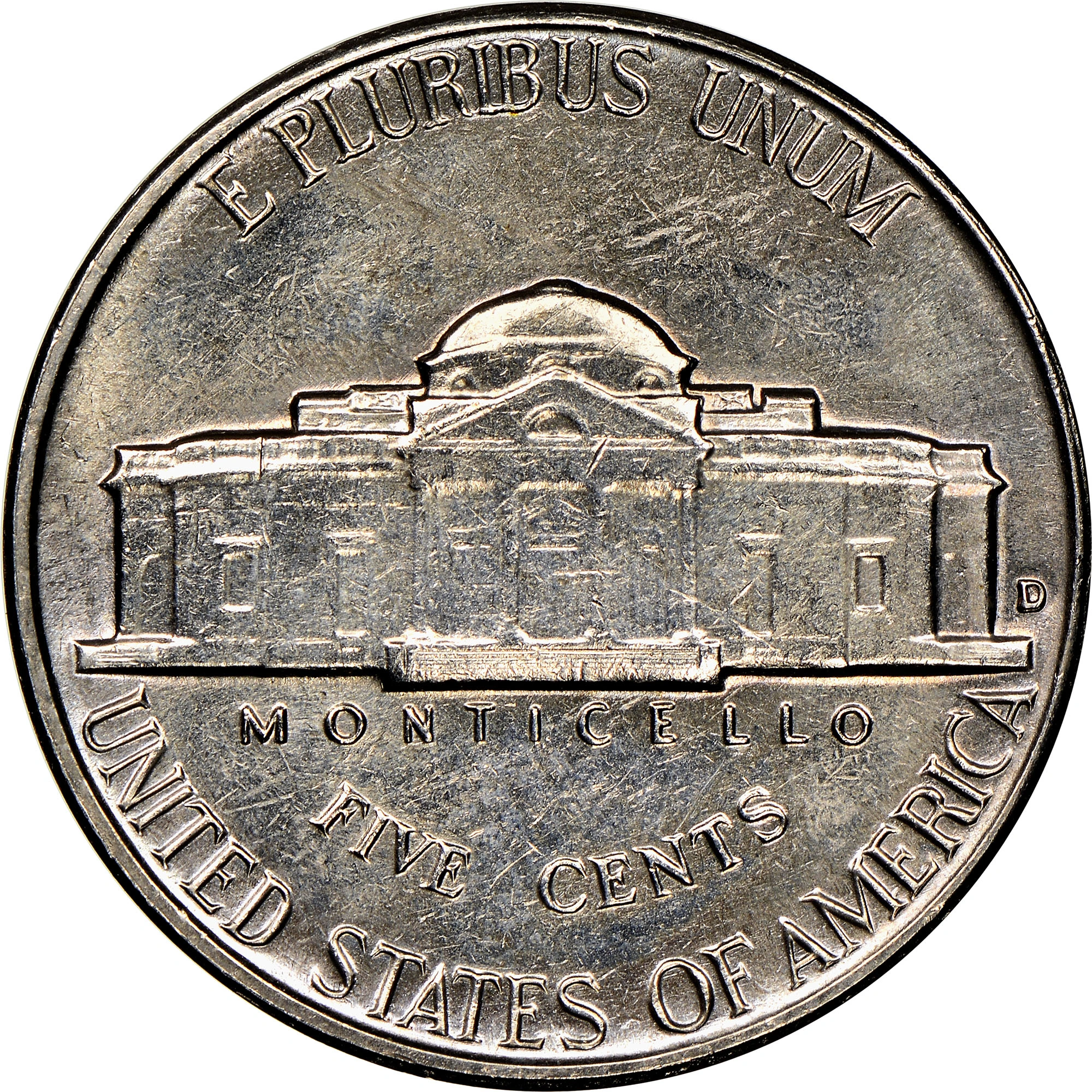
Basics & coin story
The rising demand for change produced substantial 1962 nickel mintages: 97,384,000 in Philadelphia and 280,195,720 in Denver. Large production totals did not ensure consistently crisp coins.
NGC notes that some Philadelphia coins were made with retired Proof dies, while Denver pieces often show weak strikes and die wear. That explains why a reflective surface and a sharp design need separate evaluation. For a useful metal comparison, the war nickel guide explains the earlier silver-alloy issues.
| Feature | What to check |
|---|---|
| Type / denomination | 1962 Jefferson nickel / five cents |
| Designer | Felix Schlag |
| Standard alloy | 75% copper; 25% nickel |
| Nominal weight / diameter | 5.00 g / 21.2 mm |
| Edge | Plain |
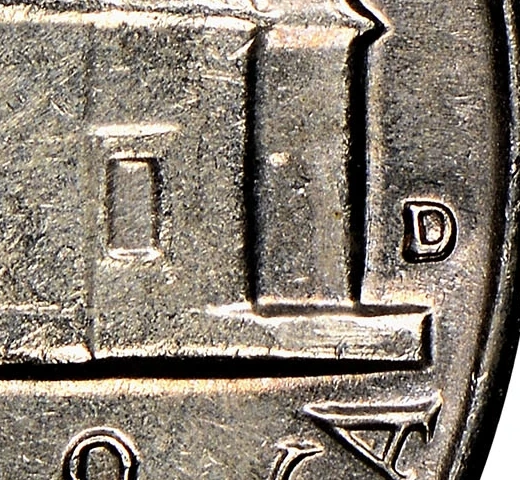
| Mint-mark position | Small D or S to the right of Monticello; Philadelphia blank |
Identification
Look beside Monticello, not below the date
A circulation 1962-D carries a small D at the right of Monticello. The Philadelphia issue has no mint letter. There was no regular 1962-S nickel; do not use modern obverse-mint conventions on this date.
Check the steps independently of luster
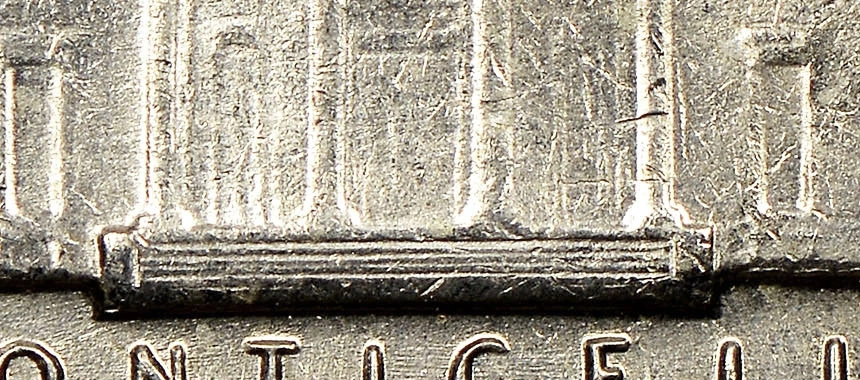
Look at the horizontal steps at Monticello’s base for continuity and interruptions. A bright coin may be weakly struck; an ordinary crop cannot establish a certified Five Full Steps or Six Full Steps designation.
Do not turn prooflike into Proof
Some regular Philadelphia coins can appear reflective. Proof is a manufacturing category, not a synonym for shiny or uncirculated; confirm the surfaces and issue before selecting a Proof guide.
Condition & value
Amounts are in U.S. dollars. The final column gives each source row’s update date (month/day/year), separate from the access date of November 13, 2026. Published guides are reference estimates, not guaranteed buying offers or seller net proceeds. Obtain recent like-for-like completed comparisons for an actual transaction.
MS means Mint State. Full Steps, Proofs and attributed varieties are excluded from the ordinary entries.
| Issue | Grade / condition | USD reference | Basis | Source updated |
|---|---|---|---|---|
| 1962 no mark | Good | $0.10 | NGC retail guide | 10/24/2022 |
| 1962 no mark | Fine | $0.10 | NGC retail guide | 10/24/2022 |
| 1962 no mark | Extremely Fine 40 | $0.10 | NGC retail guide | 10/24/2022 |
| 1962 no mark | MS63 | $1 | NGC retail guide | 10/24/2022 |
| 1962 no mark | MS65 | $12.50 | NGC retail guide | 10/24/2022 |
| 1962-D | Good | $0.10 | NGC retail guide | 10/24/2022 |
| 1962-D | Fine | $0.10 | NGC retail guide | 10/24/2022 |
| 1962-D | Extremely Fine 40 | $0.10 | NGC retail guide | 10/24/2022 |
| 1962-D | MS63 | $2.50 | NGC retail guide | 10/24/2022 |
| 1962-D | MS65 | $42.50 | NGC retail guide | 10/24/2022 |
Ordinary Mint State quality
NGC lists MS65 at $12.50 for Philadelphia and $42.50 for Denver in the October 24, 2022 ordinary rows. This grade-specific difference should not be carried over to worn Denver coins or treated as an up-to-date purchase quote.
Full Steps is a separate comparison
A Full Steps premium depends on the service designation, grade, interruptions and actual demand. The ordinary table excludes that designation. Match like-for-like certified records rather than borrowing a headline price for the date.
Proof and variety comparisons
The Philadelphia Proof guide lists a base PF65 reference of $15, updated September 1, 2022. Cameo contrast and attributed doubled dies require their own comparisons; a minor doubled edge alone does not justify a large premium.
Photograph both faces under even light and record the visible date and mint mark. HeriBase can help organize an initial photo-based identification; verify important mint, finish and variety details against the references before using a price. An app result is not a certified grade, authentication or purchase offer.
Summary
The important exceptions are unusually well-preserved coins, recognized Full Steps pieces, separate Proofs and genuine attributed varieties. Standard 1962 nickels are copper-nickel, not the silver wartime alloy. Match the complete issue and condition to a dated reference before seeking a current offer.
FAQ
Does a 1962 nickel contain silver?
The standard issue is 75% copper and 25% nickel. It is not a 1942–1945 silver-alloy war nickel.
Where is the mint mark on a 1962 nickel?
Denver’s D is on the reverse to the right of Monticello. Philadelphia circulation coins are blank in that position.
Is a shiny 1962 nickel a Proof?
Not necessarily. Some Philadelphia circulation coins are prooflike, and polishing can also produce shine.
Why can a 1962-D nickel be valuable?
Exceptional condition or a certified Full Steps designation may command a premium. A common worn D-mint coin does not inherit that premium.
References
References and further reading
- NGC: 1962 5C MS specifications, issue analysis and dated guide
- NGC: 1962 D 5C MS specifications, issue analysis and dated guide
- NGC: separate collector Proof issue and dated guide
- NGC: Five Full Steps and Six Full Steps criteria
References accessed November 13, 2026. Guide update dates, source publication dates and sale dates are distinct. No independent examination or current buying offer for a reader’s coin is implied.