

 App Store

COIN VALUE GUIDES · PENNIES
1956 Wheat Penny Value:No Mint Mark, D, Proofs and Repunched Marks
Compare 1956 and 1956-D wheat pennies by condition and copper color, distinguish Philadelphia Proofs, and check repunched mint marks without mistaking damage for a variety.
 HeriBase TeamPublished
In this article
Quick answer
Most ordinary circulated 1956 wheat pennies have small collector premiums; neither the year nor a D makes a coin rare by itself. NGC’s Brown guide lists Good and Fine examples at 5 cents and Extremely Fine 40 examples at 10 cents for both Philadelphia and Denver. The rows were last updated November 7, 2022 and accessed November 13, 2026; these are dated retail references, not current dealer buying prices.
Uncirculated copper needs an original color designation as well as a grade. NGC’s MS65 Red references are $16 without a mint mark and $14 for Denver, versus $5 in Brown for either mint at the same numerical grade. Philadelphia Proof cents and authenticated D/D repunched-mint-mark varieties require separate comparisons.
Coin photos
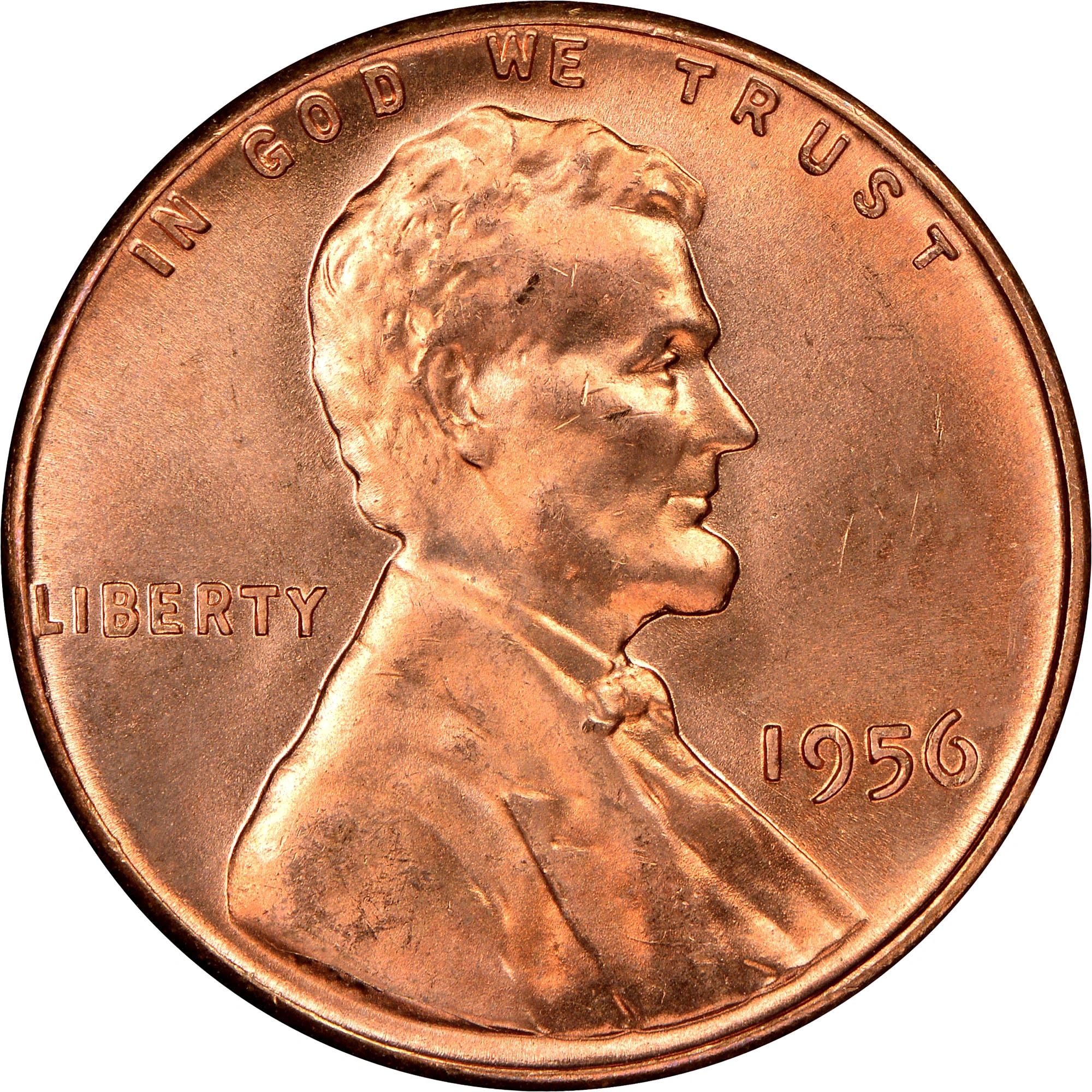
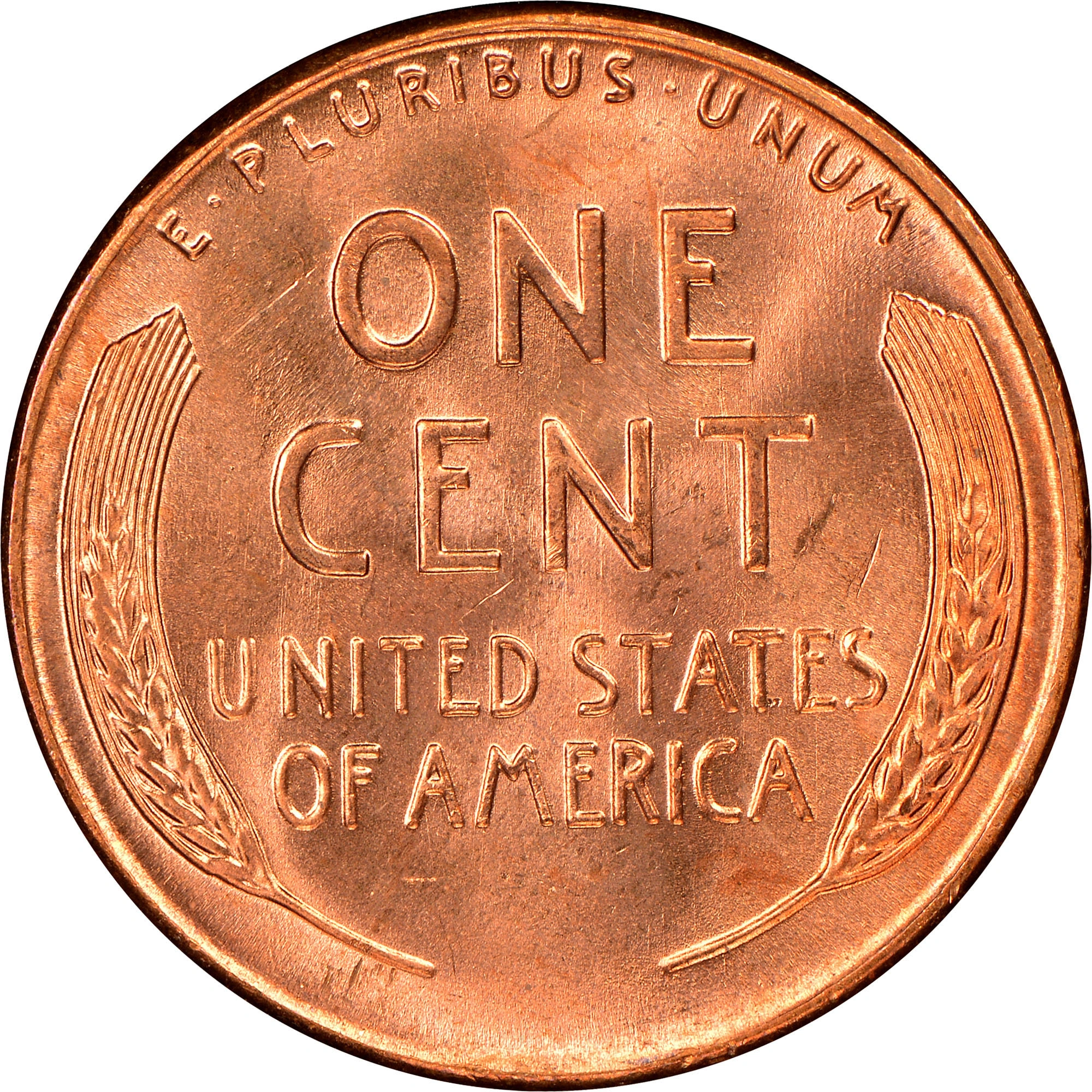
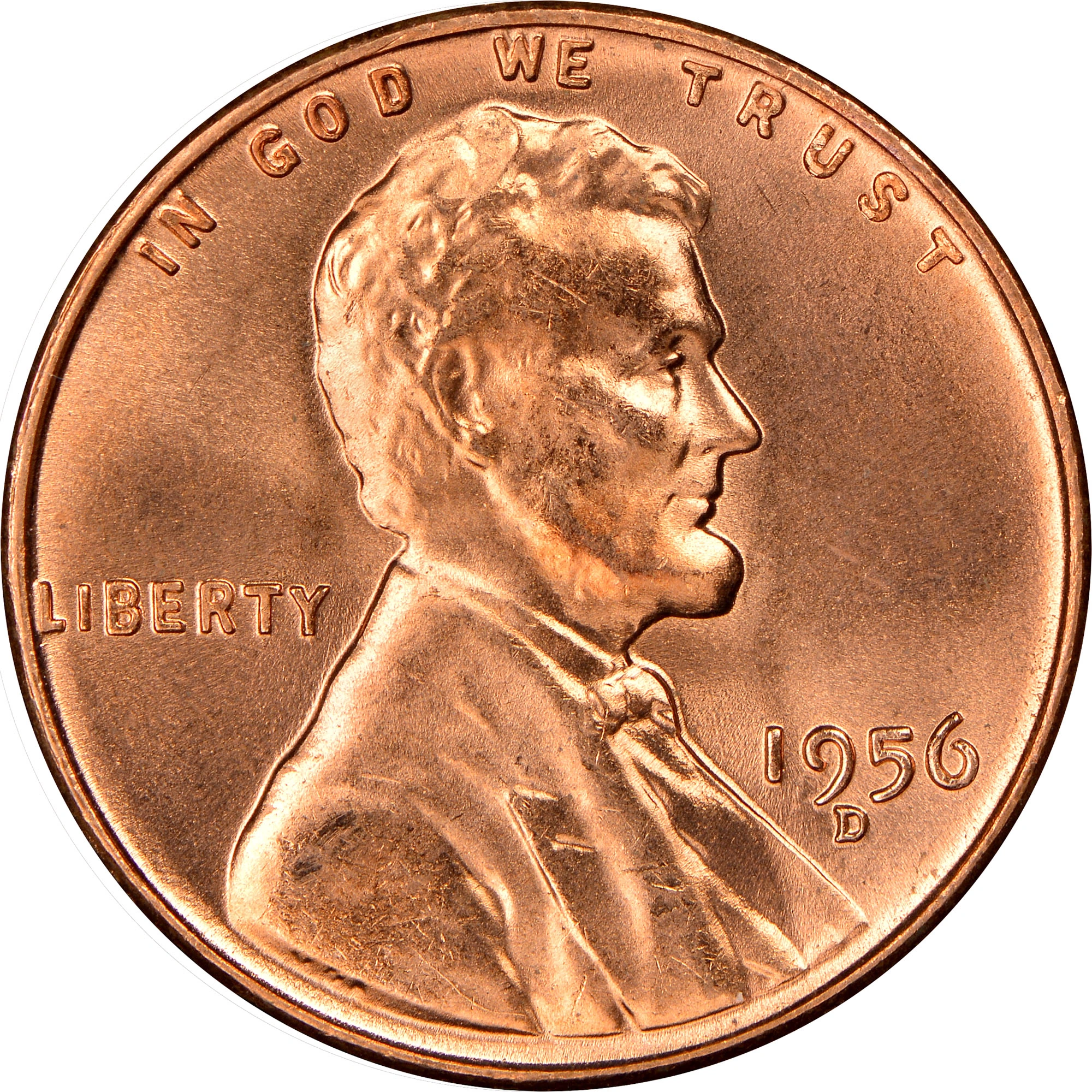
Basics & coin story
The wheat reverse was nearing the end of its run in 1956, but demand for cents remained high. Denver’s regular output exceeded one billion, a first for that mint’s cents. San Francisco had stopped regular cent production after 1955, so the normal 1956 circulation checklist is Philadelphia and Denver, not a three-mint P–D–S set.
Brenner’s portrait and the wheat ears still identified the design; the Memorial reverse would arrive in 1959. Philadelphia also supplied Proof coins for collectors, creating two different no-mint-mark categories in 1956. The wheat penny series guide helps distinguish that design timeline from a claim about an individual coin’s rarity.
| Feature | What to check |
|---|---|
| Issue | 1956 Lincoln wheat cent / one cent |
| Designer | Victor David Brenner |
| Standard alloy | 95% copper; 5% tin and zinc |
| Nominal weight / diameter | 3.11 g / 19 mm |
| Edge | Plain |
| Regular mints | No mark = Philadelphia; D = Denver |
| Mint-mark location | Obverse below the date |
Identification
No mint mark or D: check beneath 1956
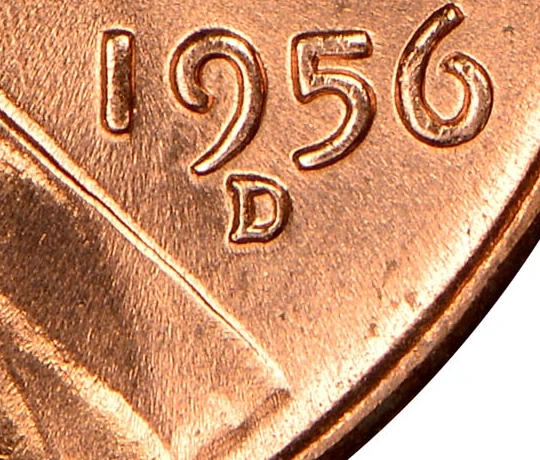
A D below the date identifies Denver, while no letter is normal for Philadelphia. Confirm the wheat ears and ONE CENT on the reverse. A supposed regular 1956-S requires a closer look at the actual date and mark rather than insertion into the ordinary checklist.
The same empty Philadelphia position appears on circulation strikes and Proofs. A missing letter does not distinguish those manufacturing processes and is not itself an error.
Original color is different from a shiny surface
Brown (BN), Red-Brown (RB) and Red (RD) are color categories. Mint State (MS) describes an absence of circulation wear, while a numerical grade also considers marks and preservation. A bright cleaned cent cannot gain an original Red designation simply because its color looks fresh.
Inspect Lincoln’s high points, fields and the wheat ears under diffuse light. NGC notes softness from long-used dies and an aging hub on many 1956 coins, so some indistinct detail can be original. Combine detail with luster and rubbing rather than grading from one sharply lit feature.
A D/D is a repunched mint mark, not any doubled design
Mint letters were applied to working dies separately in this era. A repeated D impression can leave the diagnostics of a repunched mint mark (RPM). PCGS catalogs the 1956-D/D FS-501 and other specific RPMs; a damaged or thick-looking D is not enough to select one.
Match the direction and position of both impressions and the supporting die markers. Machine doubling, glare and corrosion can imitate a small part of the appearance. The ordinary D close-up in this article establishes the location only; it is not presented as an authenticated RPM example.
Condition & value
Amounts are in U.S. dollars. The table reports published ordinary-strike guide references, not completed sales or guaranteed offers. The final column is the source row’s own update date (month/day/year); all rows were accessed November 13, 2026. Older guide dates are a limitation, so obtain recent matching sales or offers before a transaction.
MS means Mint State. The table uses Brown (BN) copper entries; it excludes RB, RD, Proofs and attributed doubled dies.
| Issue | Grade / condition | USD reference | Basis | Guide updated |
|---|---|---|---|---|
| 1956 1C BN | Good | $0.05 | NGC retail guide | 11/07/2022 |
| 1956 1C BN | Fine | $0.05 | NGC retail guide | 11/07/2022 |
| 1956 1C BN | Extremely Fine 40 | $0.10 | NGC retail guide | 11/07/2022 |
| 1956 1C BN | MS63 | $1.50 | NGC retail guide | 11/07/2022 |
| 1956 1C BN | MS65 | $5 | NGC retail guide | 11/07/2022 |
| 1956 D 1C BN | Good | $0.05 | NGC retail guide | 11/07/2022 |
| 1956 D 1C BN | Fine | $0.05 | NGC retail guide | 11/07/2022 |
| 1956 D 1C BN | Extremely Fine 40 | $0.10 | NGC retail guide | 11/07/2022 |
| 1956 D 1C BN | MS63 | $1.50 | NGC retail guide | 11/07/2022 |
| 1956 D 1C BN | MS65 | $5 | NGC retail guide | 11/07/2022 |
Read ordinary Brown and Red prices separately
The main table uses NGC’s Brown entries, so it remains comparable to ordinary circulated cents. Its MS63 Brown references are $1.50 for either mint and MS65 Brown references $5. The separate Red MS66 references are $47.50 for Philadelphia and $45 for Denver, with a November 7, 2022 source update date. Do not average those categories into a single price for a worn penny.
High-grade condition scarcity can exist within a very large mintage. That does not mean an ungraded coin found in change qualifies. For an actual offer, compare recent completed examples of the same mint, grade, original color and surface quality, including the effect of selling costs.
The 1956 Proof market starts with manufacture
Philadelphia’s Proof cents were made for collectors. NGC’s ordinary Red Proof guide, last updated May 19, 2025, lists Proof 63 at $15, Proof 65 at $25 and Proof 66 at $35. Those figures are separate from regular strikes and exclude special Cameo or Ultra Cameo comparisons. They are guide estimates, not a new transaction or guaranteed offer.
A reflective surface alone is insufficient: polishing can imitate shine, and a loose coin can lose the context supplied by original packaging. Compare the complete finish and devices with known Proof examples. Use the cleaning-identification guide and grade terminology before assigning a collector-finish premium.
For an initial identification, photograph both faces in even light and record the visible date and mint mark. HeriBase can help organize a photo-based identification; verify important mint, finish and variety details against the references before using a price. An app result is a starting point, not a certified grade, authentication or purchase offer.
Summary
Sort 1956 pennies into ordinary Philadelphia, ordinary Denver and properly identified Philadelphia Proofs. Assess original copper color separately from numerical grade. Most worn examples are modest-premium coins; reserve RPM and exceptional-grade prices for evidence that actually matches the catalog entry.
FAQ
Is a 1956-D wheat penny rare?
The ordinary issue had a very large mintage. Exceptional preservation or a recognized variety can matter, but the D alone does not make a worn coin rare.
Was there a regular 1956-S wheat penny?
There is no regular 1956-S circulation issue in the normal checklist. Recheck a supposed S coin’s date, mark and authenticity.
Is a 1956 penny without a mint mark a Proof?
Not automatically. Both ordinary Philadelphia cents and Philadelphia Proofs have no letter below the date. Proof manufacture needs additional evidence.
What is a 1956-D/D penny?
It is a repunched-mint-mark attribution with repeated D impressions on the die. Match a recognized variety’s diagnostics; damage or a thick letter alone is insufficient.
References
References and further reading
- NGC: 1956 1C MS specifications, analysis and dated guide
- NGC: 1956 D 1C MS specifications, analysis and dated guide
- PCGS: 1956-D/D FS-501 recognized variety
- NGC: 1956 Philadelphia Proof specifications and dated guide
- NGC: hand-punched mint marks and RPM examples
- U.S. Mint: Lincoln cent design history
References accessed November 13, 2026. Guide update dates, access dates and historical sale dates are separate. No current dealer offer or independent examination of a reader’s coin is implied.