

 App Store

COIN VALUE GUIDES · PENNIES
1952 Wheat Penny Value:No Mint Mark, D, S and Proof Prices
Compare 1952-D with the other two circulation mints, check the date’s distinctive 5, and keep original copper color separate from wear.
 HeriBase TeamPublished
In this article
Quick answer
Most worn 1952 wheat pennies have only a small collector premium. NGC’s November 7, 2022 Brown guide lists Philadelphia, Denver and San Francisco alike at $0.05 in Good and $0.10 in Extremely Fine 40. These are historical retail estimates, not a promise that a dealer will buy individual coins at those amounts.
Uncirculated original-color pieces and Philadelphia Proofs form separate markets. A D below 1952 identifies Denver; it does not by itself make the coin a scarce error. This single year guide includes no-mark, D and S coins.
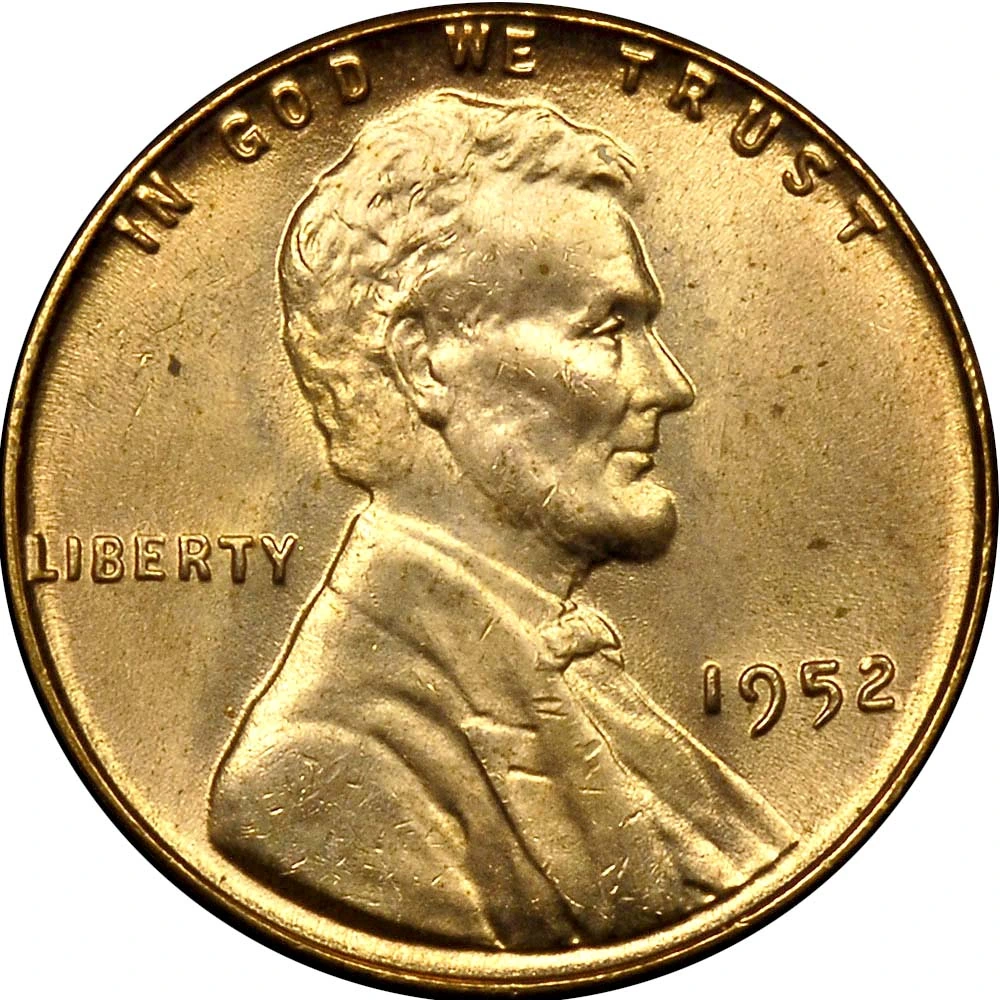
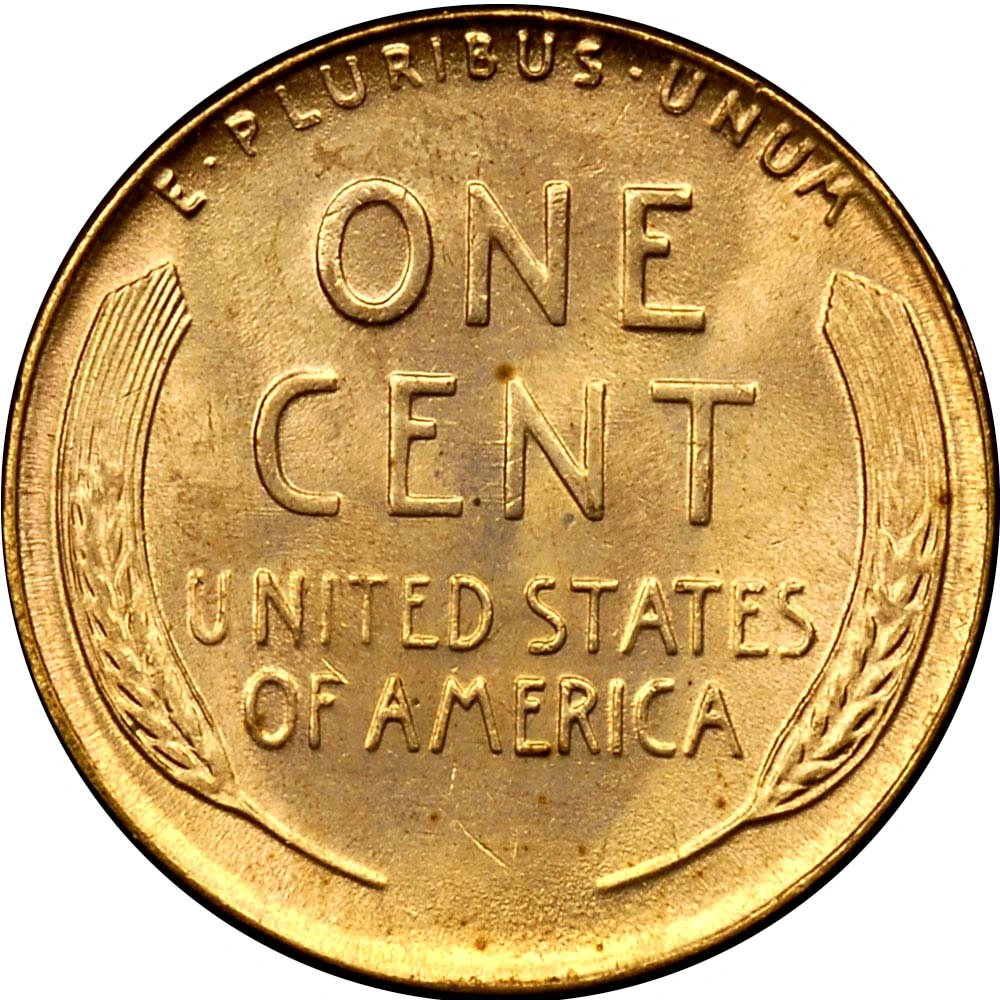
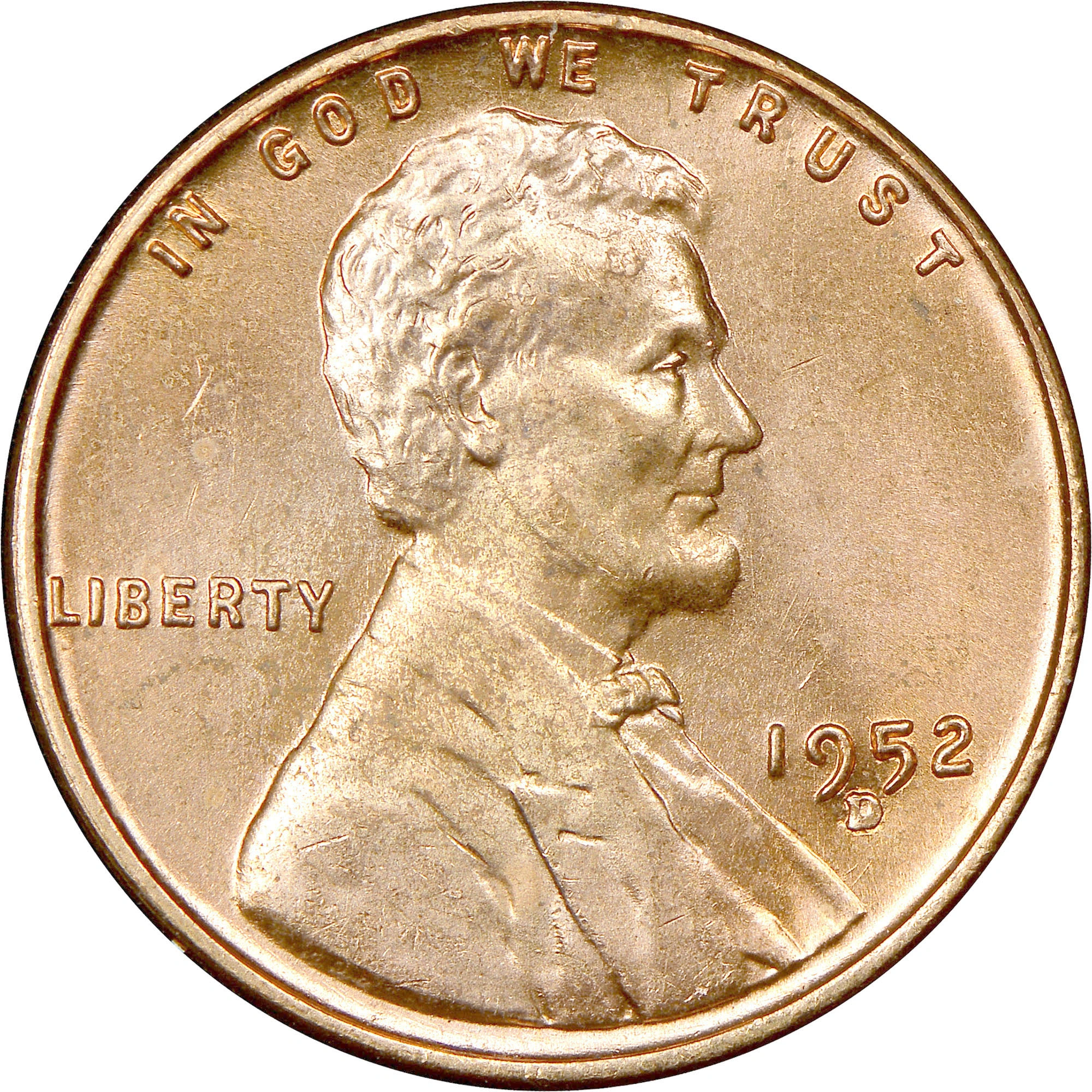
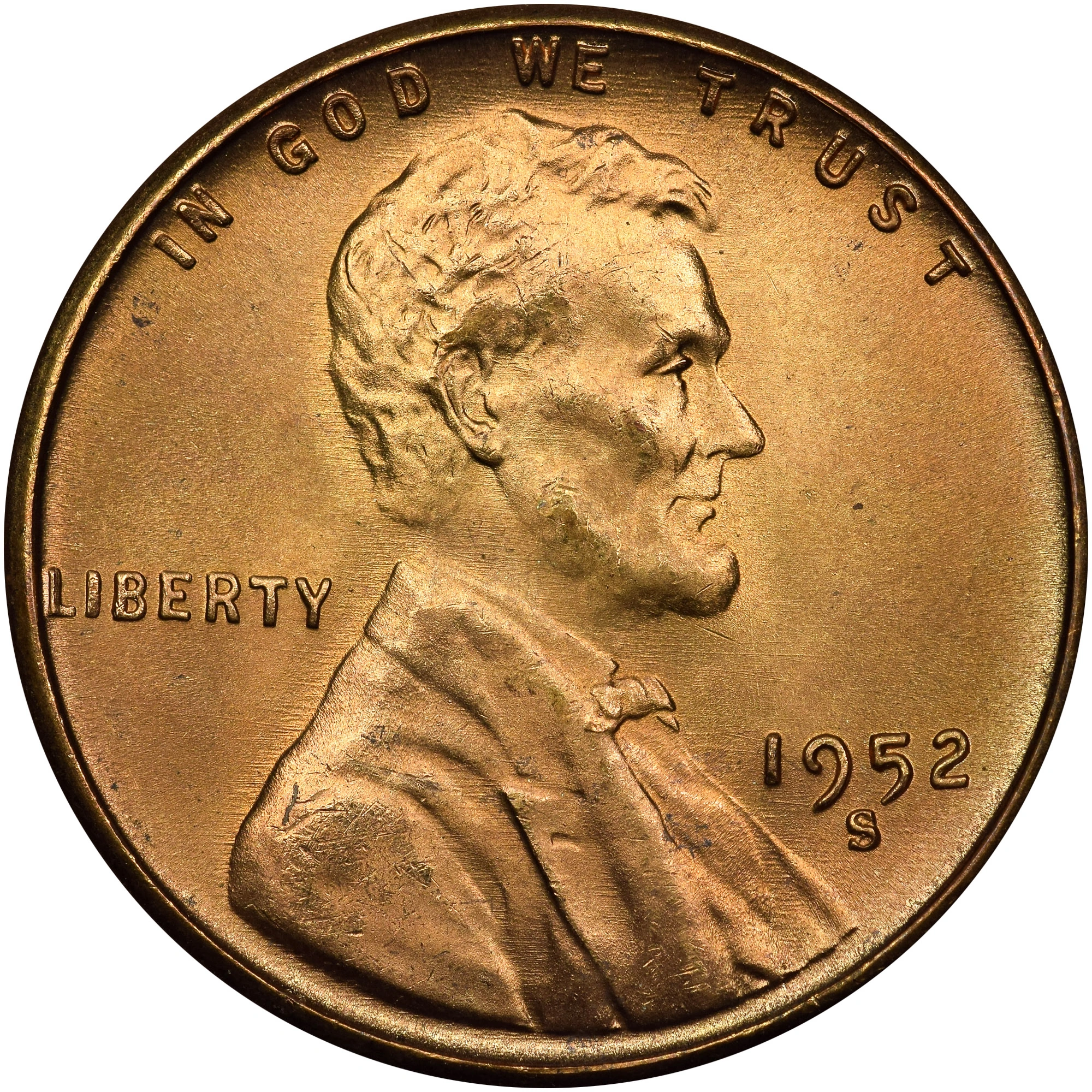
Coin photos
Basics & coin story
Denver’s recorded output of 746,130,000 cents greatly exceeded the other two mints in 1952. The large production and surviving uncirculated material help explain why an ordinary 1952-D remains accessible.
At the same time, the Philadelphia Proof program supplied collectors with a deliberately different product. That distinction is more useful than treating every wheat reverse as rare. See the Lincoln wheat cent series guide for the design’s wider context.
| Feature | What to check |
|---|---|
| Type / denomination | 1952 Lincoln wheat cent / one cent |
| Designer | Victor David Brenner |
| Standard alloy | 95% copper; 5% tin and zinc (bronze) |
| Nominal weight / diameter | 3.11 g / 19 mm |
| Edge | Plain |
| Mint-mark position | Obverse below the date |
Identification
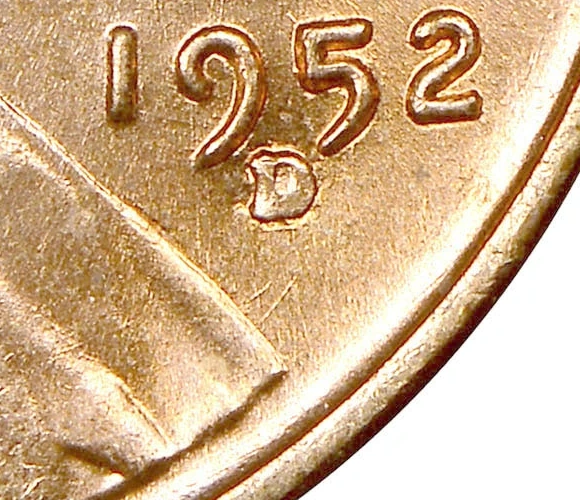
Locate D or S below the date
The small obverse letter identifies Denver or San Francisco; Philadelphia circulation cents have no letter. Check the entire 1952 date before comparing prices with neighboring years.
Recognize the short tail of the 5
NGC notes the unusually stubby tail of the 5 on 1952 cents. This normal date feature does not establish a damaged numeral, an overdate or a valuable mint error.
Separate wear, soft detail and spots
Soft detail can come from a worn die, especially on San Francisco coins, while high-point friction is wear. Spotting and staining can reduce appeal even on an unworn cent. Do not remove them with polish.
Condition & value
Amounts are in U.S. dollars. The final column gives each source row’s update date (month/day/year), separate from the access date of November 13, 2026. Published guides are reference estimates, not guaranteed buying offers or seller net proceeds. Obtain recent like-for-like completed comparisons for an actual transaction.
MS means Mint State. The ordinary table uses Brown (BN) copper entries; Red-Brown (RB), Red (RD), Proofs and attributed varieties are separate.
| Issue | Grade / condition | USD reference | Basis | Source updated |
|---|---|---|---|---|
| 1952 no mark BN | Good | $0.05 | NGC retail guide | 11/07/2022 |
| 1952 no mark BN | Fine | $0.05 | NGC retail guide | 11/07/2022 |
| 1952 no mark BN | Extremely Fine 40 | $0.10 | NGC retail guide | 11/07/2022 |
| 1952 no mark BN | MS63 | $1.50 | NGC retail guide | 11/07/2022 |
| 1952 no mark BN | MS65 | $5 | NGC retail guide | 11/07/2022 |
| 1952-D BN | Good | $0.05 | NGC retail guide | 11/07/2022 |
| 1952-D BN | Fine | $0.05 | NGC retail guide | 11/07/2022 |
| 1952-D BN | Extremely Fine 40 | $0.10 | NGC retail guide | 11/07/2022 |
| 1952-D BN | MS63 | $1.50 | NGC retail guide | 11/07/2022 |
| 1952-D BN | MS65 | $5 | NGC retail guide | 11/07/2022 |
| 1952-S BN | Good | $0.05 | NGC retail guide | 11/07/2022 |
| 1952-S BN | Fine | $0.05 | NGC retail guide | 11/07/2022 |
| 1952-S BN | Extremely Fine 40 | $0.10 | NGC retail guide | 11/07/2022 |
| 1952-S BN | MS63 | $1.50 | NGC retail guide | 11/07/2022 |
| 1952-S BN | MS65 | $5 | NGC retail guide | 11/07/2022 |
Use the correct copper-color row
The ordinary BN guide lists MS63 at $1.50 and MS65 at $5 for all three mints, updated November 7, 2022. RD and RB comparisons are separate, and a circulated brown coin should not be valued from a top-grade red sale.
Philadelphia Proofs
The separate Brown Proof guide lists PF63 at $16.50 and PF65 at $32, updated August 31, 2014. These old values need fresh like-for-like market checking. Cameo and Ultra Cameo contrast are separate attributes, not a description of every reflective cent.
Repunched mint marks and damage
Repunched mint marks are documented for D and S issues, but the letter must match a specific recognized die. A normal thick mint mark or a scratch does not establish a variety or an exceptional value.
Photograph both faces under even light and record the visible date and mint mark. HeriBase can help organize an initial photo-based identification; verify important mint, finish and variety details against the references before using a price. An app result is not a certified grade, authentication or purchase offer.
Summary
Uncirculated original-color pieces and Philadelphia Proofs form separate markets. A D below 1952 identifies Denver; it does not by itself make the coin a scarce error. This single year guide includes no-mark, D and S coins. Match the complete issue and condition to a dated reference before seeking a current offer.
FAQ
Is a 1952-D wheat penny rare?
An ordinary 1952-D is common. Its Denver mint mark alone does not establish a rare variety.
What is a 1952 penny with no mint mark?
It is normally the Philadelphia circulation issue. The blank area below the date is expected.
Is the short tail on the 1952 numeral 5 an error?
NGC describes that short tail as a normal feature of the date, not an automatic error.
Were 1952 Proof pennies made in San Francisco?
The 1952 Proof cent was a Philadelphia issue. Do not apply the S-mint convention of later Proof programs.
References
References and further reading
- NGC: 1952 1C MS specifications, issue analysis and dated guide
- NGC: 1952 D 1C MS specifications, issue analysis and dated guide
- NGC: 1952 S 1C MS specifications, issue analysis and dated guide
- NGC: separate collector Proof issue and dated guide
References accessed November 13, 2026. Guide update dates, source publication dates and sale dates are distinct. No independent examination or current buying offer for a reader’s coin is implied.