

 App Store

COIN VALUE GUIDES · NICKELS
1948 Nickel Value:No Mint Mark, D, S and Strike Quality
Identify the three ordinary 1948 Jefferson nickel issues, compare dated values by grade, and separate weak strikes and die erosion from Full Steps and errors.
 HeriBase TeamPublished
In this article
Quick answer
A normal 1948 nickel is a copper-nickel Jefferson five-cent coin with no silver content. No mark, D and S identify Philadelphia, Denver and San Francisco. NGC’s ordinary guide lists Fine examples at 10 cents and Extremely Fine 40 examples at 25 cents for all three mints. Those modest retail references are not current dealer buying offers.
For uncirculated coins, NGC lists MS65 at $25 for Philadelphia, $25 for Denver and $20 for San Francisco. The quoted rows were updated July 12, 2023 and accessed November 13, 2026. Numerical grade, strike quality and Full Steps are different observations; a blurred center does not by itself prove wear or a valuable error.
Coin photos
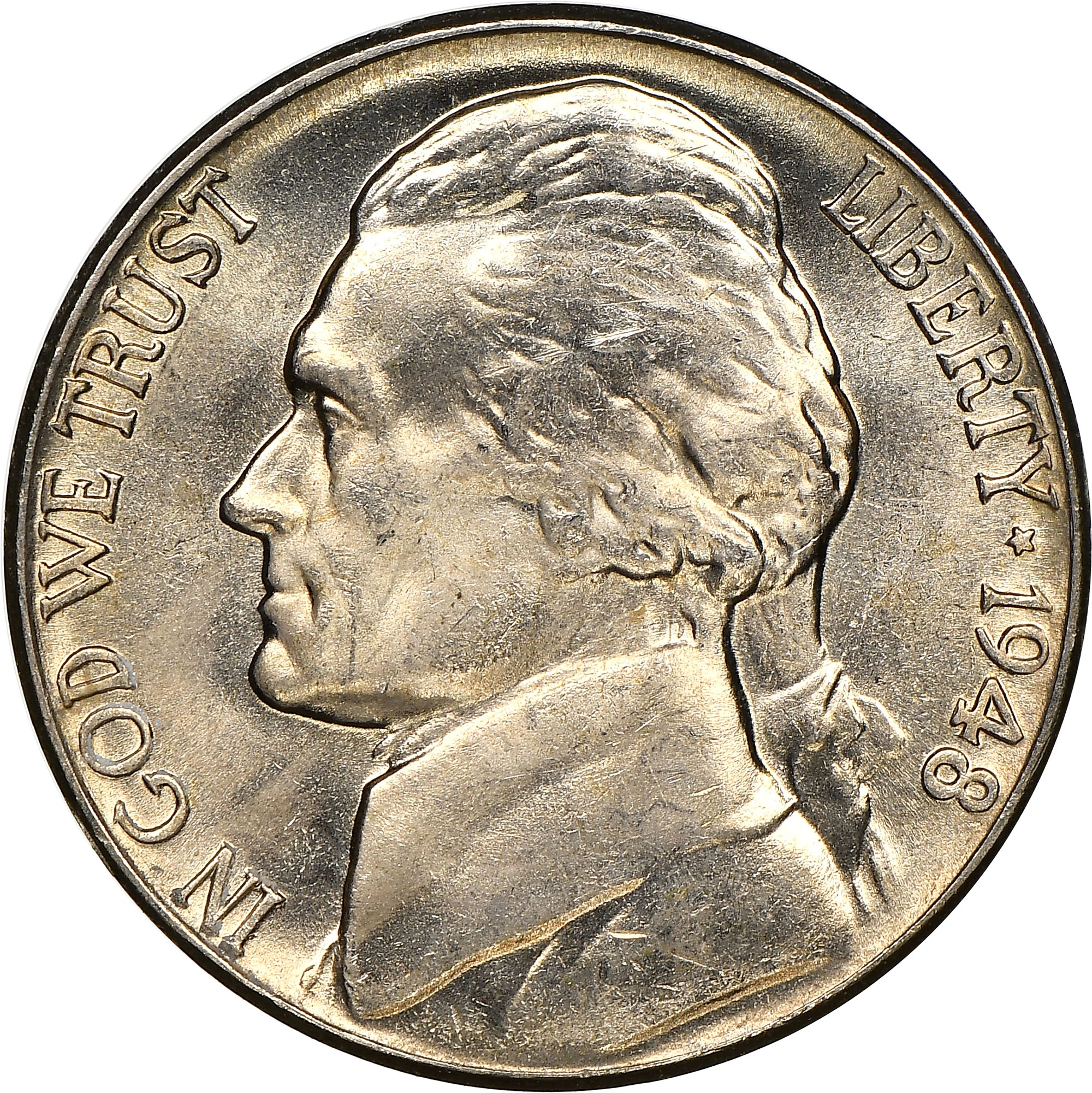
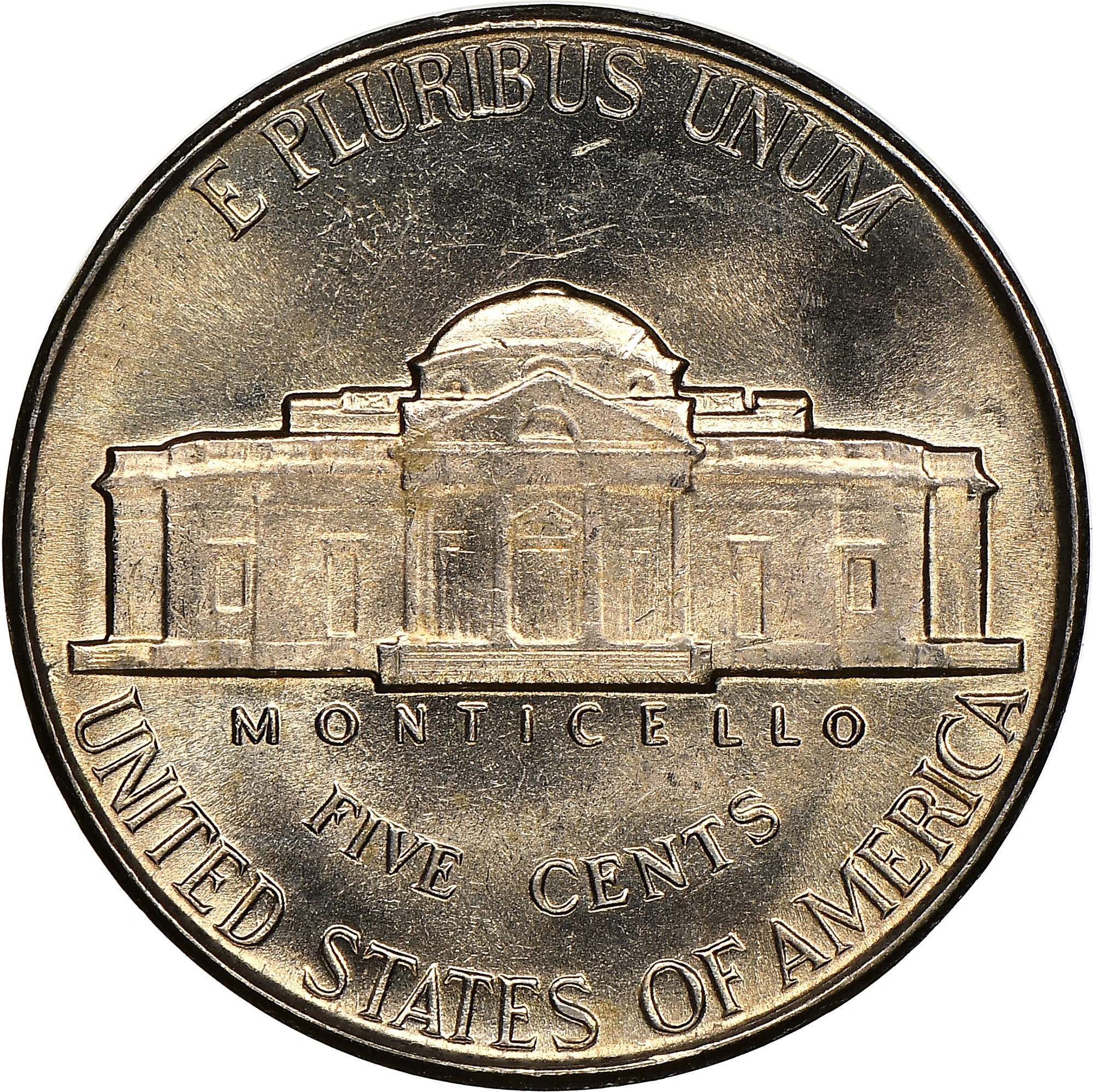
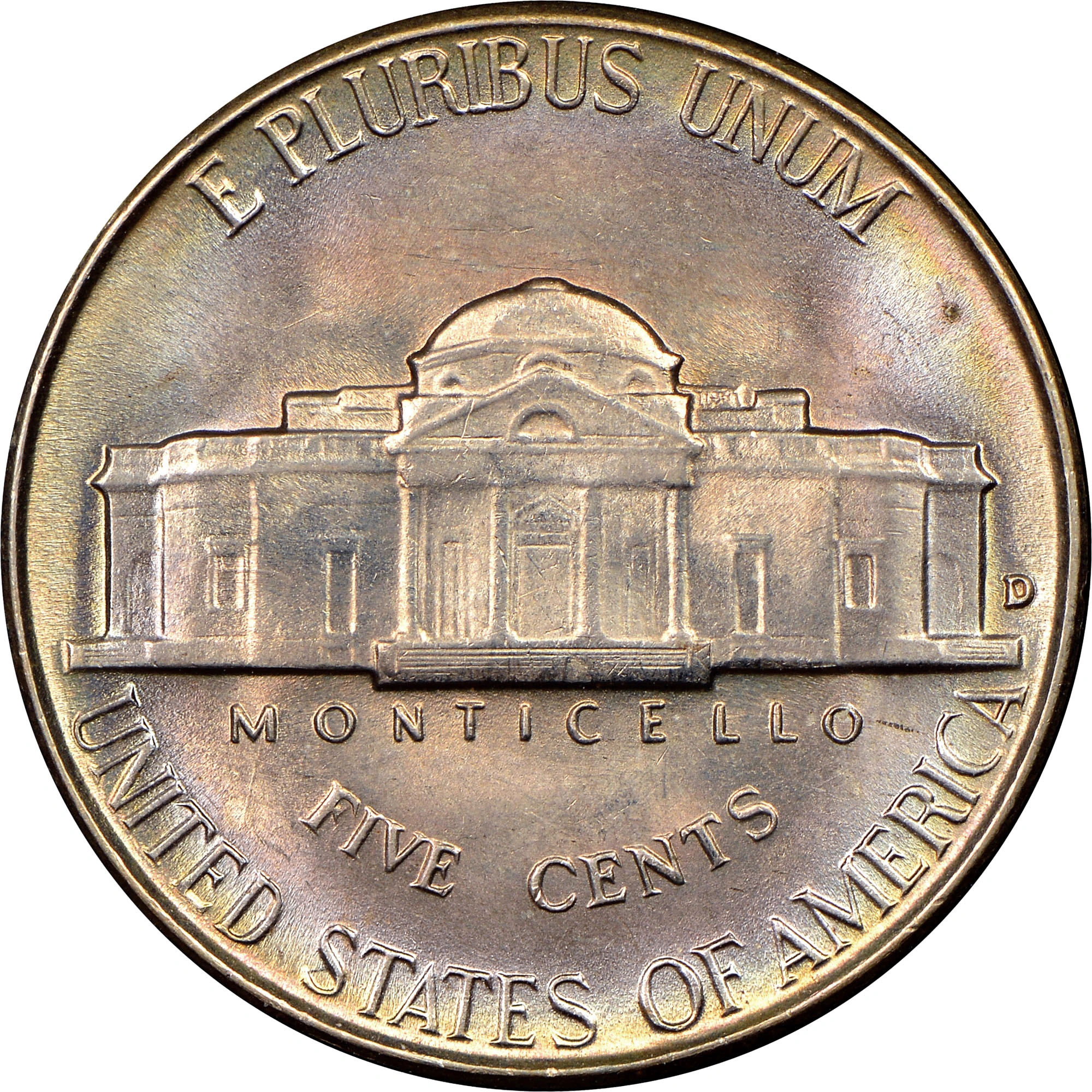
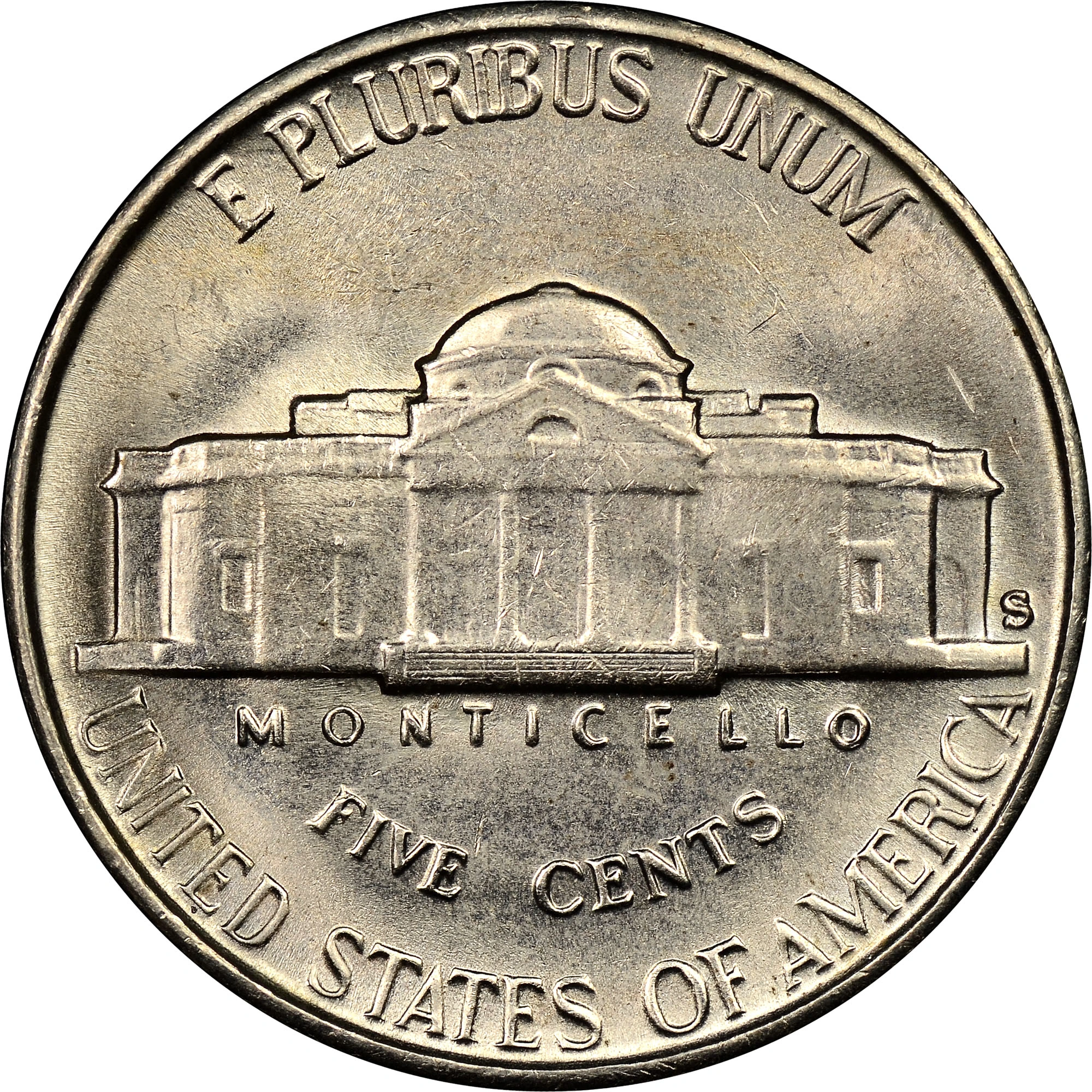
Basics & coin story
The postwar Jefferson nickel kept Schlag’s portrait and Monticello, but the quality of an individual strike could vary. NGC’s issue analyses describe overused dies on Philadelphia coins, varying strike quality in Denver, and die repolishing at San Francisco. Such production characteristics help explain why old coins with the same design can show very different architectural definition.
San Francisco’s mintage was 11,300,000, compared with 44,734,000 for Denver and 89,348,000 for Philadelphia. The smaller S output does not automatically produce the highest price in every grade. Preserved rolls, condition and collector demand also matter. Compare the early Jefferson layout before applying a different year’s mint-mark rules.
| Feature | What to check |
|---|---|
| Type / denomination | 1948 Jefferson nickel / five cents |
| Designer | Felix Schlag |
| Standard alloy | 75% copper; 25% nickel |
| Nominal weight / diameter | 5.00 g / 21.2 mm |
| Edge | Plain |
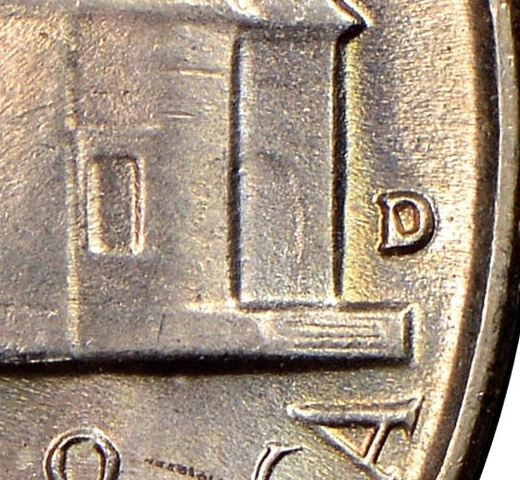
| Mint-mark position | Small D or S to the right of Monticello; Philadelphia blank |
Identification
The mint letter is beside Monticello
Read 1948 beside Jefferson, then inspect the reverse to the right of the building. No letter is expected for Philadelphia. A small D or S is a different mint issue. There is no normal large wartime mark above the dome on a standard 1948 nickel.
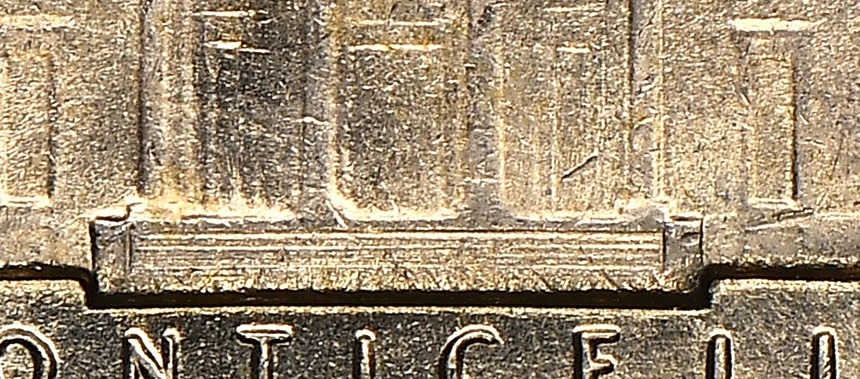
Soft centers can be original
Incomplete striking can leave rough planchet texture or weak building detail even without circulation. Wear adds rubbing and disrupts luster. Examine the portrait high points, fields and reverse together rather than deciding a grade solely from the steps or hair.
Thin lettering does not automatically mean a missing-design error
Repolished dies can weaken shallow features, while worn dies can produce erosion lines. These are not interchangeable with a scarce doubled die or missing-metal error. Compare the actual feature with the correct year and mint before attaching a variety name.
Condition & value
Amounts are in U.S. dollars. The final column gives each source row’s update date (month/day/year), separate from the access date of November 13, 2026. Published guides are reference estimates, not guaranteed buying offers or seller net proceeds. Obtain recent like-for-like completed comparisons for an actual transaction.
MS means Mint State. Full Steps, Proofs and attributed varieties are excluded from the ordinary entries.
| Issue | Grade / condition | USD reference | Basis | Source updated |
|---|---|---|---|---|
| 1948 no mark | Good | $0.10 | NGC retail guide | 07/12/2023 |
| 1948 no mark | Fine | $0.10 | NGC retail guide | 07/12/2023 |
| 1948 no mark | Extremely Fine 40 | $0.25 | NGC retail guide | 07/12/2023 |
| 1948 no mark | MS63 | $5 | NGC retail guide | 07/12/2023 |
| 1948 no mark | MS65 | $25 | NGC retail guide | 07/12/2023 |
| 1948-D | Good | $0.10 | NGC retail guide | 07/12/2023 |
| 1948-D | Fine | $0.10 | NGC retail guide | 07/12/2023 |
| 1948-D | Extremely Fine 40 | $0.25 | NGC retail guide | 07/12/2023 |
| 1948-D | MS63 | $5 | NGC retail guide | 07/12/2023 |
| 1948-D | MS65 | $25 | NGC retail guide | 07/12/2023 |
| 1948-S | Good | $0.10 | NGC retail guide | 07/12/2023 |
| 1948-S | Fine | $0.10 | NGC retail guide | 07/12/2023 |
| 1948-S | Extremely Fine 40 | $0.25 | NGC retail guide | 07/12/2023 |
| 1948-S | MS63 | $5 | NGC retail guide | 07/12/2023 |
| 1948-S | MS65 | $20 | NGC retail guide | 07/12/2023 |
A lower mintage is not a universal price multiplier
The ordinary guide’s MS63 reference is $5 for each mint. At MS66 the references separate to $75 for Philadelphia and $35 for either D or S. These are the stated dated NGC entries, not cash offers or evidence that an ungraded coin meets that grade.
Full Steps requires its own comparison
NGC separates Five Full Steps and Six Full Steps. A high numerical grade can coexist with incomplete steps, and a sharply struck coin can still have marks that affect its grade. Match designation and service before transferring a Full Steps sale to an ordinary coin.
No regular 1948 Proof issue
A shiny 1948 nickel should not be called a regular Proof; no such annual Proof nickel issue was made. Brightness can reflect lighting, a reflective regular surface or polishing. Preserve the surface and consult grade terminology before paying for certification of an otherwise ordinary worn coin.
Photograph both faces under even light and record the visible date and mint mark. HeriBase can help organize an initial photo-based identification; verify important mint, finish and variety details against the references before using a price. An app result is not a certified grade, authentication or purchase offer.
Summary
Identify the date and small reverse mint mark, then distinguish weak striking from circulation wear. Most ordinary 1948 nickels have small circulated premiums. Compare the correct numerical grade and retain Full Steps or an error attribution only when the actual coin supports it.
FAQ
Does a 1948 nickel contain silver?
The standard alloy is 75% copper and 25% nickel, with no silver.
Is a 1948-S always more valuable because fewer were made?
No. Grade, strike, surviving supply and demand matter; the smaller original mintage does not dictate every grade’s price.
Are weak steps a mint error?
Not automatically. Incomplete striking, worn dies, wear and contact marks can all affect the steps and need different explanations.
Is a shiny 1948 nickel a Proof?
No regular 1948 U.S. Proof nickel issue was made. Shine alone cannot establish that manufacture.
References
References and further reading
- NGC: 1948 5C MS specifications, issue analysis and dated guide
- NGC: 1948 D 5C MS specifications, issue analysis and dated guide
- NGC: 1948 S 5C MS specifications, issue analysis and dated guide
- NGC: Five Full Steps and Six Full Steps criteria
References accessed November 13, 2026. Guide update dates, source publication dates and sale dates are distinct. No independent examination or current buying offer for a reader’s coin is implied.