

 App Store

COIN VALUE GUIDES · PENNIES
1946 Wheat Penny Value:No Mint Mark, D, S and S/D Checks
Identify a 1946 Lincoln wheat cent, compare Brown and Red guide values by mint, and distinguish the S/D overmintmark from ordinary letters, plating and damage.
 HeriBase TeamPublished
In this article
Quick answer
A normal 1946 wheat penny is a common brass Lincoln cent: 95% copper and 5% zinc, not a steel cent. NGC’s published Brown guide lists ordinary Good and Fine examples at 5 cents and Extremely Fine 40 examples at 10 cents for each of the three mints. Those rows were last updated November 7, 2022 and accessed November 13, 2026; they are dated retail references rather than current purchase offers.
Uncirculated coins need both grade and copper-color category. NGC’s ordinary MS65 Brown references are $5 for each mint, while its MS65 Red references are $20, with the Red rows last updated November 13, 2023. A confirmed 1946-S/D overmintmark, an off-metal claim or exceptional preservation requires separate evidence and pricing.
Coin photos
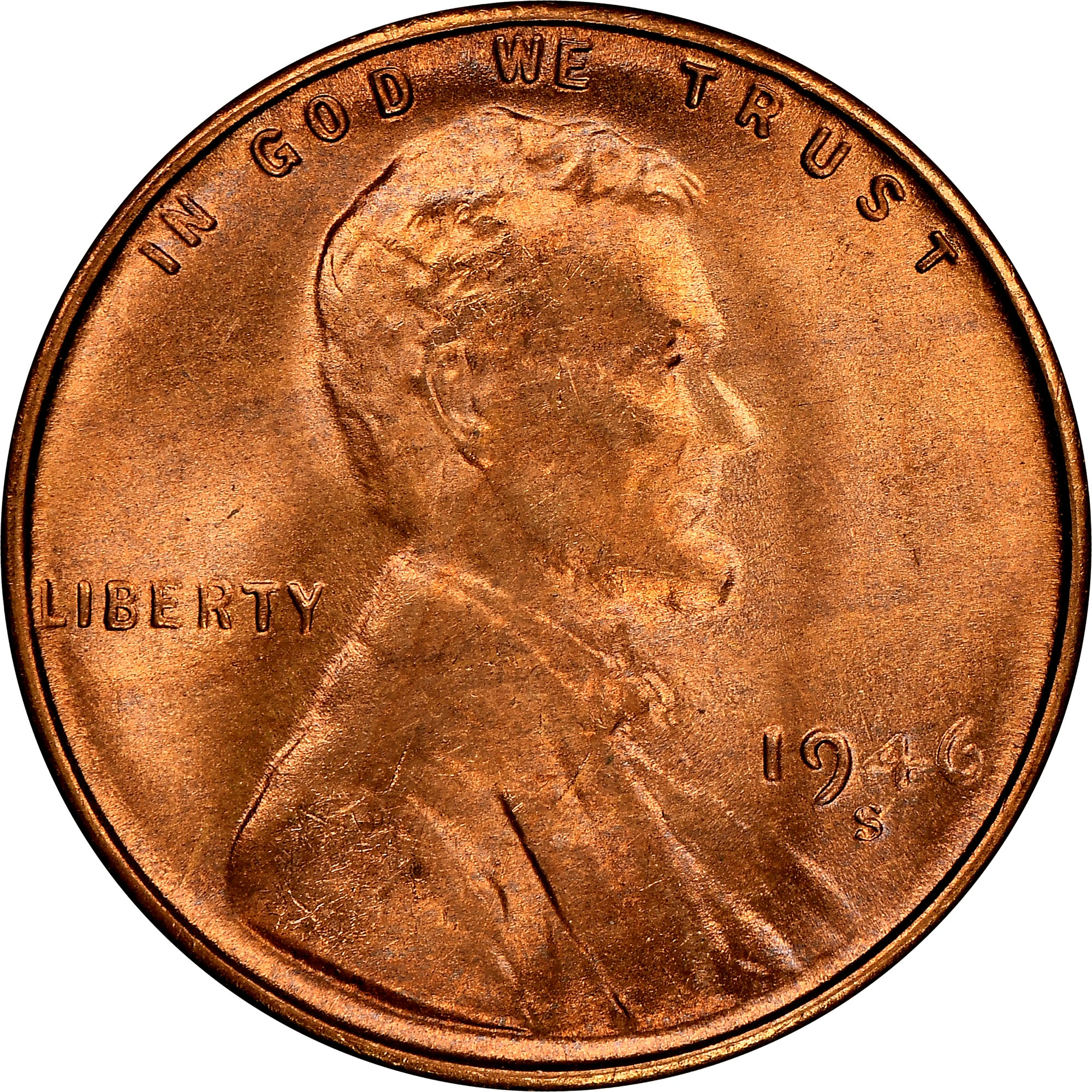
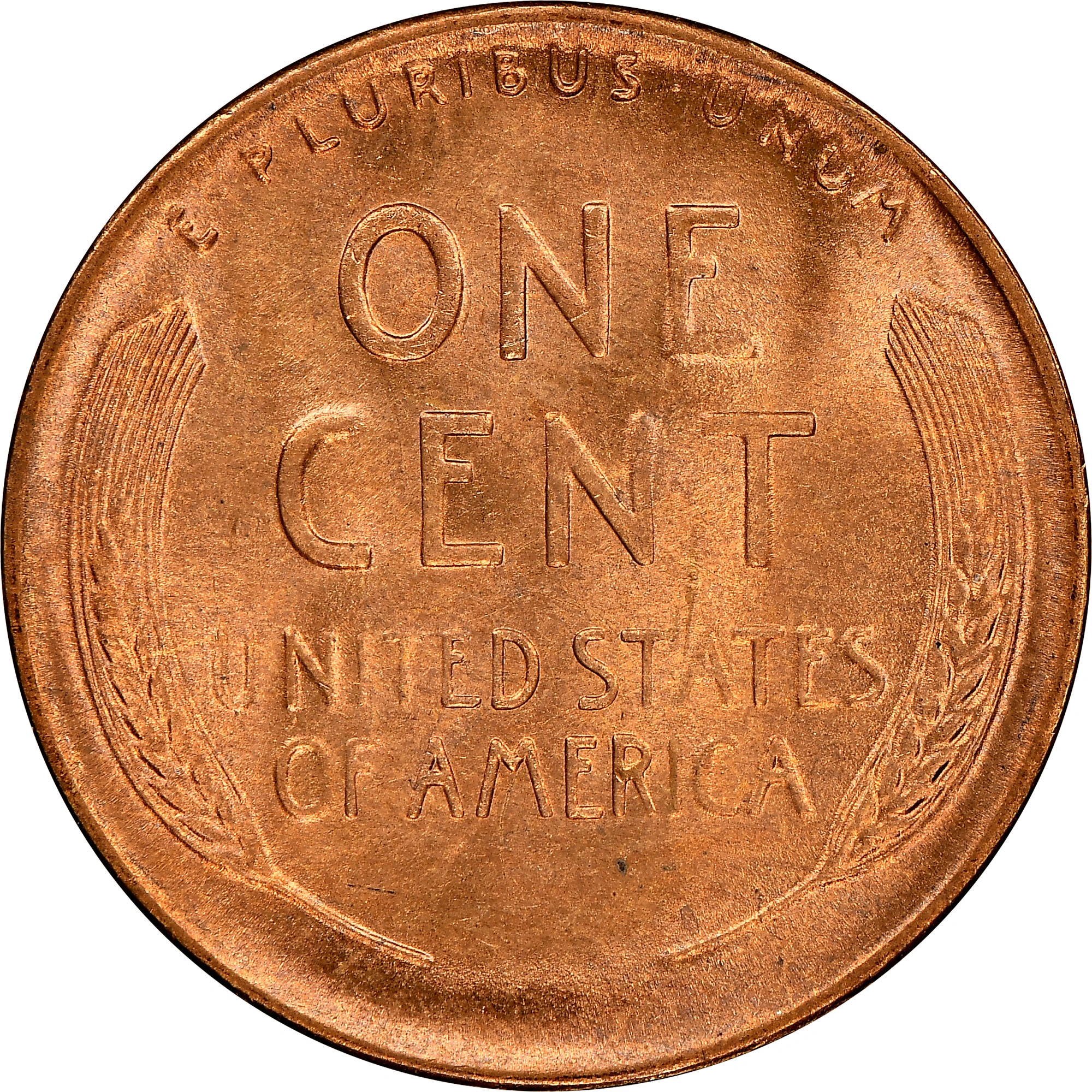
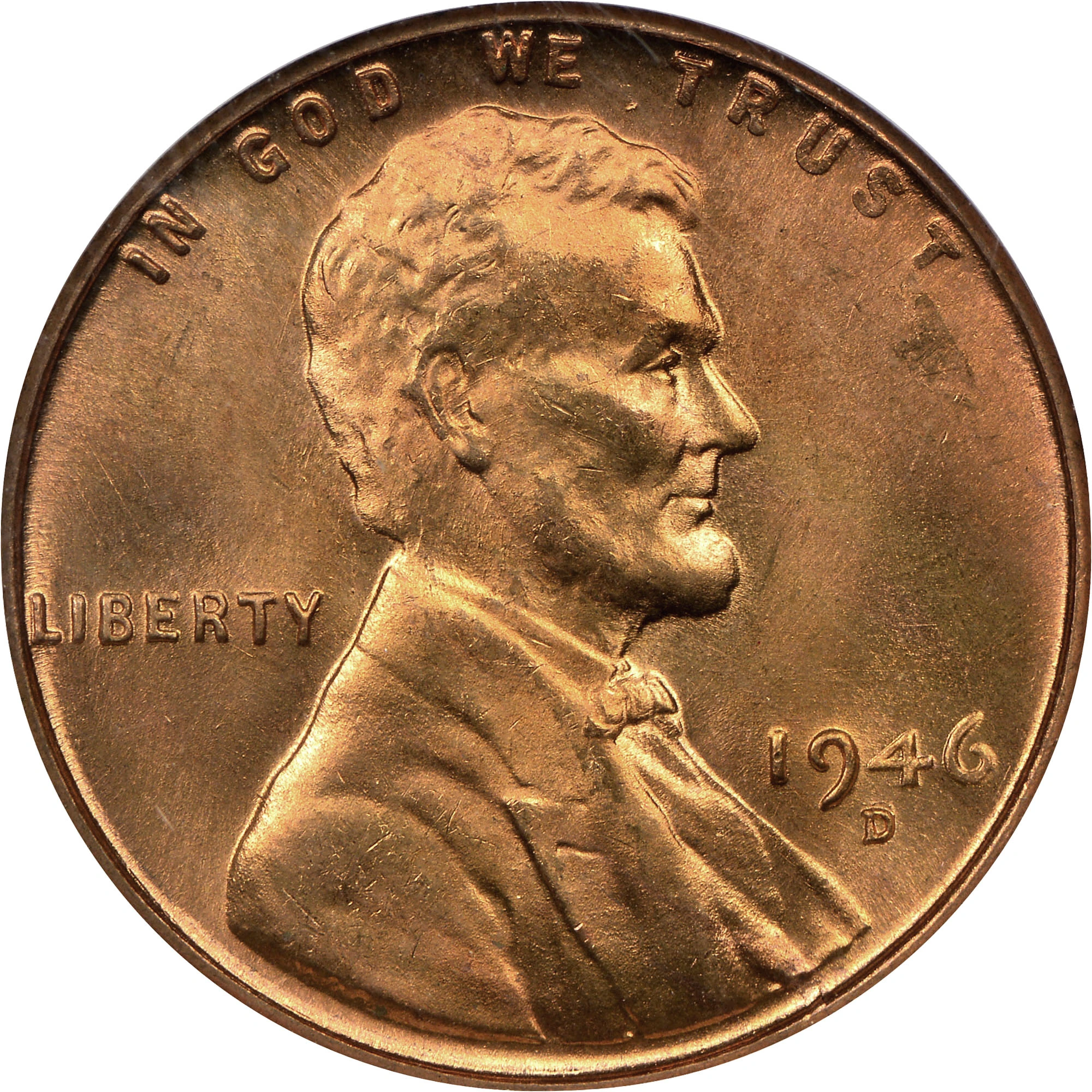
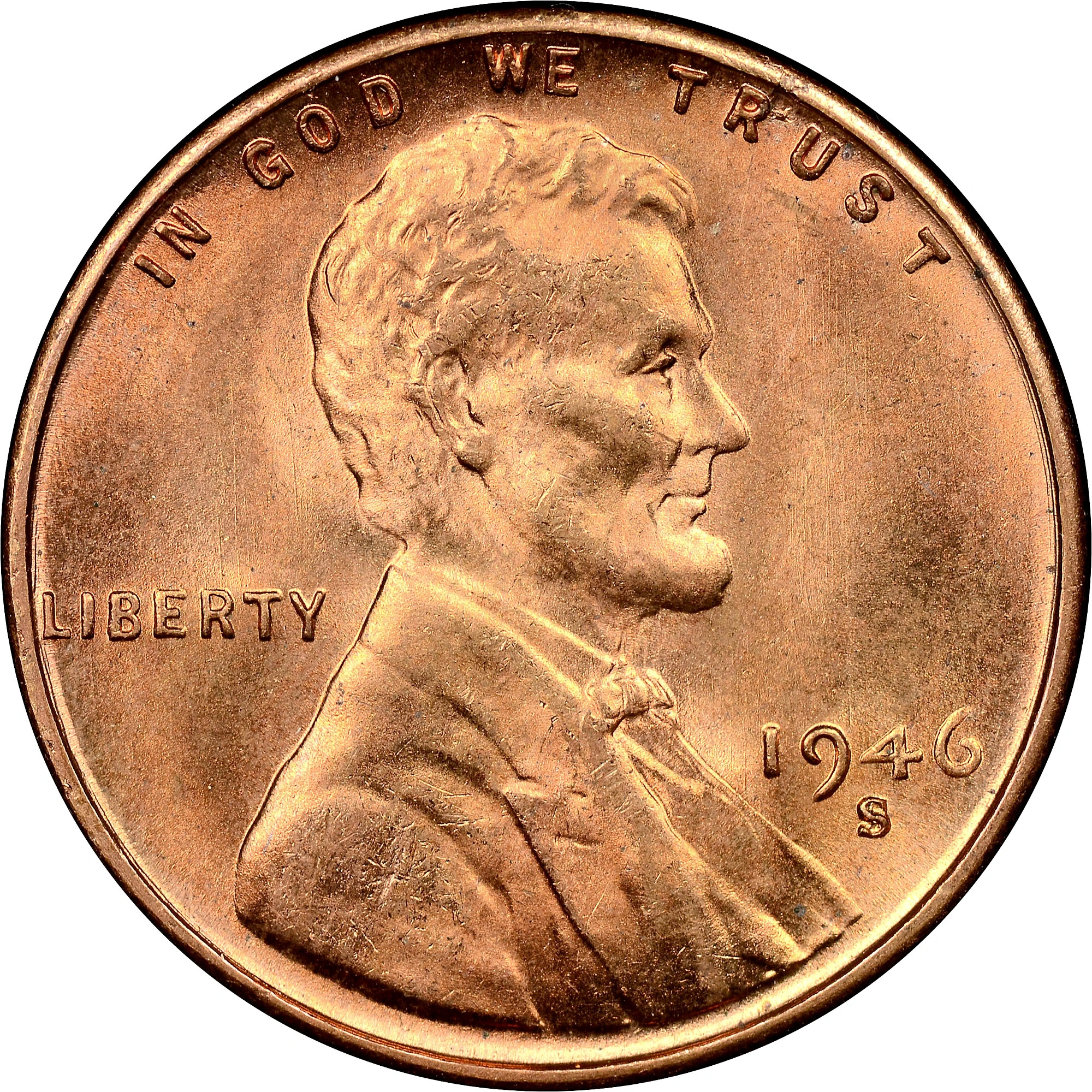
Basics & coin story
The 1946 cent belongs to the immediate postwar continuation of the copper-and-zinc alloy used after the steel-cent year of 1943. NGC explains that tin deliveries had not yet returned to normal, so the Mint continued to omit tin. That is why brass is a more specific description of this issue than simply assuming the usual copper, tin and zinc formulation for every wheat penny.
Victor David Brenner’s Lincoln portrait and wheat reverse remained in place. Philadelphia struck 991,655,000 regular cents, Denver 315,690,000 and San Francisco 198,100,000. Those production totals help put the ordinary year in perspective, but do not count modern survivors in a particular grade. The wheat penny series guide supplies the longer design timeline.
| Feature | What to check |
|---|---|
| Issue | 1946 Lincoln wheat cent / one cent |
| Designer | Victor David Brenner |
| Standard alloy | 95% copper; 5% zinc (brass) |
| Nominal weight / diameter | 3.11 g / 19 mm |
| Edge | Plain |
| Regular mints | No mark = Philadelphia; D = Denver; S = San Francisco |
| Mint-mark location | Obverse below the date |
Identification
Find the letter beneath the date
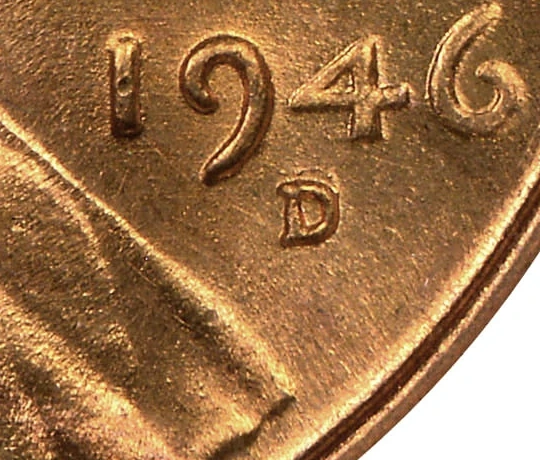
A D below 1946 identifies Denver, an S identifies San Francisco and no letter identifies Philadelphia. Confirm the two wheat ears and ONE CENT on the reverse. The large, slanting 4 on this date is a normal date-style feature noted by NGC, not by itself an altered digit or a mint error.
Inspect the small letter under diffuse light. A scratch, a dark spot or displaced surface metal near an S does not establish a second mint mark. Preserve the area rather than attempting to clean it into clarity.
The S/D overmintmark needs a complete diagnostic match
The recognized 1946-S/D FS-511 has an S punched over a prior D impression on the working die. That is an overmintmark: two different mint letters. It differs from an S repunched over another S, and from damage on a finished coin. PCGS and NGC recognize the S/D attribution separately from an ordinary 1946-S.
Look for the documented remnants in their correct relationship to the S, along with supporting die markers. The normal D detail shown here is for identifying the ordinary mint-mark location, not an illustration or certification of FS-511.
Do not classify silver color as a steel error
A standard 1946 cent has a nominal weight of 3.11 grams. Plating, cleaning and environmental exposure can change its appearance. A magnet and a calibrated scale can help screen an unusual coin, but neither observation alone authenticates a transitional composition or establishes a premium.
Never file or scratch a coin to reveal its metal. A convincing off-metal claim needs a physical examination, appropriate composition testing and authentication. Ordinary discolored coins should not be offered at prices borrowed from genuine 1943 or 1944 composition errors.
Condition & value
Amounts are in U.S. dollars. The table reports published ordinary-strike guide references, not completed sales or guaranteed offers. The final column is the source row’s own update date (month/day/year); all rows were accessed November 13, 2026. Older guide dates are a limitation, so obtain recent matching sales or offers before a transaction.
MS means Mint State. The table uses Brown (BN) copper entries; it excludes RB, RD, Proofs and attributed doubled dies.
| Issue | Grade / condition | USD reference | Basis | Guide updated |
|---|---|---|---|---|
| 1946 1C BN | Good | $0.05 | NGC retail guide | 11/07/2022 |
| 1946 1C BN | Fine | $0.05 | NGC retail guide | 11/07/2022 |
| 1946 1C BN | Extremely Fine 40 | $0.10 | NGC retail guide | 11/07/2022 |
| 1946 1C BN | MS63 | $1.50 | NGC retail guide | 11/07/2022 |
| 1946 1C BN | MS65 | $5 | NGC retail guide | 11/07/2022 |
| 1946 D 1C BN | Good | $0.05 | NGC retail guide | 11/07/2022 |
| 1946 D 1C BN | Fine | $0.05 | NGC retail guide | 11/07/2022 |
| 1946 D 1C BN | Extremely Fine 40 | $0.10 | NGC retail guide | 11/07/2022 |
| 1946 D 1C BN | MS63 | $1.50 | NGC retail guide | 11/07/2022 |
| 1946 D 1C BN | MS65 | $5 | NGC retail guide | 11/07/2022 |
| 1946 S 1C BN | Good | $0.05 | NGC retail guide | 11/07/2022 |
| 1946 S 1C BN | Fine | $0.05 | NGC retail guide | 11/07/2022 |
| 1946 S 1C BN | Extremely Fine 40 | $0.10 | NGC retail guide | 11/07/2022 |
| 1946 S 1C BN | MS63 | $1.50 | NGC retail guide | 11/07/2022 |
| 1946 S 1C BN | MS65 | $5 | NGC retail guide | 11/07/2022 |
Brown, Red-Brown and Red are separate comparisons
The ordinary table uses Brown (BN) entries throughout. Red-Brown (RB) and Red (RD) describe retained copper color, not a higher numerical grade by definition. NGC’s Red rows show MS66 references of $80 for Philadelphia, $30 for Denver and $32.50 for San Francisco, updated November 13, 2023. Those figures must not be assigned to a brown, worn cent.
Artificial brightening can damage an otherwise collectible surface. Original luster, spots, marks and high-point rubbing matter as well as color. Read the guide to altered and cleaned surfaces before treating shine as evidence of preservation.
Ordinary coins, varieties and Proof claims
The standard 1946 issue is widely available, including many uncirculated survivors. NGC notes that worn dies and incomplete striking can affect D and S coins even when there is no circulation wear. Compare the whole coin rather than grading only the wheat stalk tips or Lincoln’s hair.
There was no regular U.S. Proof cent issue dated 1946. A reflective surface can belong to a regular strike or an altered coin. An S/D variety is also a regular-strike die attribution, not a Proof finish. Match the appropriate market before paying for attribution or certification; most worn ordinary pieces will not justify those costs.
For an initial identification, photograph both faces in even light and record the visible date and mint mark. HeriBase can help organize a photo-based identification; verify important mint, finish and variety details against the references before using a price. An app result is a starting point, not a certified grade, authentication or purchase offer.
Summary
Identify the normal 1946 brass cent, then sort no mark, D and S. Ordinary circulated examples have small premiums, while original color and condition matter to uncirculated coins. Reserve S/D and off-metal comparisons for properly examined examples, and keep the surface unchanged while documenting the evidence.
FAQ
Is a normal 1946 wheat penny steel?
No. The standard issue is brass, 95% copper and 5% zinc, with a nominal 3.11-gram weight. Unusual color does not prove a steel error.
Is a 1946 penny with no mint mark rare?
No mint mark is the normal Philadelphia arrangement. The date and blank mint-mark position do not alone make it rare.
What is the 1946-S/D penny?
It is a recognized overmintmark with an S punched over an earlier D on the die. Correct letter remnants and die diagnostics are needed; any irregular S is not sufficient.
Are shiny 1946 pennies Proofs?
No regular U.S. Proof cent issue was made for 1946. Shine can come from a reflective regular strike, lighting or altered surfaces and does not establish manufacture.
References
References and further reading
- NGC: 1946 1C MS specifications, analysis and dated guide
- NGC: 1946 D 1C MS specifications, analysis and dated guide
- NGC: 1946 S 1C MS specifications, analysis and dated guide
- PCGS: 1946-S/D FS-511 attribution
- U.S. Mint: Lincoln cent and wartime steel context
References accessed November 13, 2026. Guide update dates, access dates and historical sale dates are separate. No current dealer offer or independent examination of a reader’s coin is implied.