

 App Store

COIN VALUE GUIDES · PENNIES
1941 Wheat Penny Value:No Mint Mark, D, S and Copper Color
Check a 1941 wheat penny by mint mark, condition and original copper color. Compare dated guide values and distinguish Proofs, doubled dies and altered surfaces.
 HeriBase TeamPublished
In this article
Quick answer
A normal 1941 wheat penny is a bronze Lincoln cent, and most worn examples have a small collector premium rather than a rare-date value. NGC’s published Brown guide lists Good examples at 5 cents across Philadelphia, Denver and San Francisco; Fine references are 15 cents, 30 cents and 40 cents respectively. The rows were last updated July 12, 2020 and accessed November 13, 2026. These dated guide figures are not current cash offers.
Uncirculated copper needs both a numerical grade and a color category: Brown (BN), Red-Brown (RB) or Red (RD). A PCGS certificate example in MS67+RD has a $475 guide entry, but that exceptional certified grade is not a benchmark for a worn brown penny. Proofs and recognized doubled-die varieties also require separate comparisons.
Coin photos
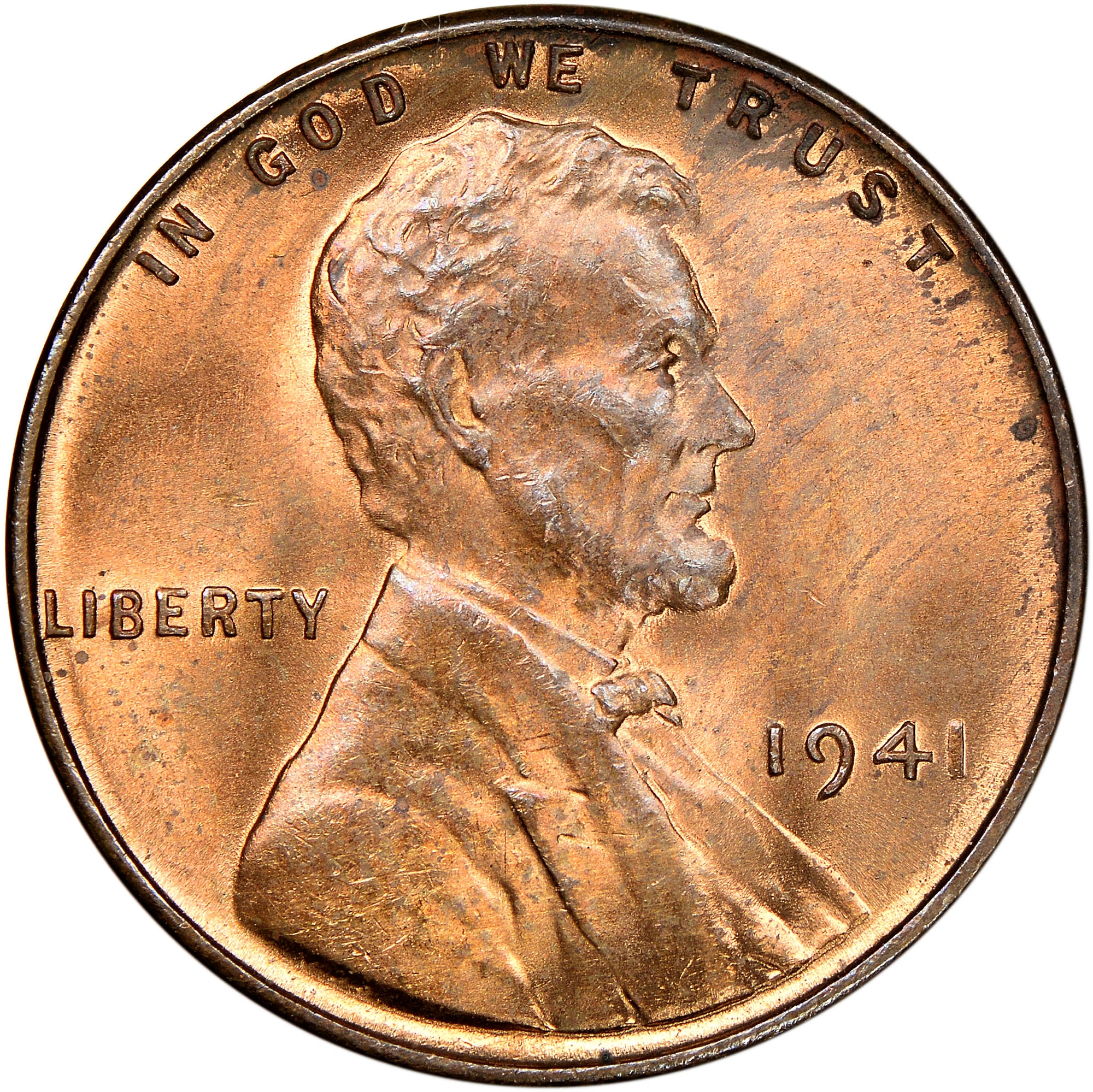
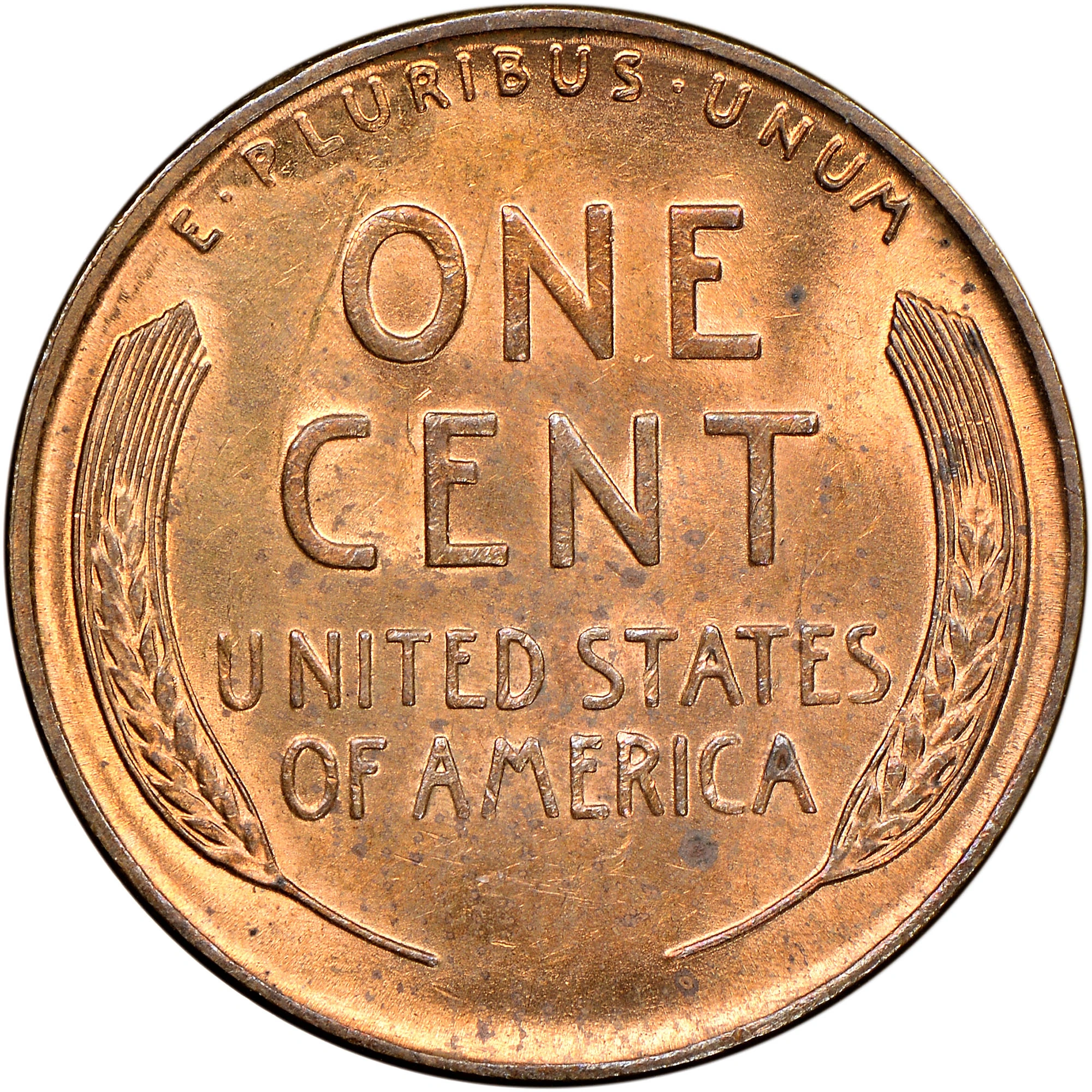
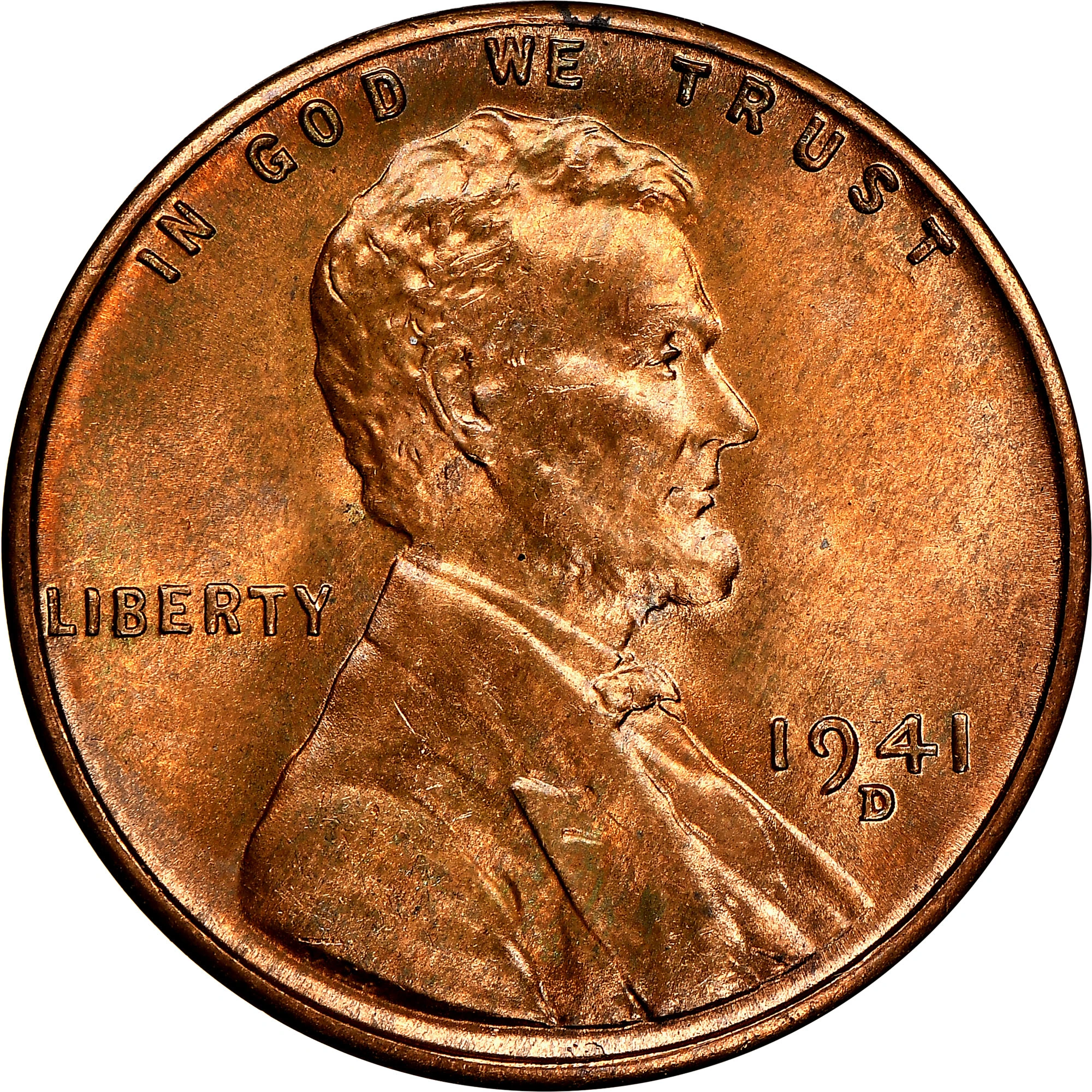
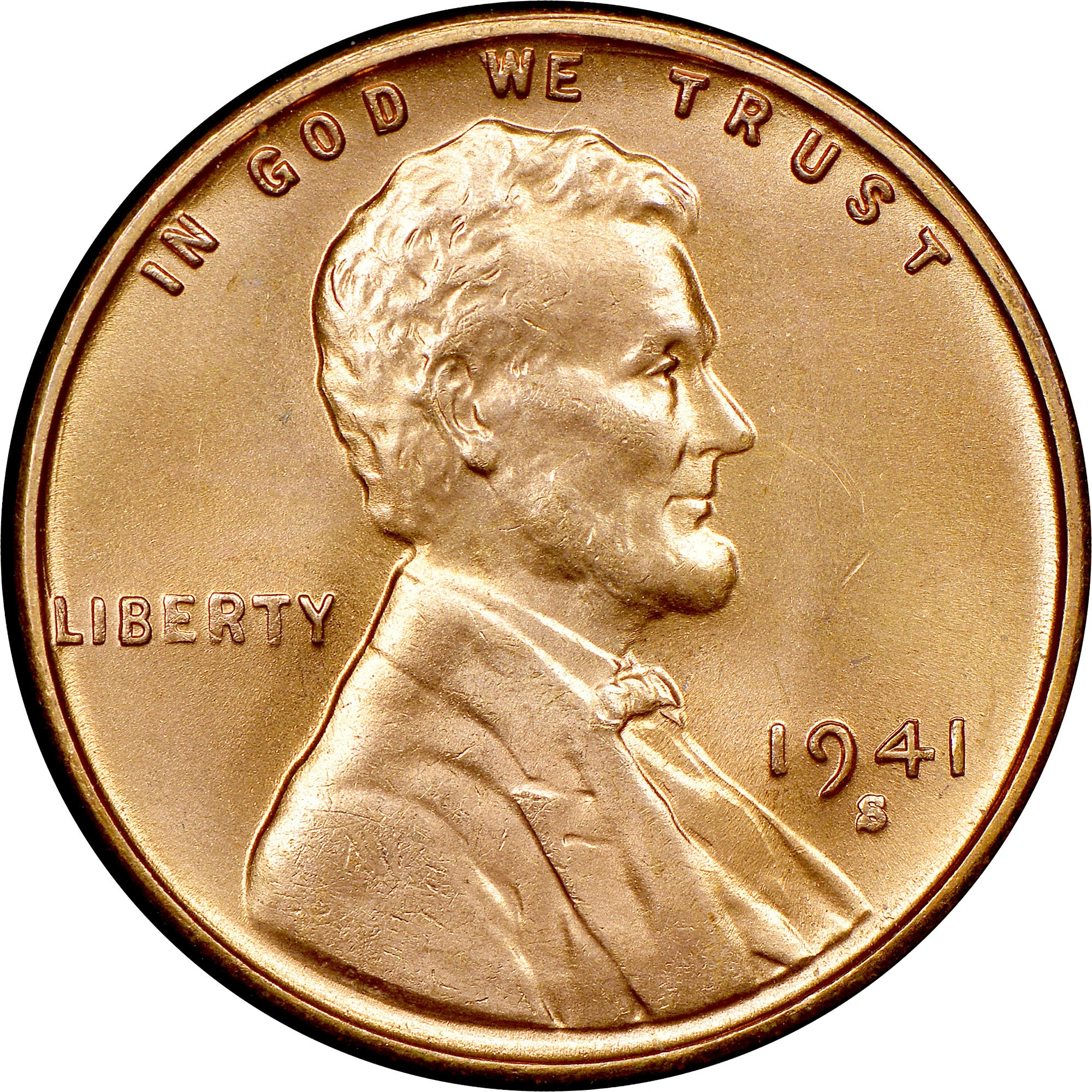
Basics & coin story
The Lincoln cent began in 1909 to mark the centennial of Abraham Lincoln’s birth. Victor David Brenner’s portrait and the two wheat ears remained the familiar combination in 1941, before the wartime steel-cent change of 1943. A 1941 coin is therefore normally bronze, not a steel cent simply because it was made near World War II.
The date belongs to a high-output part of the series. PCGS gives Philadelphia regular-strike production as 887,018,000; Denver and San Francisco also struck ordinary cents. Large original output does not determine every grade’s scarcity, but it makes the year alone a weak argument for a large premium. Use the Lincoln wheat penny series guide for the full design timeline.
| Feature | What to check |
|---|---|
| Issue | 1941 Lincoln wheat cent / one cent |
| Designer | Victor David Brenner |
| Standard alloy | 95% copper; 5% tin and zinc |
| Nominal weight / diameter | 3.11 g / 19 mm |
| Edge | Plain |
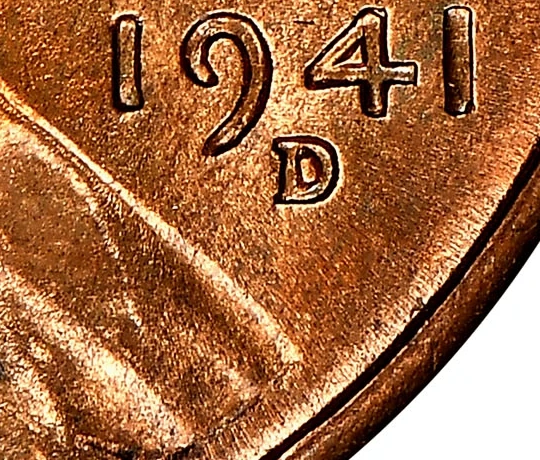
| Regular mints | No mark = Philadelphia; D = Denver; S = San Francisco |
| Mint-mark location | Obverse below the date |
Identification
Check the tiny letter below 1941
Look on the obverse immediately below the date. D identifies Denver, S San Francisco and no mark Philadelphia. The reverse should have two wheat ears around ONE CENT and UNITED STATES OF AMERICA. A later Memorial reverse is not the normal matching reverse for this date.
Observe the actual coin under changing light. A dirty mint-mark area should be photographed, not scraped. An indistinct letter cannot justify pricing the coin as a scarcer issue.
Separate color from grade
Brown, Red-Brown and Red describe retained copper color; Mint State describes preservation without circulation wear. An attractive brown coin can be uncirculated, and a bright coin can be cleaned. Artificially brightening copper cannot restore its original color designation.
Compare Lincoln’s cheek, jaw and hair for rubbing, then inspect the wheat stalks and open fields. Spots, scratches and corrosion affect desirability even when the central portrait looks detailed. Avoid making a numerical grade from a single lit photograph.
Doubled die, machine doubling and plating are different
PCGS catalogs 1941 Philadelphia doubled-die obverse cents, including specific FS attributions. A convincing identification requires matching the correct lettering and die markers. Flat shelf-like displacement or a blurred duplicate caused by lighting is not sufficient.
A silver-colored 1941 cent is not a normal steel issue. Plating, cleaning and chemical exposure are possible explanations; a magnet and a scale are screening tools, not full authentication. Do not scrape a surface to discover the underlying metal. See the cleaning and alteration guide before treating unusual color as an error.
Condition & value
Amounts are in U.S. dollars. The table reports published ordinary-strike guide references, not completed sales or guaranteed offers. The final column is the source row’s own update date (month/day/year); all rows were accessed November 13, 2026. Older guide dates are a limitation, so obtain recent matching sales or offers before a transaction.
MS means Mint State. The table uses Brown (BN) copper entries; it excludes RB, RD, Proofs and attributed doubled dies.
| Issue | Grade / condition | USD reference | Basis | Guide updated |
|---|---|---|---|---|
| 1941 1C BN | Good | $0.05 | NGC retail guide | 07/12/2020 |
| 1941 1C BN | Fine | $0.15 | NGC retail guide | 07/12/2020 |
| 1941 1C BN | Extremely Fine 40 | $0.40 | NGC retail guide | 07/12/2020 |
| 1941 1C BN | MS63 | $2.50 | NGC retail guide | 07/12/2020 |
| 1941 1C BN | MS65 | $8.75 | NGC retail guide | 07/12/2020 |
| 1941 D 1C BN | Good | $0.05 | NGC retail guide | 07/12/2020 |
| 1941 D 1C BN | Fine | $0.30 | NGC retail guide | 07/12/2020 |
| 1941 D 1C BN | Extremely Fine 40 | $1 | NGC retail guide | 07/12/2020 |
| 1941 D 1C BN | MS63 | $3.50 | NGC retail guide | 07/12/2020 |
| 1941 D 1C BN | MS65 | $6.25 | NGC retail guide | 07/12/2020 |
| 1941 S 1C BN | Good | $0.05 | NGC retail guide | 07/12/2020 |
| 1941 S 1C BN | Fine | $0.40 | NGC retail guide | 07/12/2020 |
| 1941 S 1C BN | Extremely Fine 40 | $0.85 | NGC retail guide | 07/12/2020 |
| 1941 S 1C BN | MS63 | $3.75 | NGC retail guide | 07/12/2020 |
| 1941 S 1C BN | MS65 | $10 | NGC retail guide | 07/12/2020 |
Read the Brown price table as a dated comparison
The circulated rows below use NGC’s Brown entries rather than transferring Red Mint State prices to worn cents. For Philadelphia, the same guide lists BN MS63 at $2.50 and BN MS65 at $8.75. Denver BN MS65 is $6.25 and San Francisco BN MS65 is $10. All of those rows show July 12, 2020 as their update date.
Color categories may have different update dates and different evidence behind them. Do not combine an old BN row and an RD auction result into one apparent current range. Compare the same mint, grade, color and surface quality, then seek recent matching completed sales.
Proofs and a documented high-grade sale
Philadelphia also produced 1941 Proof cents for collectors. A no-mint-mark coin is not automatically a Proof because the ordinary Philadelphia issue also lacks a letter. Proof manufacture, numerical grade, copper color and any variety attribution all need to match the price source.
As a transparent high-grade example, PCGS certificate 56092799 is an MS67+RD regular strike. Its certificate page shows a $475 guide entry and a historical $384 Stack’s Bowers sale on July 23, 2025, lot 90055. Those are two different price types. The listed sale amount is not the seller’s net proceeds, and the certificate page alone does not establish its fee breakdown. Neither amount estimates an ordinary worn coin.
For an initial identification, photograph both faces in even light and record the visible date and mint mark. HeriBase can help organize a photo-based identification; verify important mint, finish and variety details against the references before using a price. An app result is a starting point, not a certified grade, authentication or purchase offer.
Summary
Identify the wheat reverse and mint letter, then assess wear and original copper color. Ordinary 1941 cents are common, while high-grade Red coins, Proofs and attributed doubled dies require distinct evidence. Keep the coin uncleaned, photograph both faces and compare a matching condition category before selling or submitting it.
FAQ
What is a 1941 wheat penny with no mint mark?
It is normally a Philadelphia Lincoln wheat cent. The missing letter is expected and does not itself make the coin rare.
Is a 1941 penny steel?
The normal 1941 cent is bronze, nominally 3.11 grams. Regular steel cents belong to 1943. Unusual color on a 1941 coin requires examination rather than an automatic error attribution.
What do BN, RB and RD mean?
They mean Brown, Red-Brown and Red: copper color categories separate from the numerical condition grade. Polishing does not restore an original Red designation.
Is a 1941 doubled-looking penny valuable?
Only a properly attributed variety supports a variety-specific comparison. Match recognized die diagnostics and distinguish machine doubling, damage and photographic blur first.
References
References and further reading
- NGC: 1941 1C MS specifications, analysis and dated guide
- NGC: 1941 D 1C MS specifications, analysis and dated guide
- NGC: 1941 S 1C MS specifications, analysis and dated guide
- U.S. Mint: Lincoln cent history, wheat reverse and the 1943 steel change
- PCGS: 1941 regular-strike composition and mintage
- PCGS: 1941 doubled-die obverse category
- PCGS certificate 56092799: MS67+RD guide and recorded sale, accessed November 13, 2026
References accessed November 13, 2026. Guide update dates, access dates and historical sale dates are separate. No current dealer offer or independent examination of a reader’s coin is implied.