

 App Store

COIN VALUE GUIDES · QUARTERS
1940 Quarter Value:Silver, No Mint Mark and Collector Versions
Identify a 1940 Washington silver quarter, locate its reverse mint mark and compare ordinary Philadelphia values separately from branch-mint coins and Proofs.
 HeriBase TeamPublished
In this article
Quick answer
A standard 1940 Washington quarter is 90% silver, containing approximately 0.1808 troy ounce of fine silver at nominal weight. No mint mark is normal for Philadelphia. The letter, when present, is on the reverse below the wreath, rather than beside Washington’s neck.
The PCGS retail guide checked October 26, 2026 lists Philadelphia regular strikes at $17 in Very Fine 20, $34 in Mint State 63 and $45 in Mint State 65. These references apply to problem-free coins in the stated grade. Other mints, Proofs and attributed varieties require separate comparisons.
Coin photos
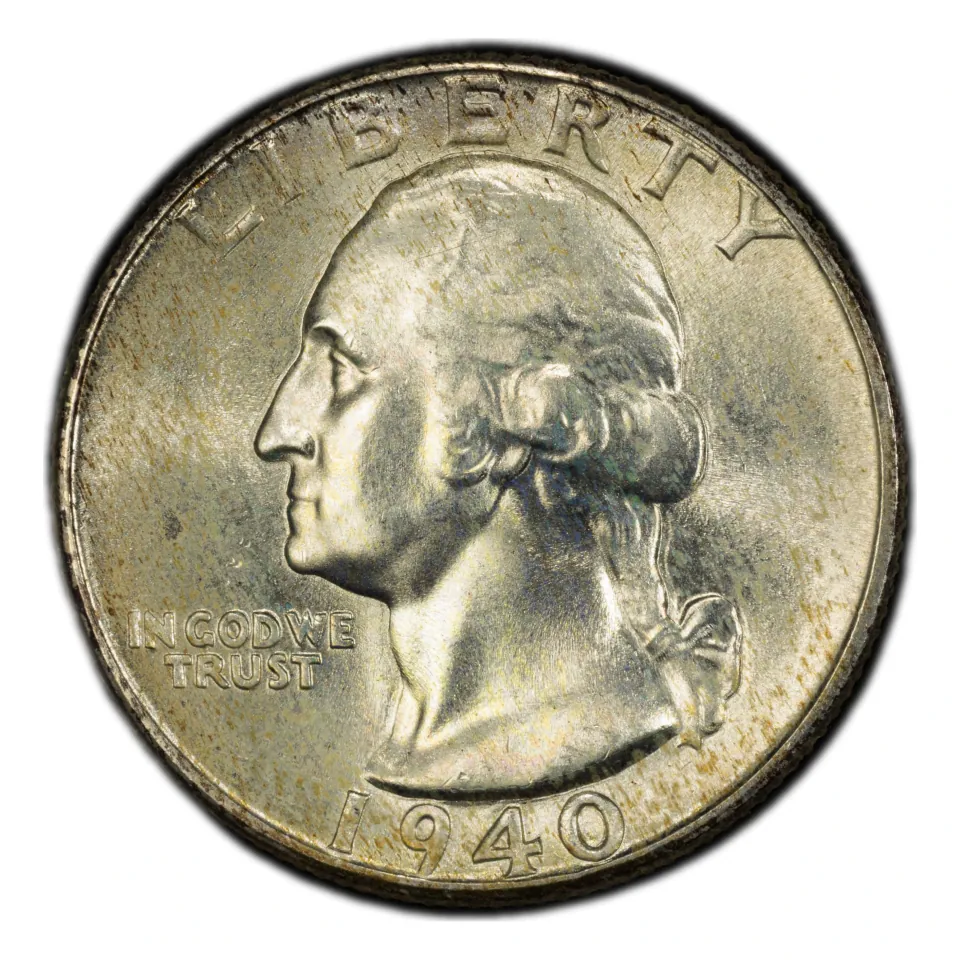
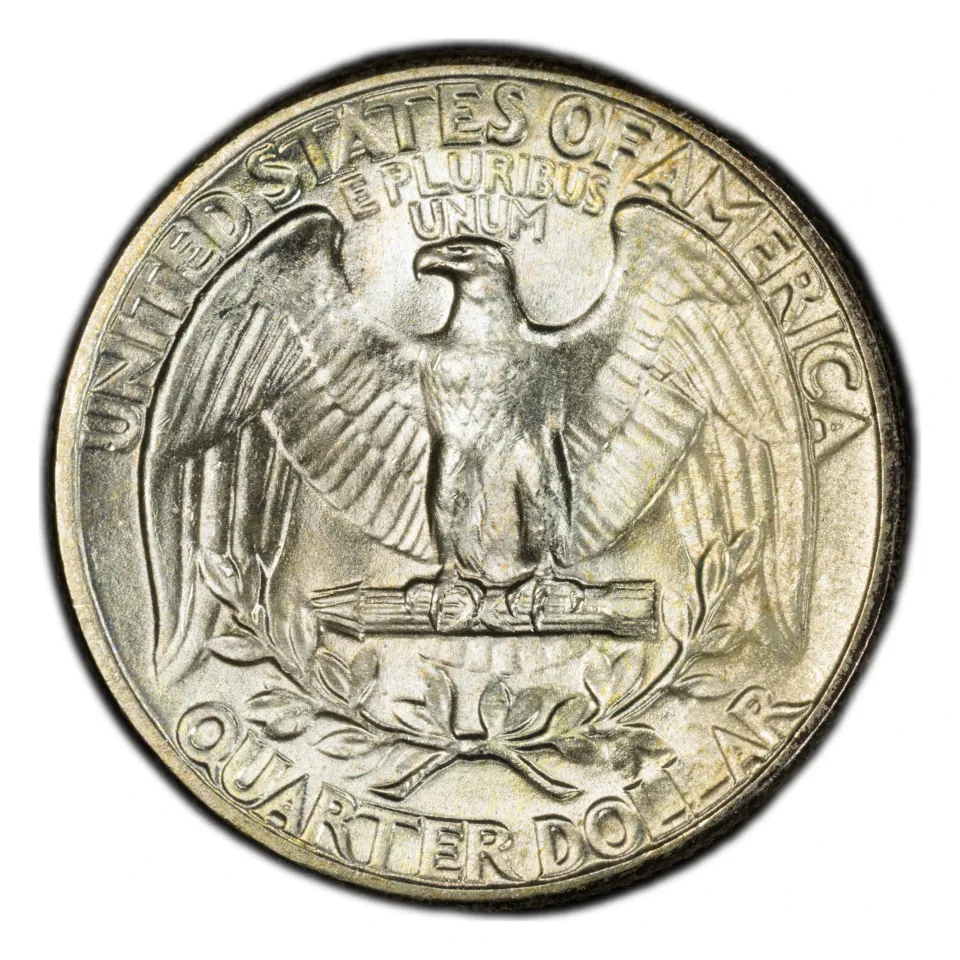
Basics & coin story
The 1940 quarter belongs to the early Washington silver series introduced for Washington’s 1932 bicentennial. John Flanagan’s portrait and eagle reverse remained the normal design. Philadelphia, Denver and San Francisco regular issues make mint identification useful before considering collector scarcity.
PCGS records 35,704,000 Philadelphia regular strikes. That production figure does not measure the survival of a particular high grade. A worn silver type example, an uncirculated date set and a collector Proof are different purchases, even though all may carry the same year.
A missing Philadelphia mint mark and silver composition are expected features. Neither establishes a mint error. The Washington quarter series guide explains the wider design eras, while this date guide keeps its own grade and issue comparisons.
| Feature | What to check |
|---|---|
| Type / denomination | Washington quarter / 25 cents |
| Designer | John Flanagan |
| Standard alloy | 90% silver, 10% copper |
| Nominal weight / diameter | 6.25 g / approximately 24.3 mm |
| Fine silver | Approximately 0.1808 troy ounce |
| Edge | Reeded |
| Regular mints | Philadelphia: none; Denver: D; San Francisco: S |
| Collector issue | Philadelphia Proof, no mint mark; separate manufacture |
Identification
Find the letter below the eagle’s wreath
The mint mark is above QUARTER DOLLAR. A blank area is the normal Philadelphia arrangement. Inspect the area under even light; if damage or wear obscures it, record the mint as uncertain rather than inventing a missing-letter variety.
Identify Proof manufacture independently
Philadelphia regular strikes and Proofs both lack a letter. A reflective field can come from manufacture or later polishing, so brightness alone is insufficient. A Proof is graded in a separate context, commonly PR, and its contrast designation also matters.
Keep date-specific exceptions separate
D and S are different entries from Philadelphia. A low-mintage mint does not guarantee a premium at every grade, and a weak-looking letter or worn detail is not an authenticated variety. The ordinary example photographed here is not presented as a rare mint-mark error.
Condition & value
Amounts are in U.S. dollars. PCGS retail-guide examples were checked October 26, 2026 and apply only to the stated issue, grade and designation. They are not guaranteed purchase offers; current market conditions and selling costs can change the amount received.
| Issue | Grade / condition | Value or reference | Basis | Important condition |
|---|---|---|---|---|
| 1940 Philadelphia, regular | VF20 | $17 | PCGS retail guide | Problem-free circulated |
| 1940 Philadelphia, regular | MS63 | $34 | PCGS retail guide | Uncirculated |
| 1940 Philadelphia, regular | MS65 | $45 | PCGS retail guide | Exact preservation must match |
| Contained silver | Approximately 0.1808 troy oz | 0.1808 × silver spot per oz | Metal reference | Changes with silver |
| Other mint / Proof / attributed variety | Exact issue and grade | Compare separately | Different entries | No Philadelphia price transferred |
Multiply approximately 0.1808 by the current silver price per troy ounce for a contained-metal reference. That calculation is not a guaranteed purchase offer or a substitute for collector evidence. Dated retail estimates, market metal prices and dealer spreads can move differently.
The ordinary Philadelphia guide difference between MS63 and MS65 is $11 in this check. Do not assume certification will add enough value to cover its cost. A claimed exceptional grade or special variety requires additional evidence, rather than a price selected from the top of a chart.
Inspect Washington’s cheek and hair and the eagle’s high points for friction, then the fields for marks and cleaning. Match completed sales by mint, finish, grade and surface status. The grading guide explains the general wear checks; polishing a coin to mimic Proof brilliance can damage its collector comparison.
Summary
For a 1940 quarter, check the reverse mint mark and finish before comparing the same grade. Silver and a missing Philadelphia letter are normal. Keep the changing metal reference separate from a retail estimate or actual offer.
FAQ
Is a 1940 quarter silver?
Yes. A standard 1940 Washington quarter is 90% silver, with approximately 0.1808 troy ounce of fine silver at nominal weight.
Where is the mint mark on a 1940 quarter?
On the reverse below the wreath and above QUARTER DOLLAR. No letter is normal for Philadelphia.
Is every no-mark 1940 quarter a Proof?
No. Philadelphia regular strikes and separate Proofs both lack a mint mark. Manufacture must be identified independently.
Were 1940 quarters made at more than one mint?
Yes. Regular issues include Philadelphia without a mark, Denver D and San Francisco S. Their prices must be compared separately.
References
References and further reading
- PCGS CoinFacts: exact issue, specifications and available guide evidence
- U.S. Mint: Washington quarter history
Sources and quoted guide evidence checked October 26, 2026. Guide estimates, historical sales, face value and metal-content calculations are identified separately.