

 App Store

COIN VALUE GUIDES · NICKELS
1939 Nickel Value:No Mint Mark, D, S and Two Reverses
Identify a 1939 Jefferson nickel by mint and reverse subtype, compare dated grade-specific values, and separate Doubled Monticello, Full Steps and Proof issues.
 HeriBase TeamPublished
In this article
Quick answer
A 1939 nickel is a copper-nickel Jefferson five-cent coin, and its mint mark matters: the D issue is the lower-mintage collecting target. NGC’s published ordinary guide lists Fine references at 20 cents for Philadelphia, $4 for Denver and $1 for San Francisco. The quoted entries have their own older update dates, shown in the table; all were accessed November 13, 2026. They are reference estimates, not current dealer offers.
There is a second sorting decision: Reverse of 1938 versus Reverse of 1940. Those names describe two normal design subtypes on coins dated 1939, not incorrect dates. NGC’s ordinary MS65 references range from $30 to $40 for Philadelphia and $65 to $85 for S, depending on the reverse; its D entries list $75. Full Steps, Proofs and the Doubled Monticello attribution are separate comparisons.
Coin photos
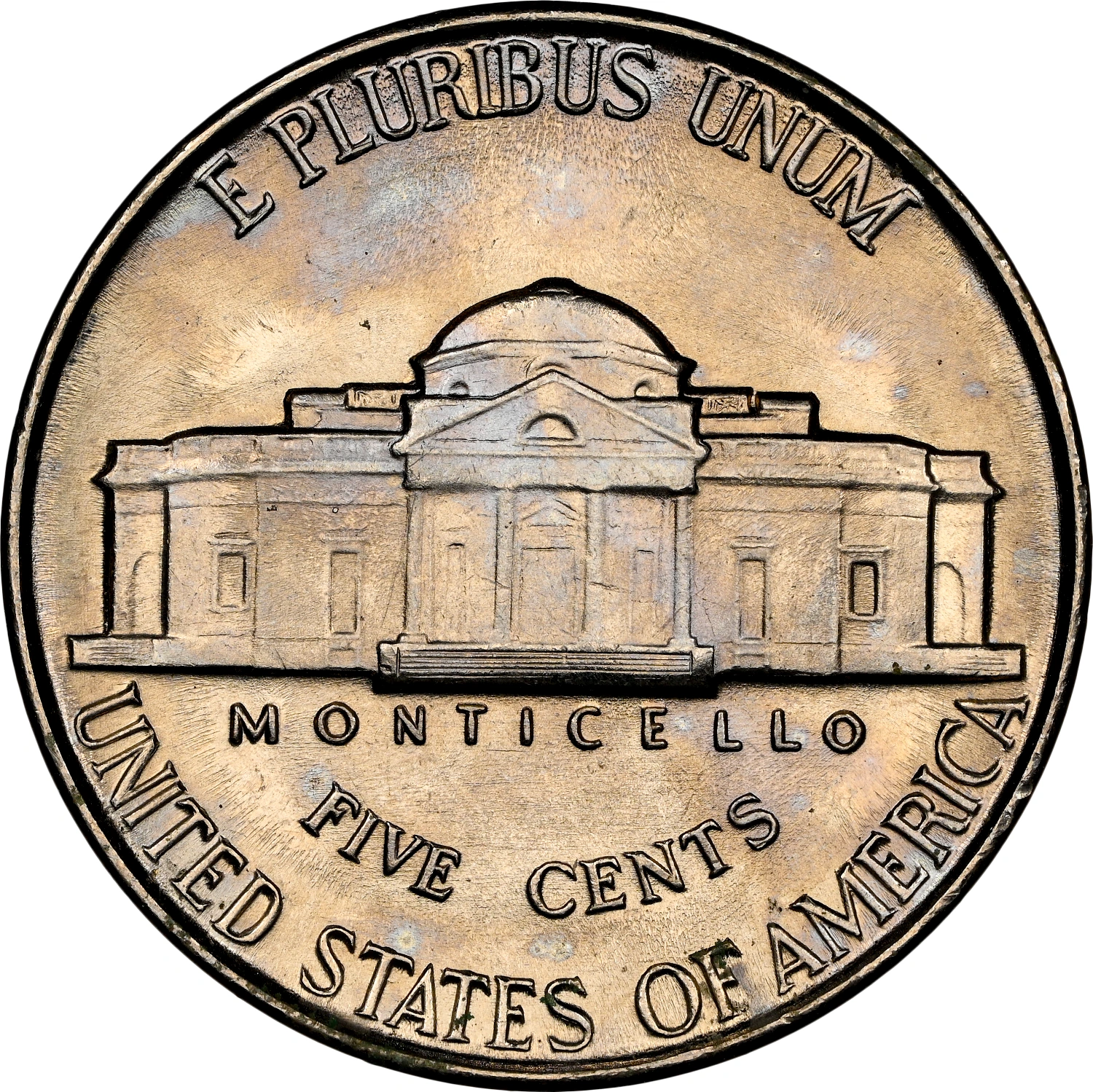
Basics & coin story
The Jefferson nickel debuted in 1938. During its second year, changes sharpened Monticello’s architectural details and steps, leaving 1939 coins with both the older and revised reverse. Collectors later named the revised form Reverse of 1940 because of its continued use. The label therefore does not imply a wrong-date die error.
Denver’s total regular mintage was 3,514,000, substantially lower than the other 1939 mints. That is the whole Denver issue, not a documented count for either reverse subtype or for Full Steps survivors. Preserved rolls and actual survival also affect availability. Compare the early Jefferson nickel identification guide for the surrounding series, while keeping every price tied to its exact date and issue.
| Feature | What to check |
|---|---|
| Issue | 1939 Jefferson nickel / five cents |
| Designer | Felix Schlag |
| Standard alloy | 75% copper; 25% nickel |
| Nominal weight / diameter | 5.00 g / 21.2 mm |
| Edge | Plain |
| Regular mints | No mark = Philadelphia; D = Denver; S = San Francisco |
| Mint-mark location | Reverse to the right of Monticello |
Identification
Find the small reverse mint mark first
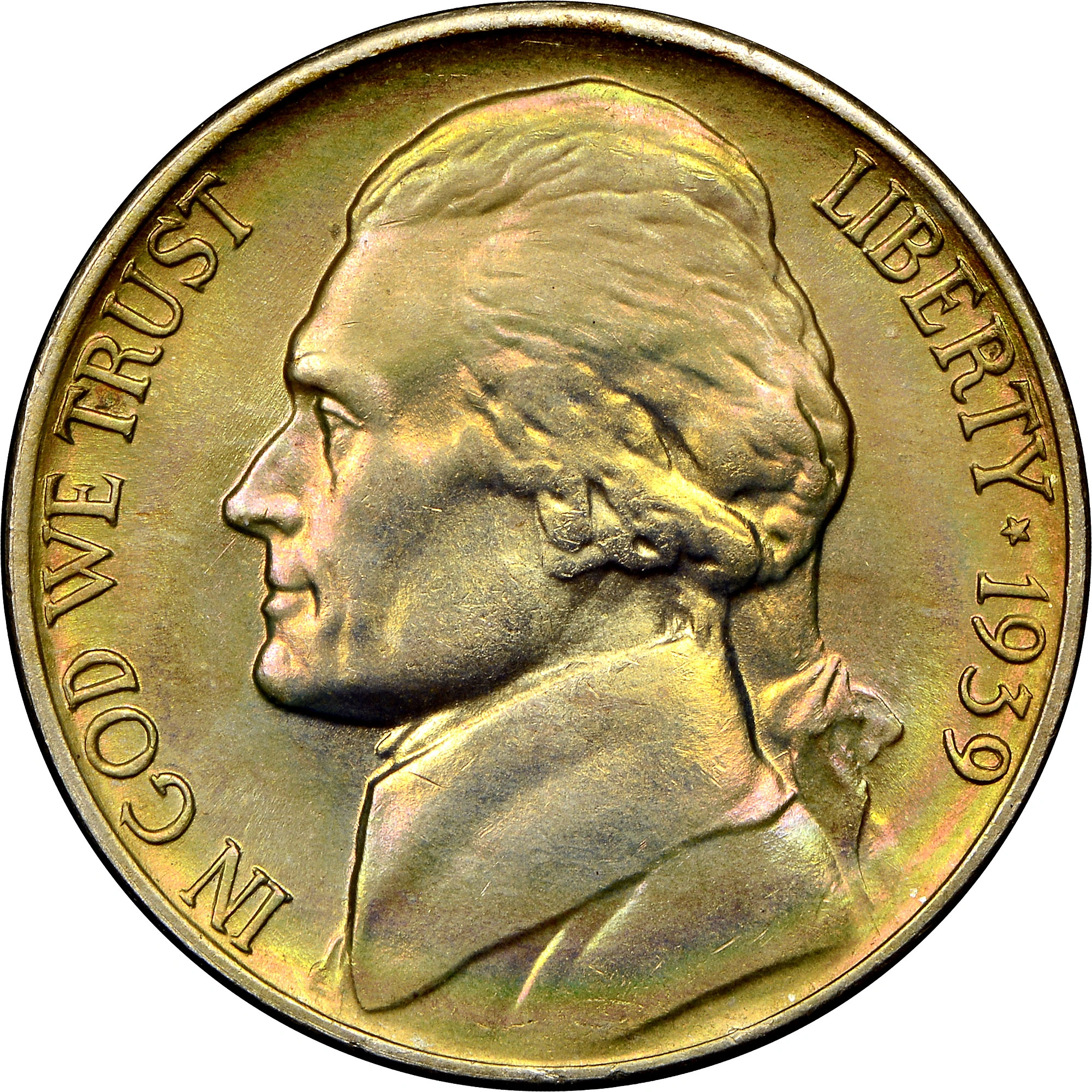
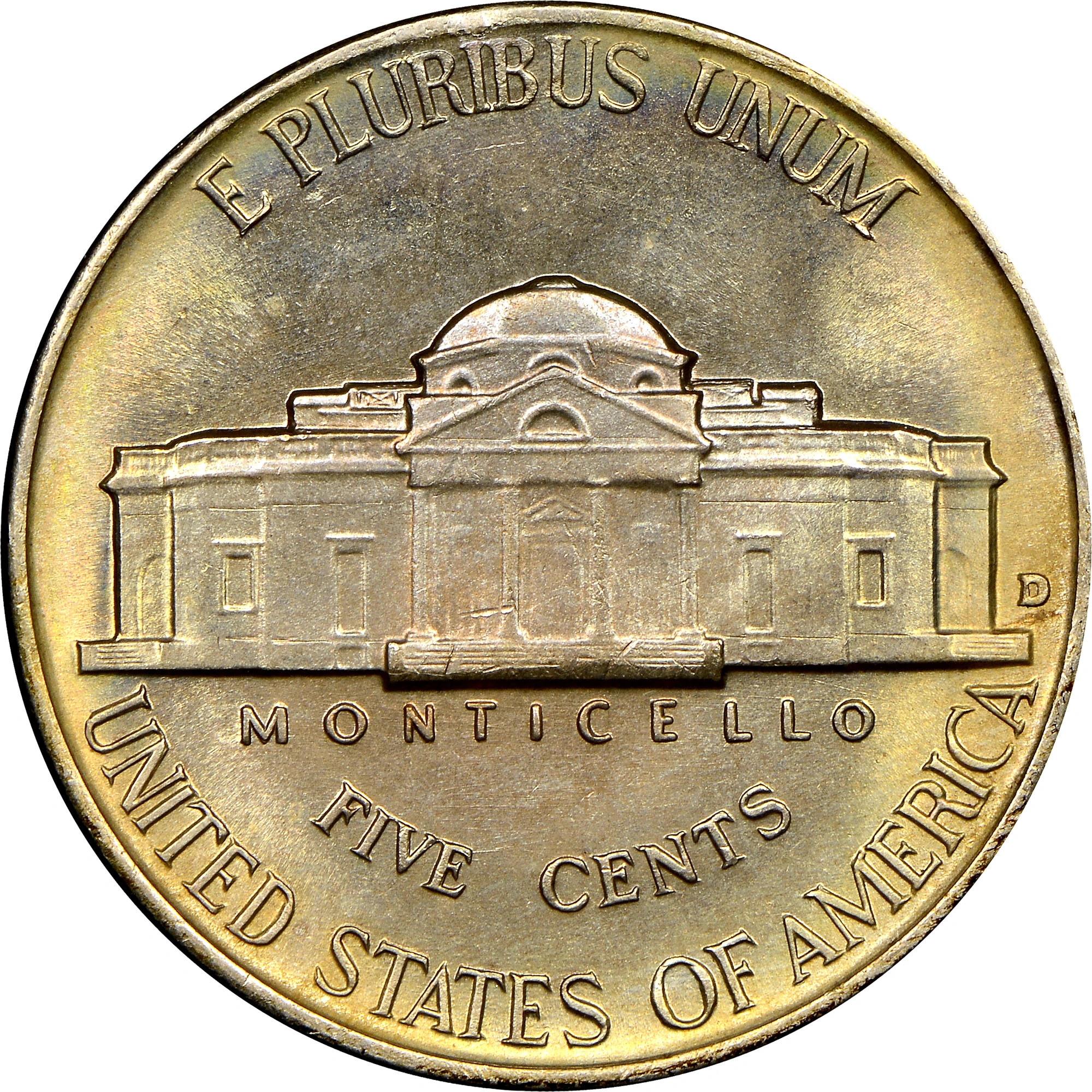
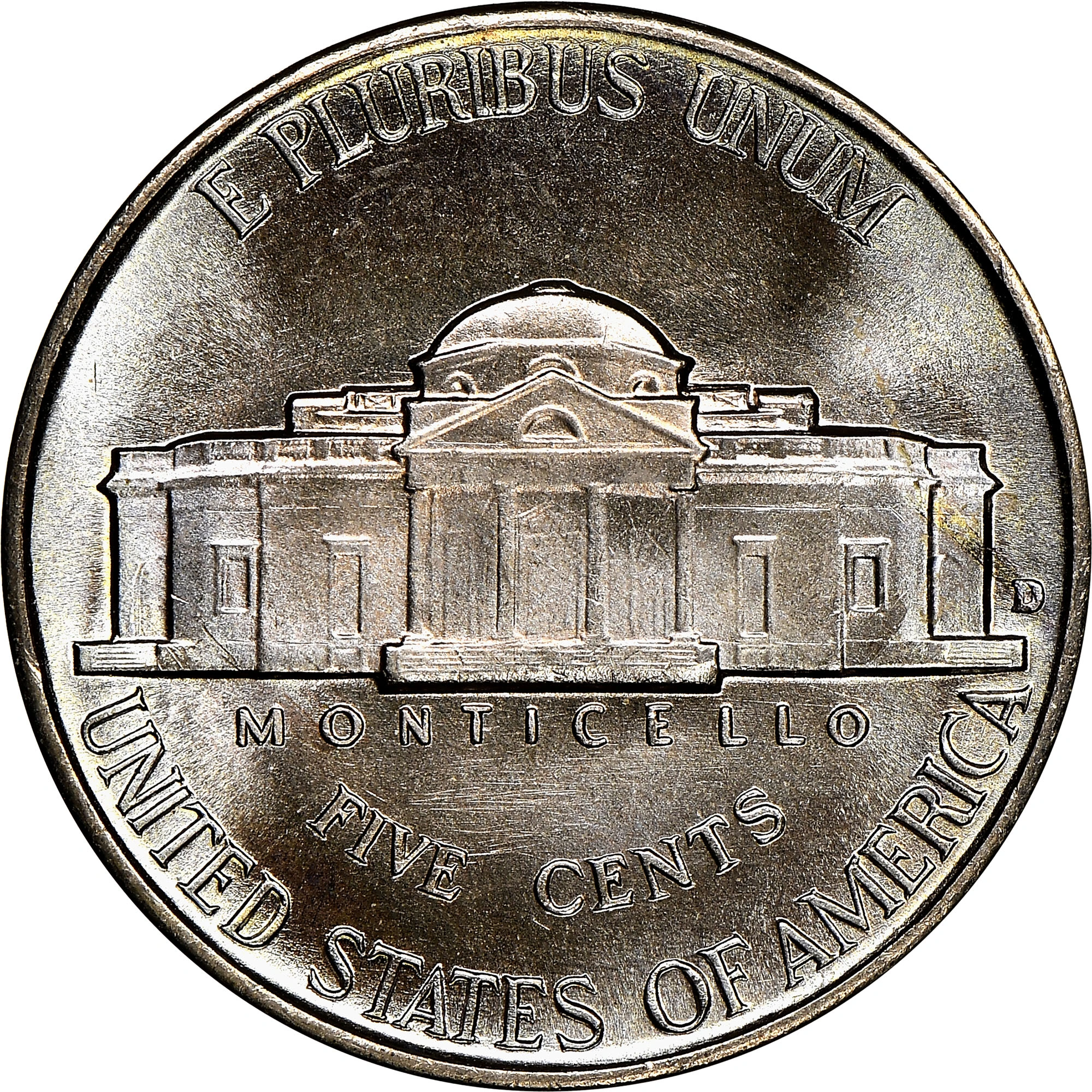
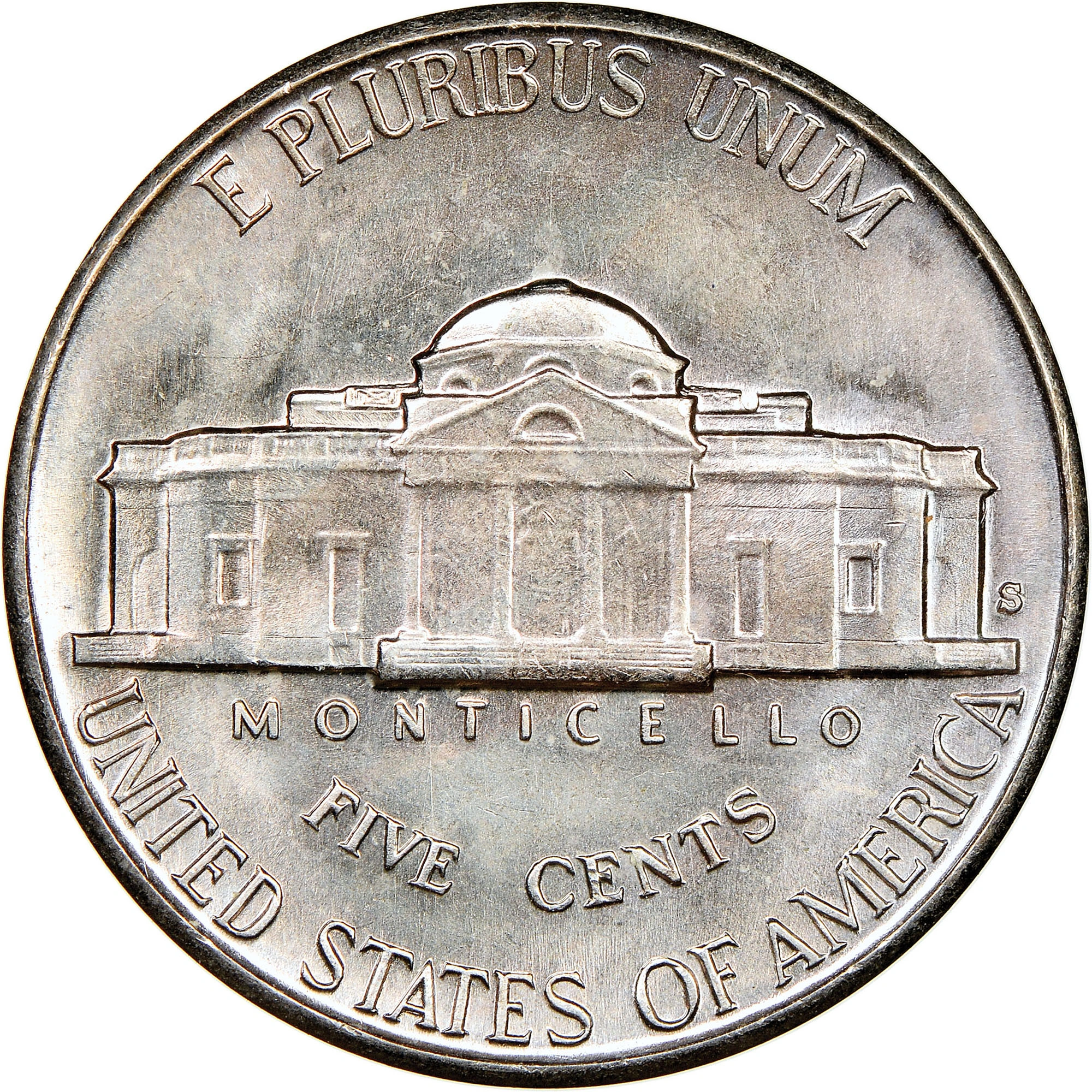
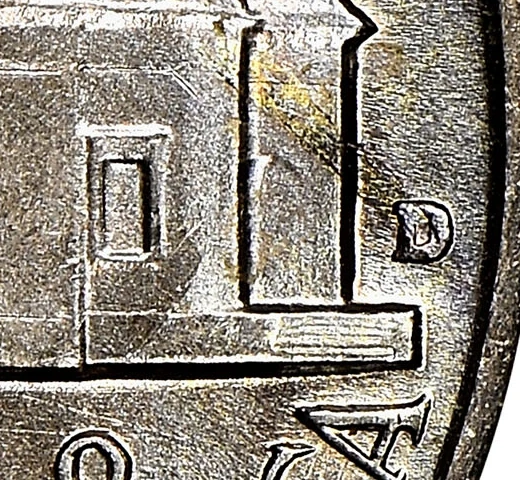
Read 1939 beside Jefferson, then turn the coin over. Look immediately to the right of Monticello: D means Denver, S San Francisco and no letter Philadelphia. Do not look for the large wartime mint mark above the dome; these are not the normal silver-alloy war nickels.
A faint mark should be photographed under different light. Cleaning or scraping it can damage the surface and still leave an ambiguous result. If the letter cannot be established, do not price the coin as a confirmed Denver issue.
Compare the reverse subtype without grading from one detail
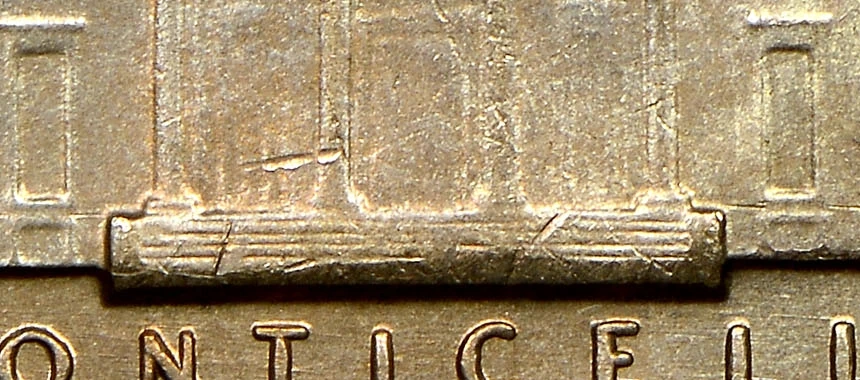
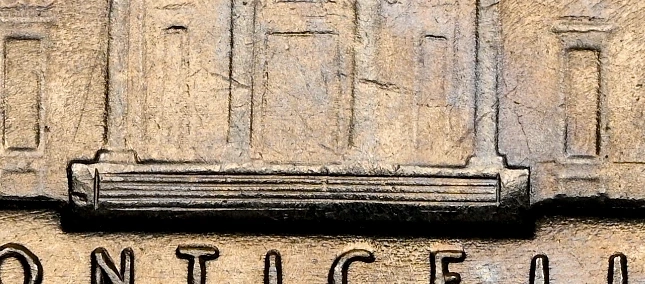
The older reverse has less sharply defined central building and step details; the revised form has stronger architectural definition. Compare the actual hub design and step configuration with attributed references, rather than calling every soft coin Reverse of 1938. Wear, strike and die erosion can also weaken details.
Heavy wear may make the distinction impractical. In that case, retain the mint and condition description but leave the subtype uncertain. The date remains 1939 on both forms. Photos below provide normal comparisons; they do not certify the step designation of a reader’s coin.
Doubled Monticello is not the ordinary revised reverse
The recognized Philadelphia doubled-die reverse has matching doubling in MONTICELLO and FIVE CENTS and requires the correct die diagnostics. It is not simply a sharper building, an offset-looking photograph or any doubled edge. PCGS lists the Doubled Monticello issue separately from both normal reverse categories.
Use the location and shape of the repeated design, then corroborate the full attribution. A regular Reverse of 1940 coin does not acquire a doubled-die premium just because the subtype is unfamiliar.
Condition & value
Amounts are in U.S. dollars. The table reports published ordinary-strike guide references, not completed sales or guaranteed offers. The final column is the source row’s own update date (month/day/year); all rows were accessed November 13, 2026. Older guide dates are a limitation, so obtain recent matching sales or offers before a transaction.
MS means Mint State. Full Steps, Proofs, special strikes and attributed varieties are excluded.
| Issue | Grade / condition | USD reference | Basis | Guide updated |
|---|---|---|---|---|
| 1939 REV OF 38 5C | Good | $0.10 | NGC retail guide | 05/09/2022 |
| 1939 REV OF 38 5C | Fine | $0.20 | NGC retail guide | 05/09/2022 |
| 1939 REV OF 38 5C | Extremely Fine 40 | Not quoted | NGC retail guide | 05/09/2022 |
| 1939 REV OF 38 5C | MS63 | $9.50 | NGC retail guide | 05/09/2022 |
| 1939 REV OF 38 5C | MS65 | $30 | NGC retail guide | 05/09/2022 |
| 1939 D REV OF 38 5C | Good | $3 | NGC retail guide | 08/05/2020 |
| 1939 D REV OF 38 5C | Fine | $4 | NGC retail guide | 08/05/2020 |
| 1939 D REV OF 38 5C | Extremely Fine 40 | $14 | NGC retail guide | 08/05/2020 |
| 1939 D REV OF 38 5C | MS63 | $55 | NGC retail guide | 08/05/2020 |
| 1939 D REV OF 38 5C | MS65 | $75 | NGC retail guide | 08/05/2020 |
| 1939 S REV OF 38 5C | Good | $0.45 | NGC retail guide | 08/05/2020 |
| 1939 S REV OF 38 5C | Fine | $1 | NGC retail guide | 08/05/2020 |
| 1939 S REV OF 38 5C | Extremely Fine 40 | Not quoted | NGC retail guide | 08/05/2020 |
| 1939 S REV OF 38 5C | MS63 | $42 | NGC retail guide | 08/05/2020 |
| 1939 S REV OF 38 5C | MS65 | $65 | NGC retail guide | 08/05/2020 |
| Issue | Grade / condition | USD reference | Basis | Guide updated |
|---|---|---|---|---|
| 1939 Reverse of 1940 5C | Fine | $0.20 | NGC retail guide | 08/05/2020 |
| 1939 Reverse of 1940 5C | Extremely Fine 40 | $0.75 | NGC retail guide | 08/05/2020 |
| 1939 Reverse of 1940 5C | MS65 | $40 | NGC retail guide | 08/05/2020 |
| 1939 D Reverse of 1940 5C | Fine | $4 | NGC retail guide | 08/05/2020 |
| 1939 D Reverse of 1940 5C | Extremely Fine 40 | $14 | NGC retail guide | 08/05/2020 |
| 1939 D Reverse of 1940 5C | MS65 | $75 | NGC retail guide | 08/05/2020 |
| 1939 S Reverse of 1940 5C | Fine | $1 | NGC retail guide | 05/13/2019 |
| 1939 S Reverse of 1940 5C | Extremely Fine 40 | $3 | NGC retail guide | 05/13/2019 |
| 1939 S Reverse of 1940 5C | MS65 | $85 | NGC retail guide | 05/13/2019 |
Keep the six ordinary mint-and-reverse entries distinct
The main table covers the older reverse, while the revised-reverse table below gives its separate references. Missing guide cells mean that a value was not quoted in the retrieved entry; they do not mean zero value. The dates belong to the guide rows, not to new sales measured for this article.
For Denver, the guide’s Fine $4 and Extremely Fine 40 $14 references apply to either ordinary reverse entry, while better grades and Full Steps need more precise matching. For San Francisco, the older-reverse MS65 figure is $65 and the revised-reverse figure $85. These distinctions are lost in a single generic 1939 price range.
Full Steps and Proof manufacture need their own evidence
NGC distinguishes Five Full Steps (5FS) and Six Full Steps (6FS). A revised reverse can have incomplete steps, and an old-style reverse is not automatically disqualified or confirmed by the subtype name. Examine the required continuity and interruptions separately from numerical grade.
Philadelphia also issued collector Proof nickels in 1939. Both normal circulation coins and those Proofs lack a mint mark, so the empty position cannot prove Proof manufacture. Match finish, reverse attribution, grade and designation before comparing prices. No specific current Proof or Doubled Monticello offer is asserted here.
For an initial identification, photograph both faces in even light and record the visible date and mint mark. HeriBase can help organize a photo-based identification; verify important mint, finish and variety details against the references before using a price. An app result is a starting point, not a certified grade, authentication or purchase offer.
Summary
Sort a 1939 nickel by mint, reverse subtype and condition, in that order. Denver normally deserves separate attention; the two reverse names are normal catalog categories, and Doubled Monticello is a distinct attribution. Preserve the surface and leave uncertain subtype or step claims unassigned until a reliable comparison supports them.
FAQ
Why does a 1939 nickel say Reverse of 1940?
That catalog name identifies the revised Monticello reverse used on some coins dated 1939 and continued afterward. It is not, by itself, an incorrect-date mint error.
Where is the D or S on a 1939 nickel?
It is on the reverse to the right of Monticello. No letter is normal for Philadelphia.
Is every Reverse of 1940 a Doubled Monticello nickel?
No. The ordinary revised design and the recognized doubled-die reverse are separate entries. The variety needs matching diagnostic doubling.
Does a sharp reverse automatically mean Full Steps?
No. Full Steps has additional continuity requirements and is separate from reverse subtype and numerical grade. Match the grading service and designation.
References
References and further reading
- NGC: 1939 REV OF 38 5C MS specifications, analysis and dated guide
- NGC: 1939 D REV OF 38 5C MS specifications, analysis and dated guide
- NGC: 1939 S REV OF 38 5C MS specifications, analysis and dated guide
- PCGS: 1939 normal reverse categories and comparison
- PCGS: Doubled Monticello separate attribution
- NGC: Philadelphia Reverse of 1940
- NGC: Denver Reverse of 1940
- NGC: San Francisco Reverse of 1940
- NGC: Five Full Steps and Six Full Steps requirements
References accessed November 13, 2026. Guide update dates, access dates and historical sale dates are separate. No current dealer offer or independent examination of a reader’s coin is implied.