

 App Store

COIN VALUE GUIDES · PENNIES
1937 Wheat Penny Value:No Mint Mark, D, S and Proof Comparisons
Check the three wheat-cent mint issues and distinguish a normal 1937 cent from a collector Proof or a misapplied Buffalo-nickel variety.
 HeriBase TeamPublished
In this article
Quick answer
An ordinary circulated 1937 wheat penny is a modest-value date; mint, wear and surfaces determine which dated reference applies. NGC’s July 12, 2020 Brown references list $0.15 in Good and $0.85 in XF40 for each of the three mints. The table below separates Philadelphia, Denver and San Francisco Brown coins instead of applying an exceptional Red Mint State sale to all 1937 pennies.
Unworn coins with original red color and separately manufactured Philadelphia Proofs need different comparisons. The famous 1937-D Three-Legged variety belongs to a Buffalo nickel, not a wheat penny; the same year does not transfer that variety or its premium.
Coin photos
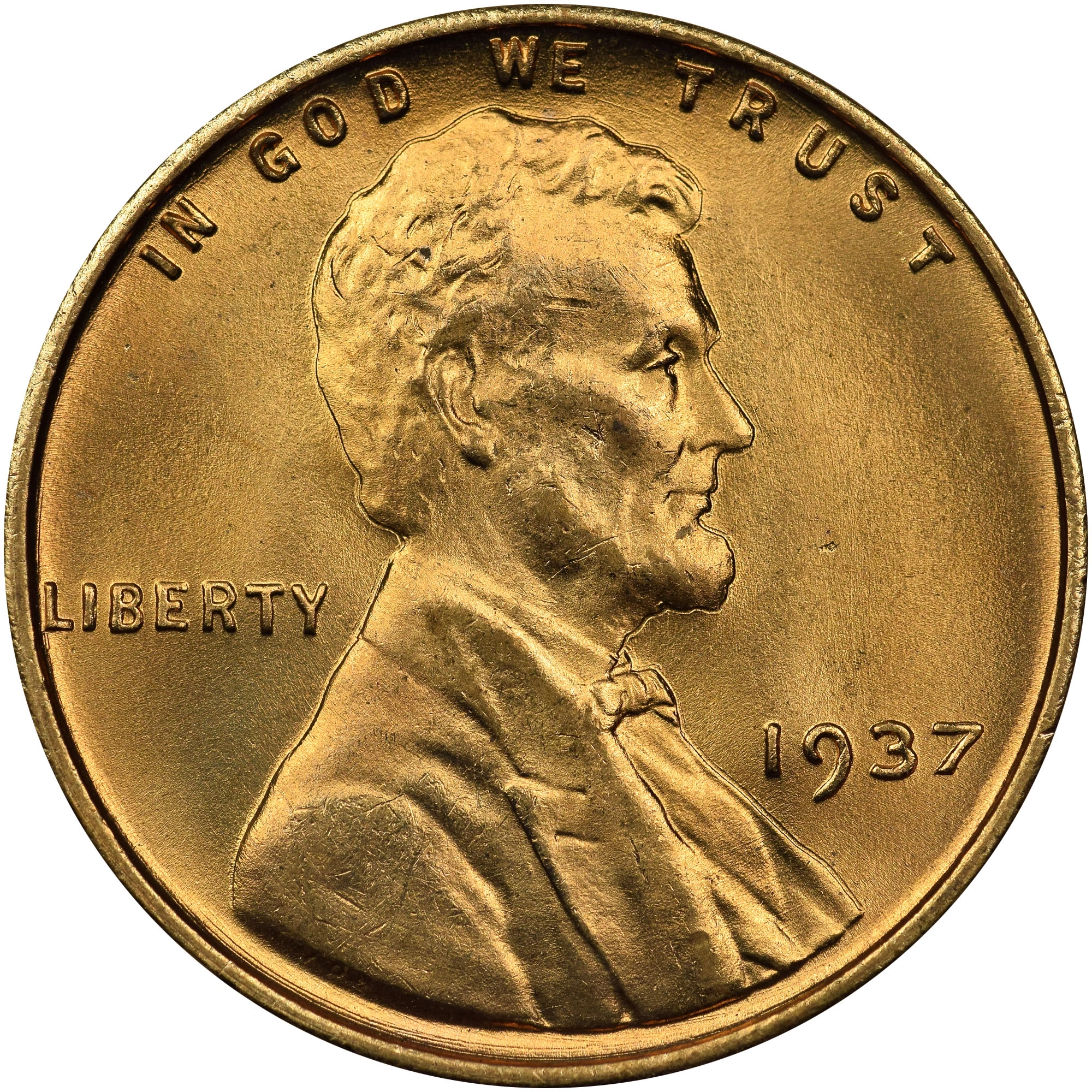
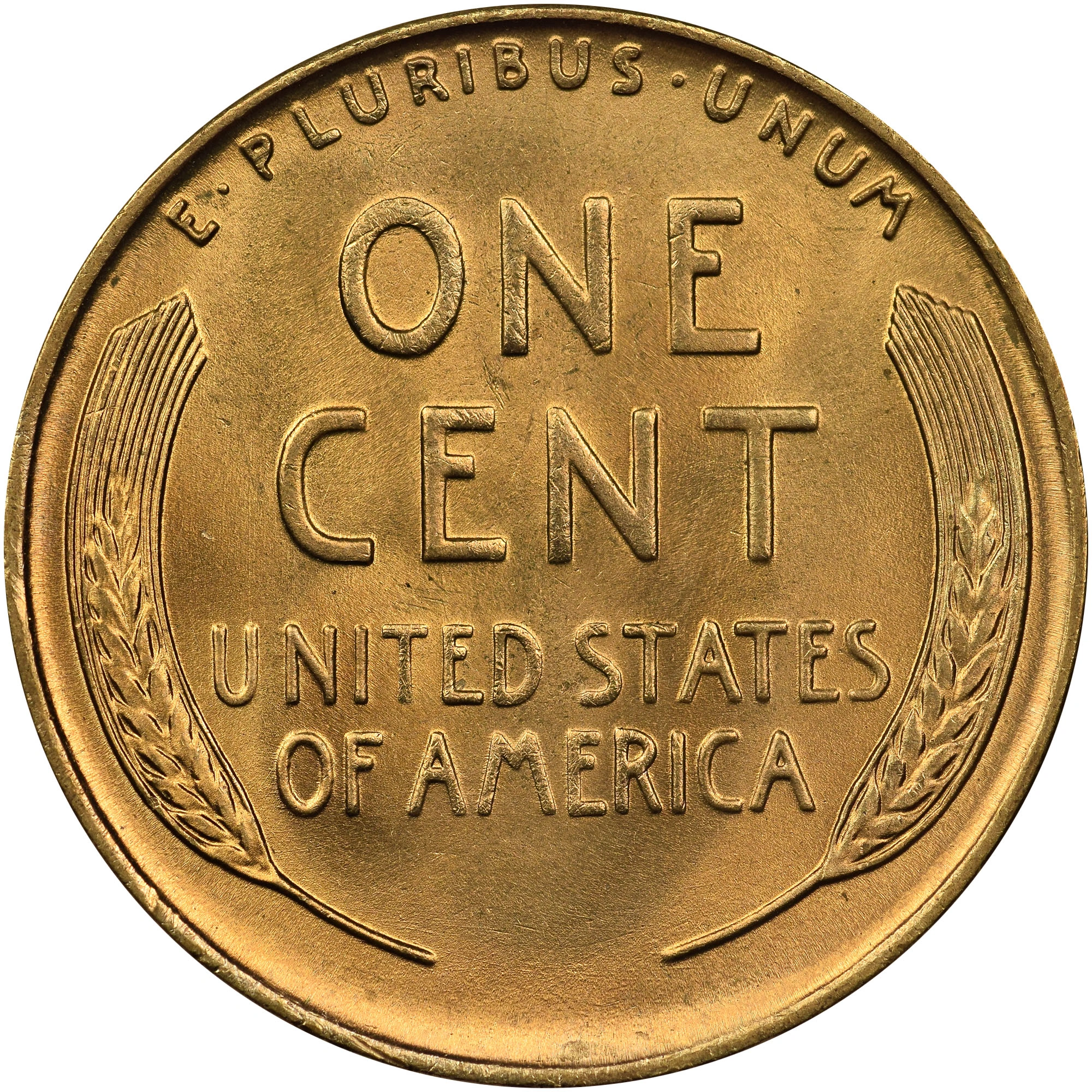
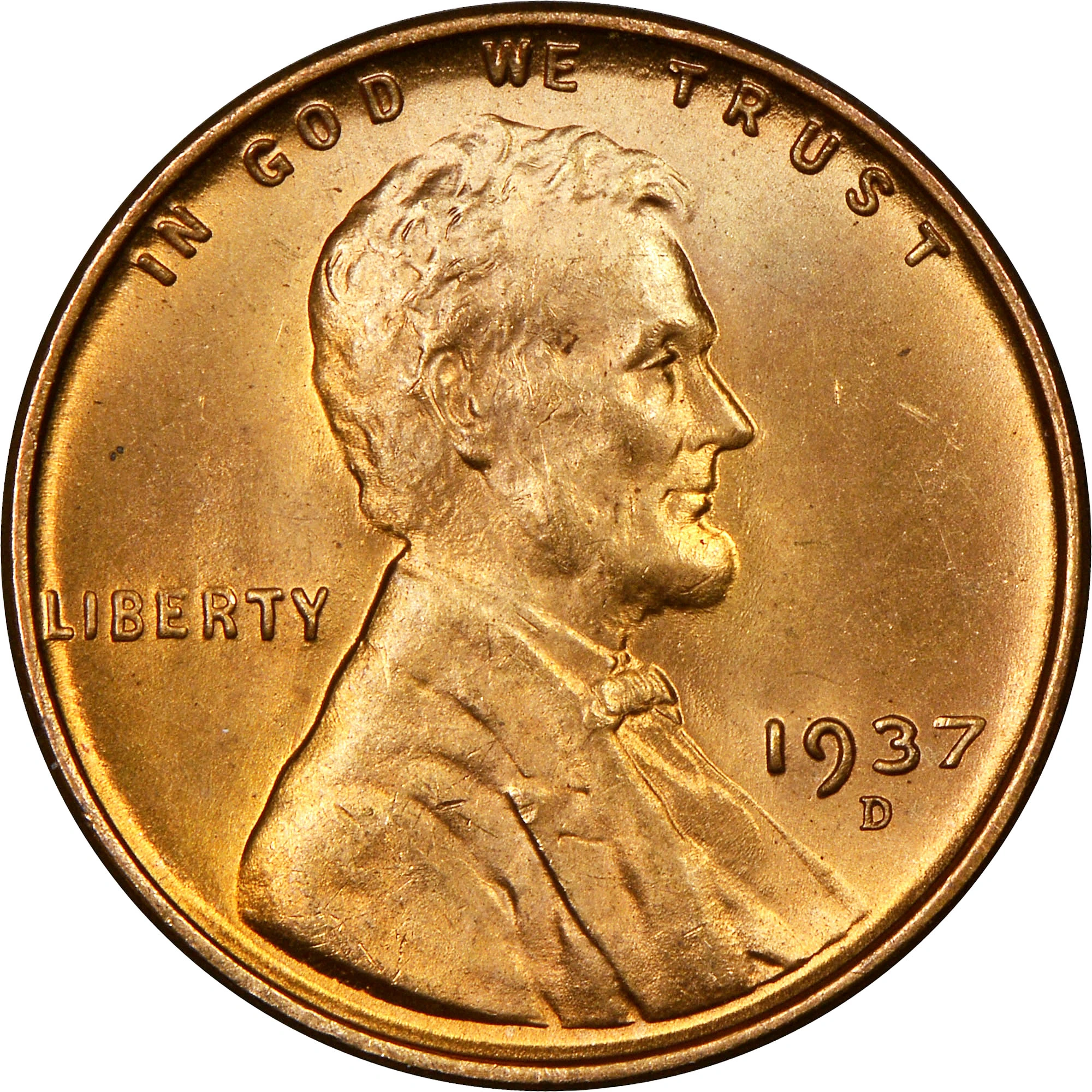
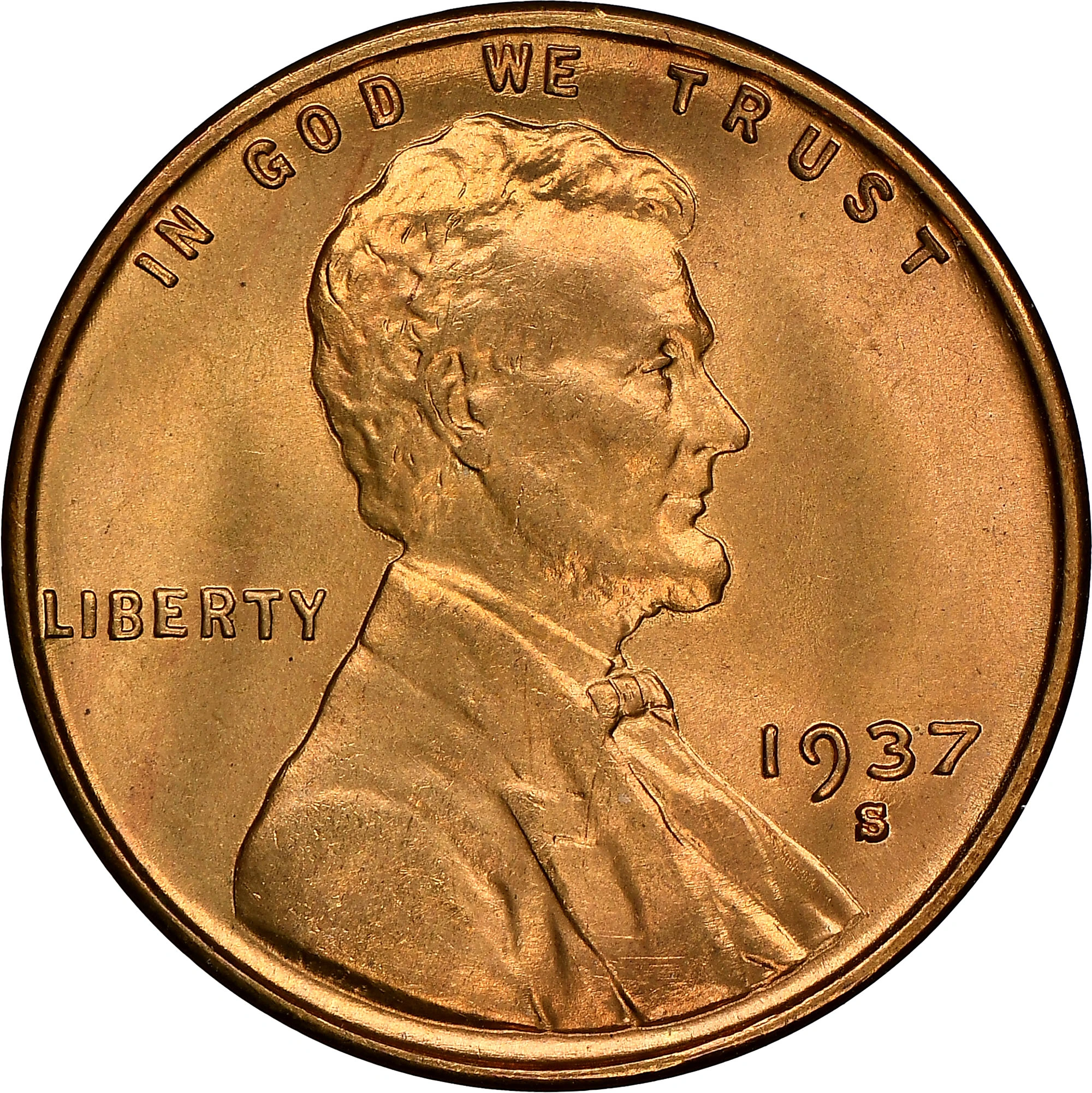
Basics & coin story
The 1937 wheat cent retained Victor David Brenner’s Lincoln portrait and wheat-ear reverse. Its three circulation mints allow a date-and-mint collector to build a small group without confusing a different denomination.
Philadelphia also made collector Proof cents during the resumed prewar Proof program. Their special manufacture is separate from the much larger circulating supply. Place this date in context with the Lincoln wheat penny guide.
| Feature | What to check |
|---|---|
| Type / denomination | 1937 Lincoln wheat cent / one cent |
| Designer | Victor David Brenner |
| Standard alloy | 95% copper; 5% tin and zinc (bronze) |
| Nominal weight / diameter | 3.11 g / 19 mm |
| Edge | Plain |
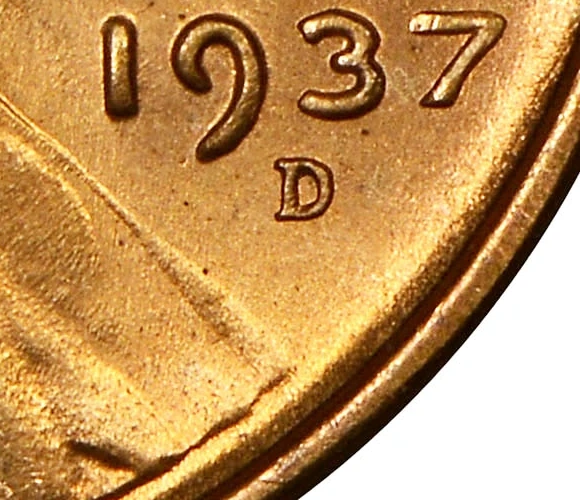
| Mint-mark position | Obverse below the date |
Identification
Match the date and small mint letter
Read all four numerals. D or S belongs below 1937 on the obverse; Philadelphia is blank. Inspect both faces so that an altered date or the wrong reverse is not overlooked.
Check high-point wear before color
Examine Lincoln’s cheek and jaw and the wheat detail for friction, then assess luster, contact marks and spots. Attractive copper color cannot turn a worn coin into Mint State.
Keep Proof and nickel varieties out of the ordinary row
A bright surface alone does not identify a 1937 Proof. A supposed three-legged 1937 penny confuses the cent with a different coin series; inspect denomination and reverse first.
Condition & value
Amounts are in U.S. dollars. The final column gives each source row’s update date (month/day/year), separate from the access date of November 13, 2026. Published guides are reference estimates, not guaranteed buying offers or seller net proceeds. Obtain recent like-for-like completed comparisons for an actual transaction.
MS means Mint State. The ordinary table uses Brown (BN) copper entries; Red-Brown (RB), Red (RD), Proofs and attributed varieties are separate.
| Issue | Grade / condition | USD reference | Basis | Source updated |
|---|---|---|---|---|
| 1937 no mark BN | Good | $0.15 | NGC retail guide | 07/12/2020 |
| 1937 no mark BN | Fine | $0.25 | NGC retail guide | 07/12/2020 |
| 1937 no mark BN | Extremely Fine 40 | $0.85 | NGC retail guide | 07/12/2020 |
| 1937 no mark BN | MS63 | $4 | NGC retail guide | 07/12/2020 |
| 1937 no mark BN | MS65 | $7 | NGC retail guide | 07/12/2020 |
| 1937-D BN | Good | $0.15 | NGC retail guide | 07/12/2020 |
| 1937-D BN | Fine | $0.25 | NGC retail guide | 07/12/2020 |
| 1937-D BN | Extremely Fine 40 | $0.85 | NGC retail guide | 07/12/2020 |
| 1937-D BN | MS63 | $7 | NGC retail guide | 07/12/2020 |
| 1937-D BN | MS65 | $9.75 | NGC retail guide | 07/12/2020 |
| 1937-S BN | Good | $0.15 | NGC retail guide | 07/12/2020 |
| 1937-S BN | Fine | $0.35 | NGC retail guide | 07/12/2020 |
| 1937-S BN | Extremely Fine 40 | $0.85 | NGC retail guide | 07/12/2020 |
| 1937-S BN | MS63 | $8 | NGC retail guide | 07/12/2020 |
| 1937-S BN | MS65 | $12 | NGC retail guide | 07/12/2020 |
Ordinary Brown references
The table gives the source date for each mint’s BN guide. Compare equal grades across the three issues, and leave cleaning, scratches or corrosion outside a problem-free straight-grade assumption.
Red coins and exceptional grades
RD and RB designations are independent of the numerical grade. An exceptional red specimen is a different comparison from an ordinary circulated cent. Do not clean brown copper to imitate original mint color.
The separate Proof issue
Philadelphia Proofs use PF grades and their own color and surface categories. Confirm the issue before using the Proof guide; a newly polished circulation strike remains an altered circulation strike.
Photograph both faces under even light and record the visible date and mint mark. HeriBase can help organize an initial photo-based identification; verify important mint, finish and variety details against the references before using a price. An app result is not a certified grade, authentication or purchase offer.
Summary
Unworn coins with original red color and separately manufactured Philadelphia Proofs need different comparisons. The famous 1937-D Three-Legged variety belongs to a Buffalo nickel, not a wheat penny; the same year does not transfer that variety or its premium. Match the complete issue and condition to a dated reference before seeking a current offer.
FAQ
Is a 1937 wheat penny with no mint mark an error?
No. Philadelphia normally omitted a mint letter below the date.
Can a 1937-D penny be a Three-Legged variety?
The well-known 1937-D Three-Legged variety is a Buffalo nickel, not a Lincoln wheat penny.
Were 1937 Proof cents made?
Yes, at Philadelphia. Their manufacture and pricing are separate from circulation cents.
Does red color alone mean a 1937 cent is Mint State?
No. Wear, luster, surface condition and original color must be assessed independently.
References
References and further reading
- NGC: 1937 1C MS specifications, issue analysis and dated guide
- NGC: 1937 D 1C MS specifications, issue analysis and dated guide
- NGC: 1937 S 1C MS specifications, issue analysis and dated guide
- NGC: separate collector Proof issue and dated guide
References accessed November 13, 2026. Guide update dates, source publication dates and sale dates are distinct. No independent examination or current buying offer for a reader’s coin is implied.