

 App Store

COIN VALUE GUIDES · PENNIES
1936 Penny Value:No Mint Mark, D, S and the Two Proof Finishes
Separate an ordinary wheat cent from the distinct Satin and Brilliant Proofs, and check doubling without assuming that every thick letter is a valuable variety.
 HeriBase TeamPublished
In this article
Quick answer
An ordinary 1936 wheat penny is usually a modest-value collectible. NGC’s Brown guide lists Philadelphia at $0.10 in Good and $1 in Extremely Fine 40, with D and S issues also inexpensive in worn grades; those rows were last updated July 12, 2020. They are historical retail references, not current bids.
Mint State color, a confirmed doubled die, and the separate Satin or Brilliant Proof format can change the comparison substantially. A blank mint-mark position is normal for Philadelphia and does not itself create a rare error.
Coin photos
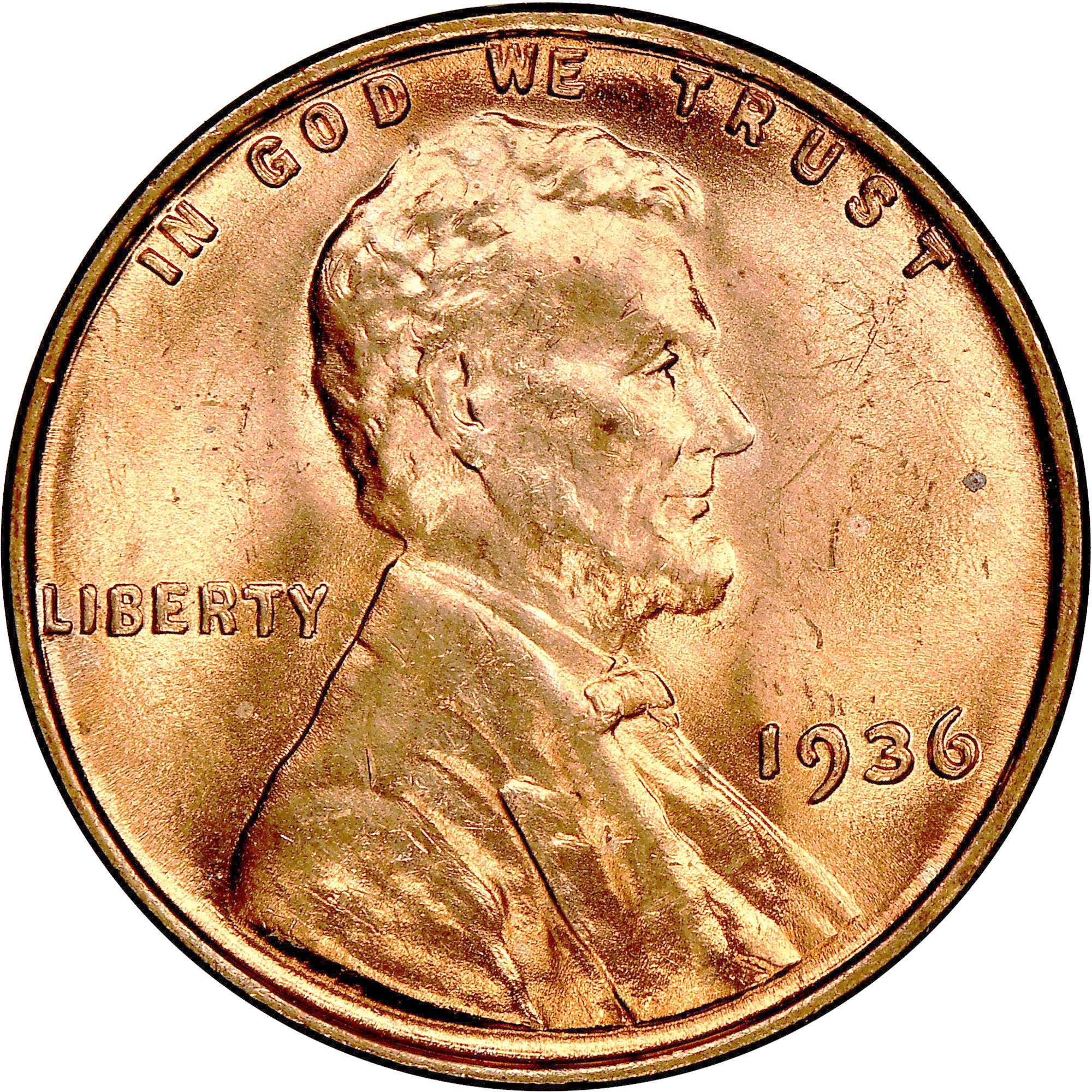
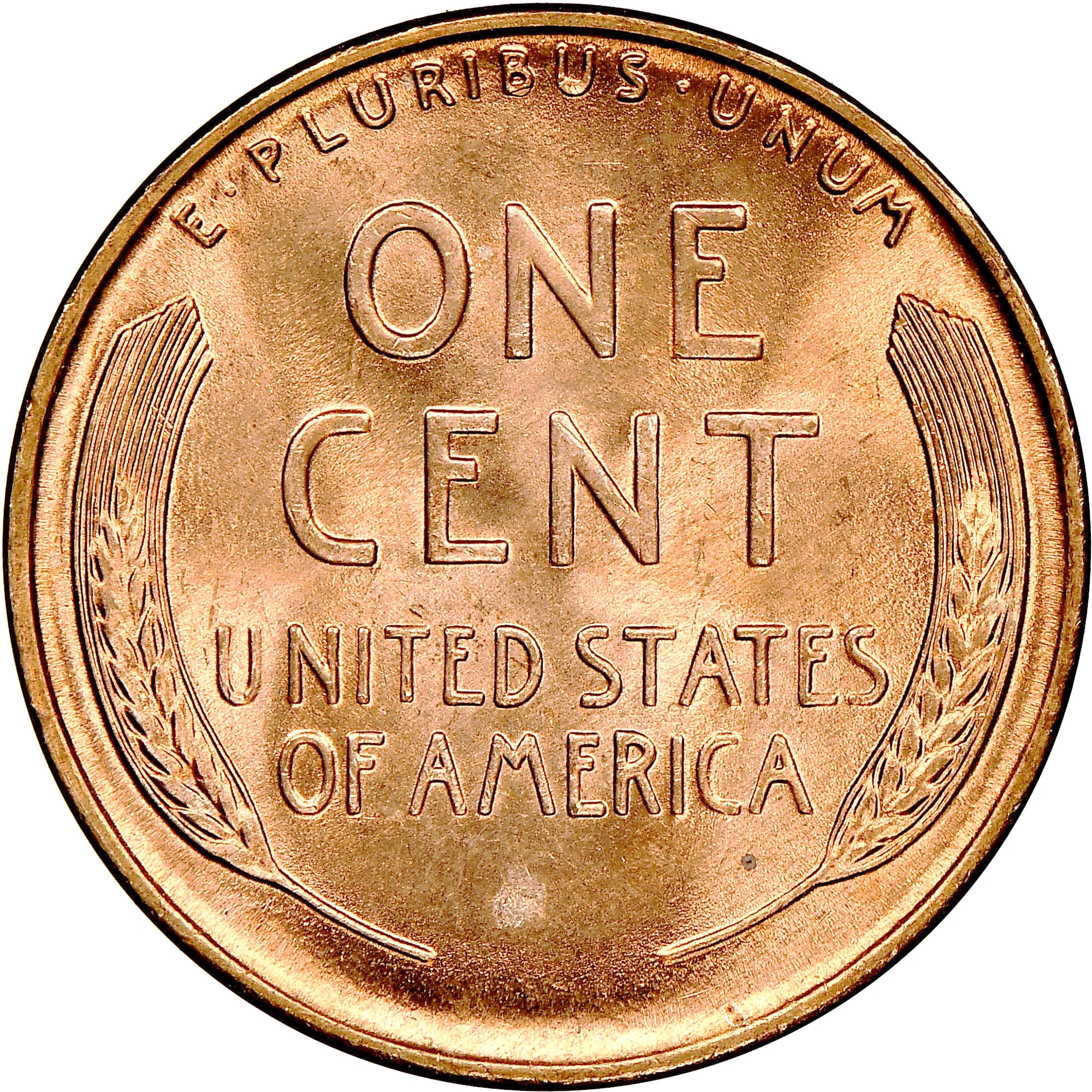
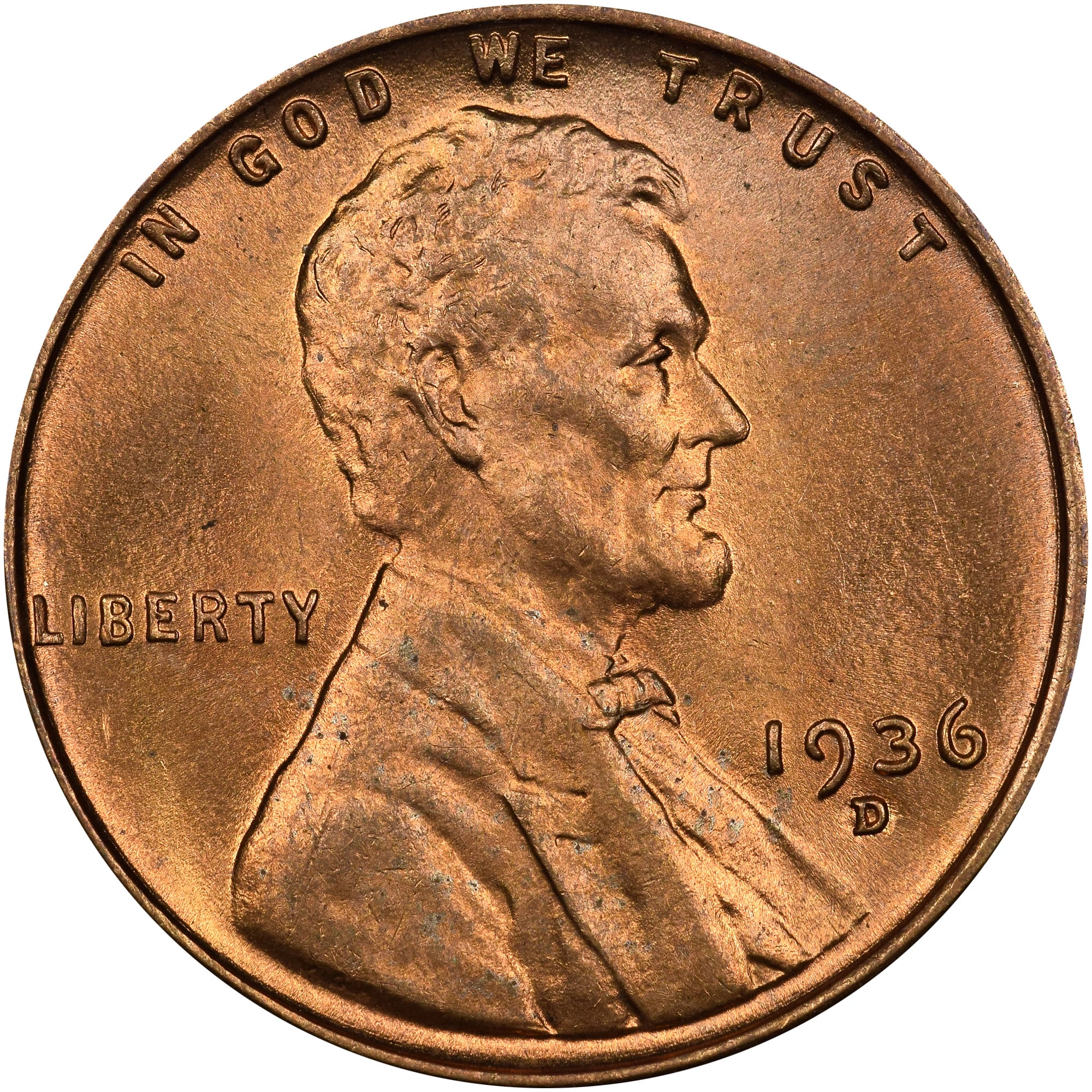
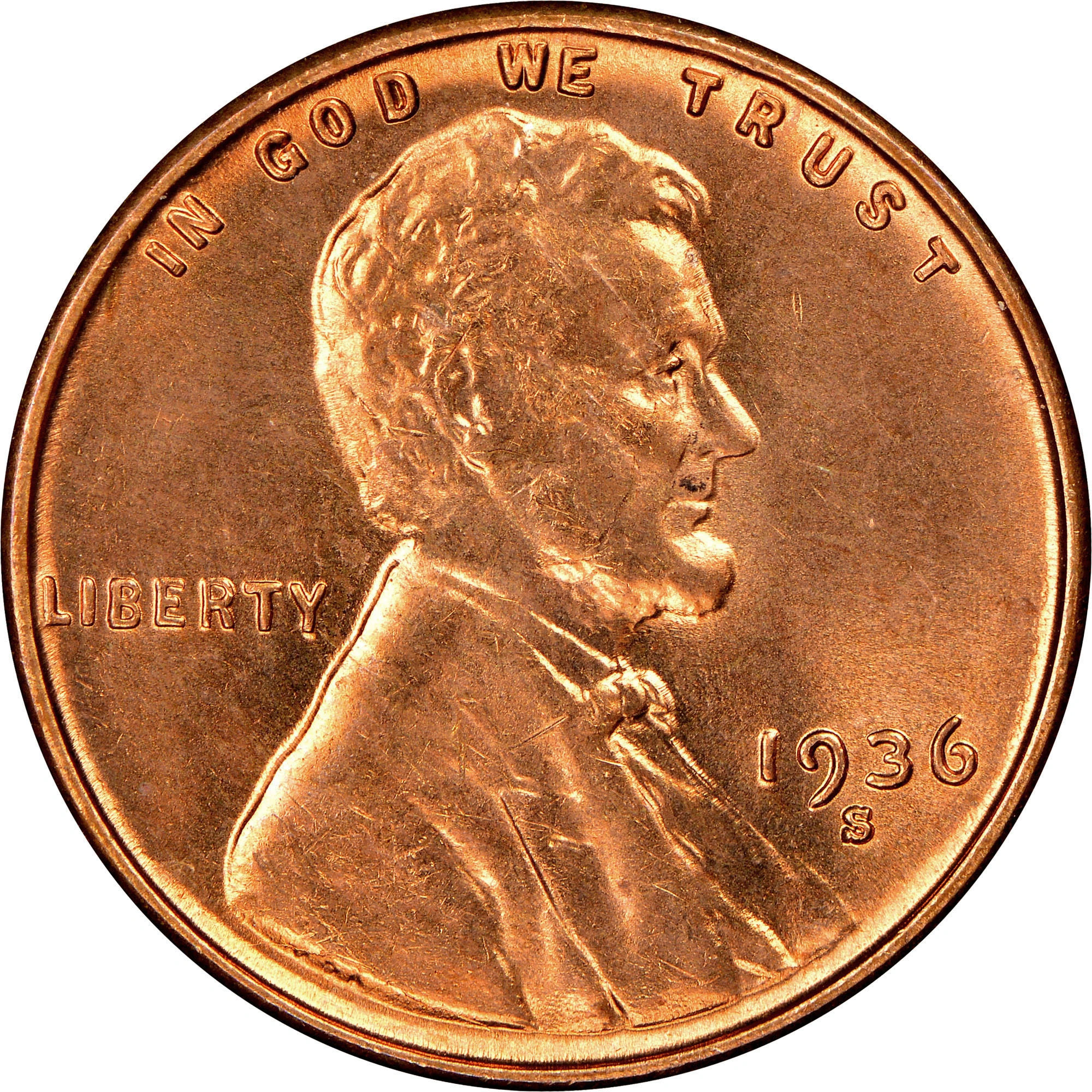
Basics & coin story
Philadelphia struck over 309 million cents in 1936, a large output for the period. Surviving ordinary pieces make the date accessible, while quality and specialized varieties provide the harder collecting challenges.
The year also sits at the return of U.S. Proof coinage after a long interruption. Its two Proof surface treatments give 1936 a useful distinction from an otherwise routine wheat-cent date. Follow the broader design in the Lincoln wheat penny guide.
| Feature | What to check |
|---|---|
| Type / denomination | 1936 Lincoln wheat cent / one cent |
| Designer | Victor David Brenner |
| Standard alloy | 95% copper; 5% tin and zinc (bronze) |
| Nominal weight / diameter | 3.11 g / 19 mm |
| Edge | Plain |
| Mint-mark position | Obverse below the date |
Identification
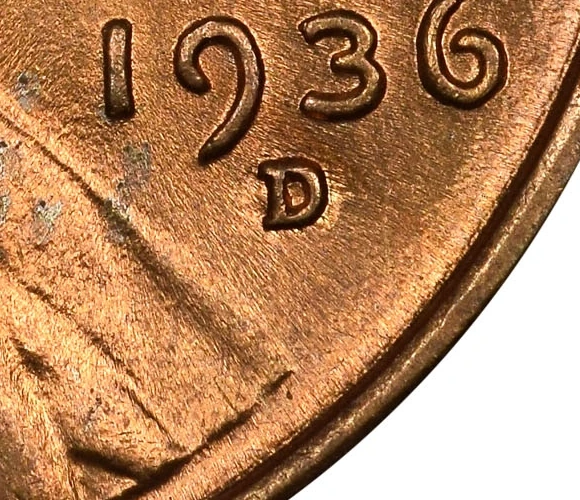
Read the mint below 1936
Philadelphia has no letter; Denver has D and San Francisco S. Inspect the area below the date under angled light. An abrasion or filled letter is not evidence that a coin came from a different mint.
Keep the two Proof surfaces separate
A Satin Proof does not need the mirror appearance of a Brilliant Proof. Conversely, a polished circulation cent can look reflective. Authentication depends on the complete manufacture and surface evidence, rather than shine alone.
Treat doubling as an attribution question
NGC records multiple doubled-die obverses for the date. Match the particular die’s raised separation and markers before using its prices. Ordinary mint photographs here identify the date and mint, not a certified doubled die.
Condition & value
Amounts are in U.S. dollars. The final column gives each source row’s update date (month/day/year), separate from the access date of November 13, 2026. Published guides are reference estimates, not guaranteed buying offers or seller net proceeds. Obtain recent like-for-like completed comparisons for an actual transaction.
MS means Mint State. The ordinary table uses Brown (BN) copper entries; Red-Brown (RB), Red (RD), Proofs and attributed varieties are separate.
| Issue | Grade / condition | USD reference | Basis | Source updated |
|---|---|---|---|---|
| 1936 no mark BN | Good | $0.10 | NGC retail guide | 07/12/2020 |
| 1936 no mark BN | Fine | $0.20 | NGC retail guide | 07/12/2020 |
| 1936 no mark BN | Extremely Fine 40 | $1 | NGC retail guide | 07/12/2020 |
| 1936 no mark BN | MS63 | $4 | NGC retail guide | 07/12/2020 |
| 1936 no mark BN | MS65 | $8.50 | NGC retail guide | 07/12/2020 |
| 1936-D BN | Good | $0.15 | NGC retail guide | 07/12/2020 |
| 1936-D BN | Fine | $0.30 | NGC retail guide | 07/12/2020 |
| 1936-D BN | Extremely Fine 40 | $1 | NGC retail guide | 07/12/2020 |
| 1936-D BN | MS63 | $5.50 | NGC retail guide | 07/12/2020 |
| 1936-D BN | MS65 | $13.50 | NGC retail guide | 07/12/2020 |
| 1936-S BN | Good | $0.15 | NGC retail guide | 07/12/2020 |
| 1936-S BN | Fine | $0.50 | NGC retail guide | 07/12/2020 |
| 1936-S BN | Extremely Fine 40 | $1.25 | NGC retail guide | 07/12/2020 |
| 1936-S BN | MS63 | $7.75 | NGC retail guide | 07/12/2020 |
| 1936-S BN | MS65 | $14 | NGC retail guide | 07/12/2020 |
Brown, Red-Brown and Red
The table uses Brown (BN) references so that an ordinary toned coin is not priced from a bright Red (RD) gem. Original remaining color, spots, contact marks and wear all matter; cleaning cannot restore a grading service’s original-color designation.
Satin and Brilliant Proof references
NGC’s separate Brown Proof guides list PF63 at $300 for Satin (updated August 31, 2014) and $320 for Brilliant (same date). These old entries establish different markets, not a 2026 appraisal. Compare the correct finish, color and certified grade with recent completed transactions.
Errors and altered surfaces
Price an attributed doubled die separately from the ordinary rows. Flat shelf-like doubling, corrosion and polishing do not establish that attribution. A high asking price without a completed sale is not a useful substitute.
Photograph both faces under even light and record the visible date and mint mark. HeriBase can help organize an initial photo-based identification; verify important mint, finish and variety details against the references before using a price. An app result is not a certified grade, authentication or purchase offer.
Summary
Mint State color, a confirmed doubled die, and the separate Satin or Brilliant Proof format can change the comparison substantially. A blank mint-mark position is normal for Philadelphia and does not itself create a rare error. Match the complete issue and condition to a dated reference before seeking a current offer.
FAQ
Is a 1936 penny with no mint mark rare?
No. The blank area below the date is the normal Philadelphia configuration. Condition and an attributed variety matter more than the absence of a letter.
How much is a circulated 1936 penny worth?
NGC’s July 12, 2020 Brown references list the Philadelphia issue at $0.10 in Good and $1 in XF40. These are dated retail estimates, not current purchase offers.
Were there 1936 Proof pennies?
Yes. Satin and Brilliant Proofs are separate collector issues; neither should be identified by brightness alone.
Does doubled lettering guarantee a valuable 1936 error?
No. A recognized doubled-die attribution requires the correct diagnostics. Damage and machine doubling can be mistaken for it.
References
References and further reading
- NGC: 1936 1C MS specifications, issue analysis and dated guide
- NGC: 1936 D 1C MS specifications, issue analysis and dated guide
- NGC: 1936 S 1C MS specifications, issue analysis and dated guide
- NGC: separate collector Proof issue and dated guide
- NGC: 1936 Satin Proof, separate finish and dated guide
References accessed November 13, 2026. Guide update dates, source publication dates and sale dates are distinct. No independent examination or current buying offer for a reader’s coin is implied.