

 App Store

COIN VALUE GUIDES · PENNIES
1910 Penny Value:Philadelphia, 1910-S and Matte Proofs
Distinguish the two circulation issues, avoid a nonexistent regular 1910-D, and separate Matte Proofs from ordinary wheat cents.
 HeriBase TeamPublished
In this article
Quick answer
A 1910 penny’s mint makes a meaningful difference. NGC’s July 24, 2023 Brown guide lists a Philadelphia coin at $2.50 in Good and $10 in XF40, versus $17.50 and $60 for 1910-S in those grades. Problem-free surfaces and an intact readable date are assumed; actual buying offers differ.
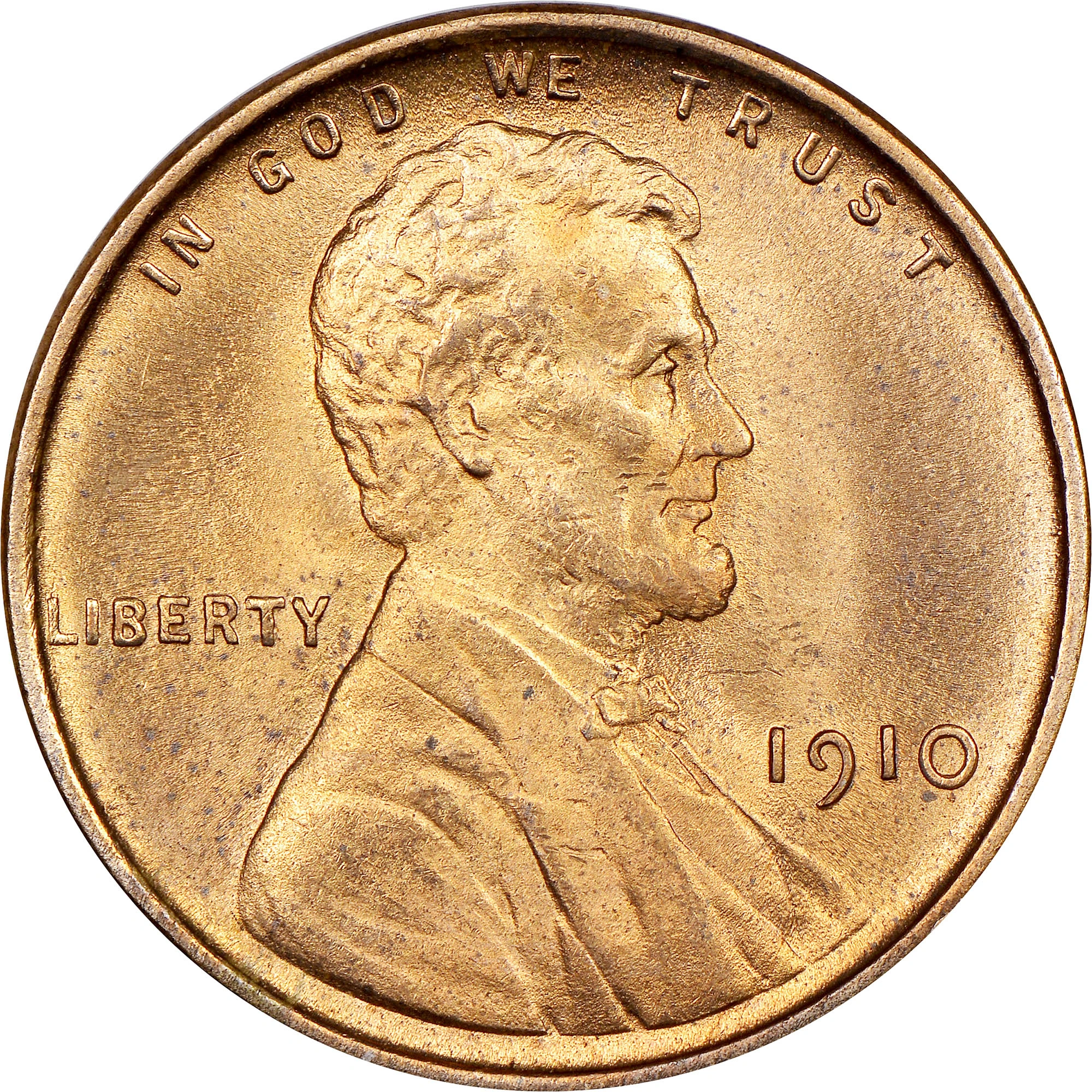
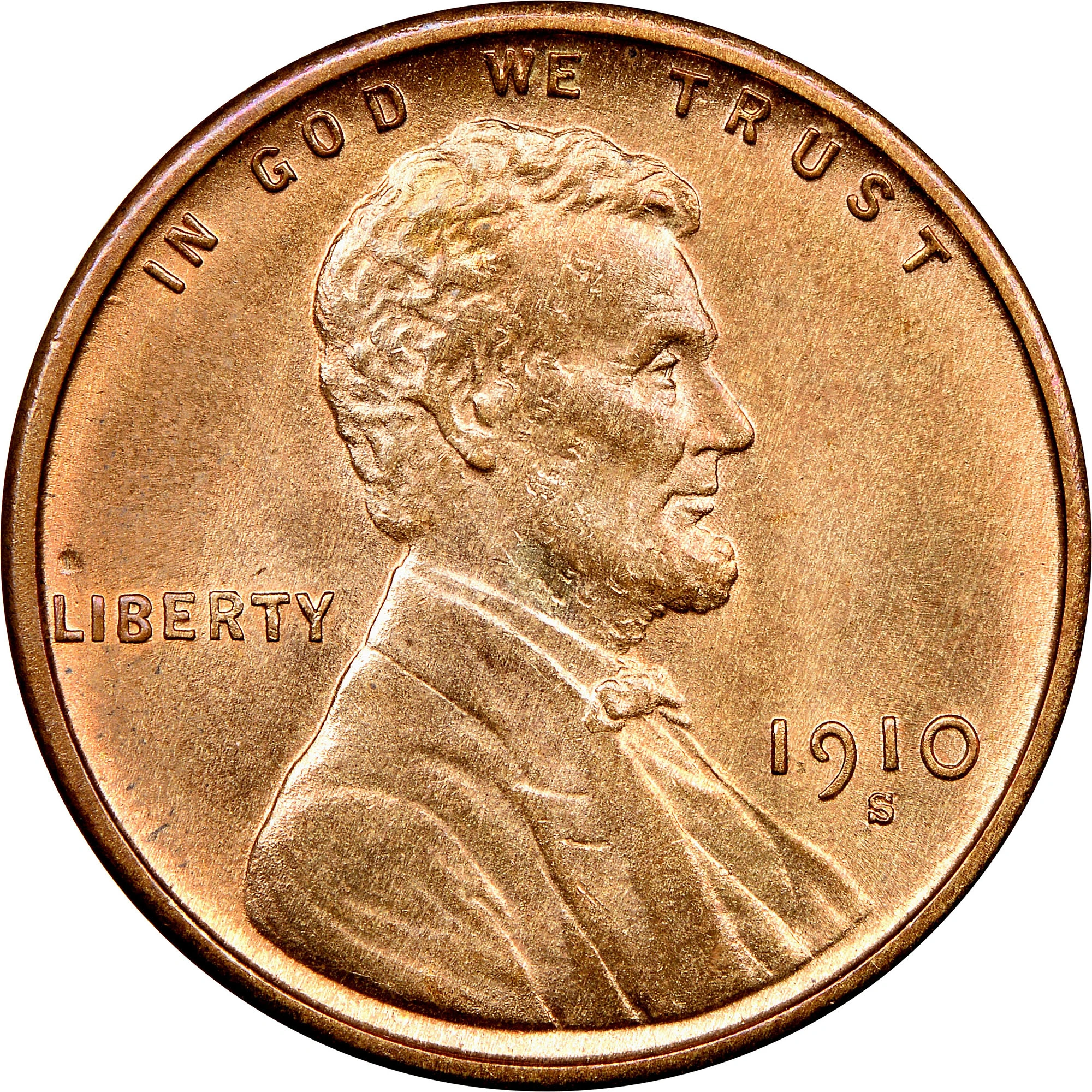
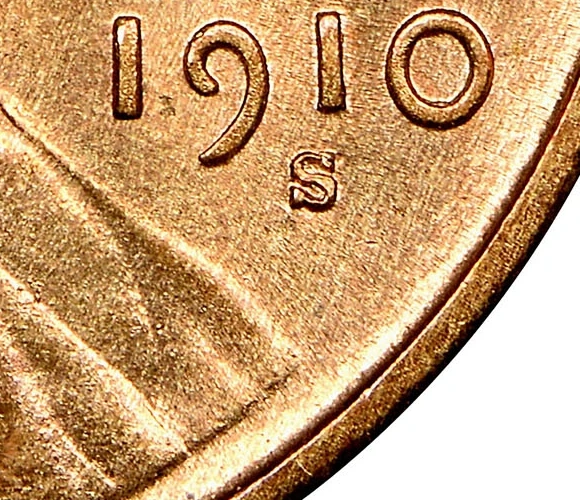
Philadelphia has no mint letter and San Francisco has S beneath the date. There was no regular 1910-D cent. Matte Proofs and original-color Mint State coins must be compared separately from these worn Brown references.
Coin photos
Basics & coin story
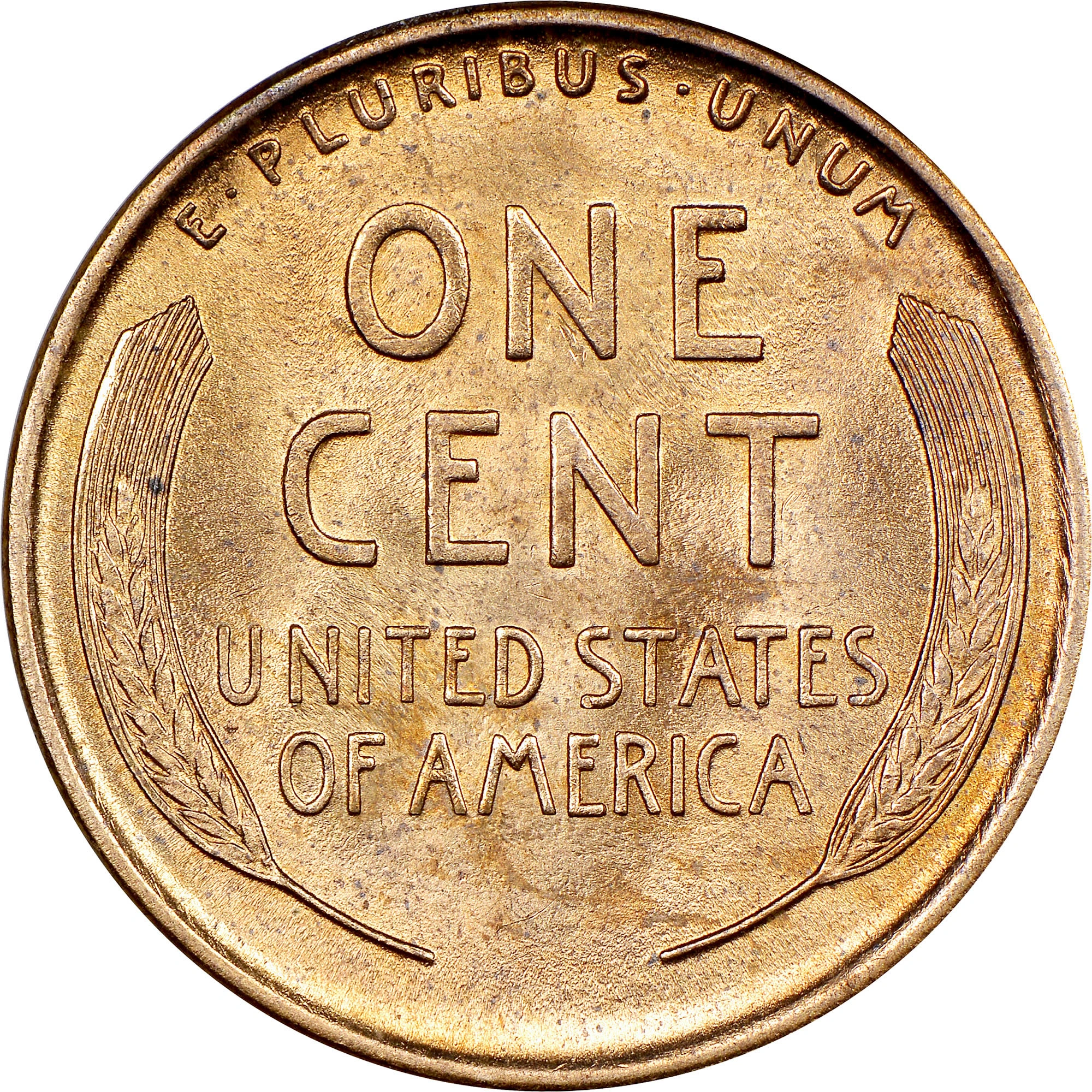
1910 was the Lincoln cent’s second year, after the novelty and design changes of 1909. Philadelphia produced 146,801,218 circulation cents, compared with San Francisco’s 6,045,000.
The lower S-mint output makes the mint letter important, but survival and grade still govern the comparison. A year alone is not enough to identify a coin’s market category. The wheat penny series guide explains the shared design.
| Feature | What to check |
|---|---|
| Type / denomination | 1910 Lincoln wheat cent / one cent |
| Designer | Victor David Brenner |
| Standard alloy | 95% copper; 5% tin and zinc (bronze) |
| Nominal weight / diameter | 3.11 g / 19 mm |
| Edge | Plain |
| Mint-mark position | Obverse below the date |
Identification
Identify a normal blank or an S
Examine below 1910 on the obverse. A genuine S identifies San Francisco. A supposed 1910-D needs rechecking of the date, alteration and authenticity rather than a price lookup for an ordinary Denver issue.
Do not import the 1909 VDB varieties
The 1910 issue is not a missing-VDB mint error. Do not apply 1909-S VDB prices to this date or assume an absent reverse initial group establishes rarity.
Matte Proofs are not mirror tests
The 1910 collector Proof has a matte surface treatment. Authentication requires manufacture and die evidence; ordinary roughness, a strong strike or an apparently broad rim alone is insufficient.
Condition & value
Amounts are in U.S. dollars. The final column gives each source row’s update date (month/day/year), separate from the access date of November 13, 2026. Published guides are reference estimates, not guaranteed buying offers or seller net proceeds. Obtain recent like-for-like completed comparisons for an actual transaction.
MS means Mint State. The ordinary table uses Brown (BN) copper entries; Red-Brown (RB), Red (RD), Proofs and attributed varieties are separate.
| Issue | Grade / condition | USD reference | Basis | Source updated |
|---|---|---|---|---|
| 1910 no mark BN | Good | $2.50 | NGC retail guide | 07/24/2023 |
| 1910 no mark BN | Fine | $5 | NGC retail guide | 07/24/2023 |
| 1910 no mark BN | Extremely Fine 40 | $10 | NGC retail guide | 07/24/2023 |
| 1910 no mark BN | MS63 | $40 | NGC retail guide | 07/24/2023 |
| 1910 no mark BN | MS65 | $135 | NGC retail guide | 07/24/2023 |
| 1910-S BN | Good | $17.50 | NGC retail guide | 07/24/2023 |
| 1910-S BN | Fine | $25 | NGC retail guide | 07/24/2023 |
| 1910-S BN | Extremely Fine 40 | $60 | NGC retail guide | 07/24/2023 |
| 1910-S BN | MS63 | $155 | NGC retail guide | 07/24/2023 |
| 1910-S BN | MS65 | $325 | NGC retail guide | 07/24/2023 |
Circulated Philadelphia versus San Francisco
Keep the mints separate throughout grading. A worn S may be a more substantial collectible than a similarly worn Philadelphia example, but corrosion, cleaning and an unreadable mint letter can undermine a straight-grade comparison.
Mint State and original color
The July 24, 2023 BN guide lists MS63 at $40 for Philadelphia and $155 for San Francisco. These are ordinary Brown entries. Red-Brown, Red and exceptional grades should be compared within their own categories.
Matte Proofs and mint-mark varieties
NGC’s separate Brown Matte Proof guide lists PF63 at $650, updated May 15, 2025; confirm manufacture and obtain recent comparisons. Use a confirmed attribution for any repunched S. The ordinary issue photographs are not offered as Proof or repunched-mark examples. Seek independent examination before paying a special-issue premium.
Photograph both faces under even light and record the visible date and mint mark. HeriBase can help organize an initial photo-based identification; verify important mint, finish and variety details against the references before using a price. An app result is not a certified grade, authentication or purchase offer.
Summary
Philadelphia has no mint letter and San Francisco has S beneath the date. There was no regular 1910-D cent. Matte Proofs and original-color Mint State coins must be compared separately from these worn Brown references. Match the complete issue and condition to a dated reference before seeking a current offer.
FAQ
Is there a 1910-D wheat penny?
There was no regular Denver cent issue in 1910. Recheck any apparent D and the full date.
How much is a 1910-S penny worth?
NGC’s July 24, 2023 Brown guide lists $17.50 in Good and $60 in XF40; current offers require an assessment of condition and surfaces.
Is a 1910 penny with no VDB an error?
No. The absence of the 1909 reverse VDB initials is normal on a 1910 cent.
Does a 1910 Proof have to look mirrored?
No. The date’s collector Proof has a matte treatment, and appearance alone does not authenticate it.
References
References and further reading
- NGC: 1910 1C MS specifications, issue analysis and dated guide
- NGC: 1910 S 1C MS specifications, issue analysis and dated guide
- NGC: separate collector Proof issue and dated guide
References accessed November 13, 2026. Guide update dates, source publication dates and sale dates are distinct. No independent examination or current buying offer for a reader’s coin is implied.