

 App Store

COIN VALUE GUIDES
1870-S Seated Liberty Dollar: Records, Provenance and Identification
Understand the 1870-S silver dollar’s exceptional production record, read specimen pedigrees, and separate this rarity from ordinary Seated dollars and other 1870-S denominations.
 HeriBase TeamPublished
In this article
Why is the 1870-S Seated Liberty dollar important?
The 1870-S Seated Liberty dollar is a rare San Francisco silver-dollar issue whose surviving coins require specimen-by-specimen research. Its production history is not a routine recorded circulation mintage. Confirm the dollar denomination, date and genuine S, then compare provenance and condition; a half dime, gold dollar or ordinary Seated dollar is a different coin.
Reviewed November 13, 2026. Historical figures retain their stated dates, currency and comparison limits.
Which real features should I compare?
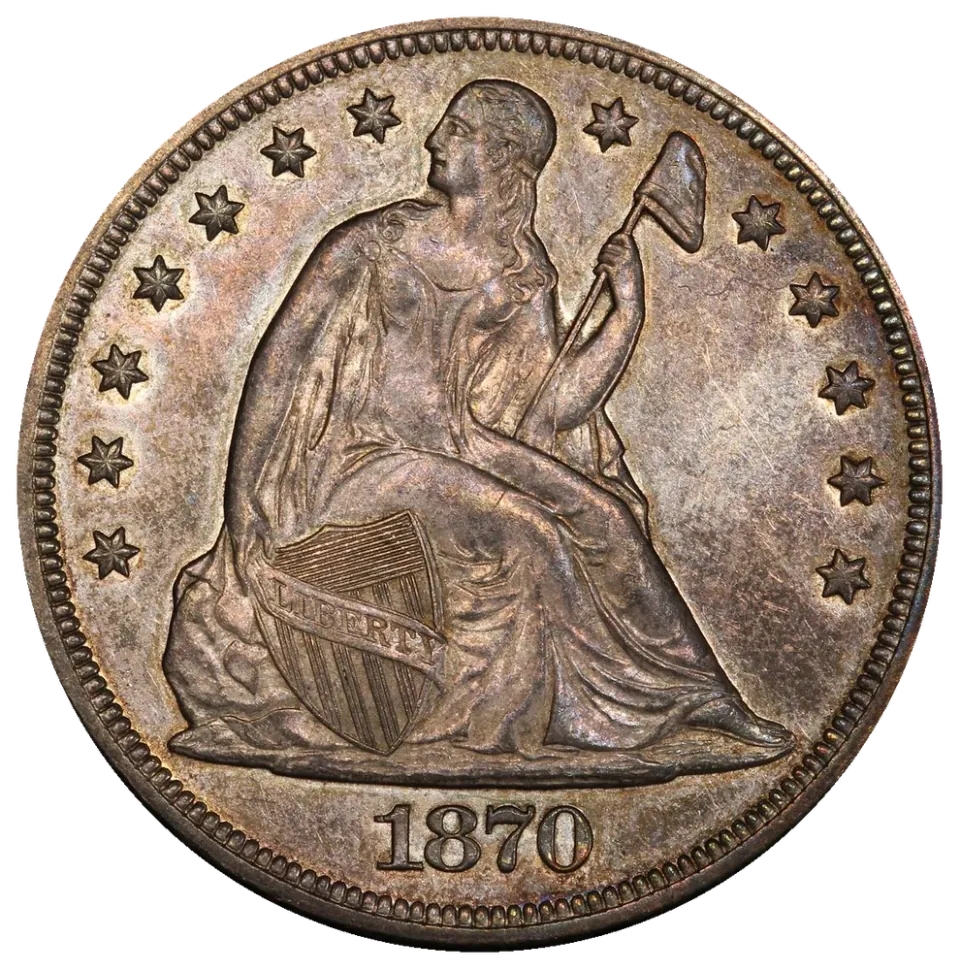
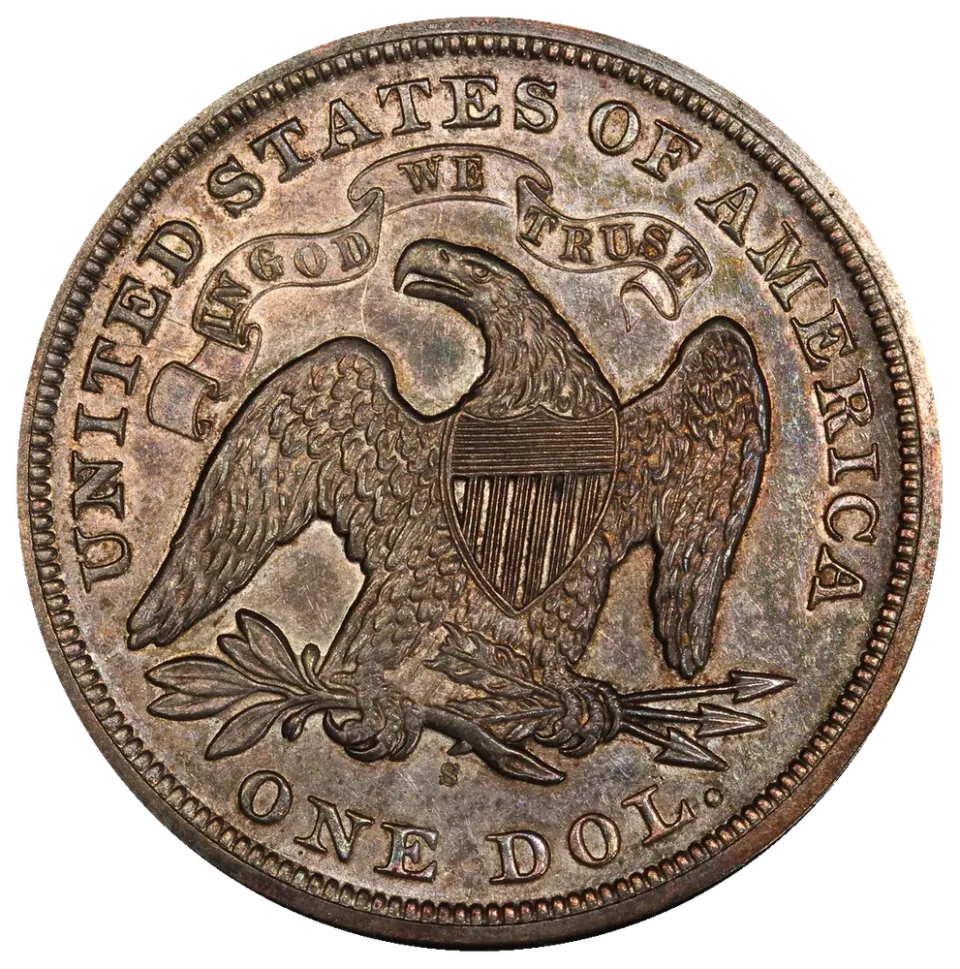
What background helps identify the object?
Why does its production record need careful wording?
San Francisco’s 1870 coinage includes several distinct numismatic puzzles. The Seated Liberty dollar is one of them, but stories concerning a cornerstone, a unique half dime or a three-dollar gold coin must not automatically be transferred to this denomination. A hypothesis about why coins were made is different from a surviving document proving the number struck.
PCGS displays an estimated mintage field and a separate survival estimate for the issue. Neither should be presented as a newly audited list of individually traced coins. Rather than publishing a supposedly permanent count, this guide focuses on identifiable specimens and dated documentary chains. The Seated Liberty dollar series guide supplies the normal design context.
How do the issues and evidence compare?
How do I identify the correct denomination?
| Object | Design / denomination | Mint check | Evidence required | Wrong comparison |
|---|---|---|---|---|
| Seated Liberty silver dollar | Seated Liberty; ONE DOL | S below eagle | Date, mint, die details and pedigree | Unique 1870-S half dime |
| Seated Liberty half dime | Much smaller silver denomination | Its own mint position | Half-dime catalog attribution | Dollar auction results |
| Gold dollar | Small gold one-dollar type | Its own reverse mint letter | Gold-dollar identification | Seated silver dollar |
| Other Seated dollar date / mint | Similar broad design | Read exact year and letter | Correct issue and condition | A price based only on the seated figure |
What is a pedigree, and how should I read one?
A pedigree records ownership and sale appearances of an identifiable specimen. For an exceptional rarity, compare photographs, scratches, toning, strike and other stable identifying features across appearances. A familiar collection name is useful only when documents connect it to this particular coin. It is not a grade and cannot substitute for authentication.
One PCGS census chain links a Mint State example through James A. Stack, the Rudolph collection, a May 2003 Stack’s sale and the Legend collection. That is an example of documentary research, not an instruction to assign those owners to every 1870-S dollar. A second specimen’s history must be followed independently.
Which dated sales can be compared?
| Specimen / record | Recorded condition | Published amount | Date / auction | Comparison limit |
|---|---|---|---|---|
| PCGS documented census chain | BU in historical auction record | $1,092,500 | Stack’s, May 14, 2003 | Historical description; do not invent a new numerical grade |
| Heritage 1356, lot 3766 | NGC XF40; OC-1 | $420,000 | Jan. 12, 2023 | Separate individual and condition |
The two amounts do not measure a market change for the same coin or the same grade. Different preservation, originality, pedigree and sale settings affect results. The original Heritage lot is the date authority for the second entry; an aggregated auction-session date may differ. Keep the original record and fee convention with any comparison.
What should I do with an apparent discovery?
Do not clean, scratch-test or remove metal from it. Record both faces and the edge, weight and dimensions, then seek recognized specialist examination. A photograph may suggest whether the design and date are plausible, but cannot establish the metal, a genuine mint mark or a complete provenance. For screening records, see coin appraisal preparation.
The 1804 dollar guide concerns a different historical problem and different classes of coin. A strong story about either rarity should never replace the physical and documentary identity of the object in hand.
What should I check in three steps?
- 01Confirm a Seated Liberty silver dollar, 1870 date and reverse S; exclude different denominations before comparing rarity claims.
- 02Photograph stable specimen features and record any documents. Keep estimated mintage, survival estimates and known pedigrees as separate evidence types.
- 03Seek specialist authentication and trace matching sale appearances. Compare dated individual results without treating them as one universal price.
What should I remember?
Research the 1870-S silver dollar as an individual specimen with a documented history. Do not merge its records with the half dime or gold issues, and do not turn an estimate into a permanent census. Authentication, preservation and an evidenced pedigree come before valuation.
What else do collectors ask?
Is the 1870-S dollar the same as the unique half dime?
No. They are different denominations and require different catalog and provenance research.
Can an estimated mintage be treated as a proven survivor count?
No. Production estimates, survival estimates and documented specimen lists answer different questions.
Where is the S on a Seated Liberty dollar?
On the reverse beneath the eagle. Its genuine form and relationship to the rest of the coin require examination.
What did Heritage lot 3766 sell for?
The NGC XF40 OC-1 specimen sold for a published $420,000 on January 12, 2023. That is an individual historical result.
Does a famous collection name prove the grade?
No. A pedigree documents history when supported; grade describes preservation. Neither alone establishes the other.
Should I clean a possible rare dollar?
No. Preserve its surfaces and obtain specialist authentication before any treatment or valuation.
Which references support this guide?
References and further readingExpand
- PCGS: 1870-S Seated dollarIssue identity, estimates, census chain and historical 2003 transaction.
- Heritage 1356 lot 3766NGC XF40 OC-1, $420,000, January 12, 2023.
- NGC Auction Central: 1870-S dollarsSecondary navigation to original specimen auction records; session dates can differ.