

 App Store

COIN VALUE GUIDES · DOLLAR GUIDES
1804 Silver Dollar:Why Its Date, Classes and Provenance Matter
Understand when genuine 1804 dollars were made, distinguish the three classes, and interpret a named auction result without pricing replicas as rarities.
 HeriBase TeamPublished
In this article
Quick answer
The famous 1804 silver dollar was not struck as an ordinary circulating dollar in 1804. The original Class I pieces were made in the 1830s for diplomatic presentation sets. Fifteen genuine examples are recognized across three classes: eight Class I, one Class II and six Class III.
A named Class I specimen, the Sultan of Muscat–Watters–Brand–Childs–Pogue coin graded Proof 68 by PCGS, sold for a reported $7.68 million on August 17, 2021 at Stack’s Bowers. That historical auction total is not a valuation for a coin with an apparent 1804 date. Replicas, altered dates and other modern objects must be excluded first.
Coin photos
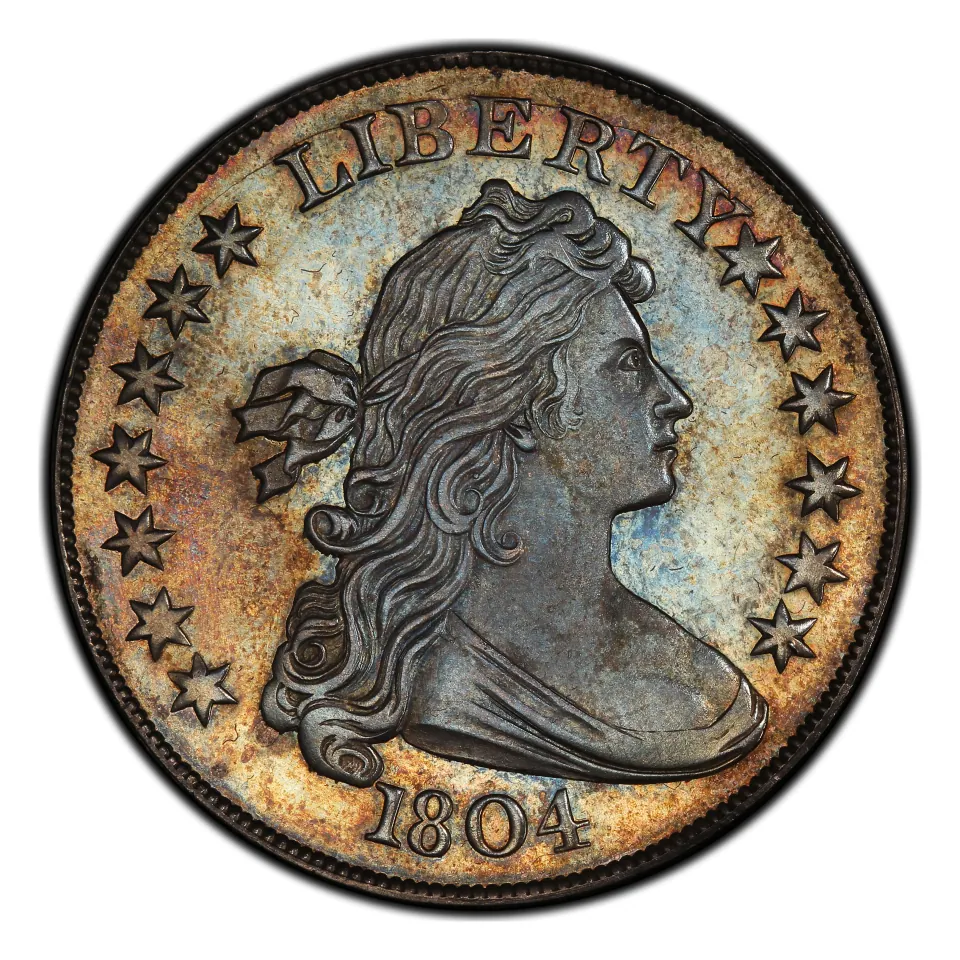
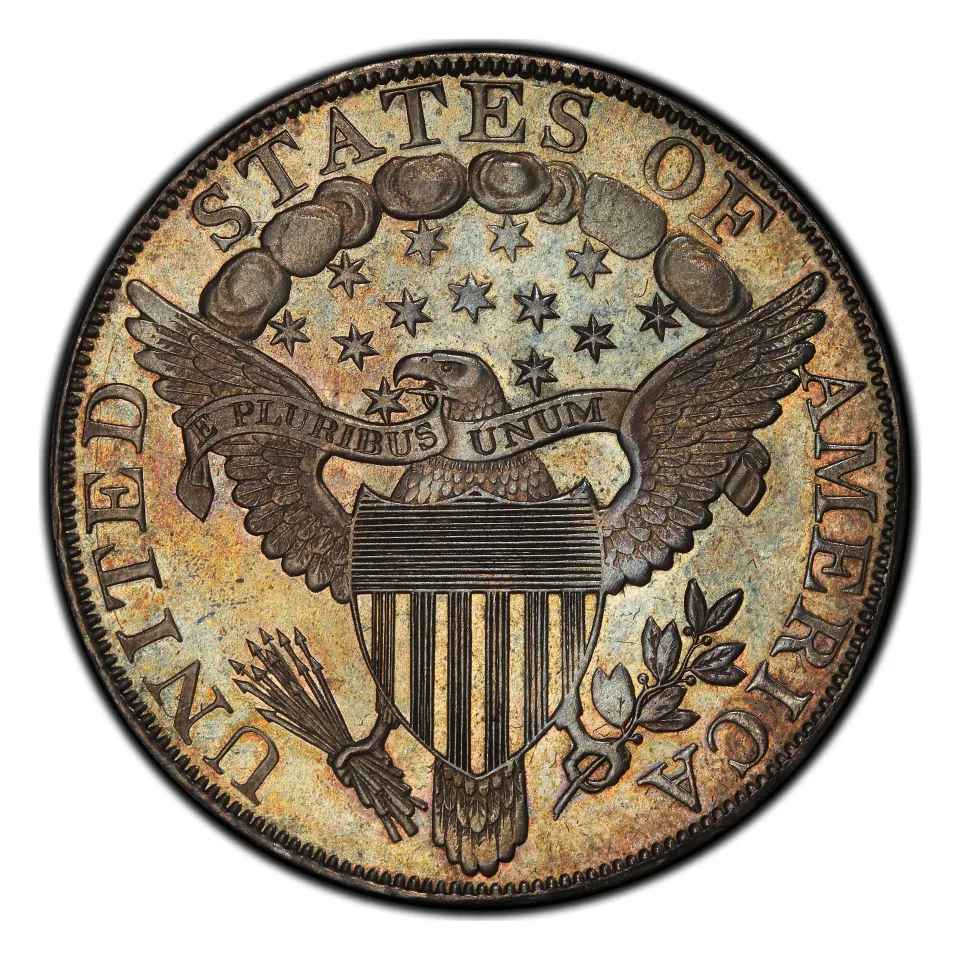
Basics & coin story
The Mint’s records reported silver dollars coined in 1804, but those were made with an earlier date. When diplomatic coin sets were prepared in 1834, the 1804 date was used for newly struck dollars. This gap between date and manufacture is central to the coin’s history.
The Smithsonian preserves evidence of these presentation sets and their diplomatic purpose. Later restrikes created additional classes. A genuine coin’s identity therefore includes its dies, edge, manufacture and ownership history; a photograph of the date alone leaves almost all of that evidence unresolved.
| Feature | What to check |
|---|---|
| Historical denomination | $1 silver dollar; Draped Bust / heraldic eagle design |
| Class I | Eight known; original diplomatic-era strikes |
| Class II | One known; later plain-edge restrike |
| Class III | Six known; later lettered-edge restrikes |
| Date versus manufacture | 1804 is the coin date, not the Class I striking year |
| Photographed example | PCGS PR68 certificate 03459822; Sultan of Muscat–Childs–Pogue specimen |
Identification
Begin with both faces and the edge
A Draped Bust portrait and heraldic eagle are necessary design clues, but not sufficient authentication. Reproductions can copy both. Record diameter, weight and the complete edge without damaging the coin, then compare a specialist’s description of the exact class.
Class II has a plain edge; Class I and Class III have lettering. That distinction does not allow a loose coin to be authenticated merely because it has lettering. An edge can be imitated or altered, and die relationships and provenance remain critical.
Separate replicas and newer products
A piece bearing COPY, a fantasy date pairing or a different metal is not the historic silver rarity. Absence of a visible COPY mark does not establish authenticity. A modern product that repeats an old date or design needs its own issuing description and cannot borrow the historic dollar’s auction result.
Photograph the object as found, keep any packaging or purchase record, and avoid polishing or scraping it. If the design remains plausible after an initial comparison, use the coin appraisal process to reach a specialist familiar with early U.S. dollars.
Condition & value
Amounts are U.S. dollars. The named 2021 sale is a reported historical auction total, not a present-day guide or buying offer.
| Issue | Grade / condition | Value or reference | Basis | Important distinction |
|---|---|---|---|---|
| Named Sultan of Muscat Class I specimen | PCGS PR68 | $7.68 million | Stack’s Bowers, Aug. 17, 2021, lot 4114 | Reported auction total, not seller net |
| Other genuine 1804 specimen | Class, grade and pedigree | Individual transaction evidence | Specimen-specific | No universal current price asserted |
| Replica / altered date / modern tribute | Not the historic rarity | Separate product or object value | Authentication first | Cannot use the PR68 auction total |
| Unexamined claimed find | Unknown authenticity | No rarity valuation assigned | Specialist examination | A readable date is insufficient |
The $7.68 million result identifies a particular famous coin and a particular sale. It is a published total, rather than a claim about hammer price, seller proceeds or the price of every class. The sale appeared as lot 4114 in the August 2021 ANA auction. Compare the auction’s terms before treating the reported total as an amount a seller would receive.
For an ordinary historic dollar, begin with the actual design and date instead of this exceptional benchmark. The Morgan dollar guide and Peace dollar overview address the much later silver dollars commonly found in inherited collections.
Summary
An 1804 date does not prove an 1804 dollar. Genuine examples belong to a tiny, documented group made after their stated date. Preserve the complete object and its records, seek specialist authentication, and treat the 2021 PR68 sale as a named historical result rather than a universal price.
FAQ
Were genuine 1804 silver dollars made in 1804?
The famous Class I dollars were made in the 1830s for diplomatic sets. Their 1804 date does not give their actual striking year.
How many genuine 1804 dollars are known?
Fifteen examples are recognized: eight Class I, one Class II and six Class III.
Is every 1804 dollar worth $7.68 million?
No. That reported result belongs to the named PCGS Proof 68 Sultan of Muscat Class I specimen sold on August 17, 2021. Replicas and other specimens cannot inherit its price.
Can an edge photograph authenticate one?
No. The edge is useful evidence, but dies, manufacture, measurements and provenance also require specialist examination.
References
References and further reading
- PCGS: photographed issue, specifications and guide
- Smithsonian: diplomatic-set dollar history
- Stack’s Bowers: named PR68 sale and reported total
- Stack’s Bowers: lot 4114 and Class I reference
- Stack’s Bowers: 1804 dollar census discussion
Sources checked October 21, 2026. Retail guides and historical sales are identified separately; neither guarantees a buying offer.