

 App Store

COIN ERRORS & VARIETIES
Missing Clad Layer Coins:Copper Color, Weight and Edge Checks
Learn how to screen a dime, quarter or half dollar for a missing clad layer by comparing both faces, the edge and an appropriate weight reference.
 HeriBase Editorial TeamPublished
In this article
Quick answer
A full missing clad layer can leave one face copper-colored and reduce the weight of a clad coin. An exposed copper stripe along the edge of a normal dime or quarter is expected. Look for evidence across the faces and edge as well as a meaningful weight difference.
Start with the exact issue. Silver coins and copper-plated zinc cents have different structures, and an altered or damaged surface may resemble a missing layer.
Specimen photos
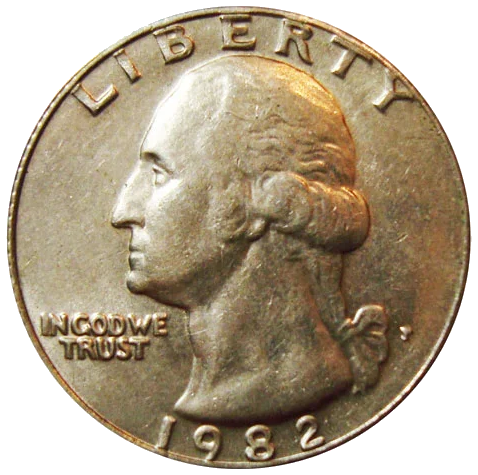
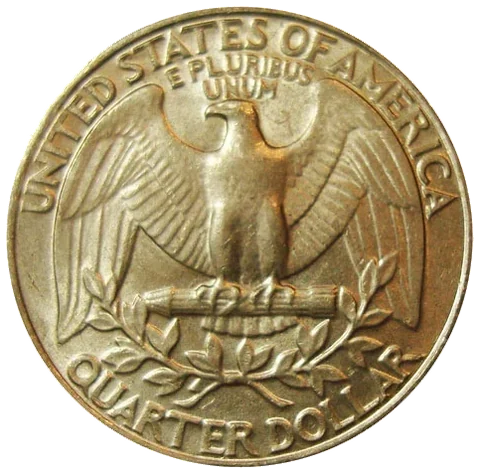
How it happens
From 1965, regular U.S. dimes and quarters moved to a copper core sandwiched between copper-nickel outer layers. Later clad issues, including common Kennedy half dollars from 1971, use the same general layered construction. Where a layer fails to bond or a strip fails to cover a region, exposed copper can appear on part or all of a face.
PCGS describes a typical full single-layer omission as approximately 15% lighter than normal. Treat this as a screening clue. A partial omission can change the weight less, and wear, denomination and manufacturing tolerances affect comparisons. The photos above show a normal reference coin. The attributed examples below link to their original records.
| Type | Location or shape | What to check | Comparison |
|---|---|---|---|
| Normal clad coin | Both faces usually look silver-colored | A copper-colored line can be visible on the edge | Compare the published weight for the exact issue |
| Full single missing layer | One face can show copper across most or all of the design | Meaningfully lighter than a comparable normal piece | Check the other face, edge and preserved strike detail |
| Partial missing layer | Part of the face exposes copper | Weight change can be smaller | Check where the color boundary crosses the design |
| Toning, plating or surface loss | Color can change on part or all of a face | Weight varies with the cause | Look for pitting, coating, altered texture or exposed metal at wear points |
Identification
Identify what the coin was made of
Read the date, mint mark and finish. A standard 1982 quarter nominally weighs 5.67 g; a standard clad Roosevelt dime weighs about 2.27 g. Check collector editions individually.
Weigh against a normal control
Use a calibrated scale. Take several readings and compare a similarly worn normal coin. Write down the observed weight without rounding it into the expected range.
Photograph color boundaries and the edge
Use the same white balance and lighting on both faces. Include the edge around any suspect area. Surface color and a single photograph leave alternatives unresolved.
Documented cases and value
GreatCollections lot 1654726 records an NGC MS64 1986-P Roosevelt dime attributed missing the reverse clad layer. The public page identifies the specimen, grade and date of sale, but the realized price requires sign-in. PCGS also illustrates an attributed Kennedy half dollar with a missing obverse layer. Compare sales for the same denomination, affected face and extent before estimating a premium.
Use the 1986-P dime error guide for the individual dime case and the 1982 quarter guide for normal quarter identification and weight.
Summary
Match coin construction, weight and surface evidence. Keep both faces and the whole edge in view, and compare the suspected error with a documented specimen before pricing it.
Frequently asked questions
Does a copper edge prove a missing clad layer?
No. A visible copper core line is normal on many clad coins. Check the faces and weight for additional evidence.
How light should a missing clad layer coin be?
A full single-layer omission is often about 15% under normal weight. Partial cases vary, so this figure is a screening clue.
Can a worn coin turn copper-colored?
Wear, corrosion, chemical exposure and coatings can alter surface appearance. Compare texture, weight and the edge before classifying the coin.
Is a zinc cent with missing copper plating the same error?
Its construction is different. Assess it as a copper-plated zinc cent and use comparables specific to that mechanism.