

 App Store

COIN IDENTIFICATION
How to Tell If a Coin Is Silver:Dates, Edges and Safe Tests
Identify the issue first, compare the correct silver years and measurements, and learn which home tests cannot prove a coin’s composition.
 HeriBase TeamPublished
In this article
Quick answer
Identify the coin’s country, denomination, date and issue, then compare its documented composition, weight and edge. A silver color, non-magnetic response or ringing sound alone cannot prove silver. Avoid scratches, acid or polishing on a collectible coin.
For familiar U.S. issues, modern circulating dimes and quarters dated through 1964 are 90% silver; Kennedy halves dated 1965–1970 are 40%. Wartime nickels and collector issues require additional checks.
Coin reference photos
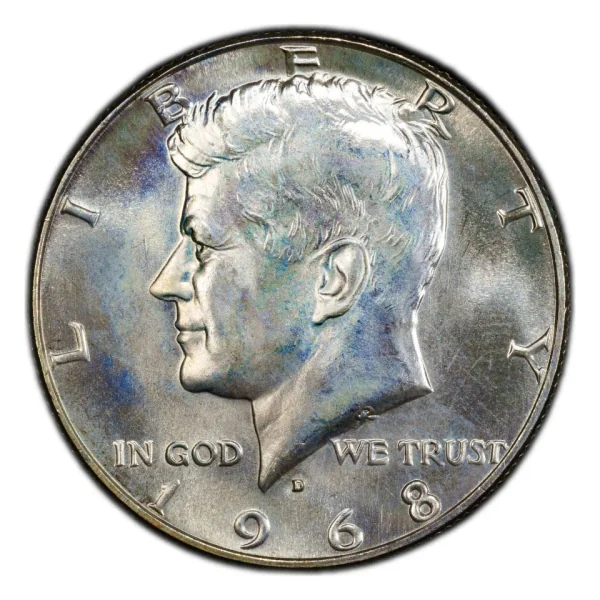
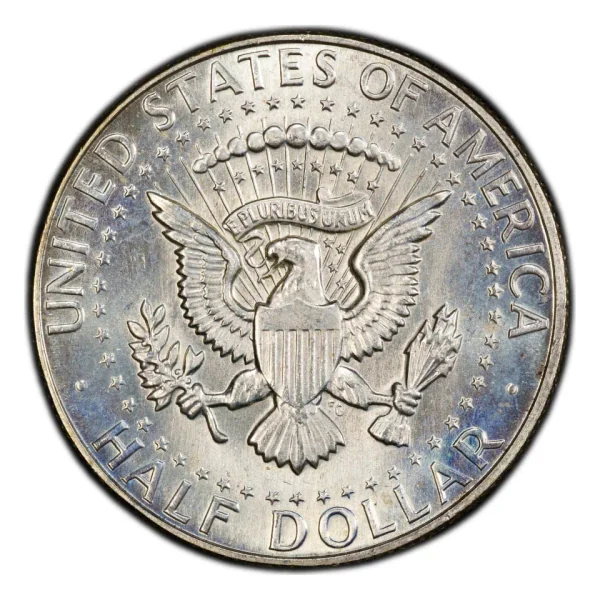
Why silver content changed
Changes in coin metal leave visible historical clues. Rising silver demand and a coin shortage accompanied the United States’ 1965 transition away from silver circulating dimes and quarters. The half dollar initially retained a silver-clad construction rather than switching immediately to the same base-metal structure.
That history explains why “before or after 1964” works as a useful first sort for some U.S. denominations but fails as a universal rule. A nickel has a different transition, a modern silver Proof can share a date with a clad coin, and coins from other countries follow their own issue specifications.
How can you check without damaging the coin?
Step 1: Which exact issue do I have?
Photograph both sides and identify country, denomination, date and mint mark. Use the documented composition for that specific issue. Limit the familiar U.S. 1964 rule to the relevant modern circulating dimes and quarters; it is not a rule that every older coin, every nickel or every world coin is silver.
Step 2: What can the edge tell me?
Many copper-nickel-clad U.S. coins show a copper-colored band along the edge. A documented silver issue often has a more uniform appearance. This is a screening clue, not chemical proof: toning, plating, wear and silver-clad construction complicate appearances. A photograph of only the front cannot inspect the edge.
Step 3: Do weight and size agree?
Use a scale appropriate to the specification and measure diameter without scraping the surface. Compare the same issue, allowing for normal wear and manufacturing tolerances. A correct weight alone does not rule out a counterfeit, while a wrong weight means the identification needs rechecking before a silver claim is made.
Why is a magnet not enough?
Silver is not strongly attracted to an ordinary magnet, but many non-silver coin metals also fail to stick. A strong attraction can contradict an expected silver alloy; a lack of attraction cannot prove it. Keep magnets and tests from dragging across the coin’s surface.
Which tests should I avoid?
Do not file the rim, scratch a test mark, apply acid, bleach the surface or drop a coin to hear a ring. These actions can destroy collectible evidence or add damage. For a potentially valuable or disputed coin, ask an experienced dealer or grading service about non-destructive examination; X-ray fluorescence is a surface analysis and also has limitations.
How do silver content and value differ?
| Issue / check | Condition / identification | Value / composition | Evidence / basis | Comparison limit |
|---|---|---|---|---|
| Modern U.S. dimes and quarters | Regular circulation dates through 1964 | 90% silver | Date plus exact issue identification | Later silver collector Proofs are separate |
| Kennedy half dollar | 1964 / 1965–1970 | 90% / 40% silver | Match the date and issue | Ordinary 1971 onward circulation strikes are clad |
| Wartime Jefferson nickel | 1942–1945; large P, D or S over Monticello | 35% silver | Large reverse mint mark is the key check | Not every 1942 nickel is silver |
| Modern collector issues | Exact silver Proof or bullion issue | Use its published fineness | Mint specifications and packaging provenance | An S mint mark alone is not enough |
| World coins / uncertain pieces | Country, denomination and date | Research the actual alloy | Issue-specific catalog or issuer | Color and a magnet do not settle composition |
Silver content and collectible value answer different questions. For a documented silver coin, a metal-content estimate is weight in grams × silver fraction ÷ 31.1034768 × silver price per troy ounce. Use the total alloy fraction, not just the color of the outer layer. This produces a contained-metal reference, not a guaranteed dealer offer.
A rare date, original surface or recognized variety may carry a premium beyond metal value. Fees and dealer spreads also affect proceeds. The silver melt calculator can help with supported issues once the identity and composition are established. Compare the 1968 40% silver half-dollar guide for an issue-specific example, and the cleaned-coin guide before attempting to brighten a dark surface.
The pictured 1968-D half dollar is a 40% silver reference, not a photograph of a magnet, edge or chemical test. The images show the date and mint mark used to choose the right specification; no home test is claimed to have been performed on that specimen.
Summary
Identify first, use edge and measurements as supporting checks, and leave valuable surfaces untouched. Seek professional examination when the issue or alloy remains uncertain. Calculate metal value only after establishing composition, then consider any collectible premium separately.
Frequently asked questions
Does a silver-colored coin contain silver?
Not necessarily. Copper-nickel, plated pieces and other alloys can look silver. Match the exact coin issue and published composition.
Does passing a magnet test prove silver?
No. Many non-silver alloys are not strongly attracted to a magnet. Lack of attraction is not a positive silver identification.
Are all 1964 and earlier U.S. coins silver?
No. The familiar rule applies to relevant modern circulating dimes and quarters, with separate rules for half dollars, nickels and other denominations.
Which nickels contain silver?
The wartime Jefferson issues dated 1942–1945 with a large P, D or S above Monticello contain 35% silver. Some 1942 nickels use the ordinary non-silver composition.
Does an S mint mark prove a silver Proof?
No. San Francisco issued different products. Verify the exact issue and composition rather than relying on the letter alone.
Should I use acid or a scratch test?
Avoid destructive tests on a collectible coin. A specialist can advise on non-destructive examination when identification and measurements are inconclusive.
Is melt value the price I will receive?
No. It is a contained-metal reference. Dealer spreads, fees, condition and collector premiums can make an actual transaction different.
References
References and further reading
- U.S. Mint: transition from 90% to 40% silver half dollars
- NGC: silver circulation issues and transition-date exceptions
- U.S. Mint: coinage transitions
- PCGS: 1968-D half-dollar specification
Historical sale dates and conditions are retained beside each example. References reviewed November 17, 2026; historical results are not live offers.