

 App Store

COIN VALUE GUIDES · MEMORIAL CENTS
1993 Penny Value:No Mint Mark, D, S and Error Claims
Identify 1993 Lincoln Memorial cents, separate ordinary zinc coins from collector Proofs and evaluate condition or error claims without borrowing another year’s rarity.
 HeriBase TeamPublished
In this article
Quick answer
A common circulated 1993 or 1993-D penny usually starts at its one-cent face value. Standard coins are copper-plated zinc, weigh 2.50 grams and show the Lincoln Memorial reverse. Philadelphia normally has no mint letter; D identifies Denver.
The 1993-S is a collector Proof and needs a separate comparison. Exceptional certified Mint State grades and authenticated errors can have premiums, but a red surface, missing-looking letter or unusual patch of color alone does not establish one.
Coin photos
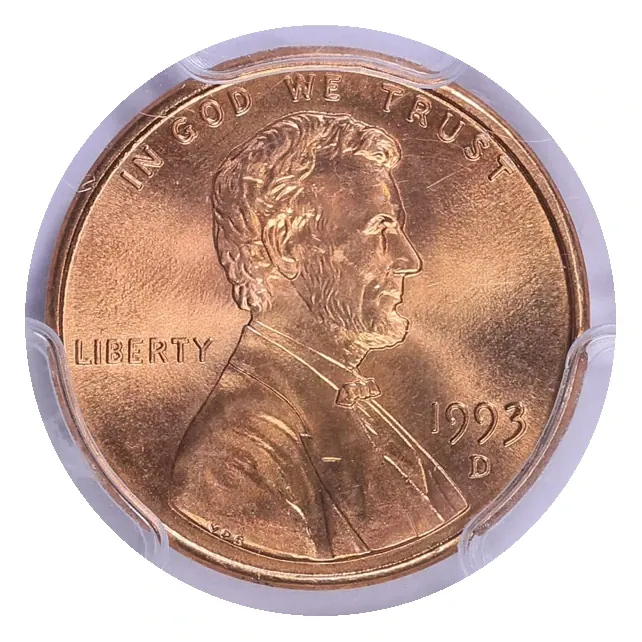
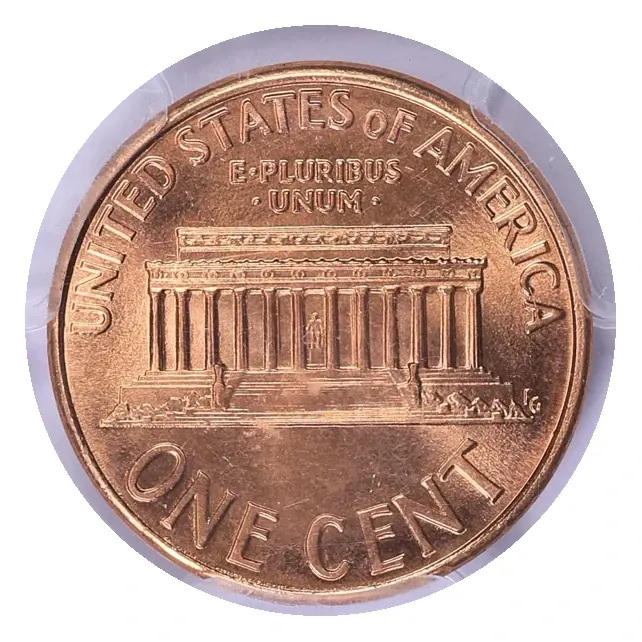
Basics & coin story
The Lincoln Memorial reverse had been in use since 1959, honoring the 150th anniversary of Lincoln’s birth. Frank Gasparro’s building design continued through 2008. Victor D. Brenner’s Lincoln portrait remained on the front, linking this modern coin to the earlier Wheat cent.
By 1993, ordinary production used the copper-plated zinc standard introduced during the 1982 transition. A copper color therefore does not mean that the coin is the older, heavier copper-rich alloy. The thin exterior coating supplies its familiar appearance.
Denver’s output exceeded six billion cents, so the D letter is not a rarity signal by itself. The exact date and actual preservation matter more than how seldom an individual collector happens to see that year. The Memorial cent series guide explains the broader composition and design changes.
| Feature | What to check |
|---|---|
| Date / denomination | 1993 / one cent |
| Obverse / reverse | Lincoln / Lincoln Memorial |
| Artists | Victor D. Brenner / Frank Gasparro |
| Standard composition | 97.5% zinc, 2.5% copper overall; copper-plated zinc |
| Nominal mass / diameter | 2.50 g / about 19 mm |
| Mint identities | No letter Philadelphia; D Denver; S collector Proof |
| Mint mark location | Obverse below the date |
| Main premium questions | Exact grade, original color, Proof status or authenticated error |
Identification
Read the date before using an AM-variety claim
The lettering spacing in AMERICA must be interpreted for the exact year and manufacture. A variety name associated with another date cannot be transferred to 1993 because two letters look close together.
For example, the well-known 1992 Close AM discussion concerns a different dated issue. For a 1993 claim, require a specific catalog attribution and its actual diagnostic features; resemblance to another year is insufficient.
Inspect the plating and the whole planchet
Exposed zinc, corrosion, bubbles, scratches and environmental color changes can make ordinary cents look unusual. A silvery patch may be a break in the copper coating rather than a rare silver composition.
A scale can flag an abnormal weight, but it cannot by itself authenticate a wrong-planchet error. Keep clear images of both sides and the edge. Do not scratch or chemically treat the coin to investigate its metal.
Separate Mint State, color and Proof
RD, RB and BN describe color categories in applicable grading systems; they are not numerical grades. A bright red coin can still have contact marks or circulation friction. MS67 and MS69 are different condition comparisons.
The pictured 1993-D was cataloged as PCGS MS67 RD. Its date, mint and grade belong to that specimen. A 1993-S Proof has a different manufacture category and should not be priced from a regular-strike row.
Condition & value
USD face-value baseline for common circulated regular strikes. No current high-grade retail range is asserted here; premium comparisons require the exact grade, color, manufacture and attribution.
| Issue | Grade / condition | Value or reference | Basis | Important condition |
|---|---|---|---|---|
| 1993 Philadelphia, no mark | Common circulated coin | $0.01 starting point | Face value | No verified premium feature |
| 1993-D | Common circulated coin | $0.01 starting point | Face value | D alone does not establish rarity |
| 1993 / 1993-D, Mint State | Exact grade and color | Use matching completed sales | Condition-specific | No unsupported raw-coin grade premium assigned |
| 1993-S | Proof grade and cameo status | Use its own Proof comparison | Collector manufacture | Not a circulation-strike price |
| Proposed error or variety | Authenticated attribution | Compare the same mechanism | Specialized market | Damage or plating changes need separate treatment |
A published top-grade record is evidence about a specific coin at a specific sale, not a normal price for cents from change. This guide does not invent a single high-grade retail range where a verified current row has not been established.
If you have a candidate for a premium, compare the exact date, mint, grade, color designation and surface status. Completed sales should include the transaction date and fee basis. A seller’s asking price or a grading label with a different date is not a substitute.
For ordinary circulated examples without a verified premium feature, one cent remains the practical baseline. Avoid cleaning to create a red appearance. The cleaning guide and grading scale help decide what deserves further review.
Summary
Identify 1993, its mint and its manufacture before researching a premium. Standard P/D coins are plated zinc and ordinarily begin at face value. Exceptional condition and genuine errors require evidence specific to the coin.
FAQ
Is a 1993 penny copper or zinc?
Standard 1993 cents are copper-plated zinc, with an overall composition of 97.5% zinc and 2.5% copper and a nominal weight of 2.50 grams.
Is no mint mark on a 1993 penny an error?
No. Philadelphia normally made 1993 cents without a mint letter.
Does a red 1993 penny automatically have a high value?
No. Color and numerical grade are different attributes. Contact marks, wear and altered surfaces still matter.
Can I apply a 1992 Close AM price to a 1993 penny?
No. Variety attribution must match the actual date, manufacture and diagnostic features. Another year’s variety name does not establish a 1993 premium.
References
References and further reading
- PCGS: 1993-D specifications and attribution
- U.S. Mint: cent composition and design history
- PCGS: Memorial-cent variety context
References consulted October 27, 2026. Price tables retain the update dates stated in the text; guide estimates, face values and completed transactions are different forms of evidence.