

 App Store

COIN ERRORS & VARIETIES
1984 Doubled Ear vs 1999 Wide AM:Two Lincoln Cent Varieties
Check the second earlobe on a 1984 Lincoln cent and the AMERICA lettering on a 1999 cent. Match the date, strike type and exact variety before pricing.
 HeriBase Editorial TeamPublished
In this article
Quick answer
Look below Lincoln’s ear on the front of a 1984 cent for the Doubled Ear variety. On a 1999 circulation cent, turn it over and check for a distinct gap between the A and M of AMERICA. The two clues are on opposite sides and belong to different dies.
Confirm the rest of the design before attributing either. A damaged ear can resemble doubling, and the wider spacing alone needs to match the correct 1999 circulation-strike reverse.
Specimen photos
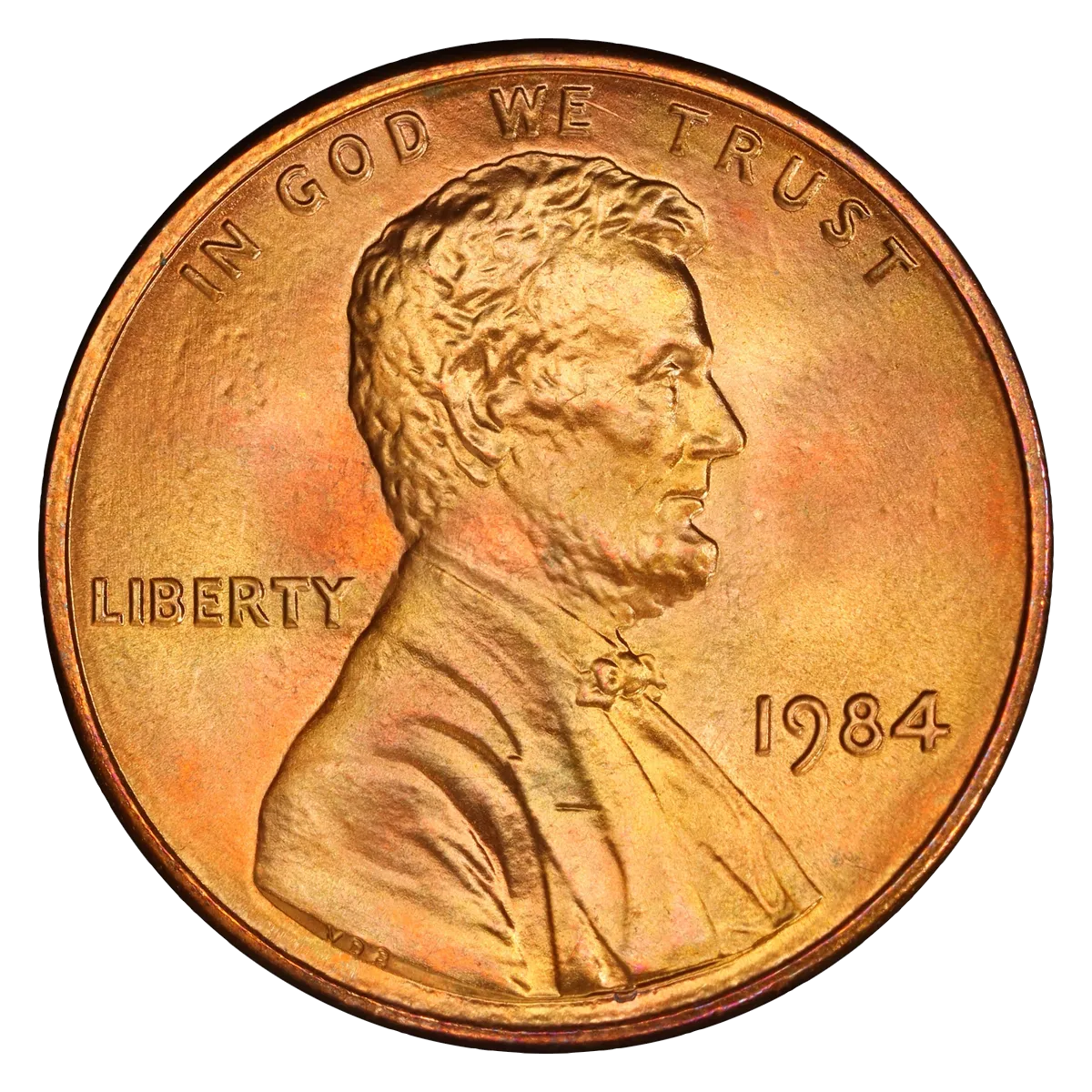
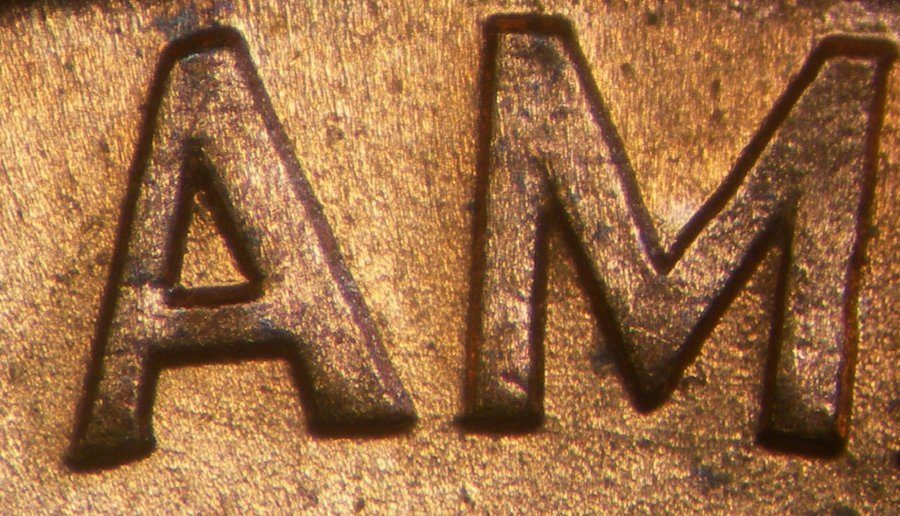
How it happens
The Lincoln Memorial cent held the same broad reverse theme from 1959 through 2008 while individual dies and design details changed. The 1984 coin’s extra earlobe is part of the obverse die. On the 1999 circulation coin, the Wide AM belongs to an alternate Memorial reverse design normally associated with Proof production.
The easiest comparison is a normal cent of the same date and strike type. An ordinary 1999 circulation cent uses Close AM spacing. A 1999-S Proof needs its own attribution. For examples where the unusual spacing runs in the opposite direction, see the 1992 Close AM guide.
| Type | Location or shape | What to check | Comparison |
|---|---|---|---|
| 1984 Doubled Ear | Obverse, just below the ear | A distinct secondary earlobe outline | Compare the cheek, ear and nearby beard with an attributed image |
| Ordinary 1984 obverse | Obverse, same area | One expected earlobe contour | Check for scratches or dents that create an apparent shadow |
| 1999 Wide AM | Reverse, AMERICA and the FG initials area | Clear gap between the A and M at the base | Match the reverse design and confirm a 1999 circulation strike |
| Ordinary 1999 circulation reverse | Reverse, same lettering | A and M almost touch at the base | Compare a normal example of the same date under the same light |
Identification
Read the date and confirm the strike type
Start with the entire coin before you magnify. Check the mint-mark field and keep Proofs in their own comparison.
For 1984, compare the lower ear contour
Angle the light to see whether the second form is raised and matches the recognized die. An incuse scratch or random bump needs different evidence. Check additional design details against the attributed photo if the ear is worn.
For 1999, compare the whole reverse
Look at the closest points near the bases of A and M. Confirm the other reverse design details, including the placement of the FG initials relative to the Memorial. A tight crop can demonstrate spacing while leaving date and die type unresolved.
Documented cases and value
The 1984 specimen is included in HeriBase’s Lincoln cent varieties photo ranking. The ranking places a historic certified sale in context. For 1999, Heritage lot 21050 documents a PCGS Mint State 64 Red-Brown Wide AM (FS-901) example. Compare certified results in the same condition and copper color designation. Shop asking prices and exceptional grades can give a misleading baseline for a raw worn coin.
Use different comparisons for the two dates and design types. Pay attention to original copper color and surfaces after you have matched the specific variety.
Summary
Use the date to pick the side to inspect. On a 1984 cent look below the ear. On a 1999 cent check AM spacing, FG placement and strike type before comparing prices.
Frequently asked questions
Is every 1984 cent with a mark by the ear a Doubled Ear?
No. Match the shape and position of the secondary lobe with the attributed die. Scratches and bumps in the same area can be misleading.
Is Wide AM on the front or back?
It is a reverse feature. Inspect A and M in AMERICA, then check the reverse design against a documented 1999 circulation-strike example.
Can I use a 1999-S Proof as the regular 1999 comparison?
Use a normal 1999 circulation strike for this comparison. Proof strikes and proof varieties have separate references.
How do I compare values for two attributed cents?
Match the variety, grade, original copper color and condition. These are separate varieties with separate markets.
References
References and further reading
- PCGS 1984 Doubled Ear CoinFacts
- PCGS 1999 Wide AM, FS-901 CoinFacts
- Heritage 1999 Wide AM archive, lot 21050
- PCGS background on Memorial cent die varieties
- Specimen photo by Contactsmc. CC BY-SA 3.0. Converted to WebP and resized.
