

 App Store

COIN ERRORS & VARIETIES
1982 No P Dime: Strong vs. Weak Strike and Value
Compare Strong and Weak Strike 1982 No P dimes with a normal 1982-P. Check the missing-mark area, date, surfaces and grade-specific historical values.
 HeriBase TeamPublished
In this article
What is the error, and what is the value reference?
The 1982 No P dime is a Philadelphia circulation issue missing its intended P mint mark. Recognized Strong and Weak Strike examples belong to this missing-mark group; they are not No S Proof dimes. A faint P, wear or a scraped area must not be accepted as the attribution without checking the full design and surfaces.
NGC’s July 2, 2019 ordinary No P guide lists $215 at MS63 and $235 at MS65; the separate Weak Strike MS65 entry is $250 in that dated snapshot. The figures are historical guide estimates, not a rule that one strike category always sells above the other. Current offers require comparable grade, strike attribution and surface condition.
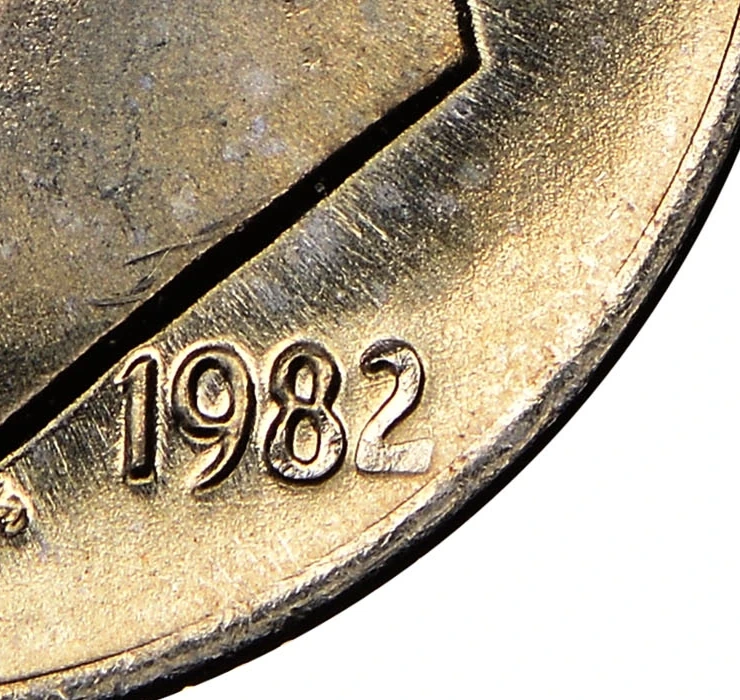
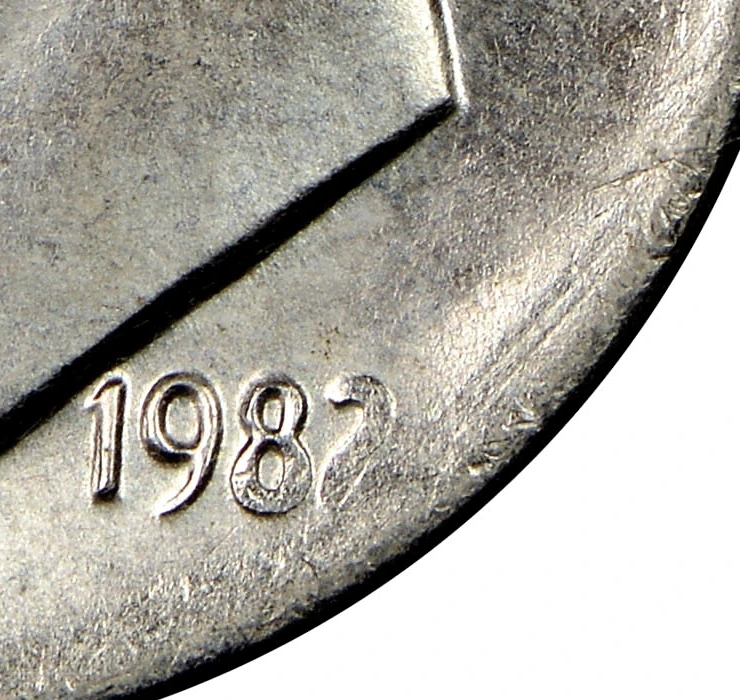
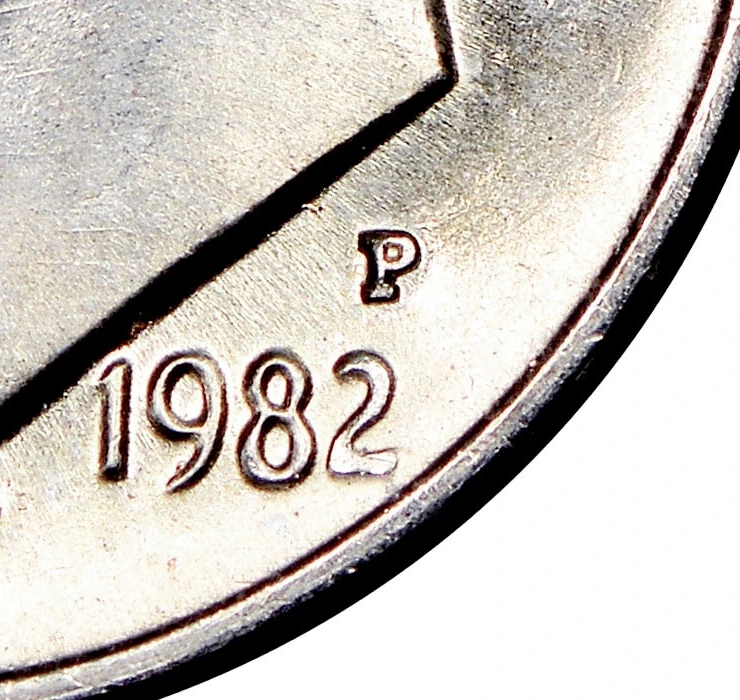
What do the normal and attributed coins look like?
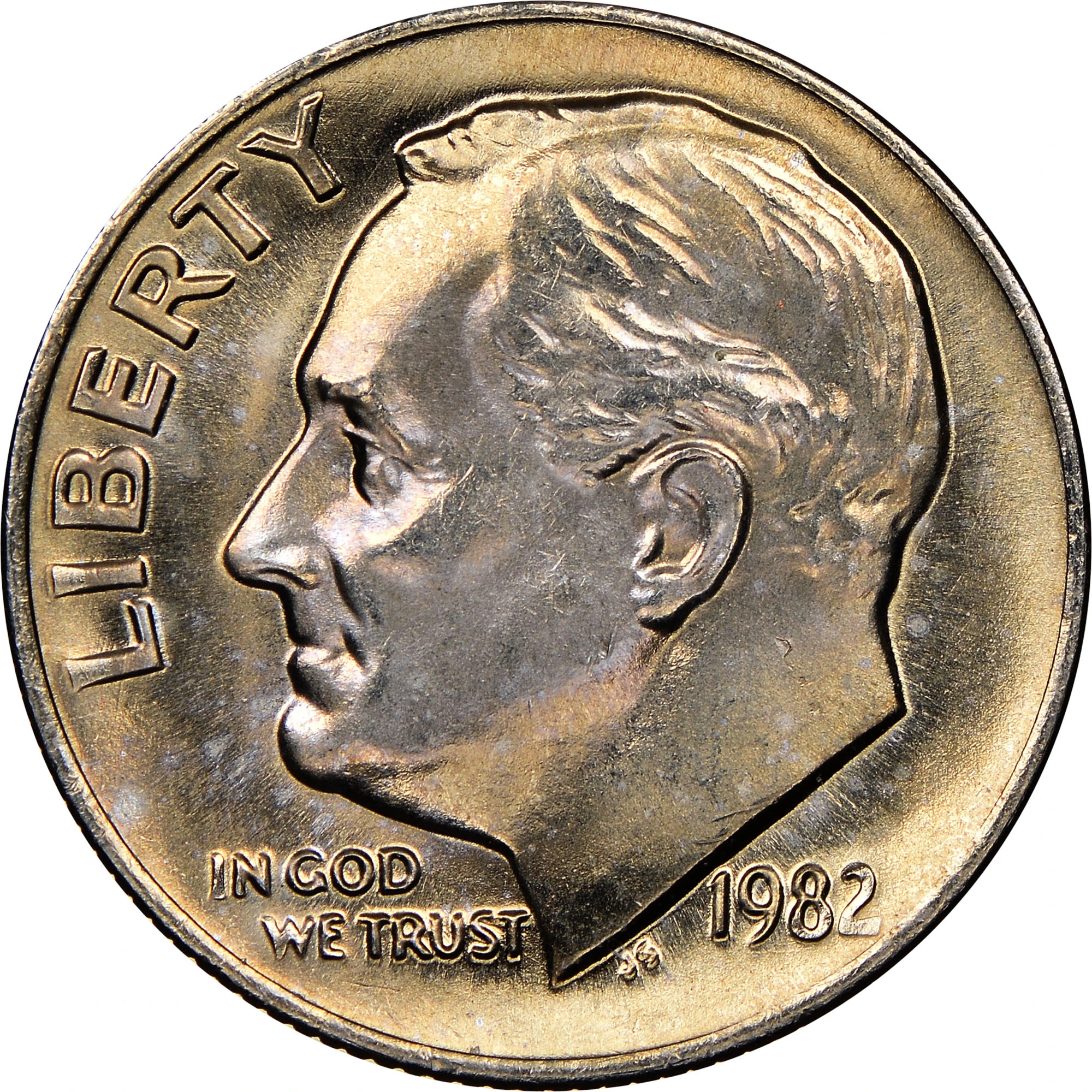
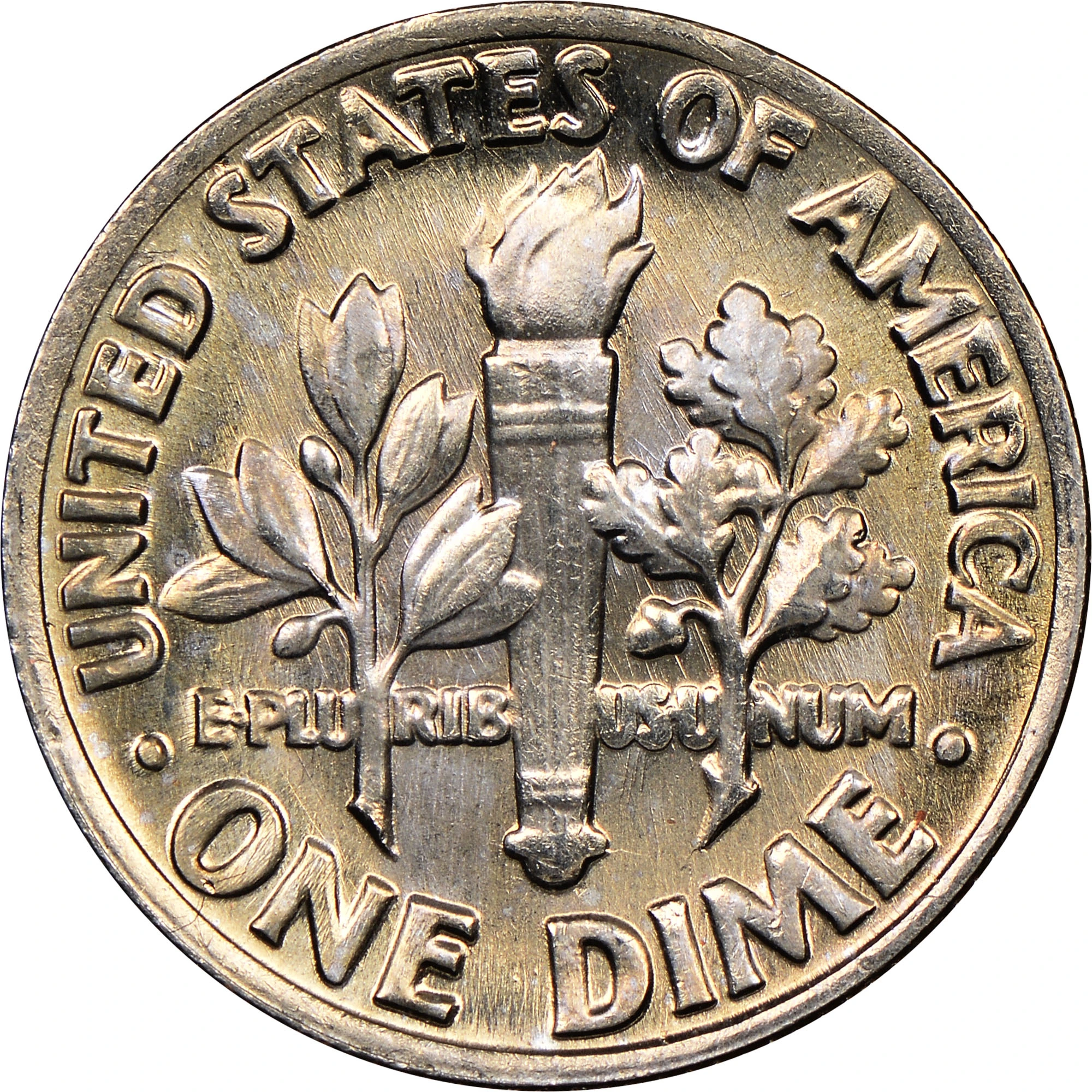
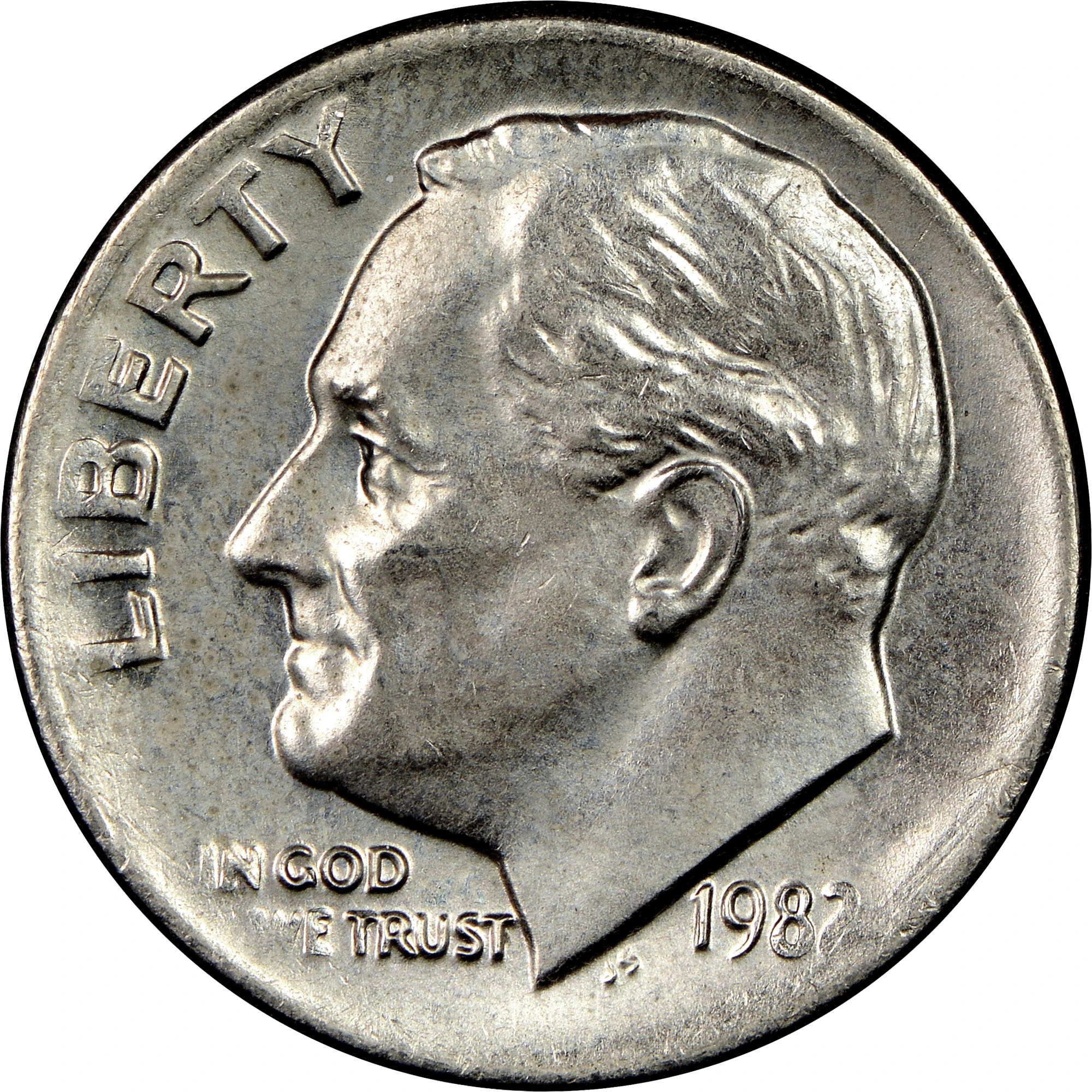
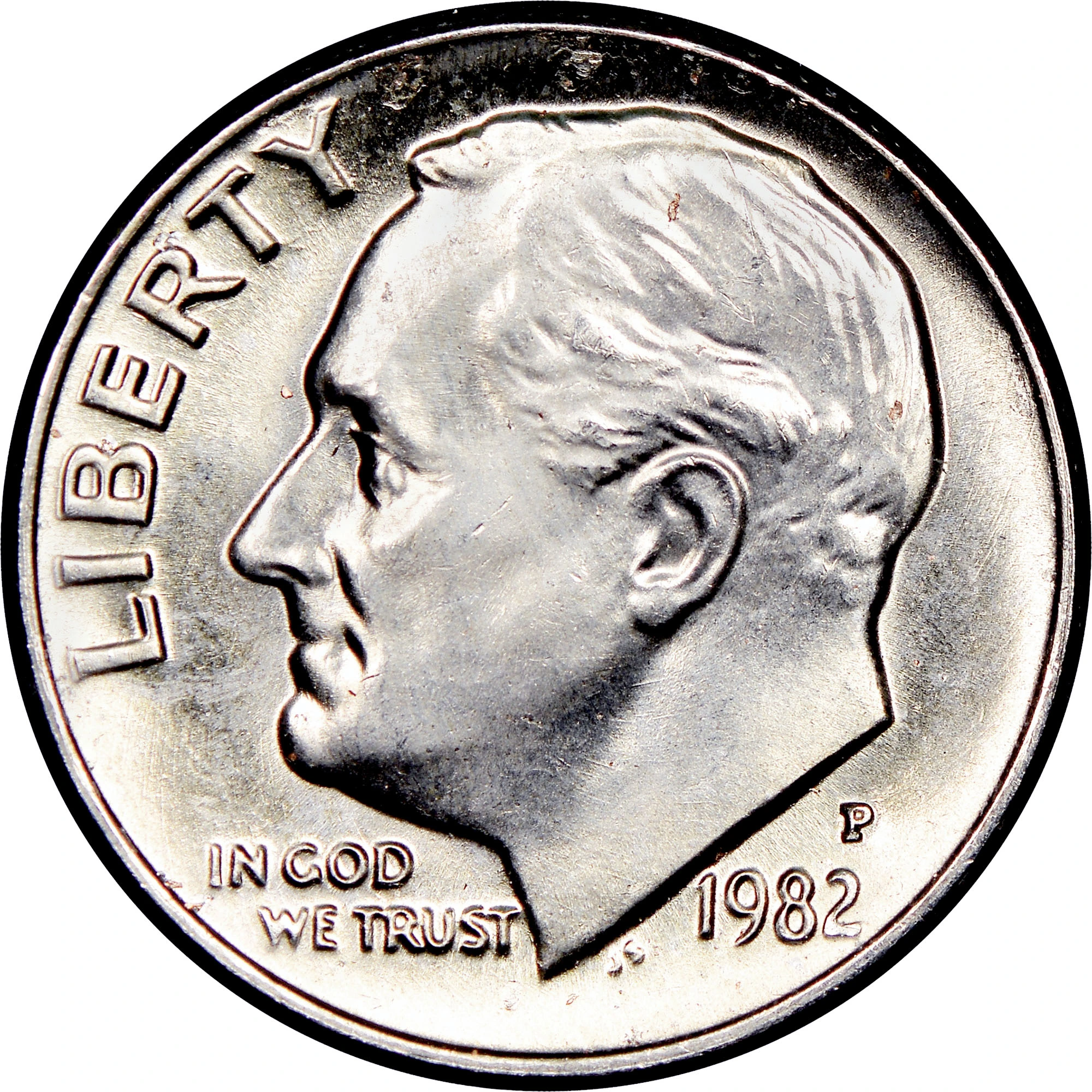
How did this issue come about?
Philadelphia had begun adding P to Roosevelt dimes in 1980, making its omission on a 1982 circulation dime meaningful. This differs from older Philadelphia dimes whose blank mint-mark position is normal. The date is therefore an essential part of the identification, not a detail to fill in after a missing letter is noticed.
The first discoveries were reported around late 1982, with significant groups associated with Ohio and later Pennsylvania. PCGS’s historical account distinguishes the sharper pieces, with the date more clearly separated from the rim, from a weaker group whose final 2 is less complete and closer to the rim. These are strike comparisons, not a substitute for assessing circulation wear. See the dime error guide for the separate No S Proof category.
| Feature | What applies |
|---|---|
| Coin family | Roosevelt ten-cent piece |
| Manufacture of target | Circulation strike / attributed die variety |
| Standard construction | Copper-nickel clad over a copper core |
| Nominal weight | 2.27 g |
| Edge | Reeded |
| What the premium concerns | An identified issue/variety and its preservation; not an unusual-looking mark alone |
How do you check the identifying features?
| Coin / observation | Feature to check | Meaning | Before using a price |
|---|---|---|---|
| Ordinary 1982-P | P present near the date | Normal Philadelphia issue | A small or worn P is not a missing-P attribution |
| 1982 No P, Strong Strike | Expected P absent | Sharper overall impression; check date/rim relationship | Compare a documented Strong example |
| 1982 No P, Weak Strike | Expected P absent | Weaker design and date impression | Use a recognized Weak Strike comparison |
| Worn, filled-looking or altered area | May appear blank in one photograph | Wear, lighting or disturbed metal can obscure evidence | Rephotograph and inspect before assigning a variety |
Where should the P appear?
Look in the obverse mint-mark area near the date, comparing the normal 1982-P image with the two No P examples. Use a full-face photograph to establish the year, then take a close-up with the camera square to the surface. Rotate the lighting before concluding that a faint mark is absent.
What do Strong and Weak mean here?
The labels refer to recognized strike categories, not to how confident the owner is about the missing P. Compare the date, rim relationship and surrounding design as a group. On a circulated coin, friction can erase some of that evidence, so a weak-looking date by itself cannot establish the Weak Strike attribution.
How can removal or damage be checked?
Look for local smoothing, scratches, depressions or a surface texture that changes around the expected mark. These observations can flag a problem, but a photograph cannot conclusively rule out alteration. Match the complete recognized variety before using its prices; a damaged 1982-P does not become a No P simply because the letter is hard to read.
How do grade and designation change the comparison?
The U.S.-dollar figures below are historical retail-guide references. Each row retains its actual source update date in month/day/year format; access on November 13, 2026 is not a price update. Guide estimates, asking prices, completed transactions and dealer buying offers are different evidence.
Photographs illustrate the issue and observation area; they are not offered as a grading certificate for every row. Cleaning, corrosion, scratches or other problems can make straight-grade comparisons unsuitable. Obtain recent like-for-like completed transactions before deciding what to pay or accept.
| Issue / designation | Grade | USD reference | Basis | Source updated |
|---|---|---|---|---|
| No P, ordinary/Strong comparison | MS63 | $215 | NGC retail guide | 07/02/2019 |
| No P, ordinary/Strong comparison | MS65 | $235 | NGC retail guide | 07/02/2019 |
| No P, ordinary/Strong comparison | MS67 | $725 | NGC retail guide | 07/02/2019 |
| No P Weak Strike | MS65 | $250 | NGC retail guide | 07/02/2019 |
| No P with Full Torch | MS65 | $270 | NGC retail guide | 07/02/2019 |
| Normal 1982-P | MS65 | $10 | NGC retail guide | 02/12/2024 |
Why are the two strike labels priced separately?
Published guides and individual transactions are snapshots. Do not treat one table’s Strong-versus-Weak ordering as a permanent market law, especially when the underlying rows are old or sparse. Compare completed transactions within the same attribution, grade and surface category before making a buying decision.
How do Full Bands and Full Torch fit in?
These are reverse-detail designations, separate from the missing mint mark. PCGS uses Full Bands and NGC uses Full Torch with their own criteria. A missing P does not automatically earn either designation. The guide rows identify an FT entry explicitly rather than mixing it with the ordinary row.
What is a useful transaction comparison?
PCGS records a $2,185 Heritage sale for an MS68 Strong No Mintmark dime on May 5, 2004. It is an exceptional-grade historical specimen, not a typical worn-coin quote. The normal 1982-P and the weakly struck No P need different comparisons, even though all share the same year and denomination.
How should a possible example be documented?
Which photographs make an identification useful?
Record both faces and the mint-mark area at the same lighting angle used for the normal comparison. Add a second obverse image under moved light so that a reflection cannot masquerade as an empty area. Photograph the rim and date together; do not crop away the relationship used in the strike comparison.
When is grading worth considering?
First establish that the coin plausibly matches the recognized missing-P issue and retains interpretable surfaces. Then compare likely value with examination, grading, shipping and selling costs. A grade estimate from a photograph is not a service guarantee. Preserve the coin without cleaning while the evidence is evaluated.
For a first record, photograph both faces and the observation area under even light. HeriBase can help organize a photo-based identification; important variety, manufacture and surface questions still need the referenced diagnostics or specialist examination. A photo result is not a certified grade, authentication or buying offer.
Browse related categories through the existing Coin Errors & Varieties directory.
What should you conclude before pricing it?
Read the full 1982 date, verify that the intended P is genuinely absent, and compare Strong or Weak Strike as an attributed category. Treat reverse-detail designations and numerical grade separately; old guide figures and an MS68 auction result do not establish a current bid for an ungraded coin.
What else do collectors ask?
Is the 1982 No P dime a Proof?
The recognized No P issue discussed here is a circulation strike. It differs from No S Proof errors.
Are Strong and Weak Strike the same as condition grades?
No. They are strike categories. Wear and numerical grade are assessed separately.
Does every 1982 dime without an obvious P qualify?
No. A worn, obscured or altered mint-mark area must be excluded, and the full coin must match the attribution.
Does No P mean the coin is silver?
No. A standard 1982 Roosevelt dime has copper-nickel clad construction over a copper core.
Does a No P dime automatically have Full Bands?
No. Reverse-detail designations are separate and must meet the grading service’s criteria.
Can I use an old MS68 sale to price a worn coin?
No. Match attribution, grade, surfaces, designation and sale date before using a comparison.
Which references support this guide?
References and further reading
- NGC: 1982 NO P 10C MS issue and dated guide
- NGC: 1982 NO P WEAK STRIKE 10C MS issue and dated guide
- NGC: 1982 P 10C MS issue and dated guide
- PCGS: Strong No Mintmark specifications and 2004 Heritage comparison
- PCGS: historical discovery and Strong/Weak diagnostics, December 21, 2010
- NGC: October 2023 snapshot and Full Torch discussion
Sources accessed November 13, 2026. Guide update dates and individual sale dates are retained separately. Historical certification totals or estimated error mintages are not presented as current population counts.