

 App Store

COIN VALUE GUIDES · PENNIES
1979 Penny Value:No Mint Mark, D, S Proofs and Copper Content
Compare 1979 Philadelphia Red penny values, identify D and S issues, and distinguish Proof mint-mark types from normal Memorial cents and later zinc pennies.
 HeriBase TeamPublished
In this article
Quick answer
An ordinary worn 1979 penny is a common Lincoln Memorial cent with a one-cent face value. The normal coin is 95% copper and weighs 3.11 grams nominally, rather than the later copper-plated zinc type. No mint mark identifies Philadelphia; D identifies Denver, while S belongs to the separate Proof issue.
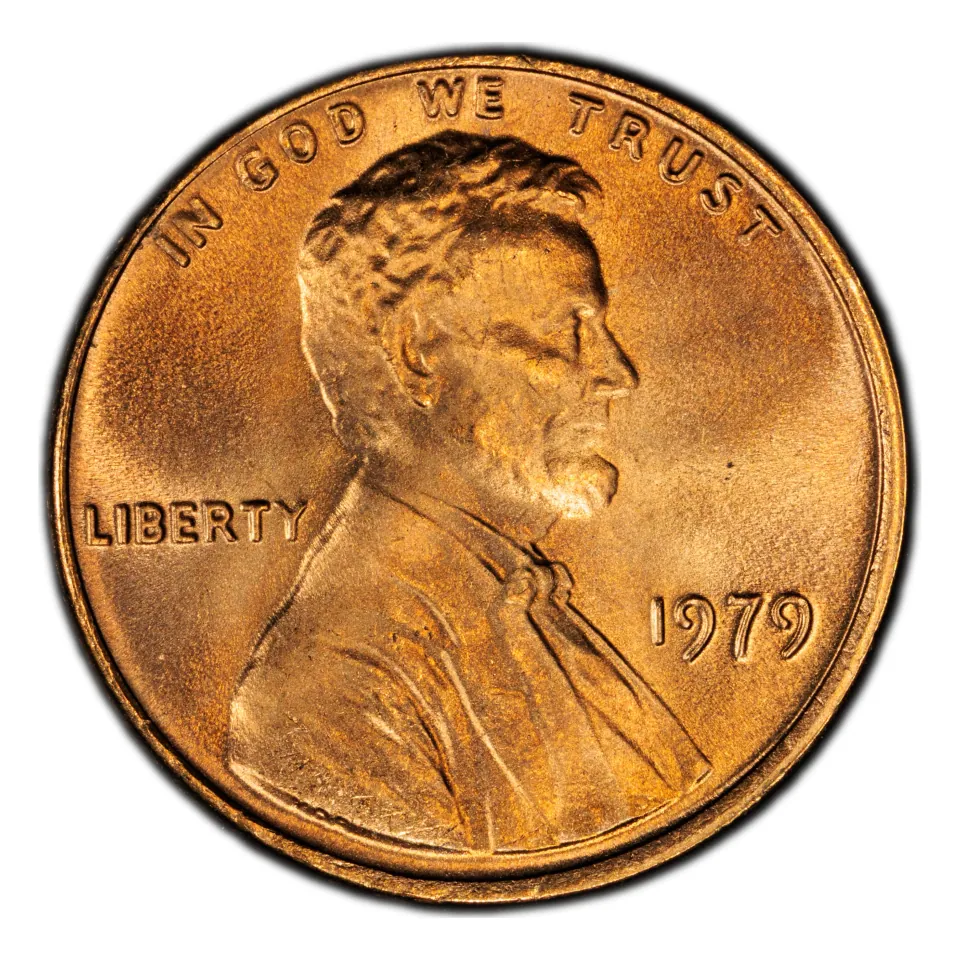
For Philadelphia regular strikes designated Red (RD), the PCGS guide checked October 22, 2026 lists $8 in Mint State 63, $18 in Mint State 65 and $24 in Mint State 66. Mint State (MS) means uncirculated. These values do not apply to ordinary brown circulated cents or to 1979-S Proofs.
Coin photos
Basics & coin story
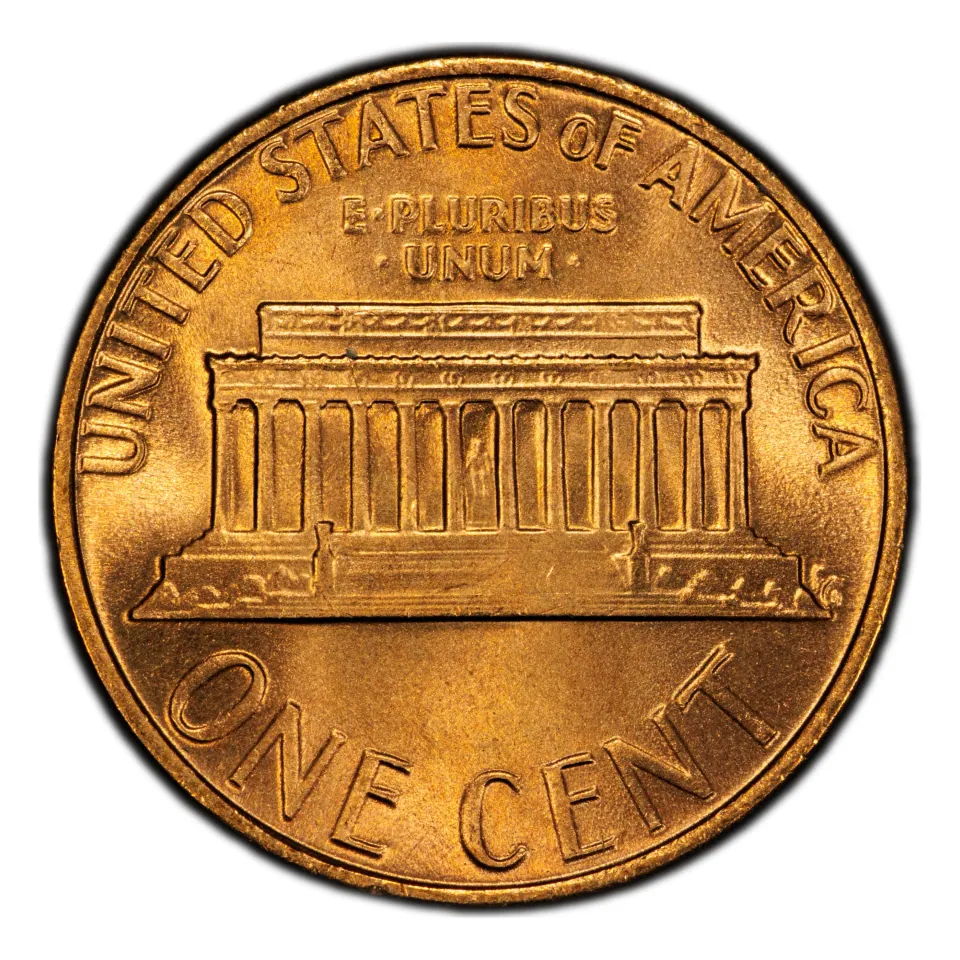
The 1979 cent retains Brenner’s Lincoln portrait and Gasparro’s Memorial reverse, a combination used from 1959 through 2008. The date precedes the later transition to the lighter copper-plated zinc cent, so its copper-colored surface and heavier standard weight are expected rather than unusual.
Philadelphia’s reported regular mintage is 6,018,515,000. That large output explains why a pocket-change coin can remain common decades later. Collector interest concentrates on preservation, original copper color, specific errors and separate Proof types. Compare the earlier 1976 Memorial cent guide for another heavily saved date without transferring its prices to 1979.
| Feature | What to check |
|---|---|
| Type / denomination | Lincoln Memorial cent / 1 cent |
| Designers | Victor David Brenner / Frank Gasparro |
| Metal | 95% copper, 5% zinc |
| Nominal weight / diameter | 3.11 g / 19 mm |
| Edge | Plain |
| Regular issues | Philadelphia: no mark; Denver: D |
| Proof issue | 1979-S, Type 1 or Type 2 S punch |
| Mint-mark location | Obverse, below the date |
Identification
Start with no mark, D or S
Inspect below 1979. No letter is an expected Philadelphia feature, not a missing-mark error. D selects Denver and S selects the collector Proof issue. A stain or scratch near the date should not be interpreted as a mint mark without a clear view.
Type 1 and Type 2 refer to S Proofs
The 1979-S Proof has two recognized S-punch types. Type 1 is commonly described as Filled S and Type 2 as Clear S. Compare the actual shape and openings with a reliable image; lighting can fill an opening in a photograph. These labels do not describe P or D regular strikes, and a clearer D is not a Type 2 Proof.
Weight supports identification but does not authenticate an error
The normal copper-alloy cent weighs 3.11 grams nominally. A substantially different reading should prompt a check of the scale, the coin’s condition and possible alteration. Color alone cannot establish an off-metal strike. Record both faces, the edge and measured weight rather than scratching or chemically treating the surface.
Condition & value
Amounts are in U.S. dollars. PCGS retail-guide examples were checked October 22, 2026 and apply only to the stated issue, grade and designation. They are not guaranteed purchase offers; current market conditions and selling costs can change the amount received.
| Issue | Grade / condition | Value or reference | Basis | Important condition |
|---|---|---|---|---|
| Ordinary worn P or D | Circulated | 1¢ face-value baseline | Denomination | No automatic premium for age or copper color |
| 1979 Philadelphia, RD | MS63 | $8 | PCGS retail guide | Original Red regular strike |
| 1979 Philadelphia, RD | MS65 | $18 | PCGS retail guide | Problem-free uncirculated example |
| 1979 Philadelphia, RD | MS66 | $24 | PCGS retail guide | Grade and color must match |
| 1979-D / S Proof Type 1 or Type 2 | Exact issue and designation | Use matching evidence | Separate entries | No Philadelphia RD price transferred |
Red, Red and Brown (RB), and Brown (BN) are copper-color designations, not substitutes for the numerical grade. An attractive brown coin can be uncirculated, while a red-looking coin can have wear or altered surfaces. Compare Lincoln’s cheek and jaw for friction and inspect the fields for spots, marks and hairlines.
For Proofs, compare the same S type, Proof grade and contrast designation. Proof is a manufacturing category, commonly abbreviated PR; Cameo or Deep Cameo contrast adds another distinction. Do not use a record for an exceptional Proof to price a loose brown cent. The penny-checking workflow and surface-alteration guide cover the general examination steps.
Summary
Read the mint mark, confirm regular strike versus Proof, then match wear and copper color. A no-mark 1979 cent and its 3.11-gram copper-alloy weight are normal. Reserve S-punch type comparisons for Proofs and grade-specific Red values for coins that meet those conditions.
FAQ
Is a 1979 penny copper or zinc?
It is the copper-alloy type: 95% copper and 5% zinc, with a nominal weight of 3.11 grams. It is not the later copper-plated zinc cent.
Is no mint mark on a 1979 penny rare?
No. Philadelphia normally issued the 1979 cent without a mint mark. A premium depends on condition, original color or a specific authenticated error.
What are Type 1 and Type 2 1979 pennies?
The terms identify two S mint-mark punches on 1979-S Proof cents, commonly called Filled S and Clear S. They do not classify P or D regular strikes.
Do Red Mint State prices apply to a brown circulated 1979 penny?
No. The coin must match the issue, uncirculated numerical grade and Red color designation. A brown circulated cent is a different comparison.
References
References and further reading
- PCGS CoinFacts: exact issue, specifications and available guide evidence
- PCGS: 1979-S Type 1 Proof specifications
- PCGS: 1979-S Type 2 Proof entry
- U.S. Mint: Memorial reverse chronology
Sources and quoted guide evidence checked October 22, 2026. Guide estimates, historical sales, face value and metal-content calculations are identified separately.