

 App Store

COIN VALUE GUIDES · PENNY GUIDES
1973 Penny Value:No Mint Mark, D, S and Unusual Colors
Identify 1973 Lincoln Memorial cents, separate S circulation strikes from Proofs, and avoid confusing plated cents with aluminum trial coins.
 HeriBase TeamPublished
In this article
Quick answer
A normal worn 1973 penny is a common copper-alloy Lincoln Memorial cent with a one-cent face value. No mint mark identifies Philadelphia, D identifies Denver and S identifies San Francisco. Both regular S coins and S Proofs exist, so the letter alone does not establish the finish.
The PCGS guide checked October 21, 2026 lists a Philadelphia MS63 Red coin at $6 and MS65 Red at $15. These are grade-specific retail figures, not the value of every bright cent. A silver-colored 1973 penny needs composition and alteration checks before any off-metal claim.
Coin photos
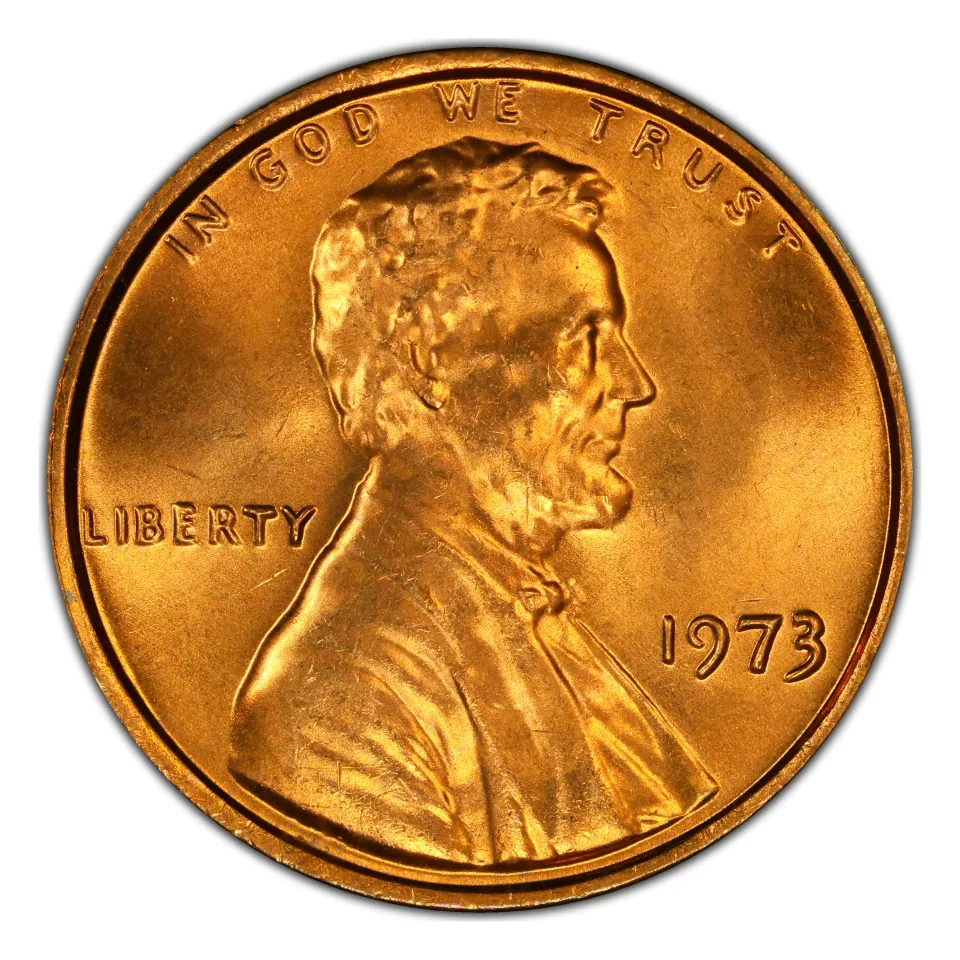
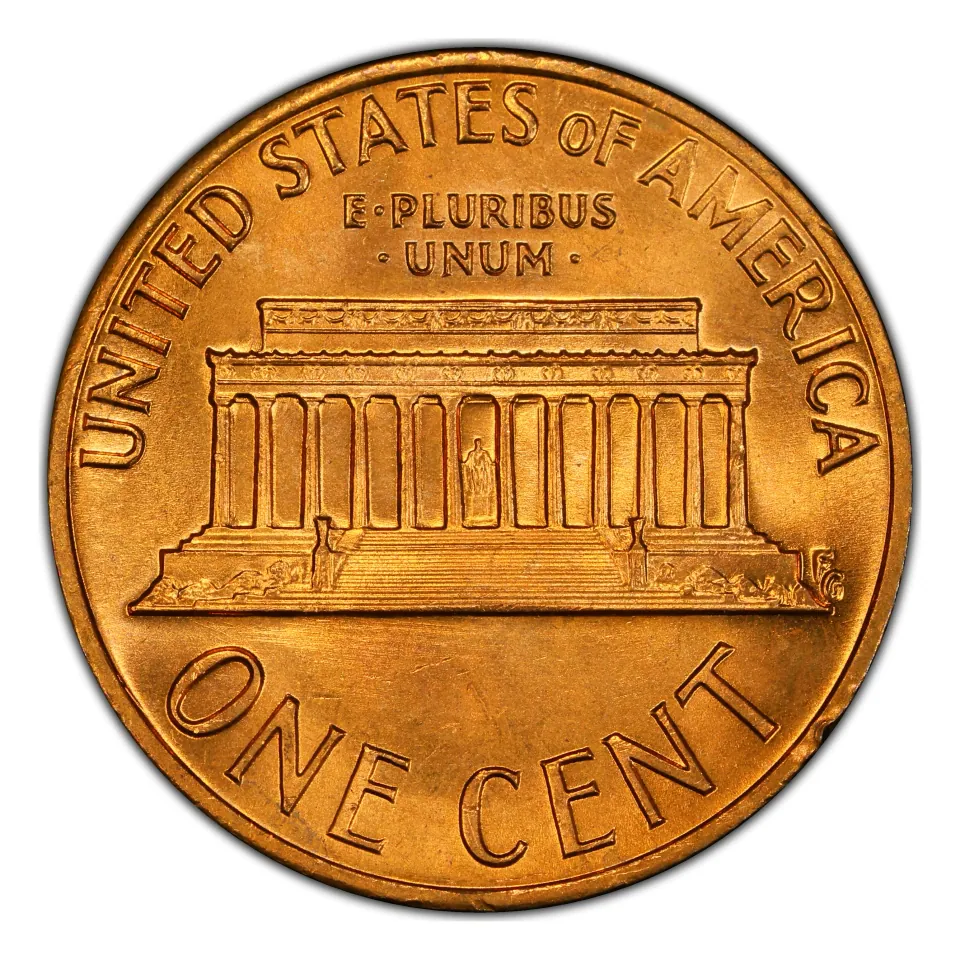
Basics & coin story
The 1973 cent still used the heavier copper-rich alloy of the pre-1982 era. Its Lincoln portrait was paired with Frank Gasparro’s Memorial reverse, introduced in 1959. Rising copper costs later helped drive experimentation and the eventual change to copper-plated zinc.
The famous aluminum trial cents were dated 1974. Their story does not make an ordinary silver-colored 1973 cent an aluminum trial. Plating and surface treatment can change color while leaving a normal cent underneath. Keep the date and measured properties separate from a dramatic online description.
| Feature | What to check |
|---|---|
| Design | Lincoln Memorial cent |
| Standard composition | 95% copper, 5% zinc |
| Nominal weight / diameter | 3.11 g / 19 mm |
| Edge | Plain |
| 1973 mint marks | None, D or S |
| San Francisco products | Regular strikes and separate Proofs |
| Color designations | BN, RB and RD concern preserved copper color |
Identification
Read the mint mark below the date
No letter is normal for Philadelphia. Denver and San Francisco letters appear beneath 1973. Do not advertise a normal no-mark coin as a missing-mint-mark error. If the area is dirty or blurred, photograph it under soft light rather than scratching the surface.
An S is not an automatic Proof designation. Compare the exact manufacture and preservation, preferably with original packaging or a reliable attribution. A polished circulation cent can look reflective while retaining abrasive hairlines.
Investigate silver, gold or very red colors
First weigh the coin and examine the edge without scraping it. A normal 1973 cent should be near its 3.11 g standard, allowing for wear and measurement uncertainty. Plating can produce silver or gold colors. A scale reading and a photograph can raise a question, but cannot establish an off-metal error by themselves.
Red is a recognized copper color designation, not a synonym for shiny. Cleaning or chemical treatment may change the appearance and reduce collector appeal. Compare altered and cleaned surfaces before borrowing prices from certified Red examples.
Condition & value
Amounts are U.S. dollars. These PCGS retail-guide examples were checked October 21, 2026 for the stated issue and designation. A raw coin needs its own condition assessment; guide figures are not guaranteed sale proceeds and can lag metal prices.
| Issue | Grade / condition | Value or reference | Basis | Important distinction |
|---|---|---|---|---|
| Ordinary worn 1973 P, D or S | Circulated | 1¢ baseline | Face value | Age or missing P letter alone adds no rarity |
| 1973 Philadelphia RD | MS63 | $6 | PCGS retail guide | Original color and grade required |
| 1973 Philadelphia RD | MS65 | $15 | PCGS retail guide | Not every bright raw cent |
| 1973-D / regular S / S Proof | Exact issue | Use matching entry | Separate comparisons | Proof and regular strike differ |
| Unusual color / suspected wrong metal | Unattributed | No premium assumed | Physical examination | Plating is not an off-metal strike |
Inspect Lincoln’s cheek and coat and the reverse fields for rub, marks and hairlines. One attractive photograph does not establish Mint State or original Red color. A few dollars of guide value may not justify grading fees.
Keep apparent doubling separate from common strike effects. A genuine die-variety claim needs matching diagnostics and a recognized attribution; a doubled outline in a blurred image is insufficient. Compare the adjacent-year 1971 penny guide for the same sorting process while keeping prices specific to 1973.
Summary
Find the mint mark, determine regular strike versus Proof, and assess original color. Ordinary worn 1973 cents start at one cent. The quoted Red values require the stated grade; unusual color should prompt measurements and alteration checks rather than an assumed aluminum rarity.
FAQ
Is a 1973 no-mint-mark penny rare?
No. Philadelphia regularly made 1973 cents without a mint mark. Condition or a verified variety must establish any premium.
Is every 1973-S penny a Proof?
No. San Francisco made regular strikes as well as separate Proofs. The S identifies the mint, not the finish by itself.
Is a silver-colored 1973 penny aluminum?
Color alone cannot establish aluminum. Plating or other alteration can change a normal cent’s color; the well-known aluminum trials were dated 1974.
How much should a normal 1973 penny weigh?
The standard copper-alloy cent weighs 3.11 grams. Wear and scale uncertainty matter, and weight alone does not authenticate a suspected error.
References
References and further reading
- PCGS: photographed issue, specifications and guide
- PCGS: Denver 1973 Red issue
- PCGS: San Francisco regular Red issue
- PCGS: 1974 aluminum cent
Sources checked October 21, 2026. Retail guides and historical sales are identified separately; neither guarantees a buying offer.