

 App Store

COIN VALUE GUIDES · PENNIES
1962 Penny Value:No Mint Mark, D, Proofs and Red Grades
Separate ordinary 1962 Lincoln Memorial cents from Denver, Proof and high-grade Red examples, with practical checks for wear, color and mint marks.
 HeriBase TeamPublished
In this article
Quick answer
A worn, ordinary 1962 penny is a common Lincoln Memorial cent with a one-cent face value, not a rare coin simply because it lacks a mint mark. No letter identifies Philadelphia; a D identifies Denver. Both need condition and surface quality assessed before a collector premium is justified.
For problem-free Philadelphia coins with the Red color designation, the PCGS guide checked October 21, 2026 lists $7 in Mint State 63, $18 in Mint State 65 and $24 in Mint State 66. Those figures describe graded uncirculated coins, not brown circulated cents. Philadelphia also made separate Proof cents; they must be compared to Proof entries.
Coin photos
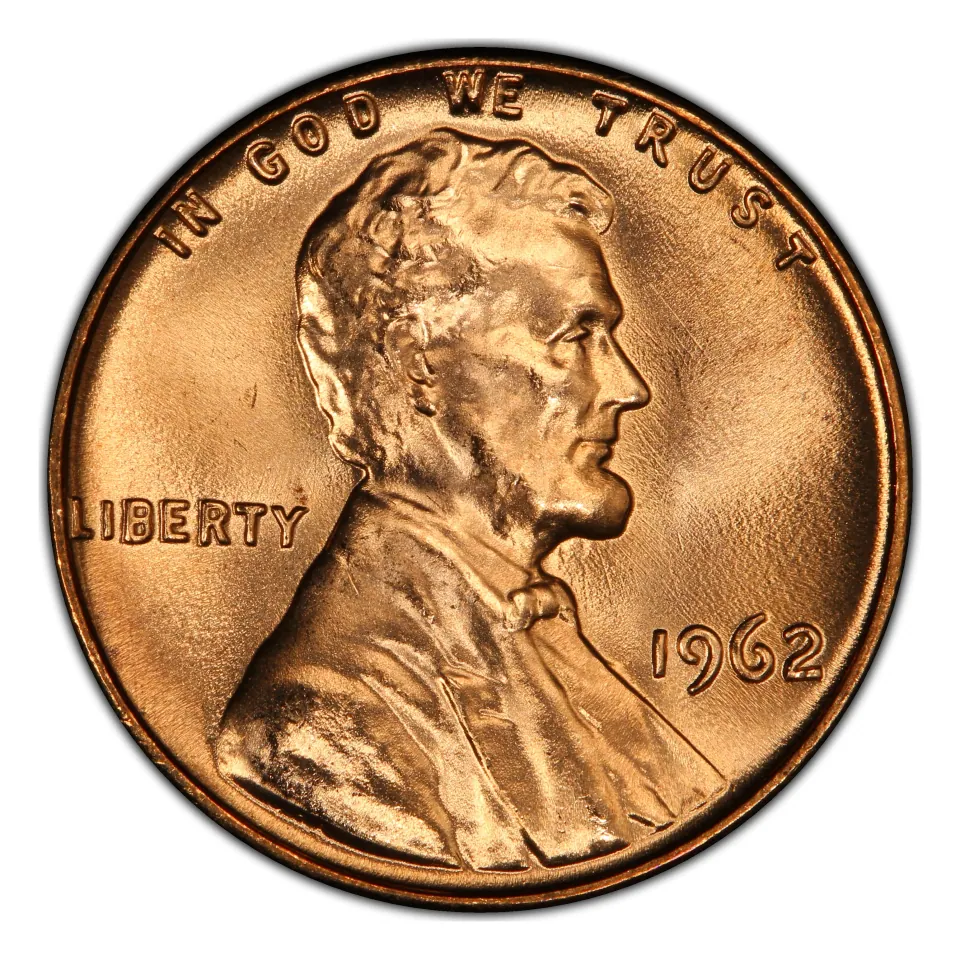
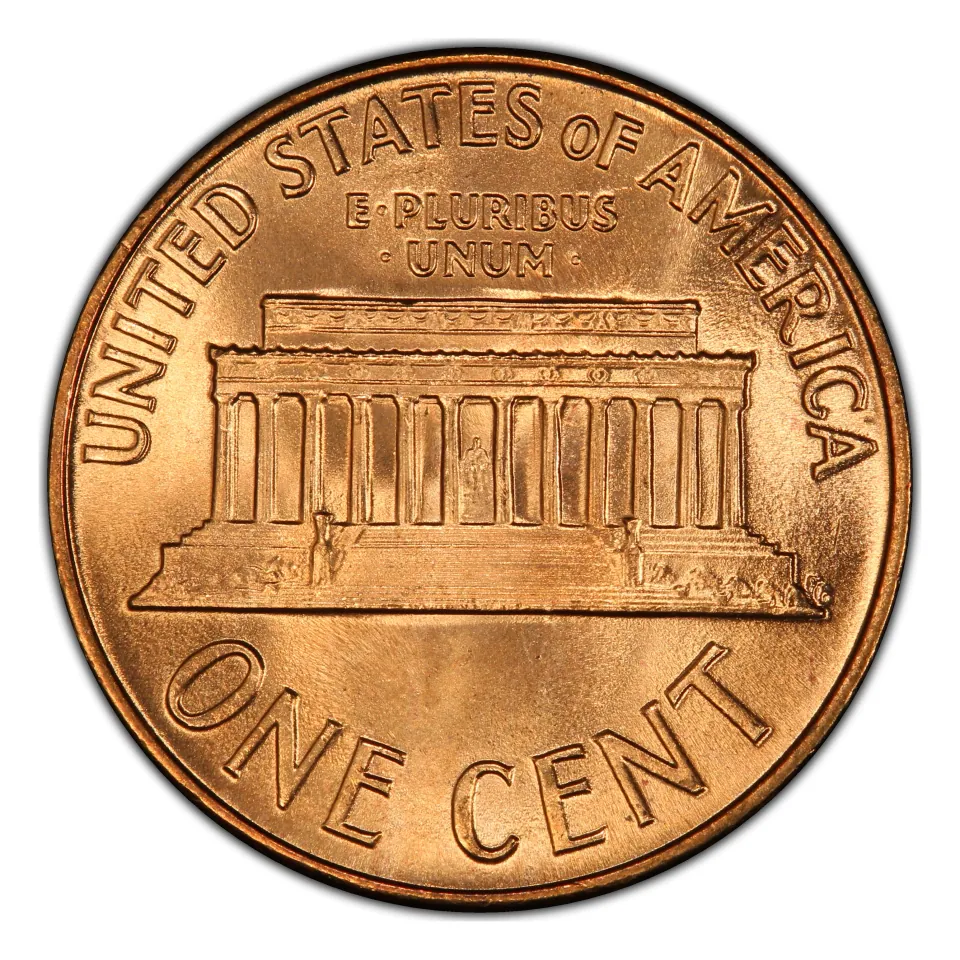
Basics & coin story
The 1962 cent belongs to the early Lincoln Memorial years. Frank Gasparro’s building reverse replaced the wheat ears in 1959, while Victor David Brenner’s Lincoln portrait remained. The change made the cent a small architectural memorial as well as a portrait coin.
Philadelphia produced 606,045,000 regular cents in 1962. Large production explains why an old date can still be common, while the difficulty of preserving an undisturbed copper surface explains premiums for exceptional examples. For the earlier design transition, see the 1959 penny guide.
| Feature | What to check |
|---|---|
| Type | Lincoln Memorial cent |
| Denomination | 1 cent |
| Composition | 95% copper; balance zinc in the PCGS listing |
| Nominal weight / diameter | 3.11 g / approximately 19 mm |
| Edge | Plain |
| Regular mint marks | None: Philadelphia; D: Denver |
| Proof issue | Philadelphia; no mint mark |
Identification
Start below the date
Look for a D below 1962. Its absence is an expected Philadelphia feature, not an omitted-letter mint error. Record the date and mark together before comparing prices; a 1962-D listing does not price a Philadelphia coin.
Identify the finish independently of the mint mark
A 1962 Proof also has no mint mark. It was made for a collector set with specially prepared dies and planchets. Reflective fields and sharp detail can support identification, but polishing a circulation strike does not turn it into a Proof. An original holder or an expert’s examination is more useful than a claim that the coin looks shiny.
Keep grade and copper color separate
Brown (BN), Red and Brown (RB) and Red (RD) are color designations. They do not replace the numerical grade. A worn red-looking coin is not MS65, and artificially altered color does not establish original Red preservation. Look for wear on Lincoln’s cheek and jaw and inspect the fields for spots, scratches and cleaning.
Condition & value
Amounts are in U.S. dollars. PCGS retail-guide examples were checked October 21, 2026 and apply only to the stated issue, grade and designation. They are not guaranteed purchase offers; current market conditions and selling costs can change the amount received.
| Issue | Grade / condition | Value or reference | Basis | Important condition |
|---|---|---|---|---|
| Ordinary circulated P or D | Worn | 1¢ face-value baseline | Denomination | Collector premium requires evidence |
| 1962 Philadelphia, RD | MS63 | $7 | PCGS retail guide | Red, problem-free uncirculated coin |
| 1962 Philadelphia, RD | MS65 | $18 | PCGS retail guide | Not applicable to brown circulated cents |
| 1962 Philadelphia, RD | MS66 | $24 | PCGS retail guide | Spots and surface quality matter |
| 1962-D / Proof / attributed error | Issue-specific | Use matching entry | Separate comparison | No generic premium for no mint mark |
For an ordinary loose cent, a small collector premium may not cover postage or certification. First establish whether it is actually uncirculated and retains attractive original surfaces. The listed Red prices should not be applied to a damaged or recolored coin.
A genuine off-center strike or other documented production error needs its own attribution; a thick letter or an odd stain is insufficient. Photograph the feature in focus and leave the coin uncleaned. Use the penny value-checking workflow for the general steps and the grading guide for wear versus Mint State condition.
Summary
For a 1962 penny, identify Philadelphia or Denver, establish regular strike versus Proof, and then assess wear and original color. No mint mark is normal. Reserve Red Mint State comparisons for coins that genuinely meet those conditions; store a promising example dry and uncleaned before seeking a second opinion.
FAQ
Is a 1962 penny with no mint mark valuable?
No mint mark is normal for Philadelphia. An ordinary worn coin is common; a premium depends on grade, original color, a Proof issue or an authenticated error.
Is a 1962 penny copper or zinc?
It is a copper-alloy cent with 95% copper, not the later copper-plated zinc type. Its nominal weight is 3.11 grams.
Are all shiny 1962 pennies Proofs?
No. Uncirculated circulation strikes and polished coins can also look bright. Proof identification depends on the issue and manufacturing characteristics.
Do Red prices apply to a brown 1962 penny?
No. Red, Red and Brown, and Brown are distinct color designations. Compare the same issue, numerical grade and color designation.
References
References and further reading
Sources and quoted guide evidence checked October 21, 2026. Guide estimates, historical sales, face value and metal-content calculations are identified separately.