

 App Store

COIN VALUE GUIDES · PENNIES
1918 Wheat Penny Value:No Mint Mark, D, S and the VDB Initials
Identify the 1918 U.S. wheat cent, compare circulated Philadelphia Brown values, locate D or S, and understand the normal return of Brenner’s initials on Lincoln’s shoulder.
 HeriBase TeamPublished
In this article
Quick answer
A 1918 U.S. penny is a Lincoln wheat cent, and a readable, problem-free circulated example can have a small collector premium above one cent. In the PCGS guide checked October 22, 2026, Philadelphia Brown examples are $1 in Good 4, $2 in Very Fine 20 and $6 in Extremely Fine 40. These are grade-specific retail references, not a guaranteed offer for every worn or damaged cent.
No mint mark identifies Philadelphia; D and S identify Denver and San Francisco. Those are separate issues. The tiny VDB initials at the base of Lincoln’s shoulder are normal for 1918 and do not make the coin equivalent to the famous 1909-S VDB.
Coin photos
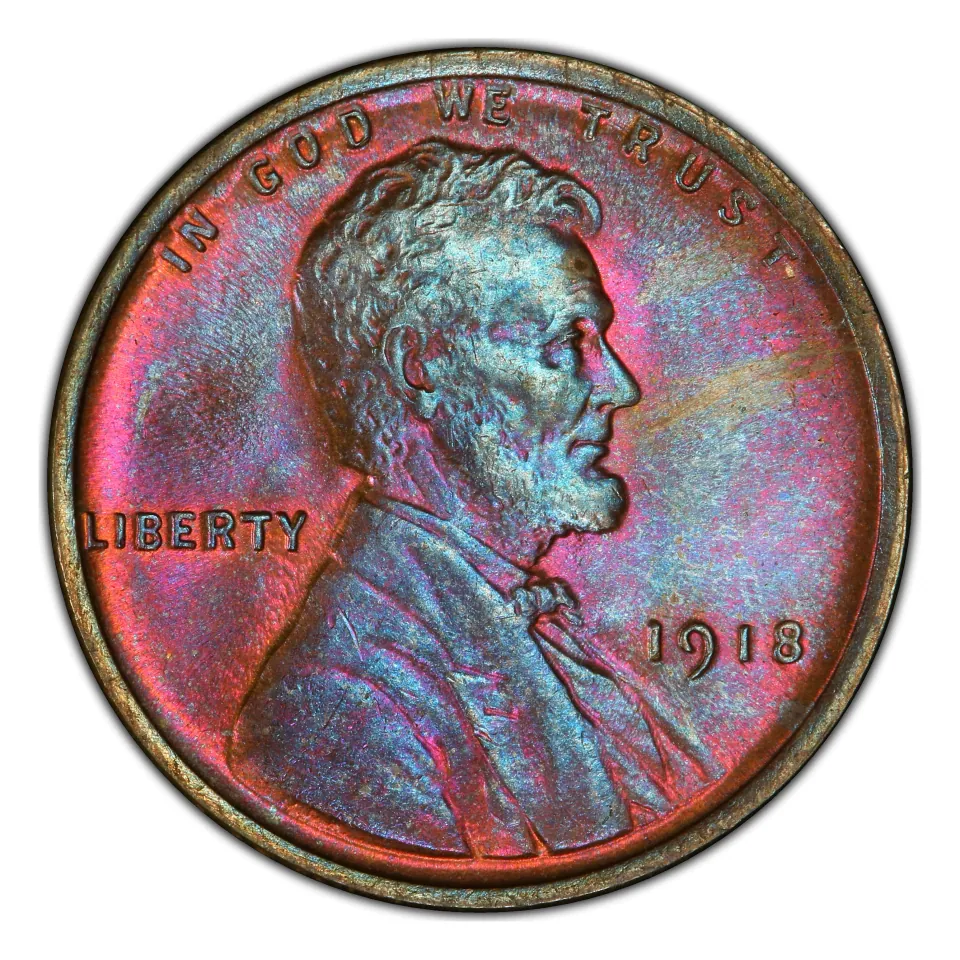
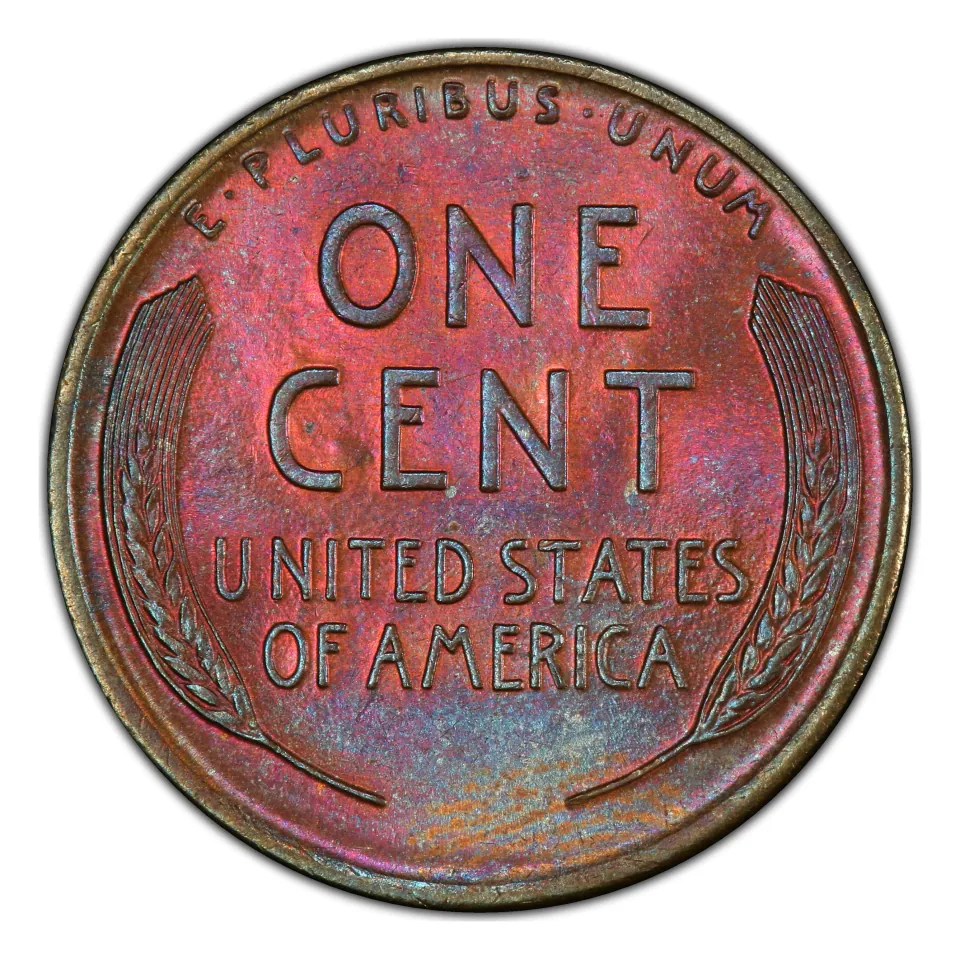
Basics & coin story
Victor David Brenner designed the Lincoln portrait and wheat reverse. The 1918 issue has a particular place in that story: his initials returned to the cent after their removal in 1909, this time on the obverse at Lincoln’s shoulder. Their small, unobtrusive position explains why they can be difficult to see on a worn coin.
Philadelphia produced 288,104,634 regular 1918 cents according to PCGS. That original output does not measure surviving Red coins or determine the price of a particular circulated piece. The wheat ears identify the earlier reverse used before the Memorial design introduced in 1959. Use the wheat-cent series guide for the wider design chronology, and read the date under changing light before selecting a listing.
| Feature | What to check |
|---|---|
| Country / denomination | United States / 1 cent |
| Type | Lincoln cent with wheat reverse |
| Designer | Victor David Brenner |
| Metal | 95% copper; 5% tin and zinc |
| Nominal weight / diameter | 3.11 g / 19 mm |
| Edge | Plain |
| Mint marks | None: Philadelphia; D: Denver; S: San Francisco |
| VDB location | Small initials at the base of Lincoln’s shoulder on the obverse |
Identification
Confirm a U.S. Lincoln cent
Other countries also issued pennies in 1918. A U.S. example shows Lincoln with IN GOD WE TRUST and LIBERTY on the front, and ONE CENT between wheat ears on the back. A different portrait or reverse belongs to a different catalog, even if an online listing simply says “1918 penny.”
Read the full date and mint mark
Look below the date for D or S. Dirt or wear can hide a small letter, so a no-mark identification should be based on a clear view of that area. A Philadelphia price cannot be assigned to a Denver or San Francisco example from the date alone. Photograph both faces before disturbing material around the mark.
VDB is a normal feature, not a 1909 rarity claim
On the 1918 issue, the initials belong near Lincoln’s shoulder on the obverse. They are not the prominent reverse initials used on the 1909 VDB design. A worn or weakly visible set of initials does not automatically create a “missing VDB” variety. Do not scratch the shoulder to reveal them.
Condition & value
Amounts are in U.S. dollars. PCGS retail-guide examples were checked October 22, 2026 and apply only to the stated issue, grade and designation. They are not guaranteed purchase offers; current market conditions and selling costs can change the amount received.
| Issue | Grade / condition | Value or reference | Basis | Important condition |
|---|---|---|---|---|
| 1918 Philadelphia, Brown | G4 | $1 | PCGS retail guide | Readable problem-free circulated example |
| 1918 Philadelphia, Brown | VF20 | $2 | PCGS retail guide | Wear must match the stated grade |
| 1918 Philadelphia, Brown | XF40 | $6 | PCGS retail guide | Not a value for corroded or cleaned surfaces |
| 1918 Philadelphia, Brown | MS63 | $60 | PCGS retail guide | Uncirculated, Brown color designation |
| 1918-D / 1918-S / Red or Red-Brown | Exact issue and color | Use matching entry | Separate comparisons | No generic price based on age or VDB |
Brown (BN) describes copper color; it does not mean a coin is necessarily worn. Mint State (MS) means uncirculated, so an MS63 Brown coin is a different comparison from an Extremely Fine Brown coin. Red and Brown (RB) and Red (RD) have separate entries. Cleaning a brown cent to make it brighter can impair its surface rather than create an original Red example.
Look for wear on Lincoln’s cheek and hair and on the wheat detail. Corrosion, scratches, bends or an unreadable date can reduce appeal even if an age-based price chart suggests more. For low-value circulated coins, postage and selling fees may consume much of a retail reference. Use the penny-checking workflow and the grading scale to make the comparison realistic.
Summary
Confirm the U.S. wheat design, read the 1918 date and mint mark, and compare the same grade and copper color. Normal shoulder initials do not create a 1909-S VDB rarity. Keep a readable circulated coin’s modest premium separate from uncirculated prices, and preserve its surface before seeking offers.
FAQ
Is a 1918 wheat penny with no mint mark rare?
No mint mark is normal for Philadelphia. Readable circulated examples can have modest collector value, while mint, grade, color and surface problems determine the appropriate comparison.
What does VDB mean on a 1918 penny?
The initials identify designer Victor David Brenner. They returned in 1918 at the base of Lincoln’s shoulder on the obverse and are normal for the issue.
Is a brown 1918 penny necessarily circulated?
No. Brown is a copper-color designation. A Brown coin can be uncirculated; numerical grade and color must both match the price entry.
Do Philadelphia prices apply to a 1918-D or 1918-S penny?
No. Denver and San Francisco are separate issues. Read the letter below the date and compare the same mint, grade, color and surface status.
References
References and further reading
- PCGS CoinFacts: exact issue, specifications and available guide evidence
- PCGS: separate Denver issue and specifications
- U.S. Mint: wheat and Memorial cent design chronology
Sources and quoted guide evidence checked October 22, 2026. Guide estimates, historical sales, face value and metal-content calculations are identified separately.