

 App Store

COIN VALUE GUIDES · PENNIES
1898 Indian Head Penny Value: Strike, Copper Color and Date Details
Identify a 1898 Indian Head cent, compare dated grade and copper-color values, and separate ordinary coins, Proofs and attributed varieties.
 HeriBase Editorial TeamPublished
In this article
Quick answer
A normal 1898 Indian Head penny is a common date in ordinary grades. NGC’s brown-color guide lists $2 in Good, $4 in Fine and $15 in Extremely Fine 40, with a March 22, 2021 update. Full original-red gem condition is a separate market. Check strike and surface quality before comparing higher-grade guide figures.
Real coin photos
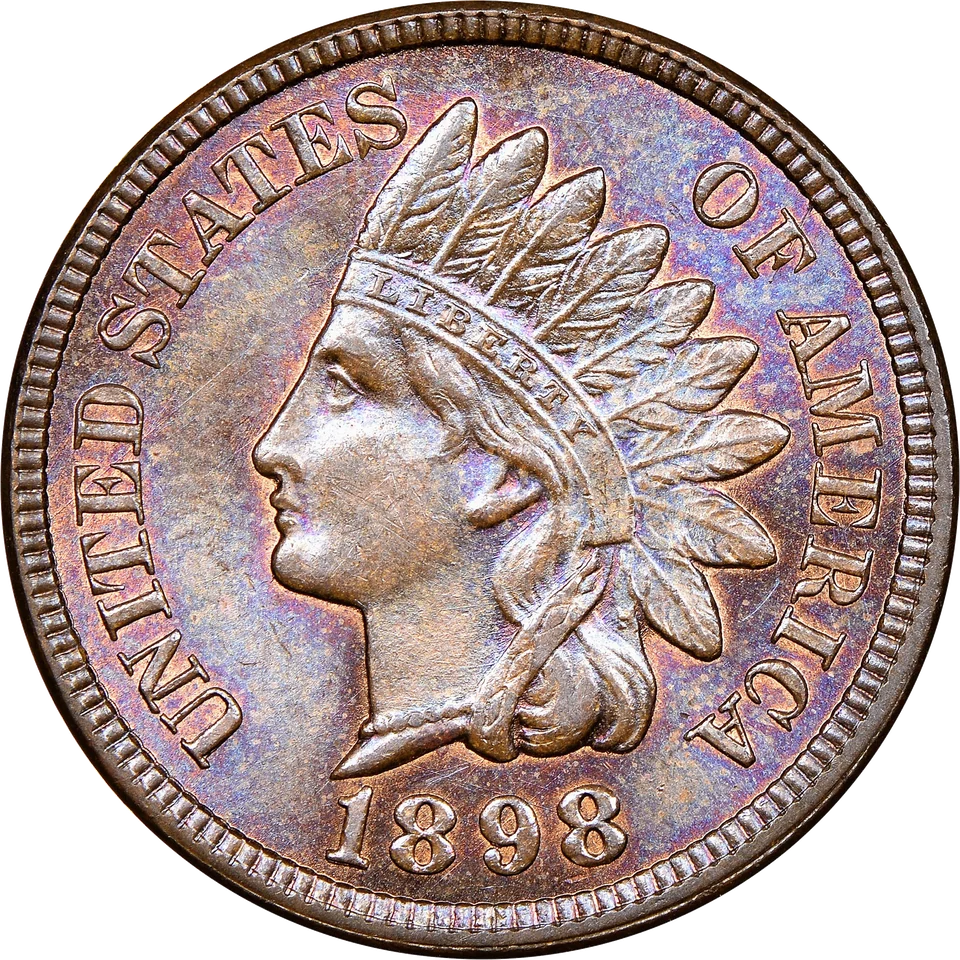
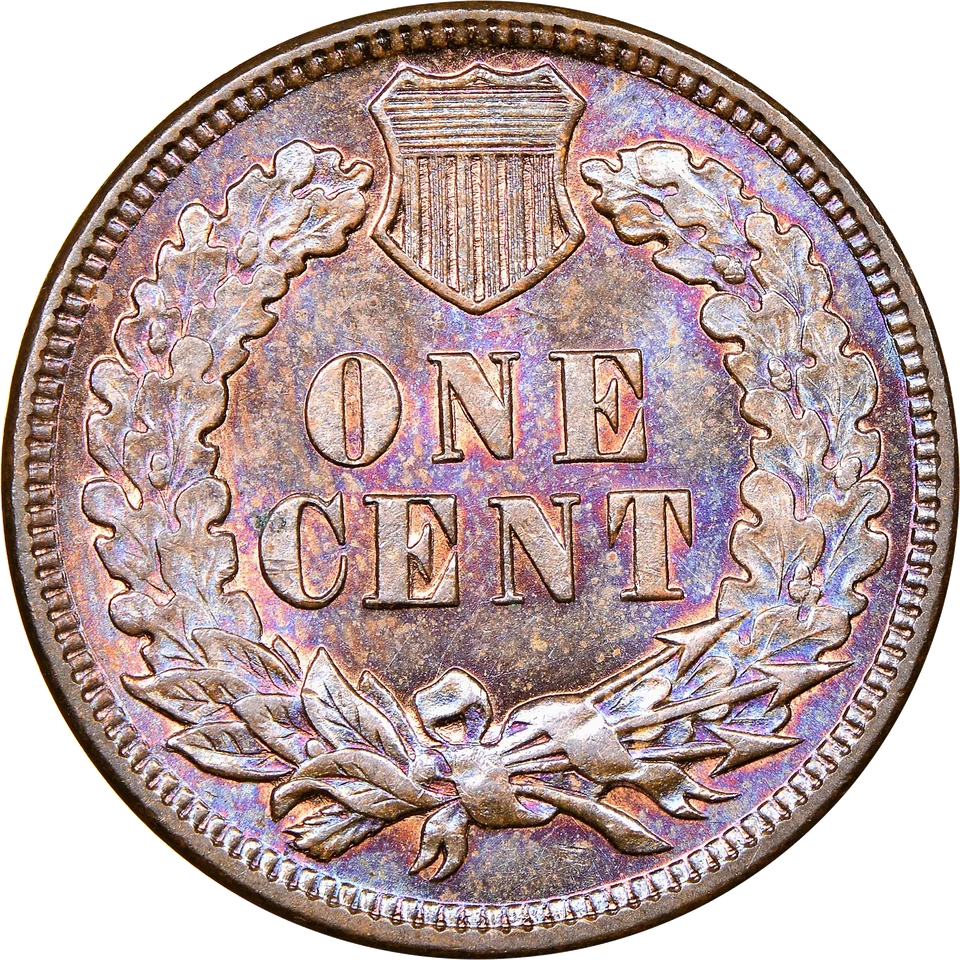
Basics & coin story
The 1898 cent was part of the bronze Indian Head type introduced during the series’ earlier transition away from copper-nickel. By this date, the shield and oak-wreath reverse was established. The issue is neither the first nor the final year of the type.
For 1898, the important refinement is choosing a well-made coin rather than buying a grade number alone. NGC advises collectors to pay attention to strike. Weak detail should be investigated alongside wear and luster, rather than treated as a rare error by default.
| Feature | What to check |
|---|---|
| Issue | 1898 Indian Head cent |
| Designers | James B. Longacre |
| Nominal weight / diameter | 3.11 g / 19 mm |
| Composition | Bronze; 95% copper with tin and zinc |
| Edge | Plain |
| Mint marks | None; Philadelphia |
For related diagnostics, consult the series identification and variety guide.
Identification
What should the complete coin show?
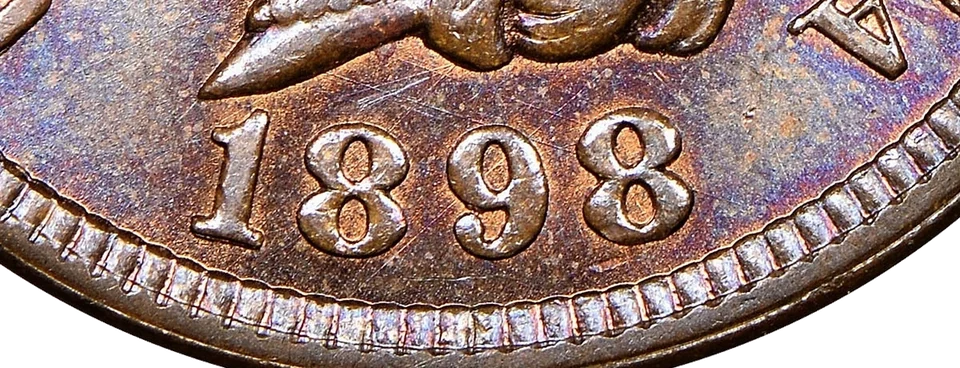
Read 1898 below Liberty’s portrait. Confirm UNITED STATES OF AMERICA on the obverse and ONE CENT inside the oak wreath on the reverse. The shield belongs above the wreath. Liberty wears a feathered headdress; the design is not a portrait of a named Native American person.
Where is the mint mark?
NGC records multiple date-punching varieties but notes limited general demand for many of them. A specialist attribution can be useful without guaranteeing a large price premium. Keep the exact variety reference attached to any comparison.
How do wear and strike affect identification?
Examine the headdress, diamond details on the ribbon and the reverse wreath under consistent light. Flat areas caused by wear may interrupt luster differently from incomplete detail caused at striking. A photograph can help locate the question, but may not settle it.
Condition & value
All amounts are U.S. dollars from the NGC retail guide accessed November 18, 2026. Row updates below use month/day/year and are often much older. These are reference estimates, not current bids, completed sales or a promise of resale proceeds. BN = Brown; RB = Red and Brown; RD = Red. MS = Mint State; EF40 = Extremely Fine 40.
| Issue | Condition / color | USD guide | Row updated |
|---|---|---|---|
| 1898 1C MS | Good BN | $2 | 03/22/2021 |
| 1898 1C MS | Fine BN | $4 | 03/22/2021 |
| 1898 1C MS | EF40 BN | $15 | 03/22/2021 |
| 1898 1C MS | MS63 BN | $70 | 03/22/2021 |
| 1898 1C MS | MS65 BN | $200 | 03/22/2021 |
| 1898 1C MS | MS63 RB | $100 | 08/16/2019 |
| 1898 1C MS | MS63 RD | $165 | 08/16/2019 |
| Issue | Condition / color | USD guide | Row updated |
|---|---|---|---|
| 1898 1C PF | PF63 BN | $285 | 08/09/2019 |
| 1898 1C PF | PF65 BN | $545 | 08/09/2019 |
What does brown, red-brown or red mean?
Brown (BN), Red and Brown (RB), and Red (RD) describe copper color in the grading record. They are not interchangeable grades or proof of originality. Compare the same grade and color designation; do not clean a brown cent in an attempt to obtain a red premium.
How should Proofs and errors be compared?
Proof is a method of manufacture, not a synonym for excellent condition. Compare an authenticated Proof with Proof records for this date and color. A recognized variety or genuine striking error needs its own attribution; it does not inherit the value of the highest-priced coin bearing the same year.
What lowers a realistic selling comparison?
Corrosion, smoothing, scratches, altered color and cleaning may reduce buyer interest. Record those problems before comparing a coin with problem-free certified examples. A retail guide estimate is not the net amount a dealer must pay. Check current completed sales in the same condition and note fees and currency.
Use the completed-sale comparison checklist before selling. HeriBase photo identification can help organize initial issue research; a result is not physical authentication, a certified grade or a buying offer. See the expert appraisal guide when an uncertain detail materially changes the decision.
Summary
For 1898, prefer supported grade and attractive original surfaces over an unsupported error story.
FAQ
How much is a 1898 penny worth?
A normal 1898 Indian Head penny is a common date in ordinary grades. NGC’s brown-color guide lists $2 in Good, $4 in Fine and $15 in Extremely Fine 40, with a March 22, 2021 update. Full original-red gem condition is a separate market. Check strike and surface quality before comparing higher-grade guide figures.
Does no mint mark make this coin rare?
No. A blank mint-mark position is normal for the Philadelphia issues discussed here.
Why does strike quality matter for an 1898 cent?
Weakly formed detail can affect eye appeal without being circulation wear. NGC recommends attention to strike for this date. Check luster and high-point wear alongside the clarity of the design.
Can I use a high auction record to value my coin?
Only a genuinely comparable coin is useful. Match issue, grade, color, manufacture, attribution and problem status; distinguish completed sales from asking prices.
Should I clean the coin before taking photos?
No. Use diffuse light and clear photographs without altering the surfaces. Cleaning can remove evidence and reduce collector interest.
When is expert review useful?
Seek a specialist when authenticity, a claimed rare variety, unusual composition or exceptional condition materially changes the value. A photo-based app result is an initial lead, not a certified grade.
References
References and further reading
- NGC 1898 1C MS specifications, issue discussion and dated value rows
- NGC 1898 1C PF specifications, issue discussion and dated value rows
Accessed November 18, 2026. Source-row updates are distinct from the access date. Reference photographs do not establish a reader’s grade or attribution.